
Request an appointment
  • Price Promise

  • Rated Excellent

  • Fully Guaranteed

  • Over 40 years of value

Hillarys homepage1800 882 9171800 882 917Request a brochureRequest an appointment

What are the best blinds for large windows? Styling large and corner windows with confidence

Author Lisa CooperHead of Product at Hunter DouglasWritten 24/07/2026
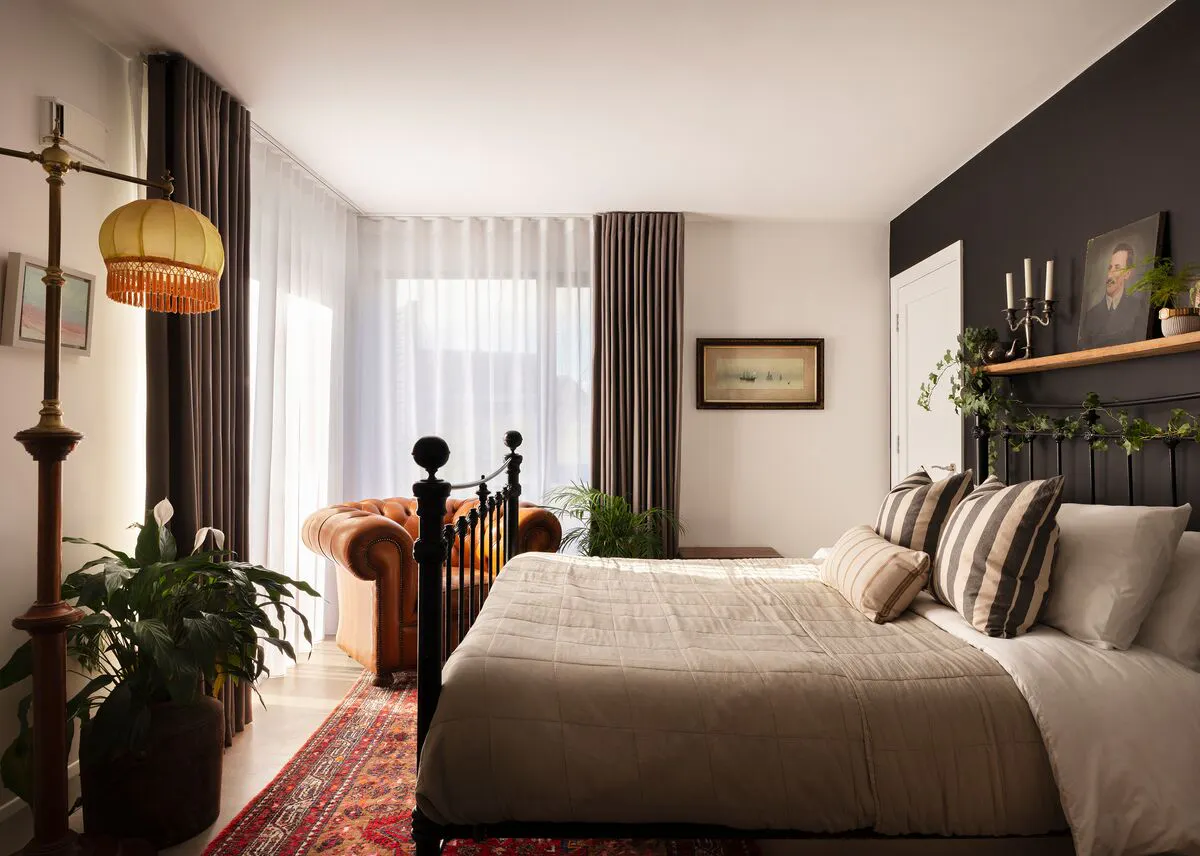
Neutral bedroom with one midnight blue wall behind bed, corner windows dressed in white voile curtains, closed, under mid brown curtains open, wrought iron style bed with pale brown bedding, tan chesterfield chair by windows, fringed lamps on stand.

Large windows and corner glazing can be some of the most striking features in a home. They flood rooms with light, frame outdoor views and create a real sense of space. But when it comes to dressing them, these statement windows can also raise plenty of questions. What are the best blinds for large windows? How do you keep corner windows feeling balanced? How do you manage light and privacy? And how do you make sure the result feels considered, not overwhelming? 

Whether you’re planning blinds for large windows, exploring blinds for corner windows, or weighing up whether curtains or shutters might suit your space better, a well-planned approach makes all the difference. 
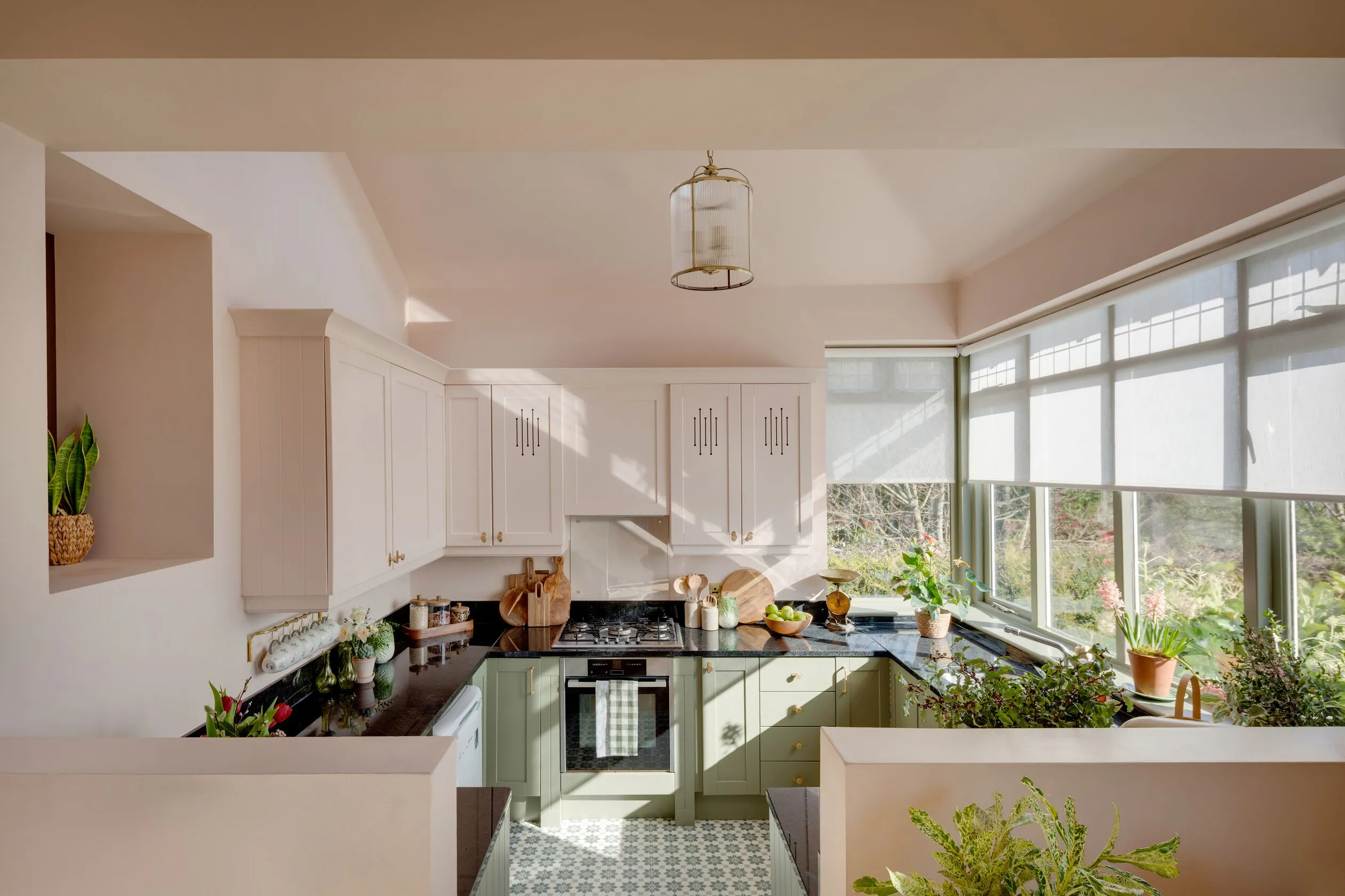
  • “We knew that we wanted an incredibly light and bright kitchen and knew that would mean finding the perfect blinds that didn’t stop the brightness but did deliver all the privacy we needed.”

    Helen Manton, interiors content creator

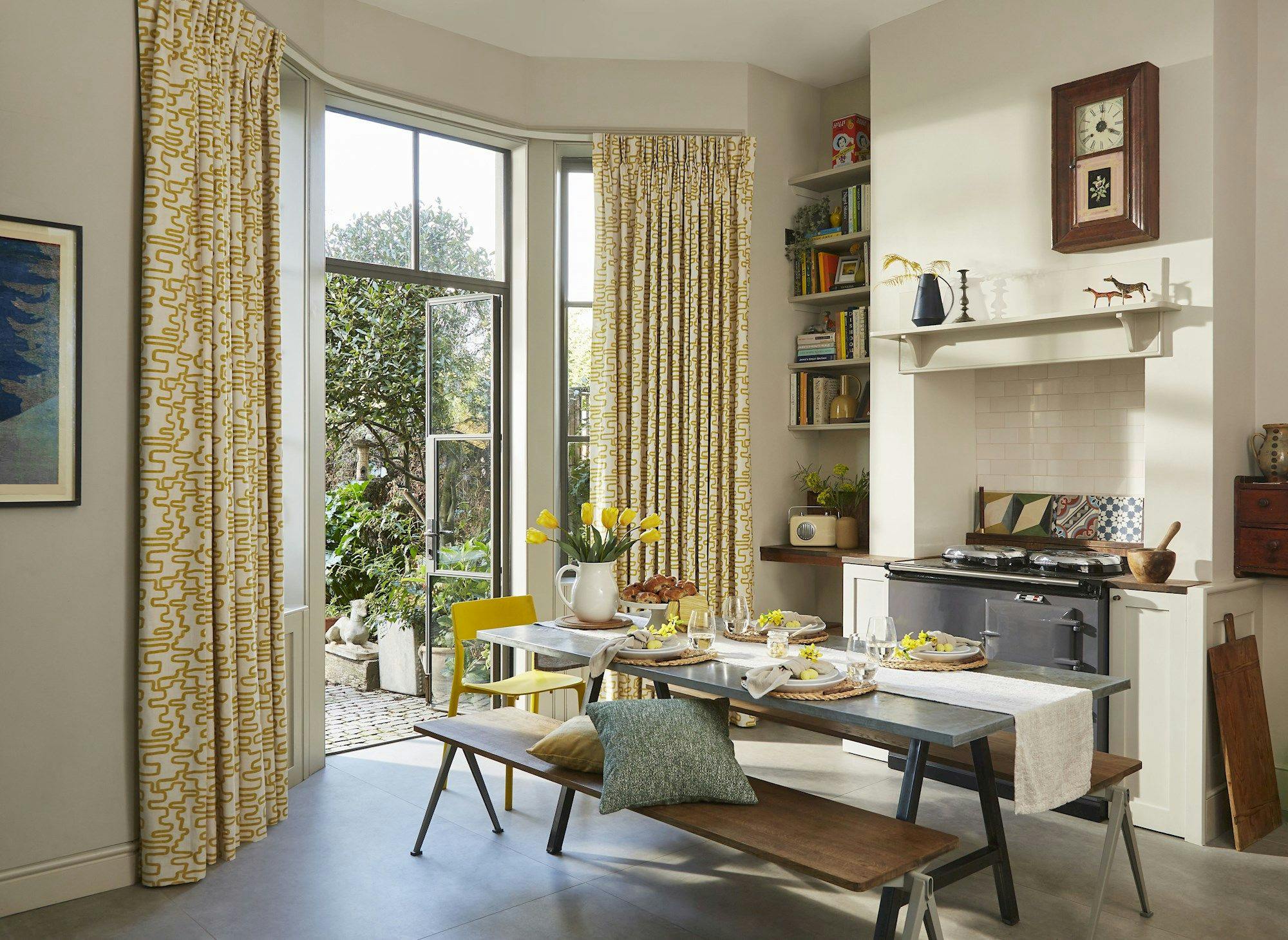
Light-filled kitchen with wide windows fitted with Roller blinds, overlooking greenery and filling the space with natural light above sage cabinets.

Understanding your window needs

Before thinking about styles or fabrics, it helps to take a step back and consider how the room is used. Large windows often call for solutions that can scale visually. Small patterns or fussy details can feel lost, while overly heavy designs may dominate the room. Corner windows introduce another layer of complexity, as they often wrap around the room and interact with furniture layouts and adjacent walls. 

Natural light, privacy, and heat control all come into play. Getting clear on priorities early helps narrow down whether blinds, curtains, shutters or a combination will work best. 

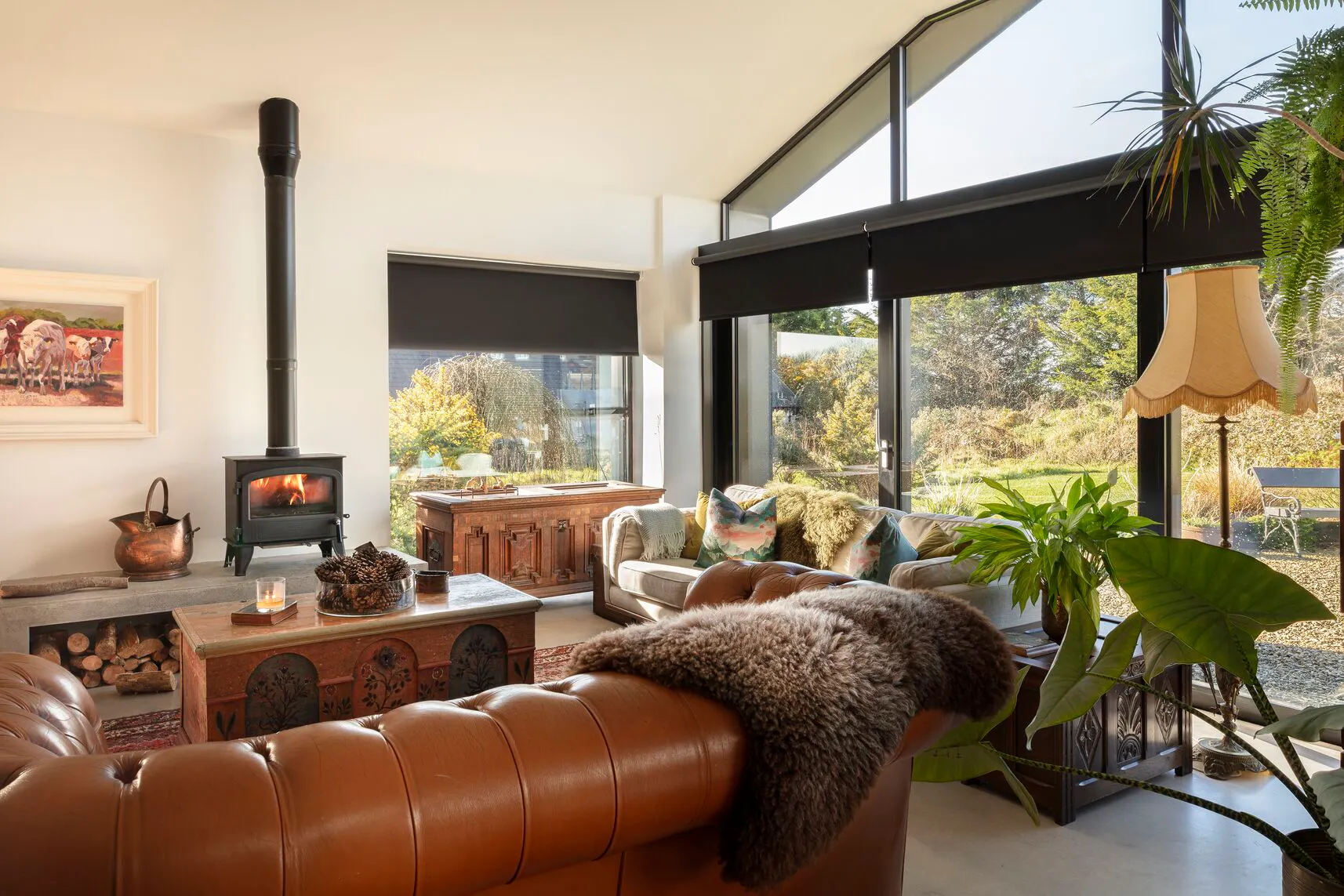
Spacious living room with floor-to-ceiling windows and black-framed glazing, fitted with Roller blinds overlooking a leafy garden and flooding the space with light.

Blinds for large windows that feel proportionate

Blinds for large windows need to feel confident without overpowering the view. Clean lines usually work well here, allowing the architecture to shine while still giving you control over light and privacy. 

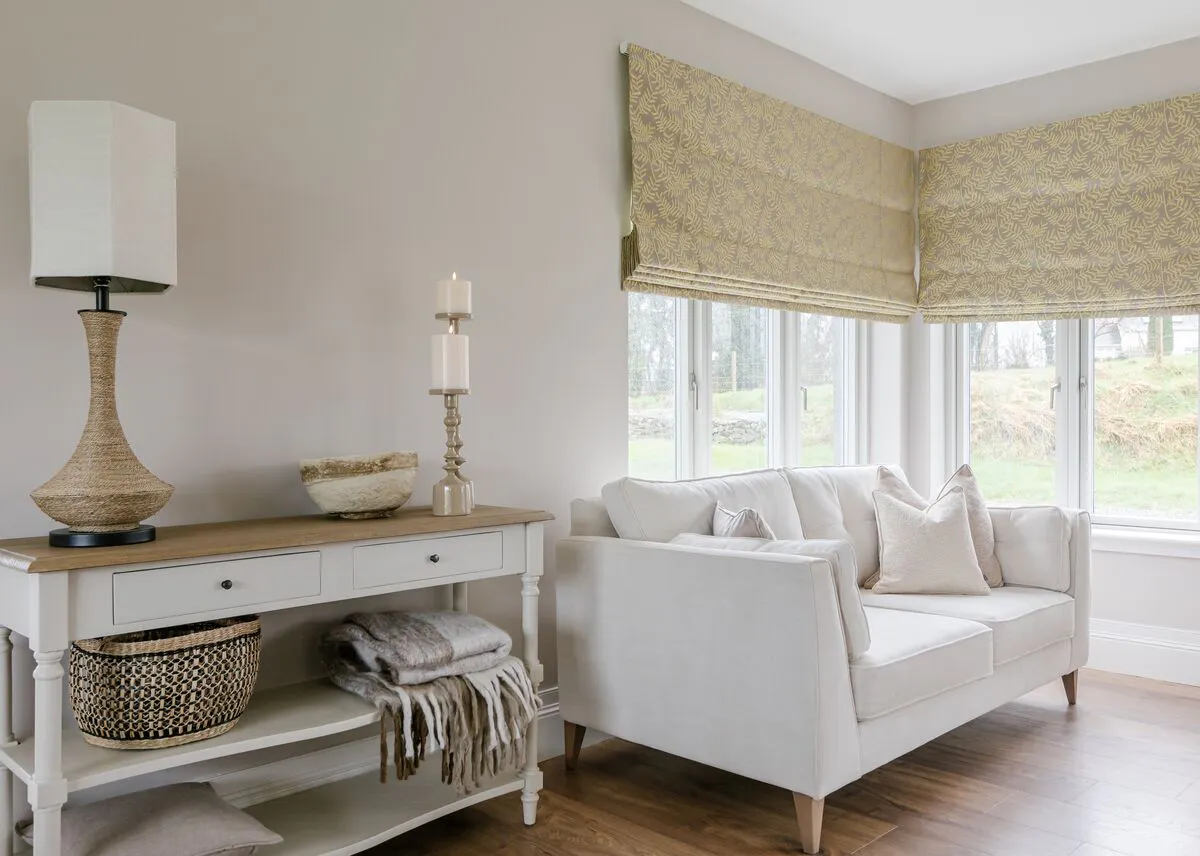
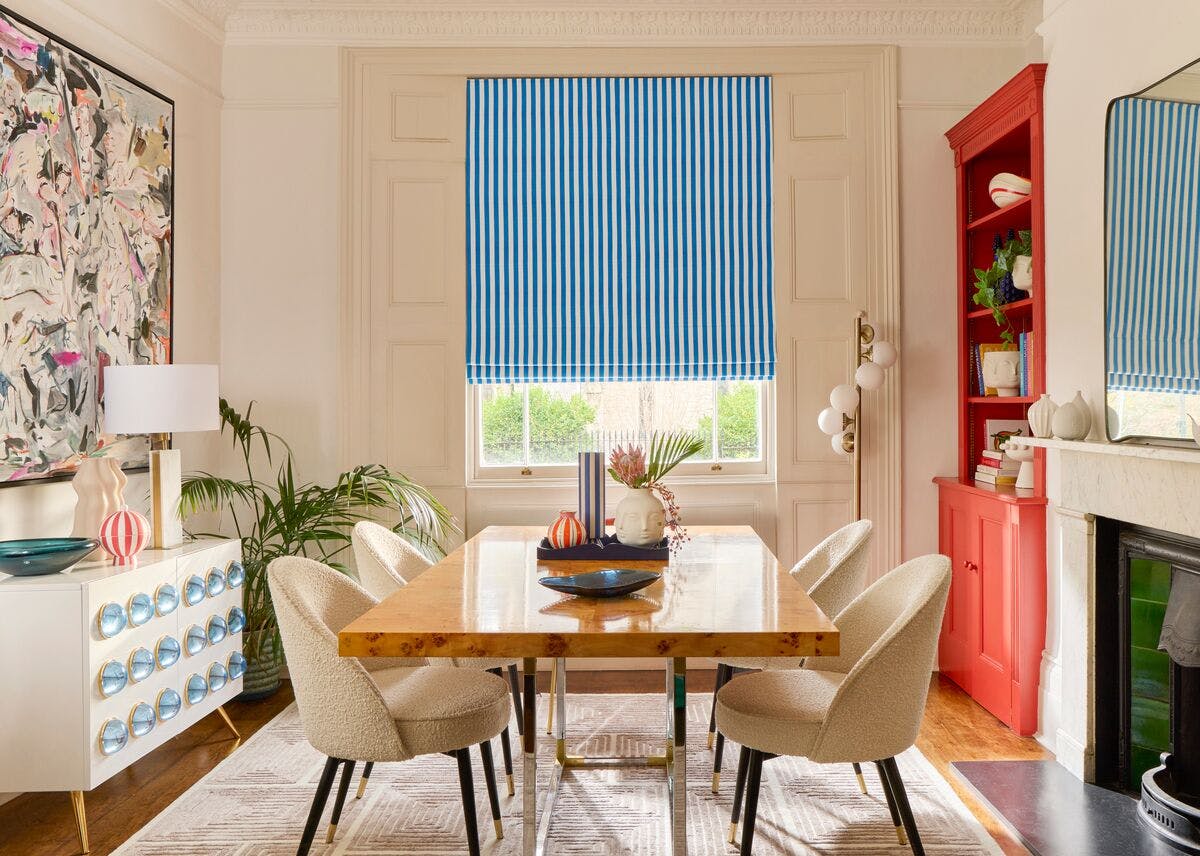
A Roller blind in a plain fabric can be a great choice for wide windows. The simplicity of the design keeps the look calm and uncluttered, especially in open plan spaces. For rooms where softness matters, a Roman blind brings a tailored feel, adding warmth without looking bulky when raised.

Cream living room with corner windows dressed in ivory patterned Roman blinds partially lowered, white sofa in corner, white console table with earthenware lamp with white square shade, candlestick and throw, wooden floor.

Tackling tricky angles with blinds for corner windows

Corner windows can feel daunting, but they also offer huge design potential. Blinds for corner windows are all about precision and flow. Choosing blinds that align neatly at the corner brings flexibility, as you can adjust light levels on one side without affecting the other. In kitchens and dining areas, this can be especially practical as the sun moves throughout the day. 

In living spaces, continuity is often key. Using the same fabric throughout helps maintain a sense of cohesion. The result feels intentional and calm. 

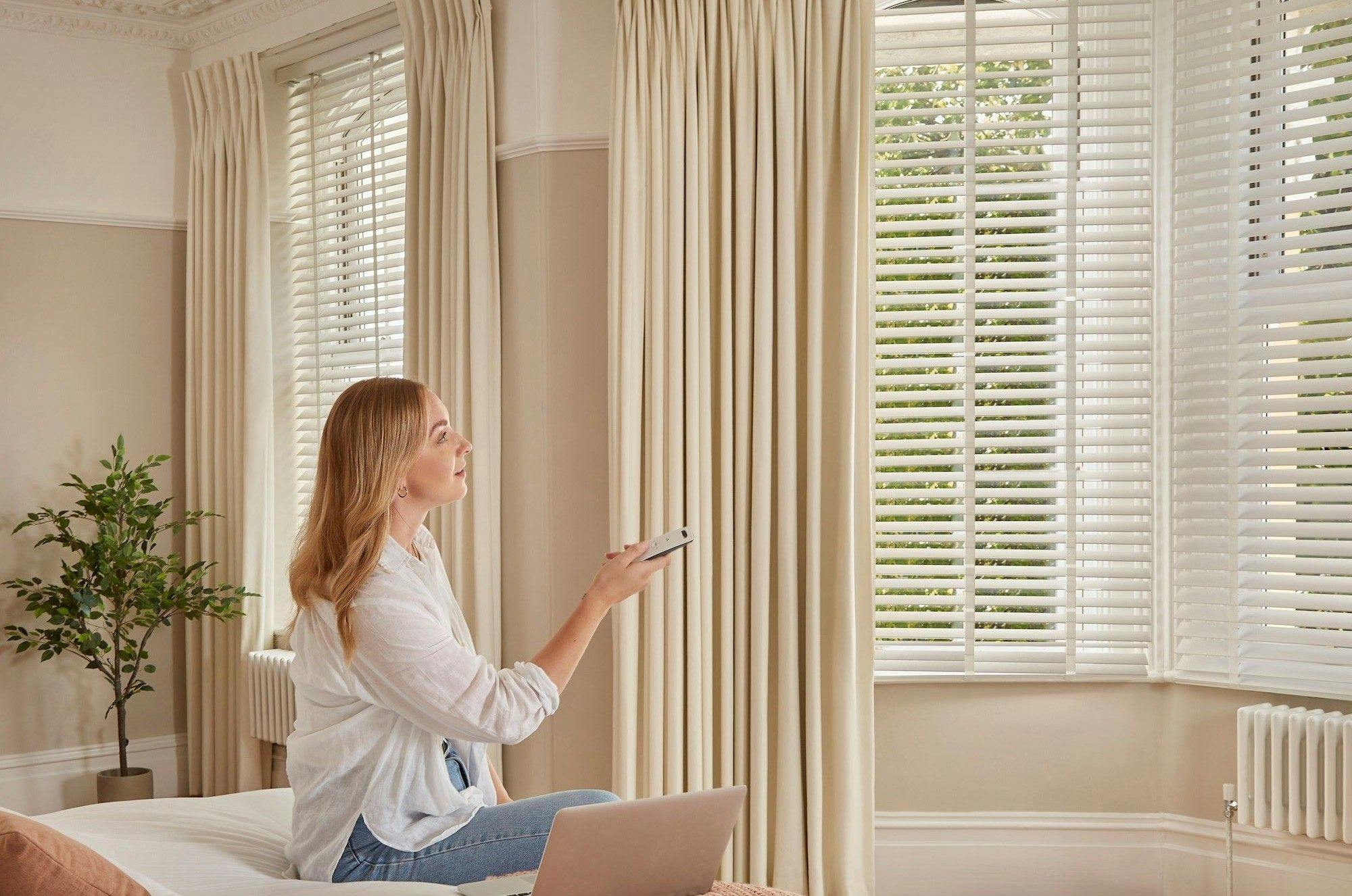
A woman holds a remote control, pointing it towards automated blinds. She sits on a bed in a bright, elegantly furnished room with cream curtains and a potted plant.

Why electric and smart blinds make sense

When windows are wide, tall or set into a corner, everyday practicality matters just as much as style. Electric and smart blinds can be a practical choice here, making it easier to live with large expanses of glass.  

Instead of reaching across sofas or navigating awkward angles, blinds can be adjusted at the touch of a button, helping you fine tune light and privacy throughout the day. This is particularly useful for corner windows, where different panes may catch the sun at different times. For glazing that’s visually impressive but physically hard to manage, electric or smart operation keeps the experience effortless. 

  • “Opting for electric blinds has been such a game changer as not only do they look incredibly sleek, but the ease and convenience of adjusting light and privacy at the touch of a button has completely transformed how I use the space.”

    Lou Crane, interiors content creator

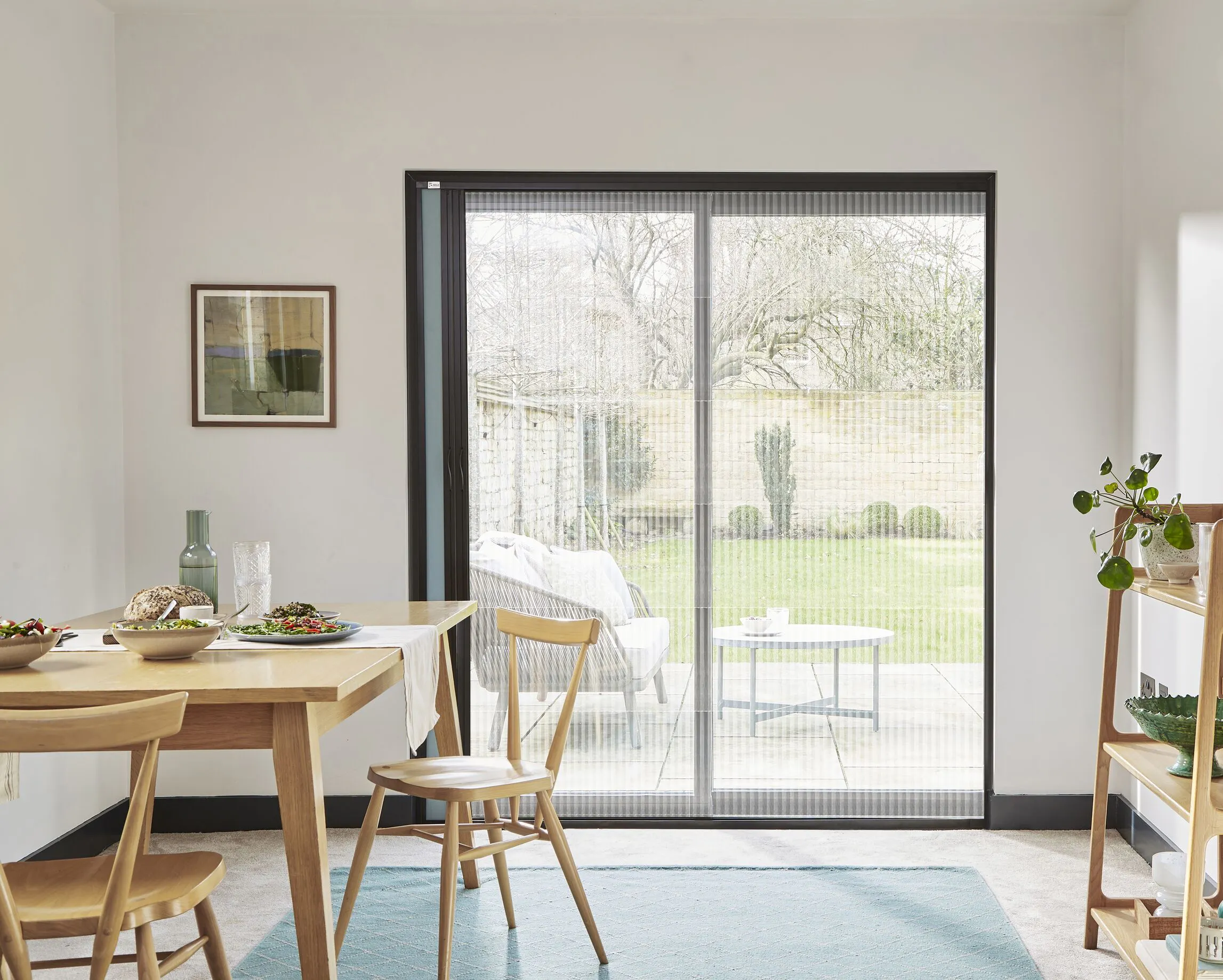
Dining area with large sliding glass doors fitted with a discreet Fly Screen, opening onto a green garden and bringing daylight into the calm space. 

Specialist solutions for more complex glazing

Some windows benefit from a more tailored approach, particularly when dealing with unusual dimensions. Pleated blinds are a good place to start. Their neat stack and subtle structure suit expansive glazing, while honeycomb blinds work well for shaped windows.

For bigger openings such as sliding doors, Blind Screen® designs, including Fly Screen fabric options, offer a flexible way to manage light, privacy and airflow without visually crowding the space. Perfect Fit styles suit settings where a streamlined, integrated finish is important, helping blinds feel like part of the window rather than an addition to it.

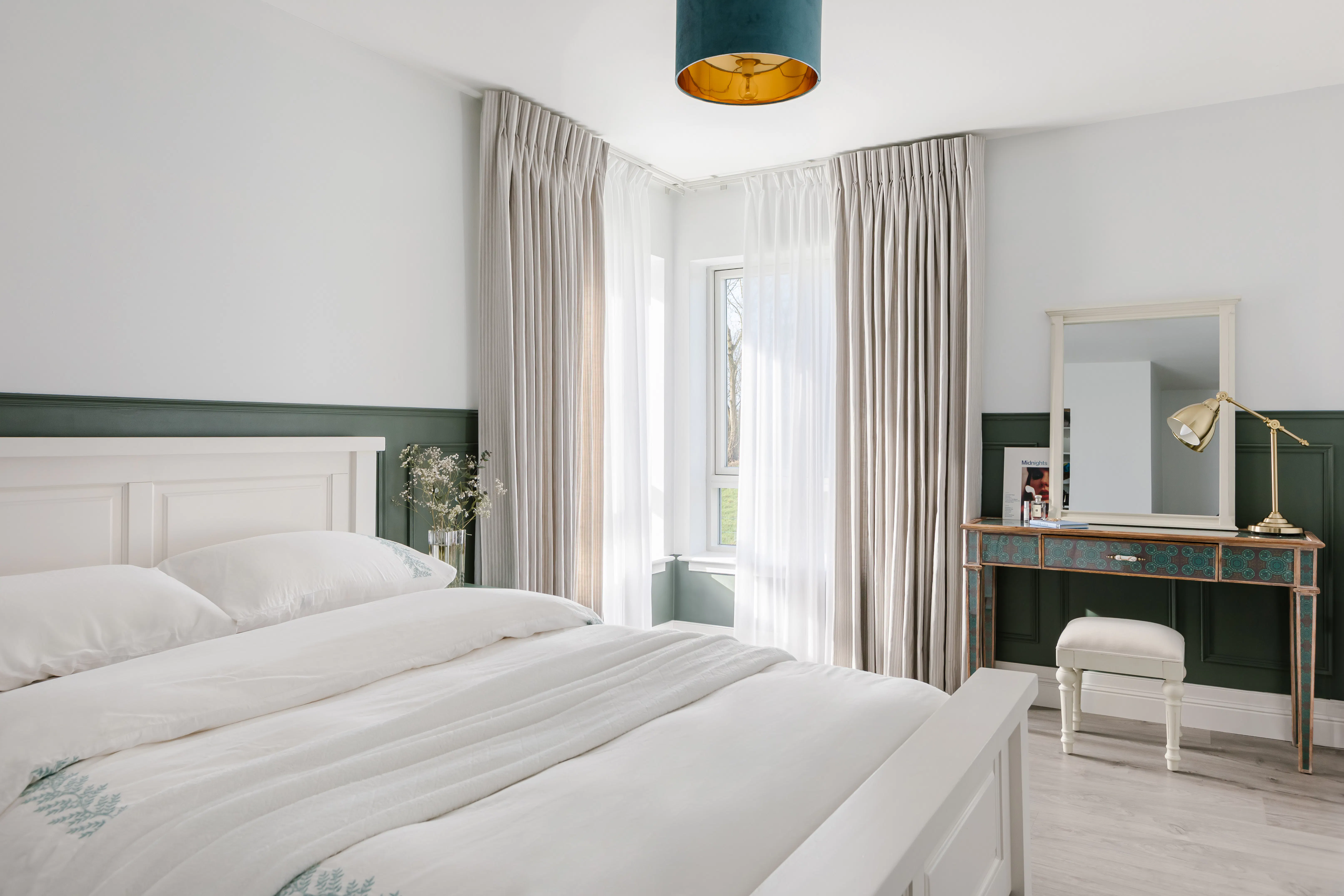
Airy bedroom with tall windows dressed in sheer curtains and soft drapes, allowing daylight to brighten the white bed and calm décor.

When curtains add softness to big spaces

While blinds are often the first thought for large or corner windows, in some spaces, curtains can be the perfect solution. They work particularly well where you want to soften strong architectural lines. In bedrooms or lounges, full length curtains can make tall windows feel more inviting, drawing the eye upward and enhancing the sense of height. For corner windows, curtains can be used on one or both sides, depending on how the space is laid out.

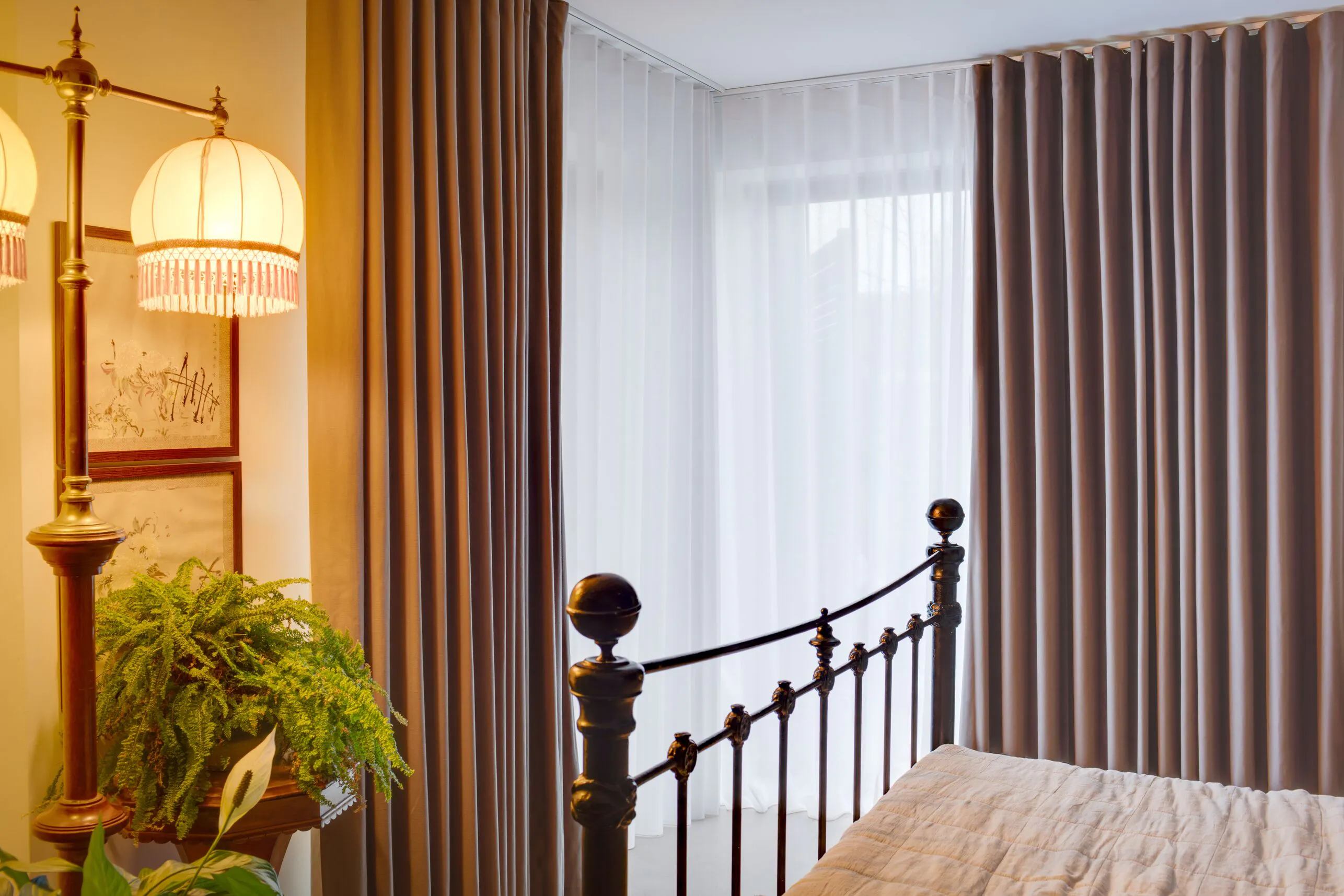
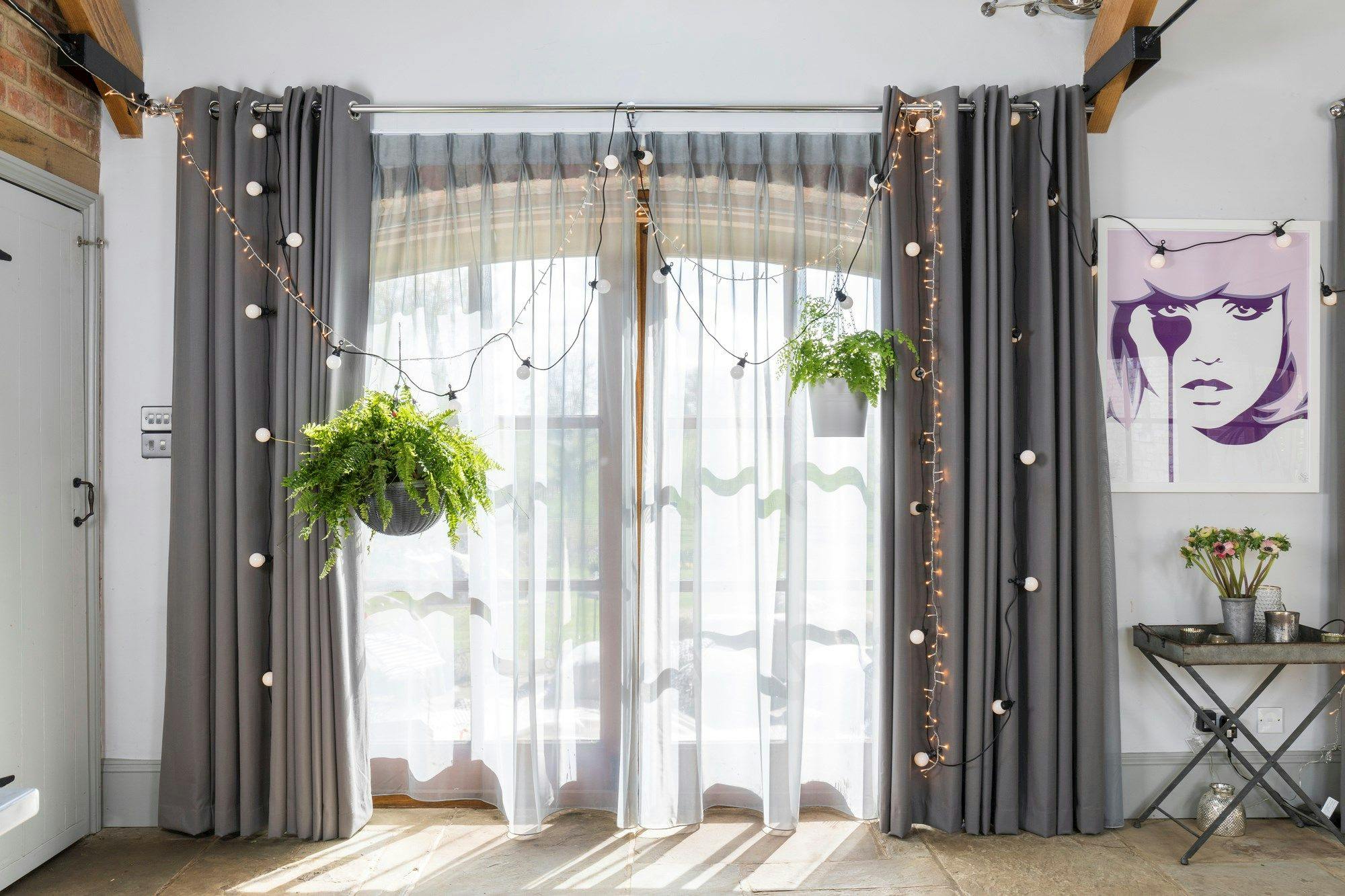
Layering is another option. Pairing sheer blinds or Voiles with curtains gives you flexibility, with the translucent fabric providing daytime privacy and curtains adding texture and warmth in the evenings. The key is to keep fabrics and colours working in harmony, so the overall look feels balanced rather than busy.

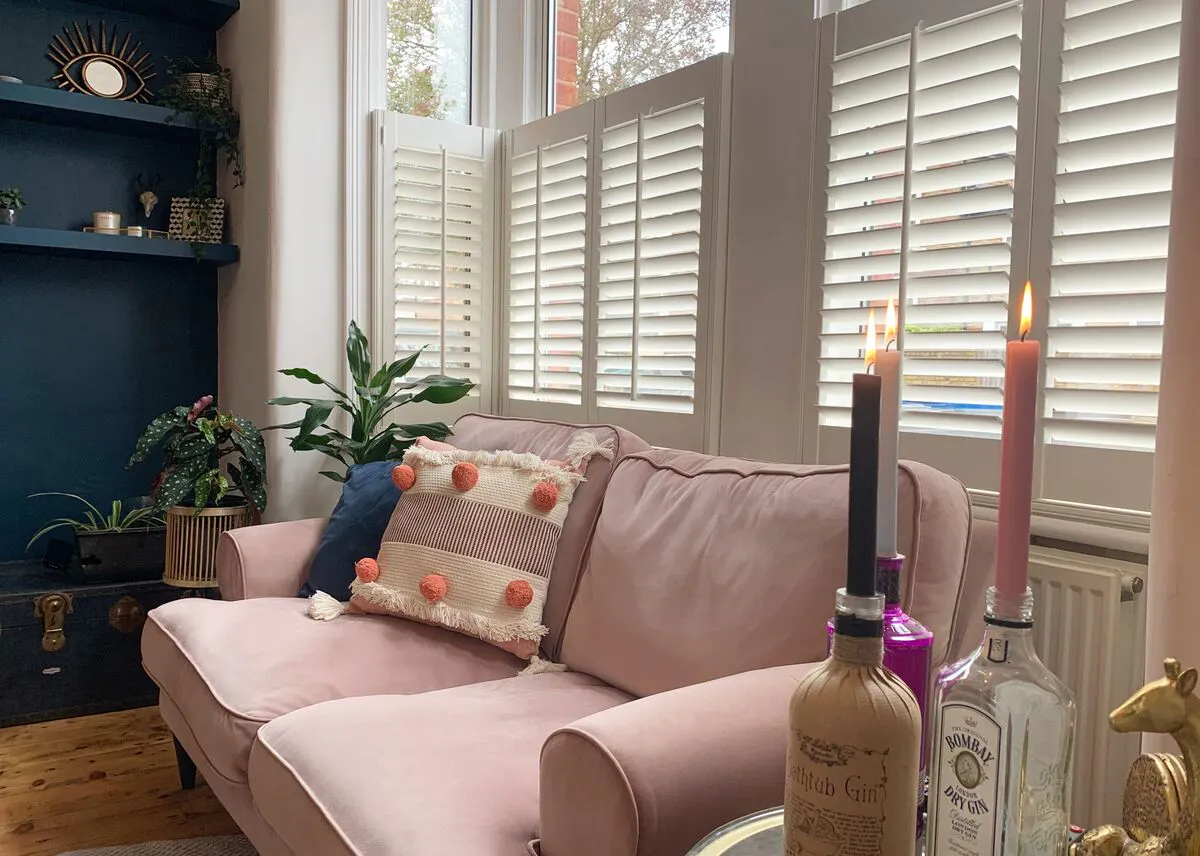
Soft living space with a blush sofa beneath a bright window fitted with white shutters, allowing gentle daylight to filter across plants and décor.

Shutters as a design feature

Shutters bring a very different feel to large and corner windows. Their structured appearance adds character while still allowing light and airflow. For large windows, shutters create a strong visual rhythm with carefully proportioned panels. They can make wide expanses of glass feel more architectural, which works beautifully in both period homes and contemporary spaces. 

Corner windows benefit from shutters that follow the lines of the window and become a feature in their own right. Adjustable louvres provide fingertip control over sunlight and privacy, which is particularly useful in rooms that are overlooked. 

Bedroom with tall window dressed in sheer curtains and grey drapes, softly diffusing daylight beside an iron bedframe and leafy plant.

Thinking beyond the window

Large and corner windows don’t exist in isolation. The colours, textures and finishes you choose should sit comfortably with the rest of the room. In smaller rooms with big windows, lighter tones help keep things feeling open. In larger spaces, you can afford to introduce deeper shades or richer textures without overwhelming the room.  

This is where viewing samples in person can really help. Seeing how different fabrics and styles interact with the space often brings clarity. 

Making confident choices that last

Taking the time to consider how the space is used now, and how it might evolve, helps ensure your choice stands the test of time. 

Whether you lean towards the clean simplicity of blinds, the softness of curtains, or the structure of shutters, the right solution is the one that supports everyday living while enhancing the character of your home. 

Related articles