



Request an appointment
  • Price Promise

  • Rated Excellent

  • Fully Guaranteed

  • Over 40 years of value

Hillarys homepage1800 882 9171800 882 917Request a brochureRequest an appointment
Request an appointment

Industrial interior design: creating a stylish urban-inspired space

Victoria Robinson product manager Author Victoria RobinsonProduct ManagerWritten 16/11/2026
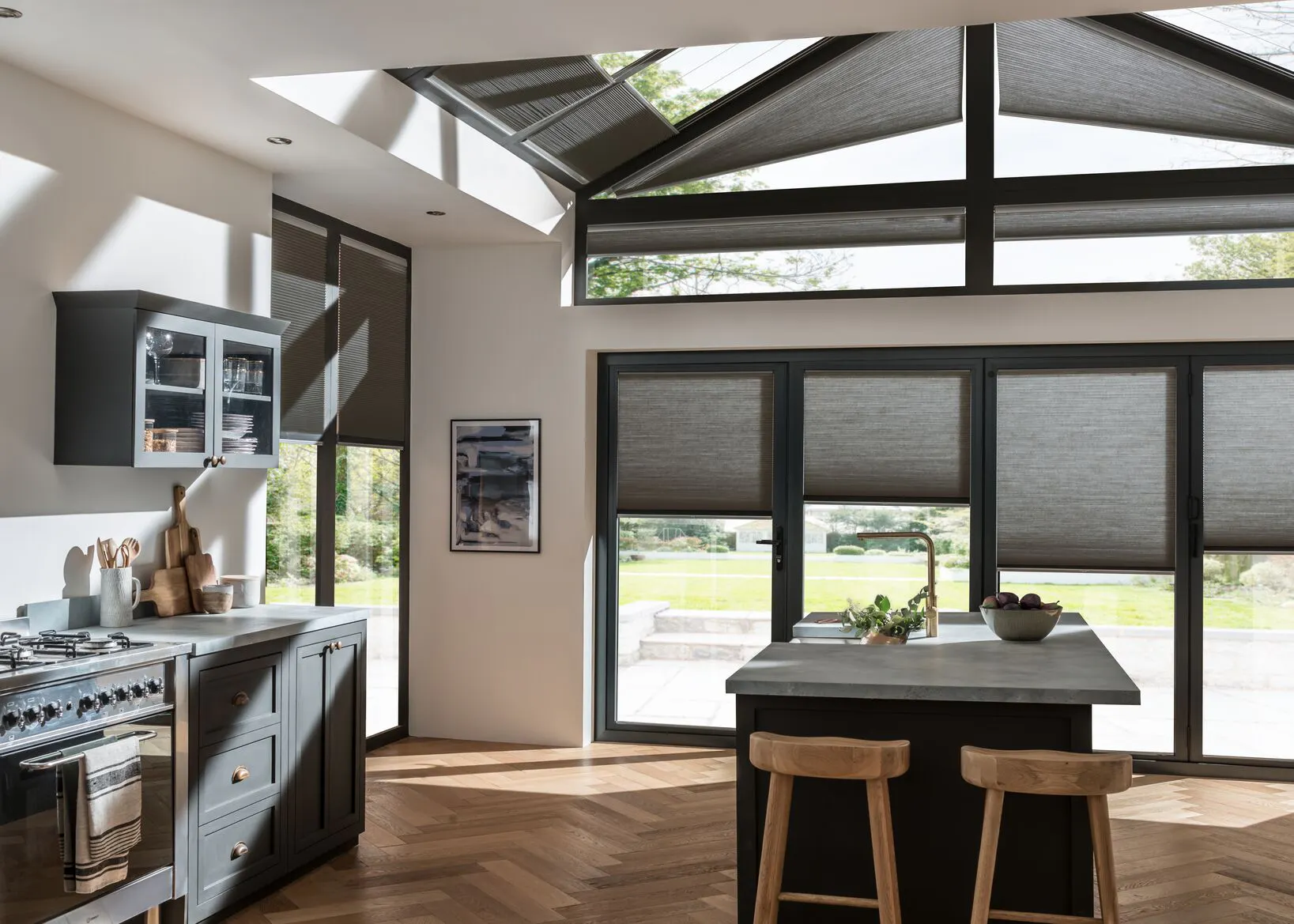
Open plan kitchen diner with gable end windows and doors dressed in mid grey duette blinds, partially open, kitchen to left, island in centre with stools.

Converted warehouses and factories may seem like an unlikely source of interiors inspiration. But that’s the beauty of industrial interior design: neutral walls, black steel and airy, open spaces offer a stylish blank canvas for modern living.  

The look has its roots in the mid-20th century, when disused industrial buildings were transformed into homes and creative studios. Original features were left on show and became part of the aesthetic. Here, we share our industrial interior design tips for getting the look at home. 
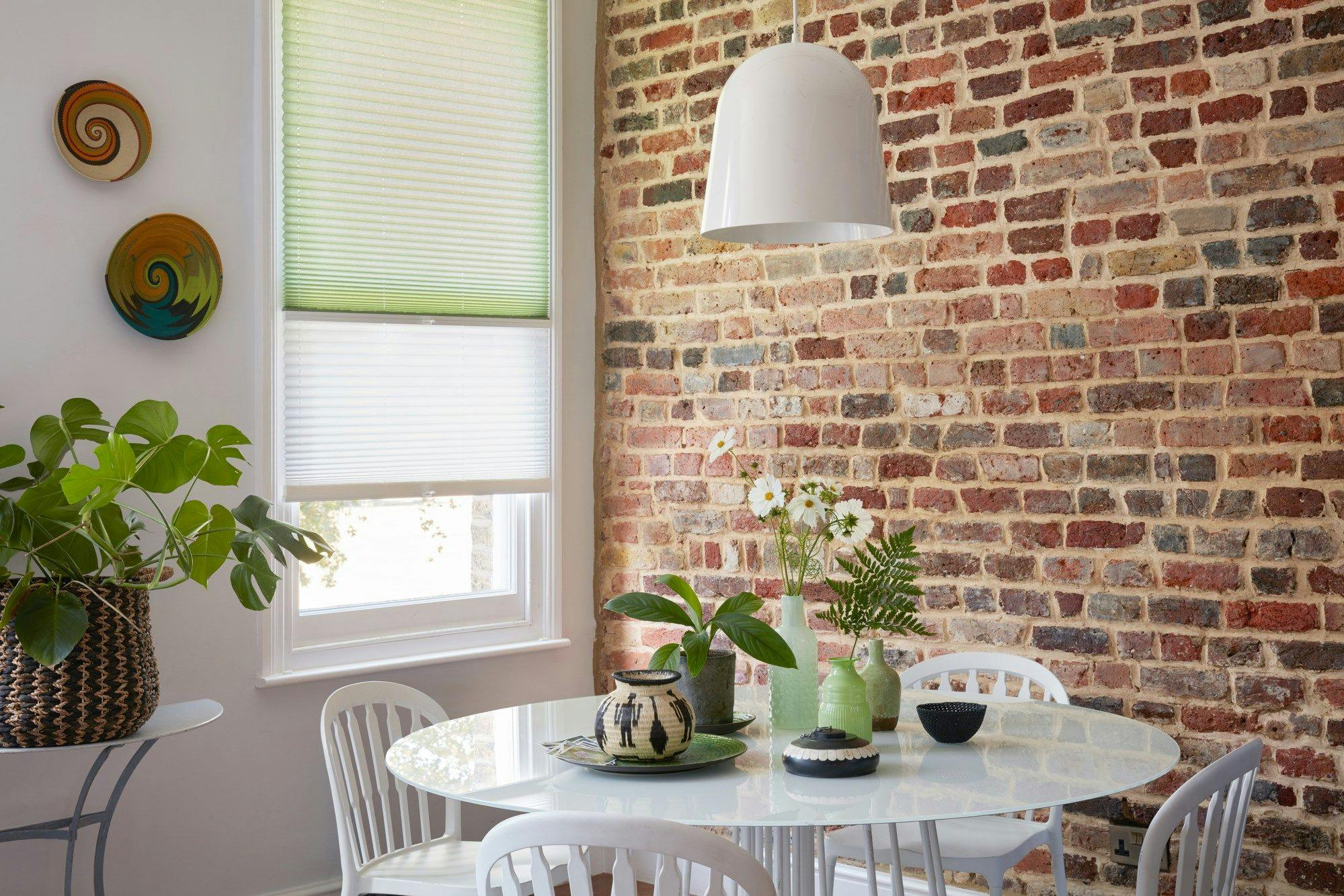
Mint green and white Transition Pleated blinds dressed on the window in dining room with white bistro table and chairs.

Showcase building materials and architecture

Exposed building materials and architectural details are one of the main hallmarks of the urban industrial style. Bare brick walls, steel beams and polished concrete may not be to everyone’s taste, but many interior designers admire the honest, unpretentious feel these materials lend to a space. 

And there’s no need for industrial style to look cold and stark. In this dining area, the red brick wall adds a lovely warm tone, while handcrafted pottery and plenty of plants give an inviting, lived-in look. A clever Transition™ blind helps to make a feature of the natural light. 

  • “Modern interiors can be very hard but I love the effects of glass and steel. Curtains can be an important element to soften a space adding texture.” 

    Margo Selby, textile artist and designer

Keep colours neutral

A restrained, mostly monochrome colour palette works well in industrial-inspired homes. Using white on the walls keeps rooms feeling spacious and bright. It also allows textures like brick, metal and stone to take centre stage. 

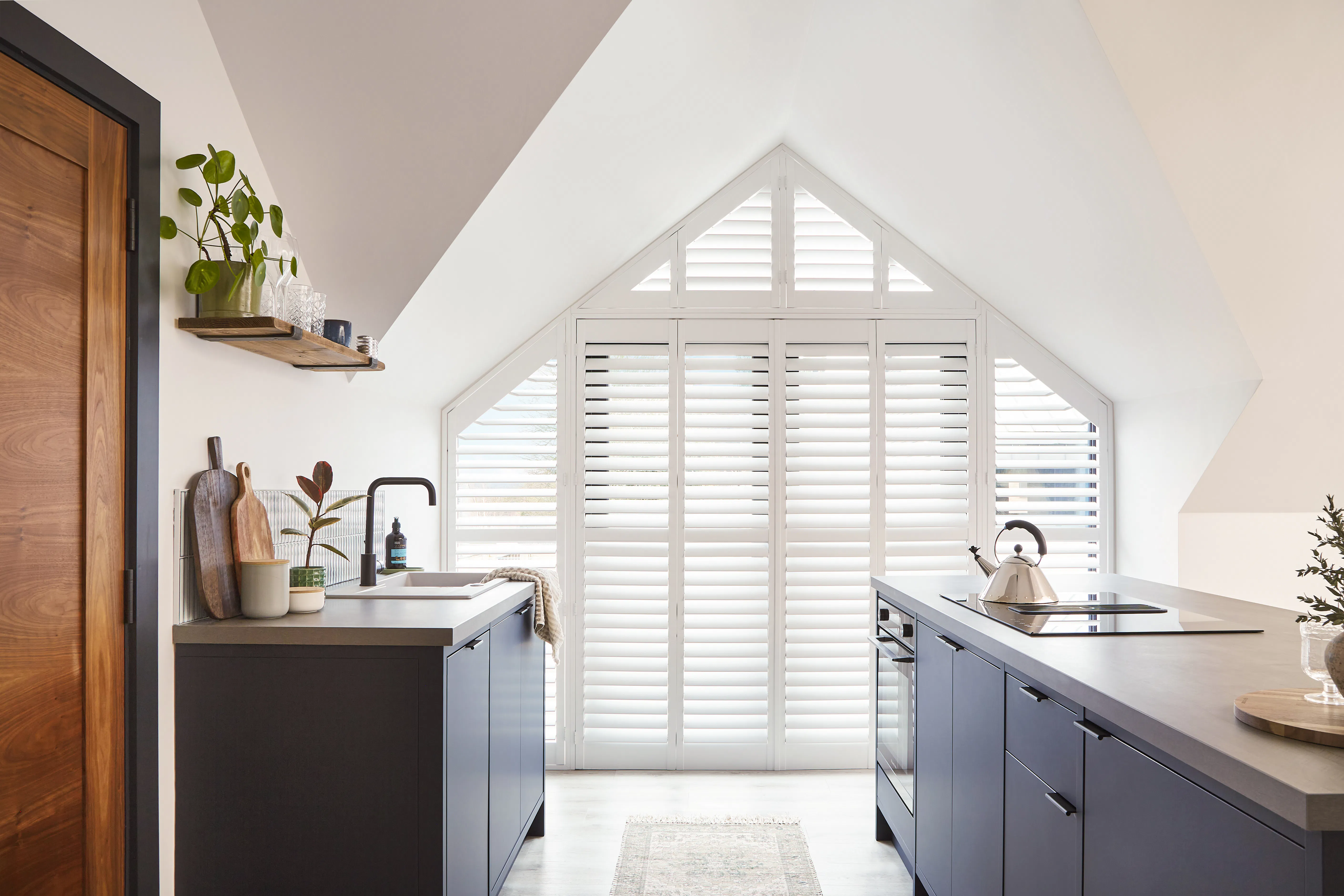
This immaculately designed kitchen shows how well a limited palette can work. Bright white walls and shutters bounce light around the room, while inky, matte-grey kitchen units and a concrete-effect worktop anchor the space. The wooden door and rustic timber shelf add just a hint of warmth. 

Mix in natural materials for contrast

Modern industrial interior design isn’t all angular lines and shades of grey – it has a softness to it too. To create a home you can relax in, we recommend adding contrast through natural materials. 

Wood is an obvious choice: think reclaimed timber and clean-lined Scandi-style furniture. A jute or sisal rug will add warmth underfoot and make a room feel less echoey. Other textures that pair particularly well with industrial design styles include distressed leather, sheepskin and linen. Finally, houseplants add visual interest and a sense of energy. 

  • “For me no room is ever complete unless it has plants and the window is dressed! They are the things that give texture and life to a space.” 

    Bo Fentum, interior designer

Make the most of natural light

Blurring the line between indoor and outdoor spaces is another principle that goes hand in hand with the industrial aesthetic. Here, that means celebrating features like bifold doors and floor-to-ceiling windows. 

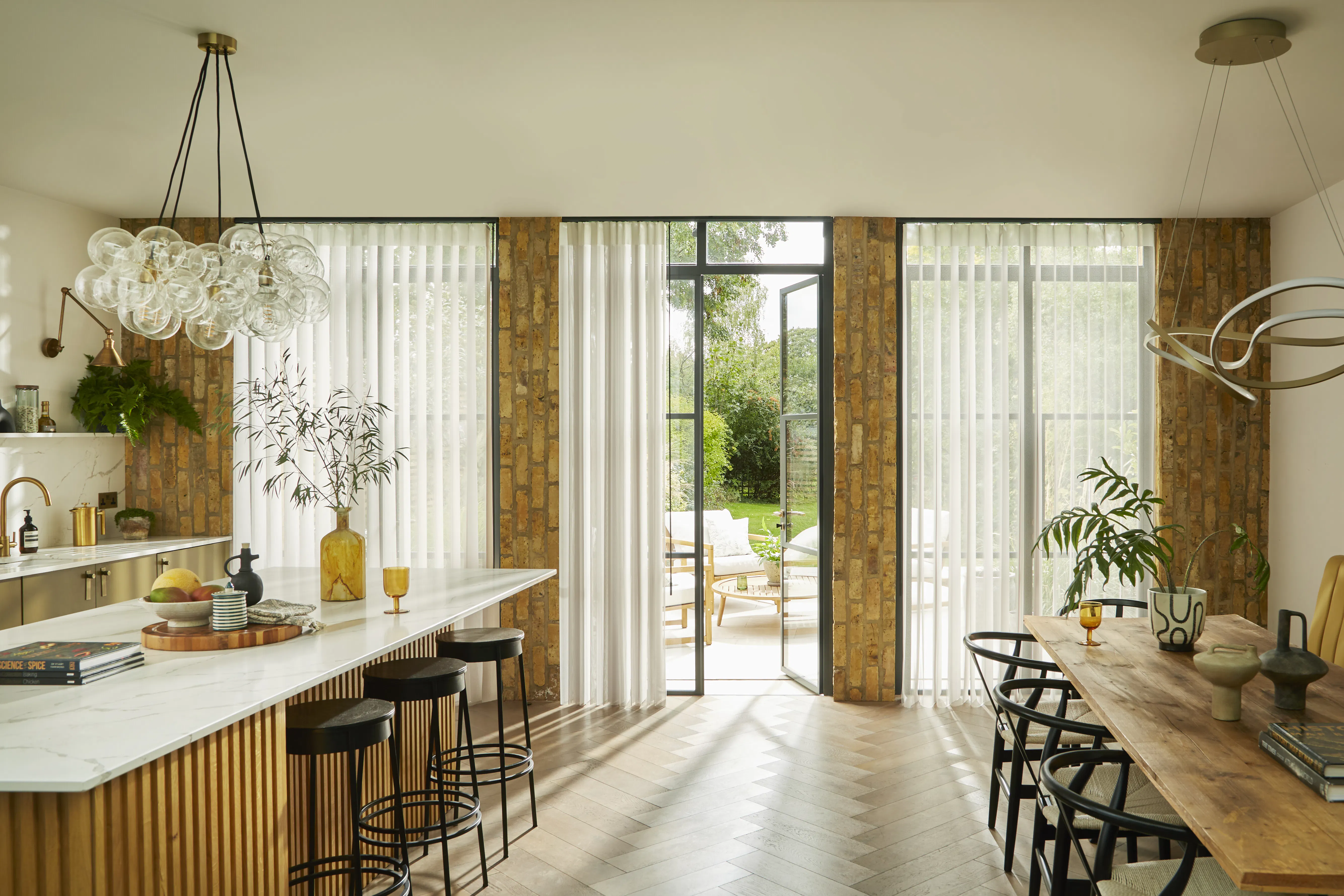
Our Diffused blinds are perfect in this open-plan kitchen and dining room: the vertical panels alternate sheer mesh and opaque fabric to maintain privacy while letting in daylight. If you prefer curtains, avoid anything dark or heavy. Instead, opt for sheer Voile fabric to keep that light, open feel. 

Rethink the floorplan

Open-plan spaces are especially suited to industrial design, echoing the generous proportions of warehouse and factory buildings. Opening up a kitchen and dining area, for example, often means better light and allows architectural details to come to the fore. 

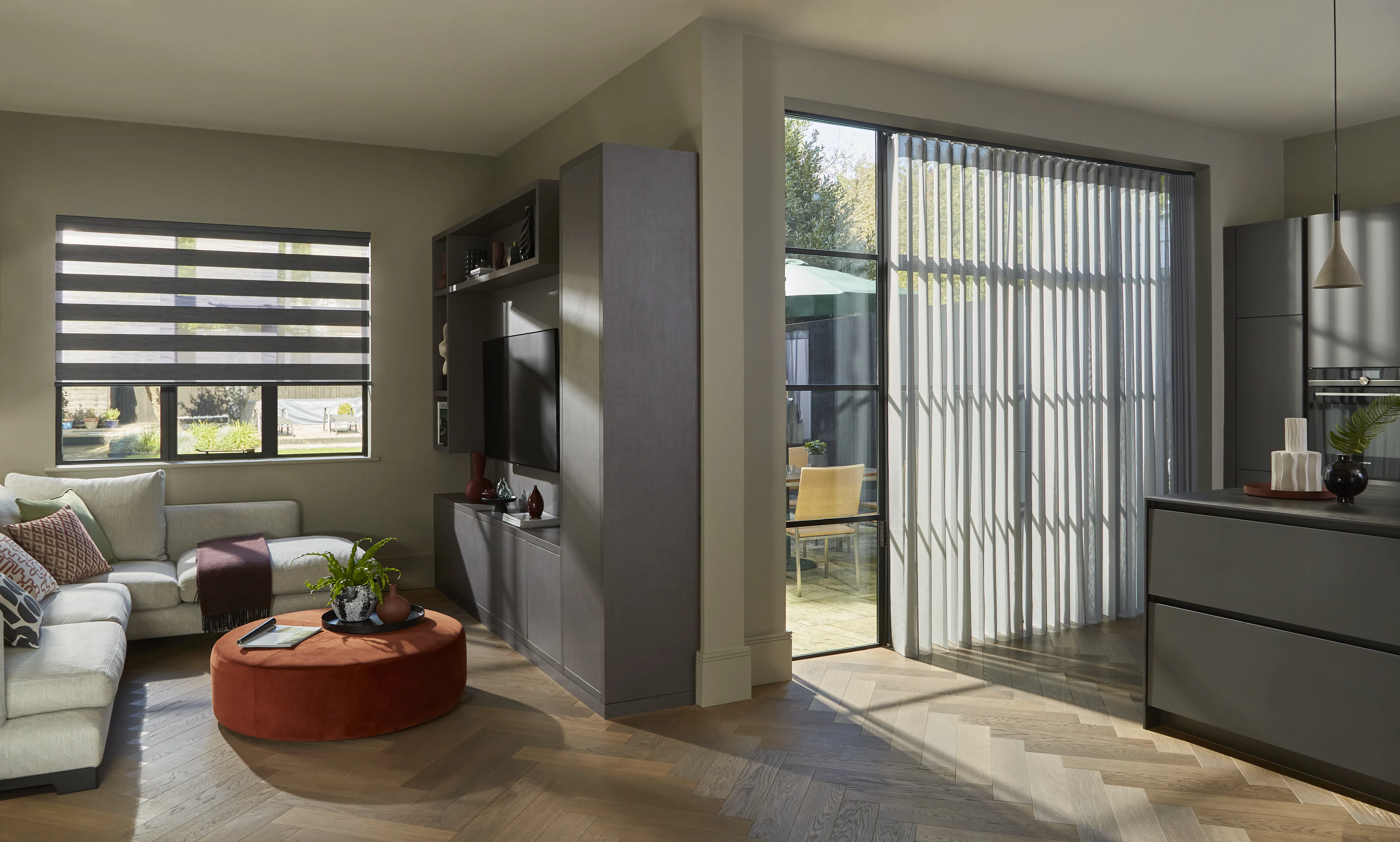
In this living space, simple, unfussy window dressings – a Day and Night blind and a Diffused blind – complement the graphic lines of the window and door frames.  

Industrial style interior design ideas to try at home

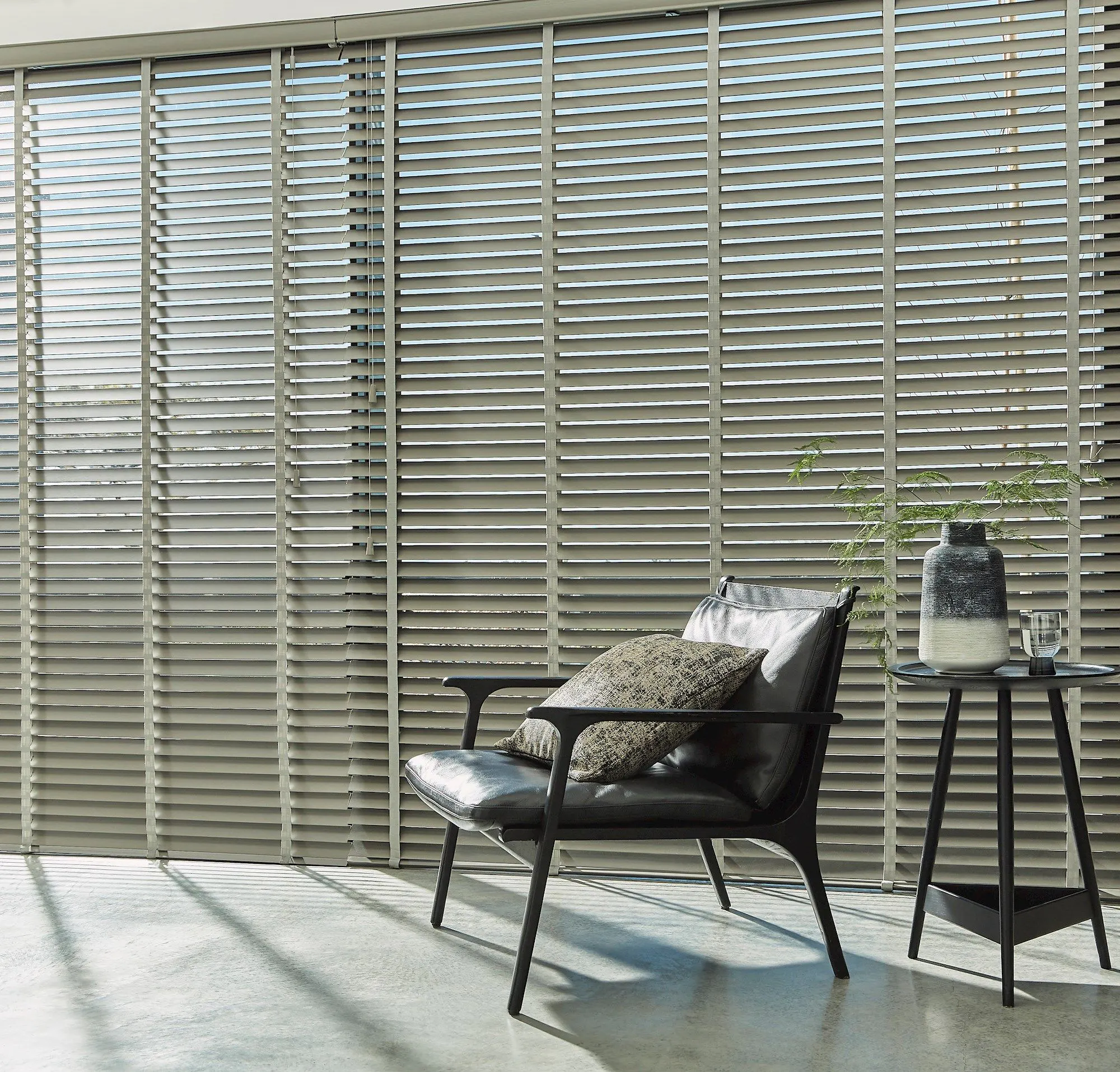
Floor to ceiling wooden ellwood flint grey venetian blinds with medium grey tape
  • Exposed brick, steel and concrete give industrial interiors their honest, unpretentious character. 
  • White walls and a restrained palette of greys and black let textures take centre stage. 
  • Natural materials like wood, sisal and linen add contrast and warmth. 
  • Sheer or light-diffusing window dressings help make a feature of large windows and bifold doors. 
  • Open-plan spaces often feel brighter and let architectural features come to the fore. 

Bringing industrial design home 

Modern industrial interior design is all about contrast: raw materials against soft textiles, dark tones against bright light, hard edges against living greenery. You don’t need a converted warehouse to get the look. Start with a neutral base, add some natural textures, then let the light do the rest. 

Related articles

*Subject to advisor capacity