

By blending elements of retro interior design with carefully chosen vintage touches, you can create a home that feels stylish, characterful and uniquely yours.

Price Promise

Rated Excellent

Fully Guaranteed

Over 40 years of value
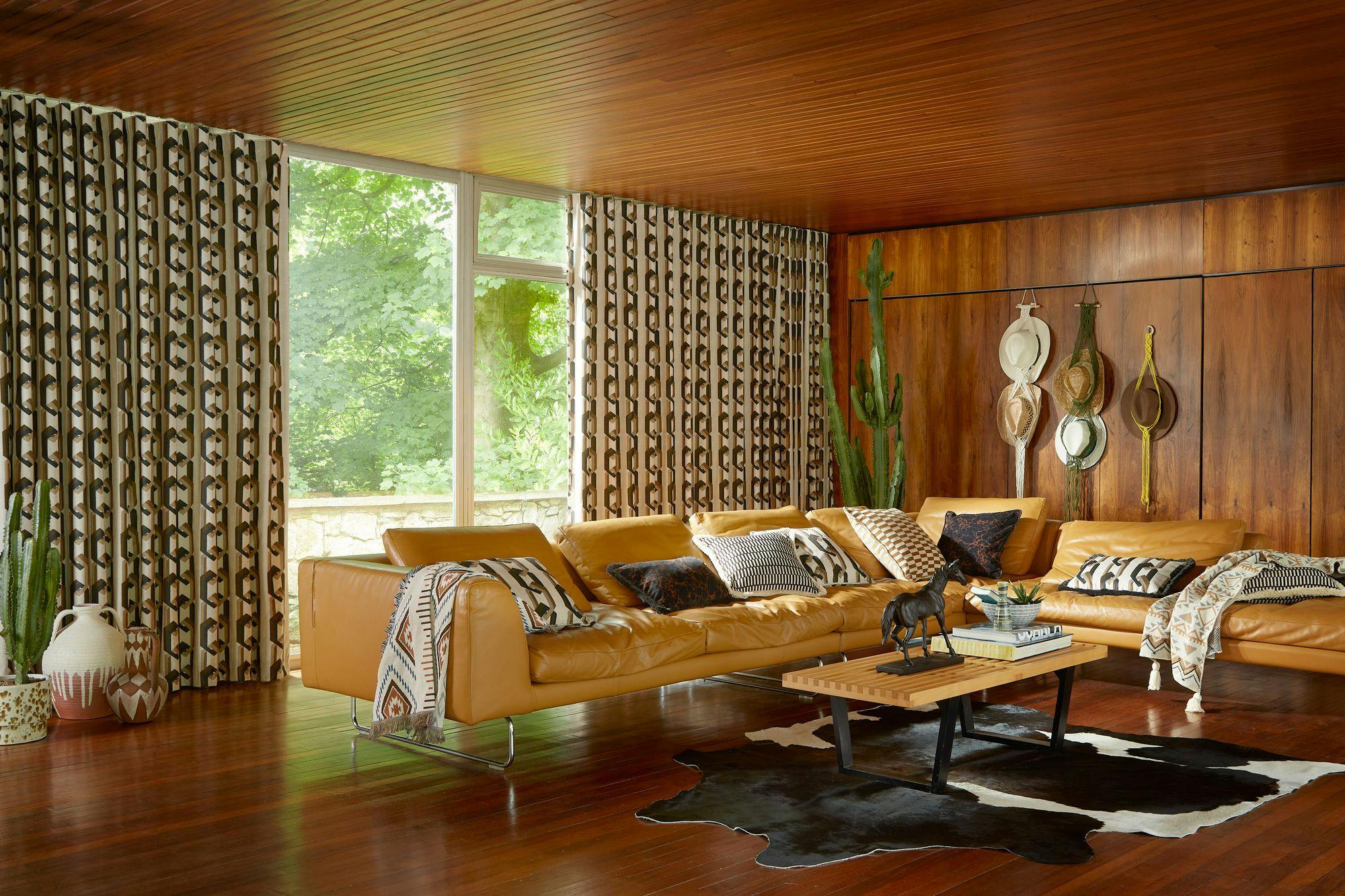
Some styles never truly go out of fashion. The retro revival celebrates the return of much-loved design influences from previous decades, reimagined for modern homes. Whether you’re drawn to the nostalgic charm of vintage interior design or the playful vibe of 70s and 90s-inspired retro pieces, combining the two is a great way to introduce personality to your space.
Rather than focusing on a single era, it’s about mixing influences, blending bold colours, patterns and statement pieces to create a home that feels stylish and unique, bringing the essence of modern vintage style interior design to life.
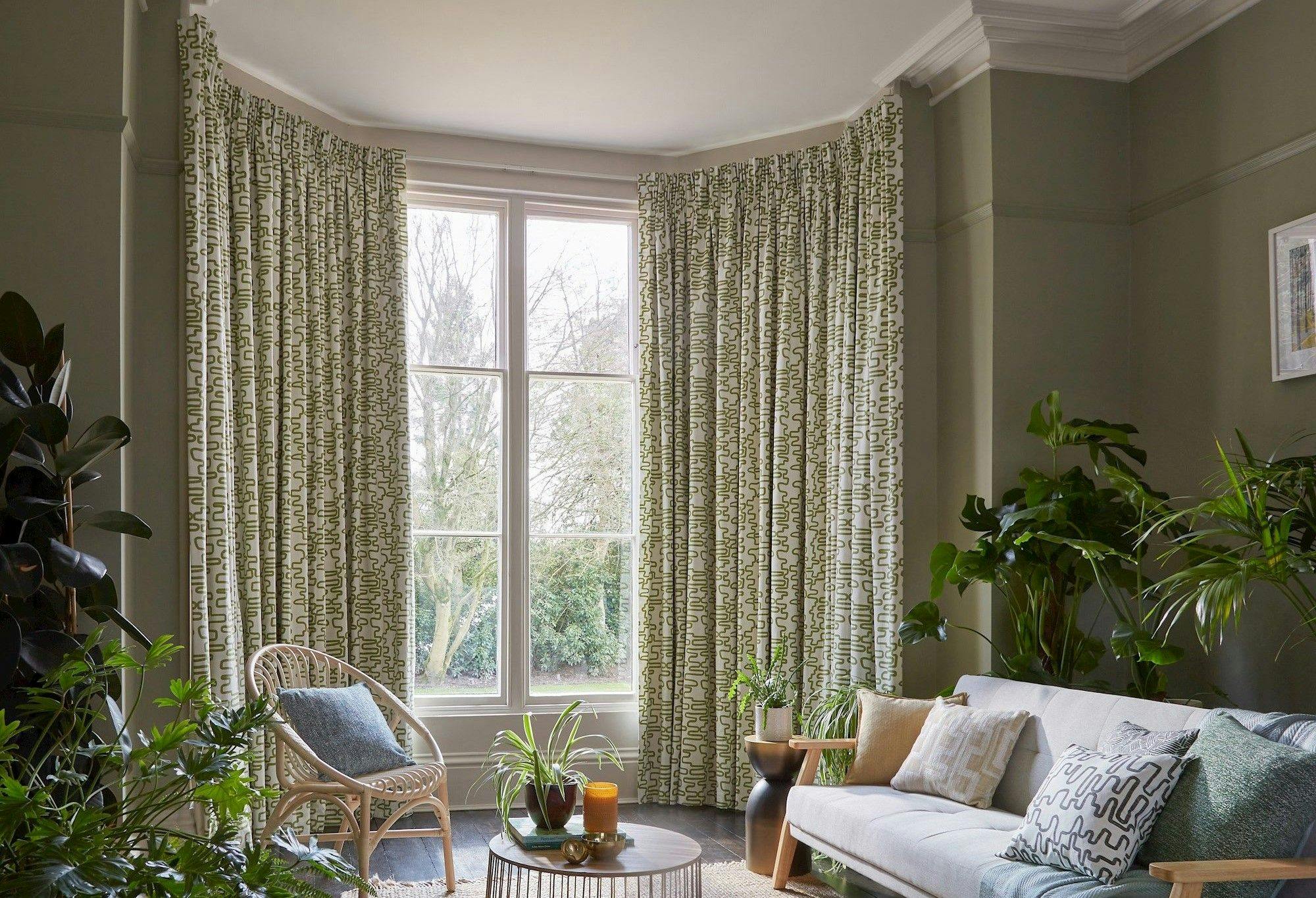
Nostalgia plays a big role in the return of retro interior design, with familiar colours, shapes and materials creating a sense of comfort and emotional connection. At the same time, there’s been a shift away from ultra-minimal interiors, as people look to create homes that feel warmer and more characterful.
Sustainability is also influencing how we decorate, with a growing interest in reusing, upcycling and investing in long-lasting pieces rather than buying new. Above all, retro and vintage styles offer a chance to express individuality, helping to create spaces that feel personal, creative and full of story.
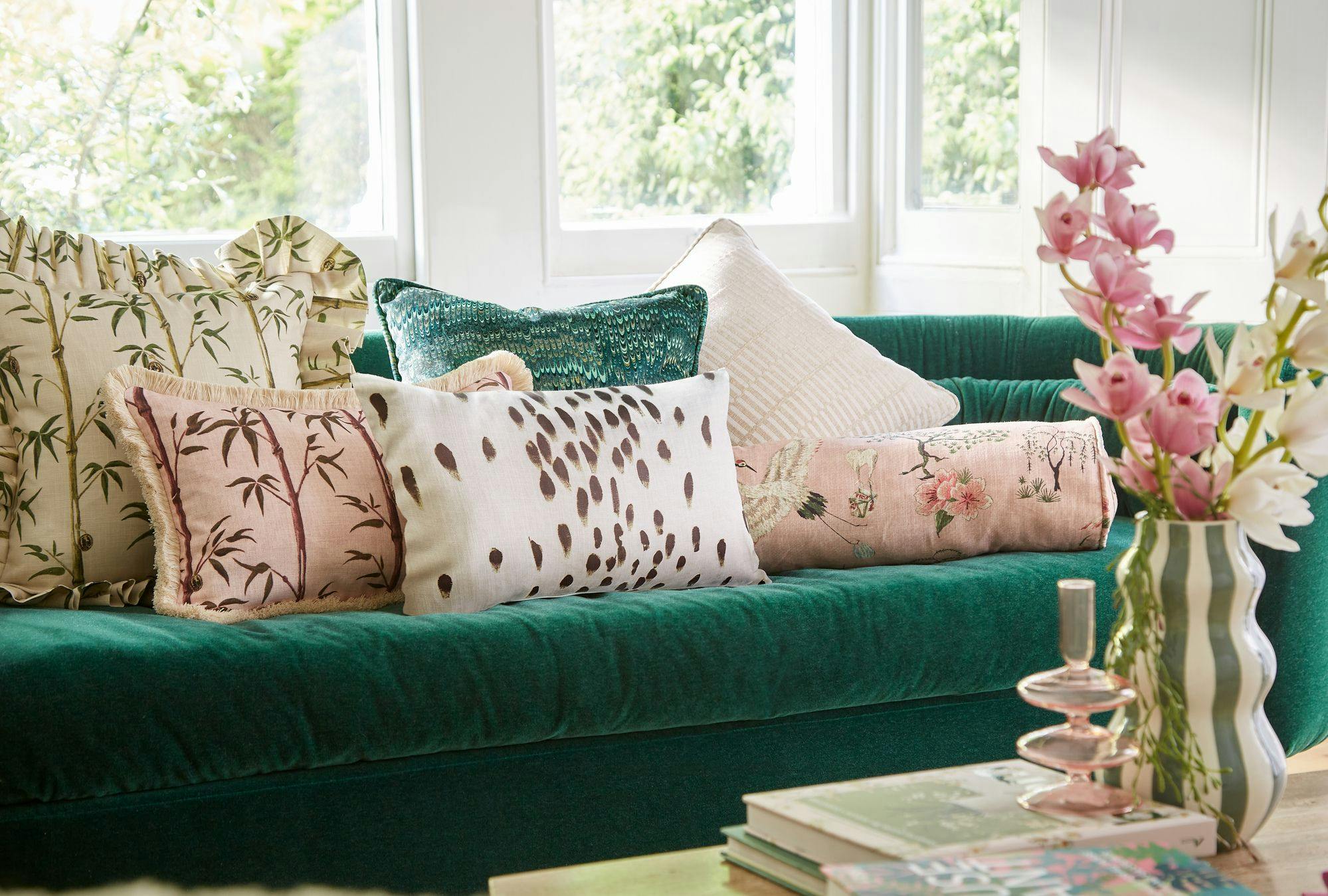
An easy way to introduce retro or vintage style is to start with a standout piece of furniture. A bold armchair, vintage cabinet or mid-century sideboard can instantly set the tone for a room and act as a natural focal point.
Look for details that add interest like curved shapes, rich textures or quality craftsmanship. Mixing these character pieces with more contemporary furniture helps create a balanced look that feels current while still embracing the charm of the past.
“Hunt for heroes, not just pieces, and don’t settle for generic! Hero pieces bring character, becoming the perfect conversation starters that add soul to your space.”
Soozi Danson, Interior stylist and blogger
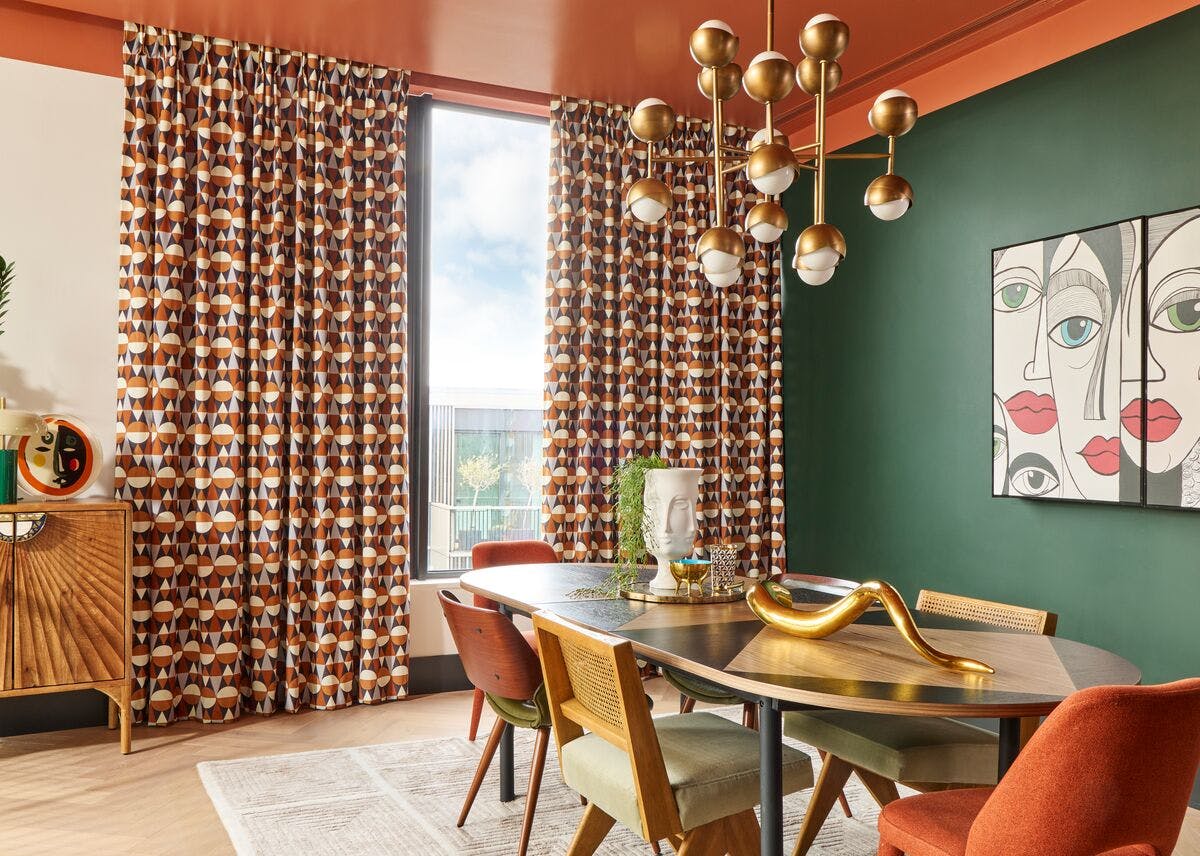
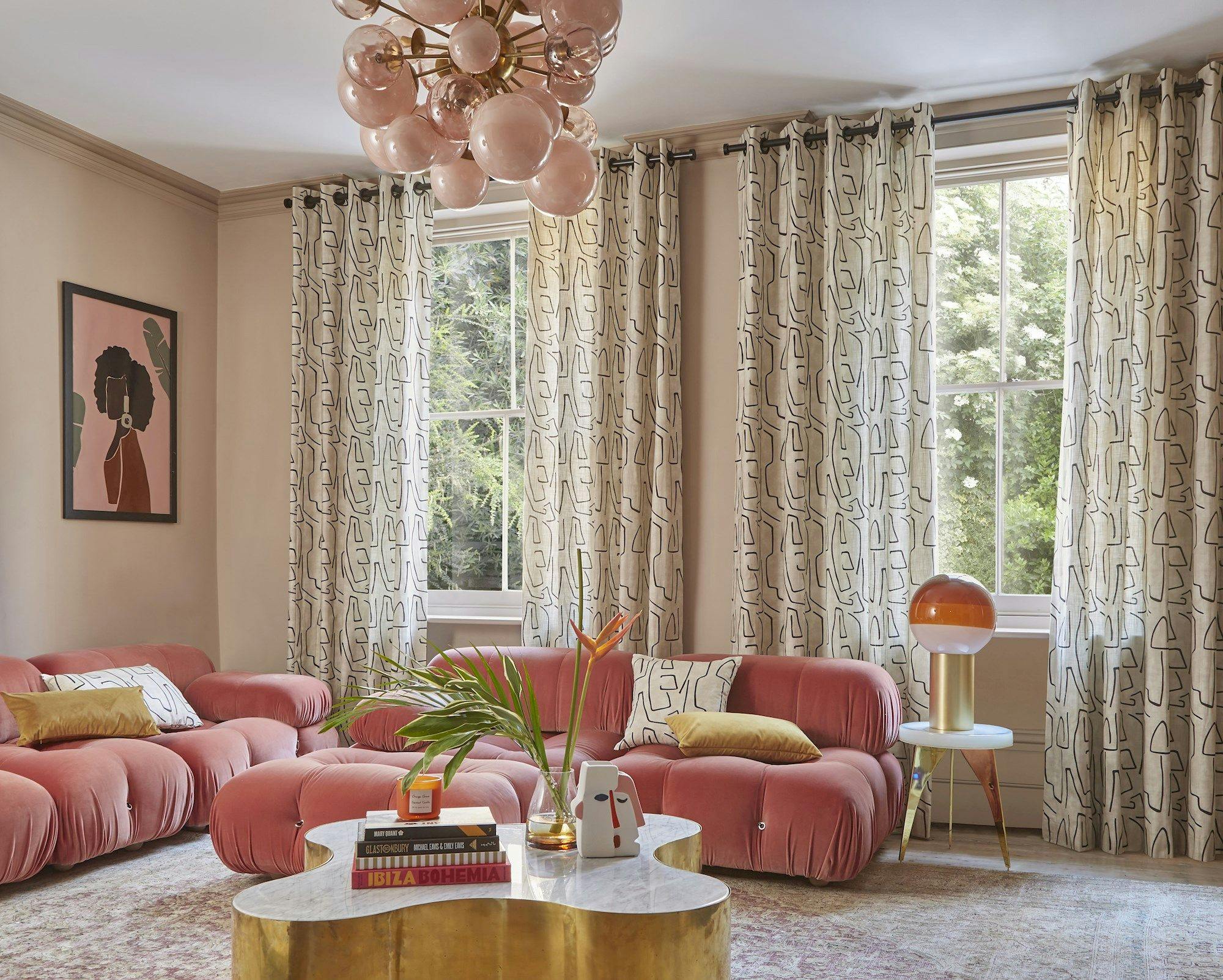
Colour and pattern are central to both retro and vintage interiors, offering a simple way to bring energy and depth into your space. Retro palettes tend to feature warm, bold tones, while vintage styles often lean towards softer hues and delicate florals.
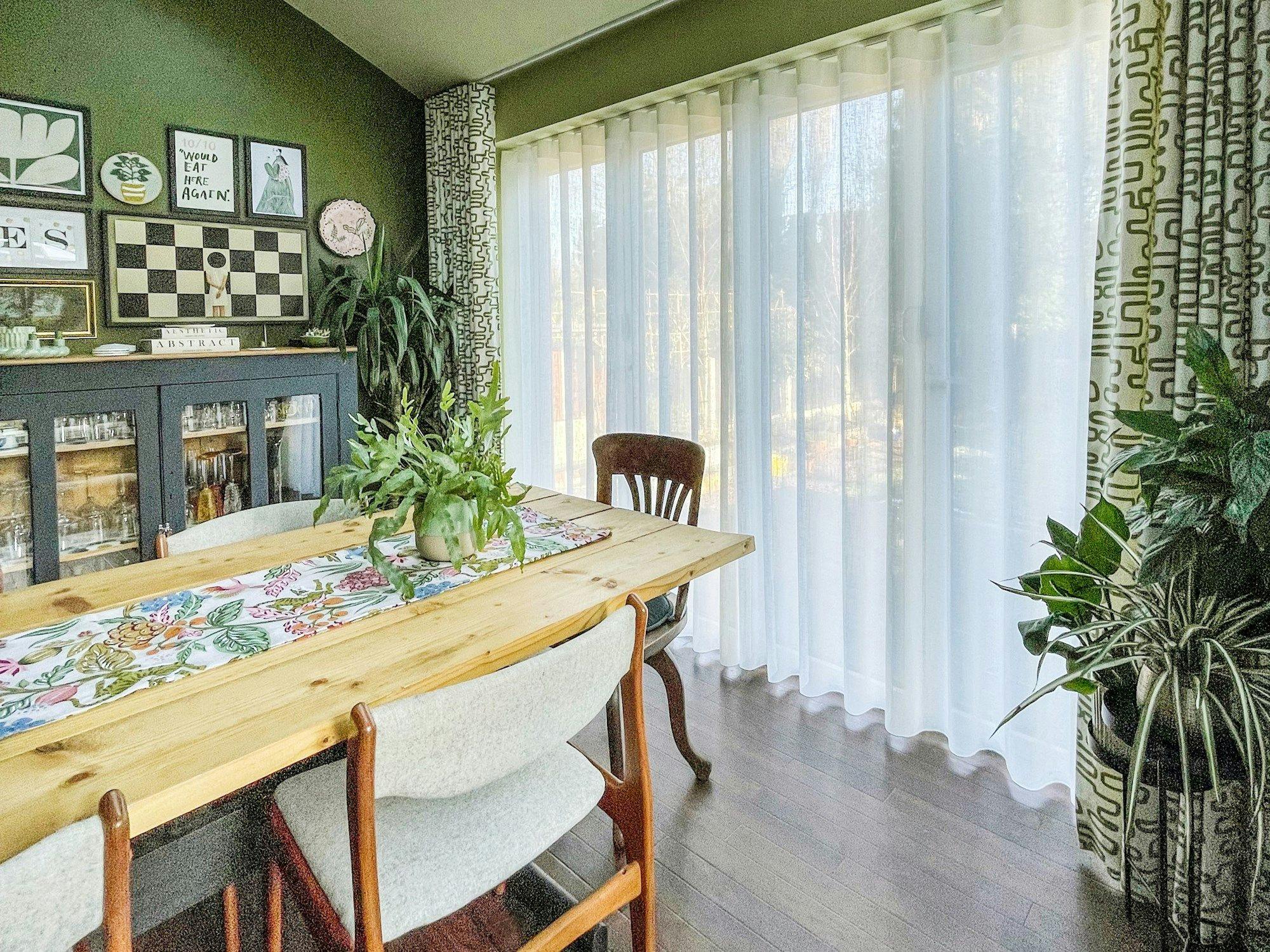
You don’t need to transform your entire room to make an impact; adding visual interest through geometric or patterned curtains, wallpaper and cushions, is an easy way to experiment. For a playful feel, window dressings in richer shades like orange or teal can add warmth to your space.
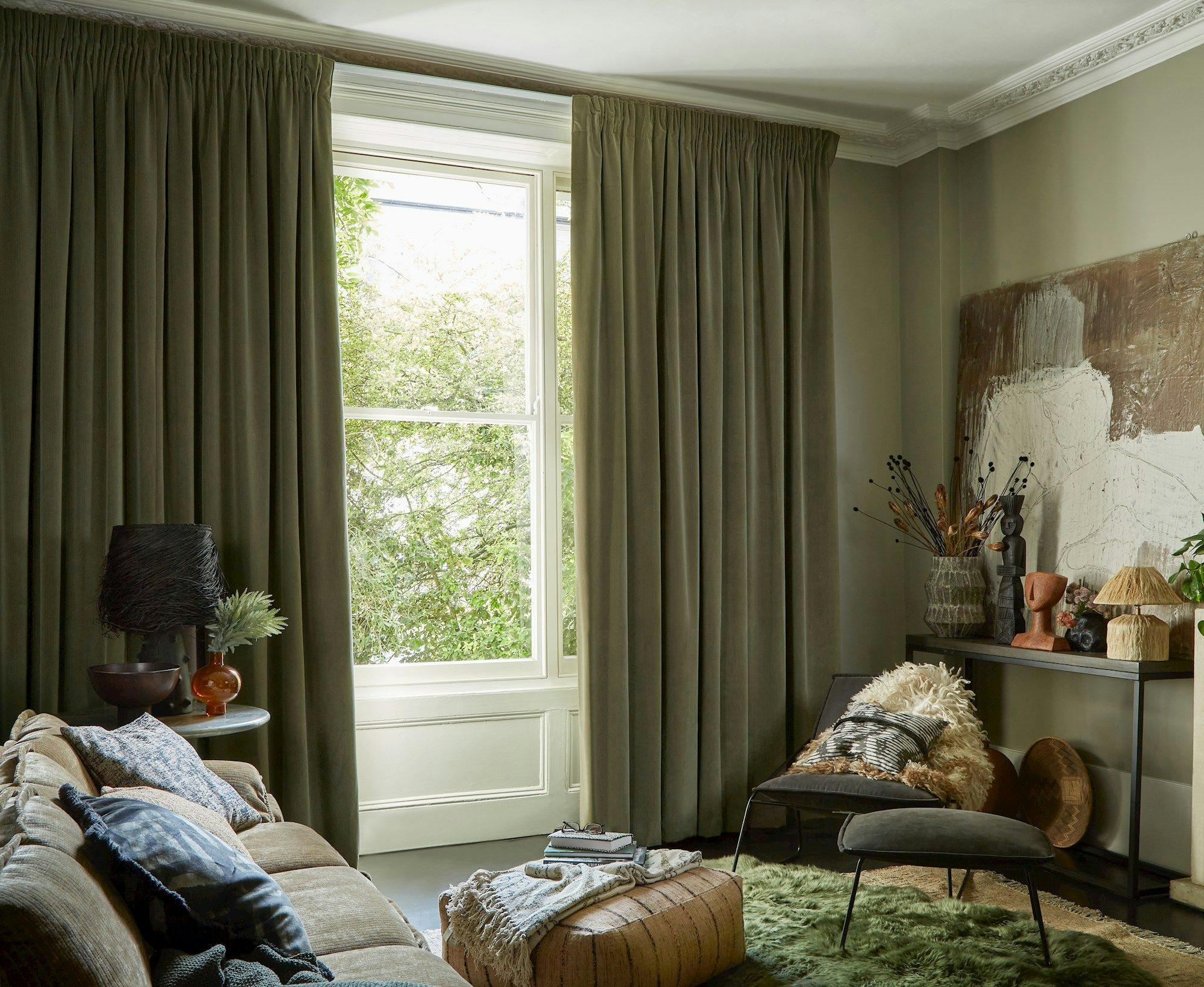
Layering different textures is key to creating a space that feels inviting and lived in. Combining materials such as velvet, wood, rattan and linen adds depth and interest, helping to soften the clean lines often found in modern homes. Vintage style thrives on contrast, so mixing eras and finishes can create a more dynamic look.
Adding tactile elements like soft throws, textured cushions, cord fabrics or deep-pile rugs introduces warmth and a nod to retro design, helping to create a cohesive feel that ties vintage and modern elements together.
“Corduroy has made a welcome back and it is a timeless classic settling back in to our homes, while velvet puts the va va voom into fabrics through its sumptuous look and feel.”
Abigail Ahern, Interior designer
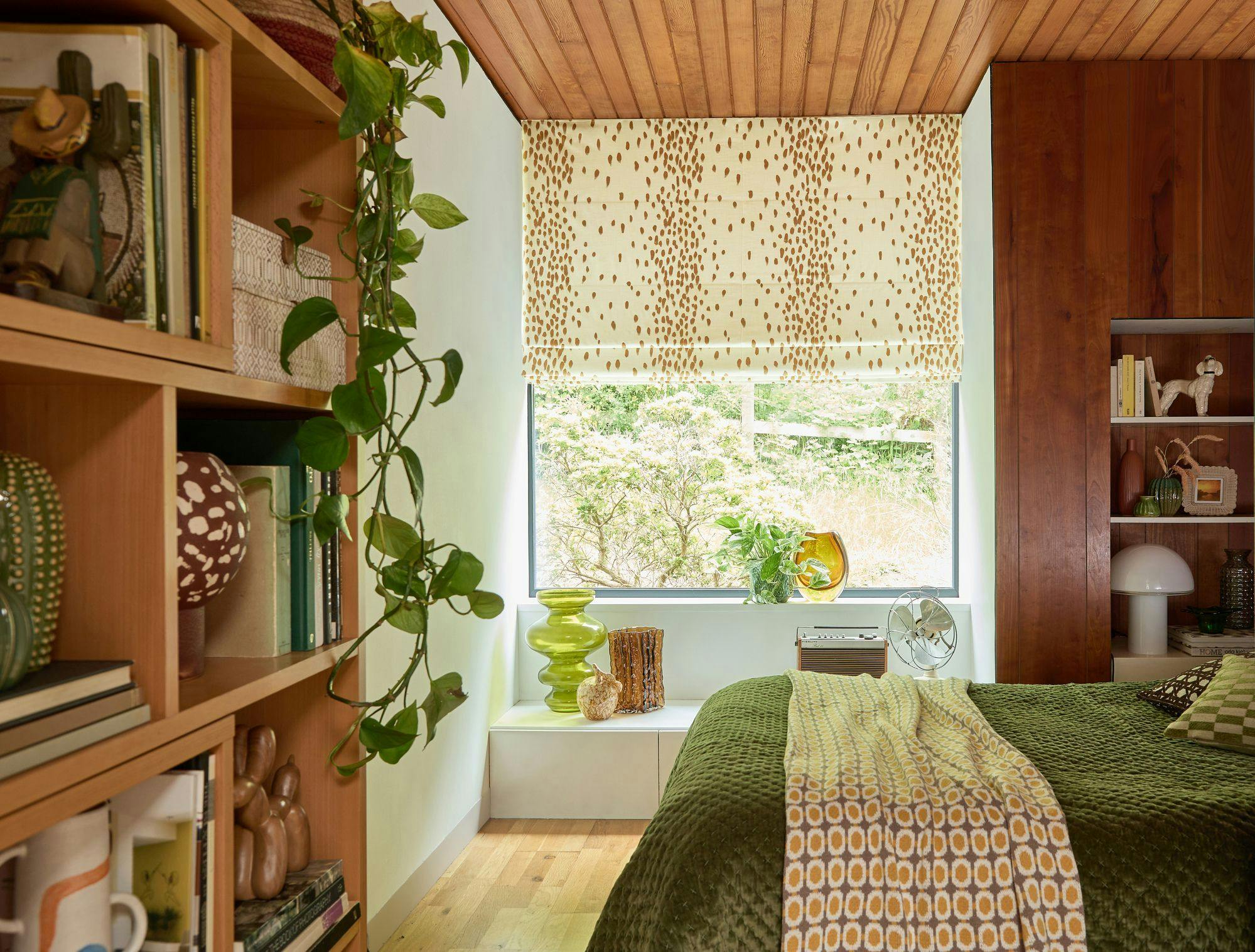
Accessories are where your personality can really shine. Vintage-style lighting, decorative mirrors and artwork all help to create a space that feels curated. Choosing pieces that feel meaningful and have a sense of history will add depth and authenticity; while drawing on a mix of past and present can create an eclectic look.
It’s best to avoid overfilling your space. Instead focus on a few carefully chosen pieces that stand out and tell their own story.
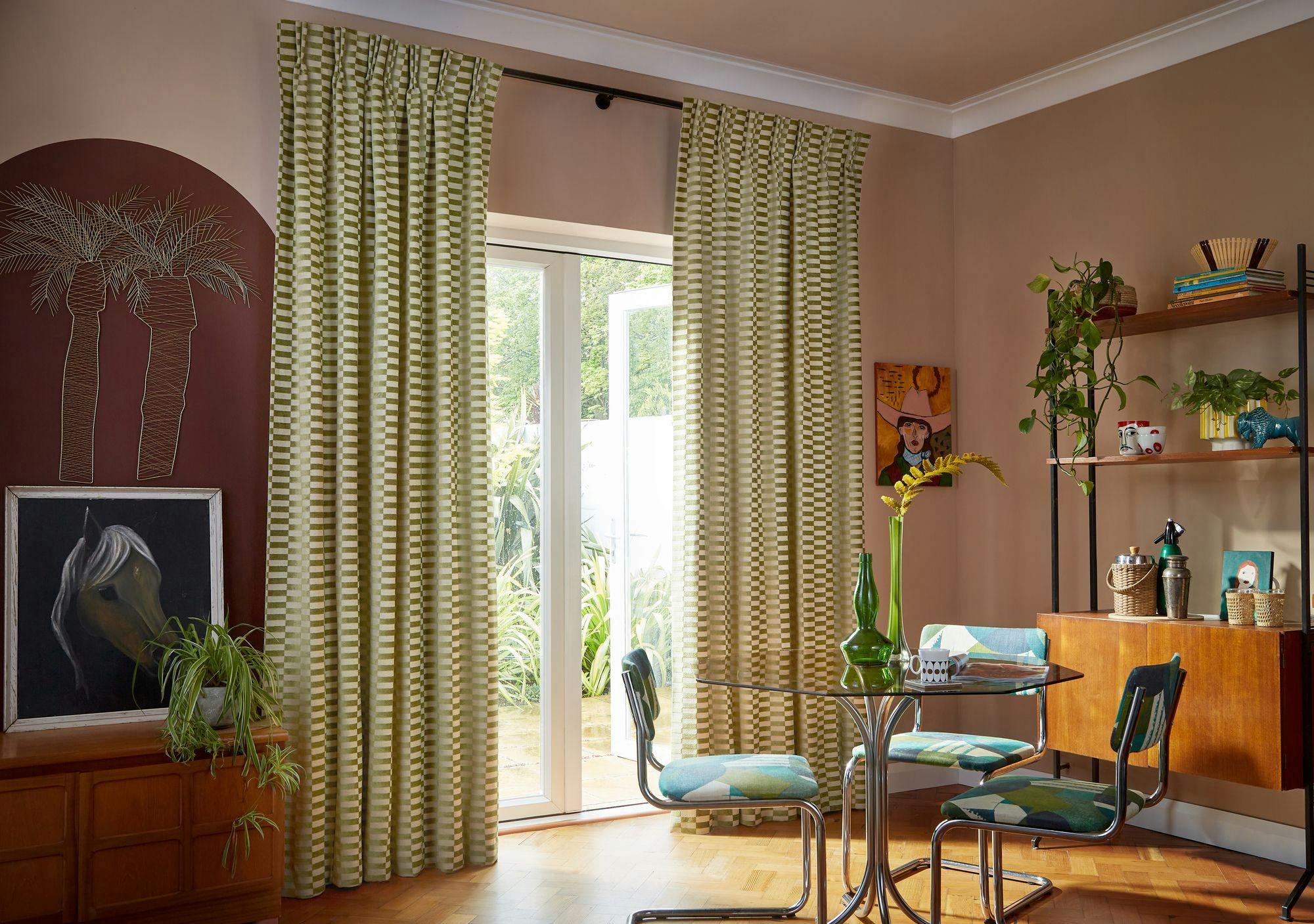
Retro and vintage interiors are all about creativity, so don’t be afraid to experiment. Layering different decades, styles and textures can lead to unexpected combinations that feel personal.
Building your look over time allows you to refine your style as you go, rather than committing to everything at once. Often, the most interesting spaces come together when you embrace the unexpected and let your home reflect your unique personality and style.
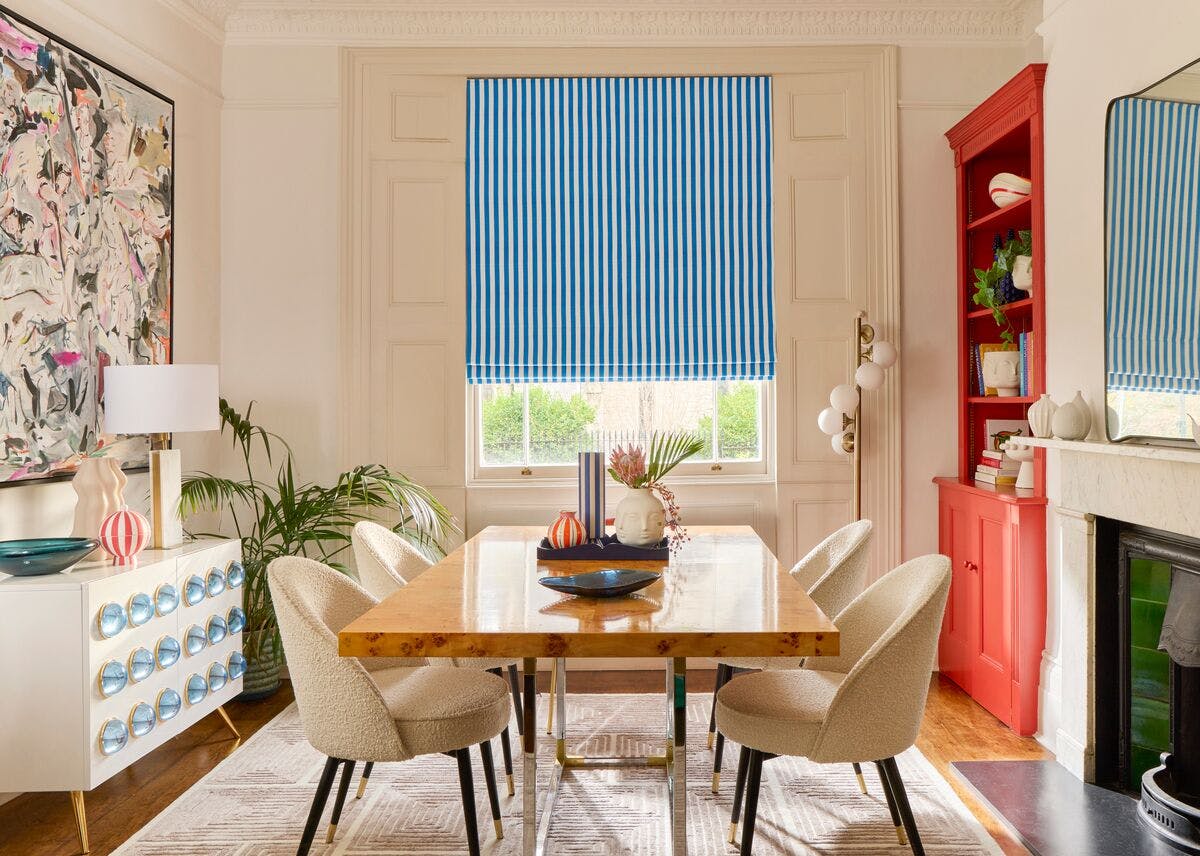
Creating a retro or vintage-inspired home doesn’t have to be overwhelming.
By blending elements of retro interior design with carefully chosen vintage touches, you can create a home that feels stylish, characterful and uniquely yours.
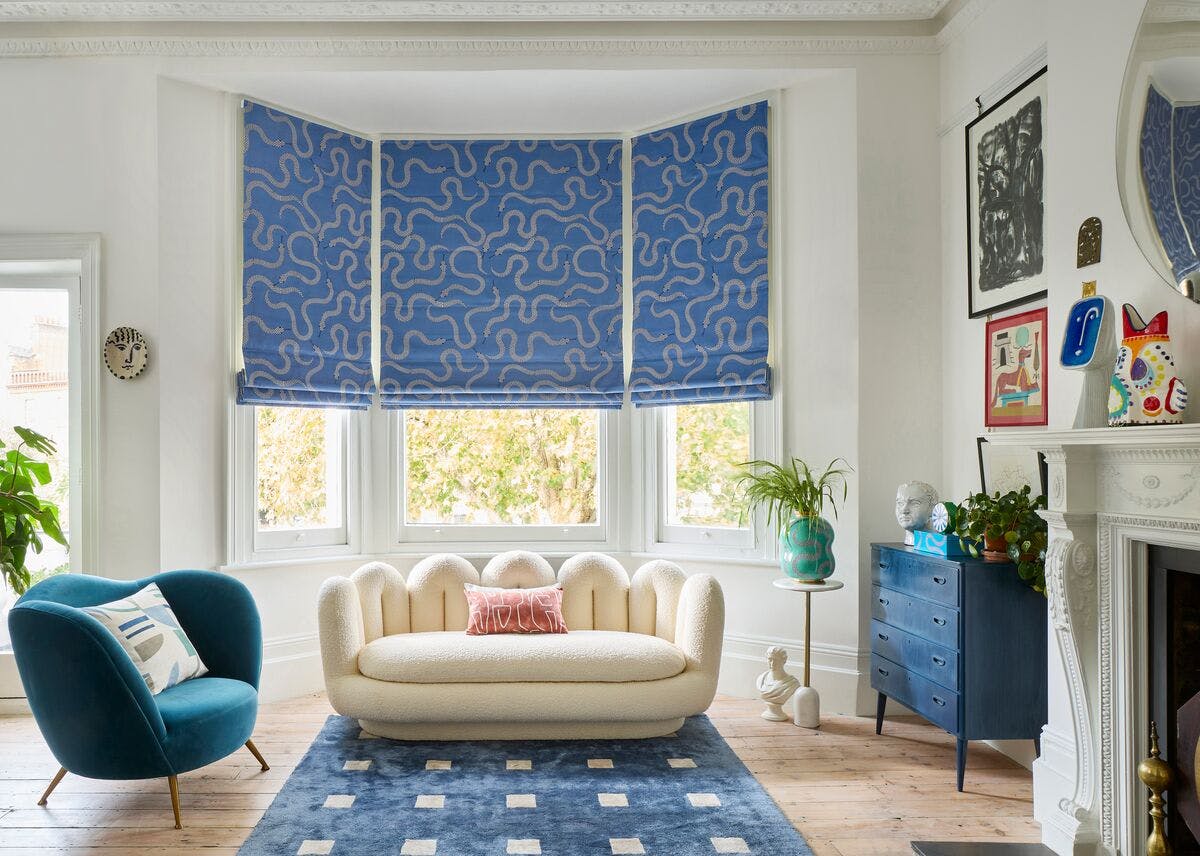
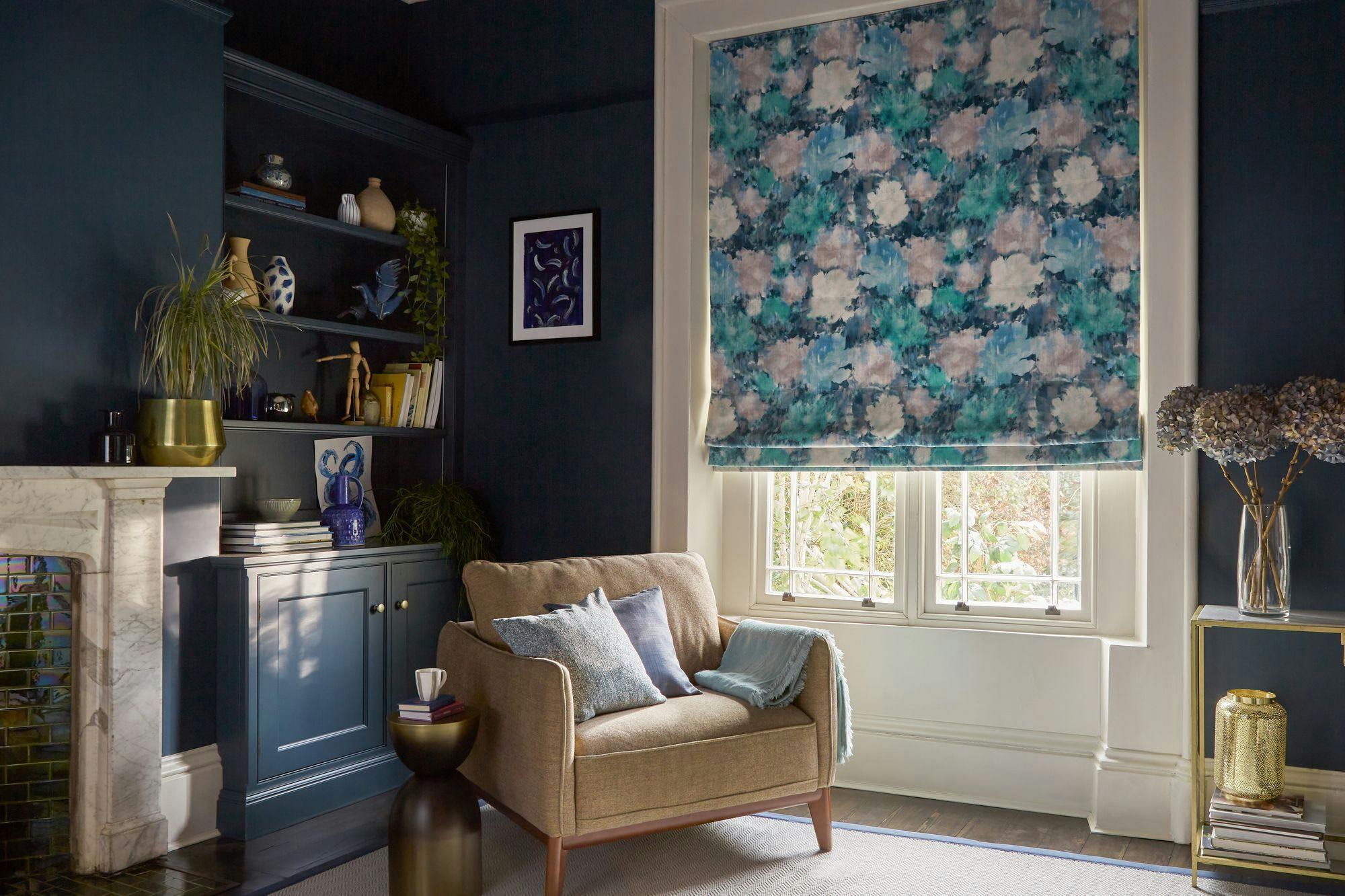
Enter your email address to receive updates on our latest collections, trends and exclusive offers.

40 years of local service

Rated Excellent

Advisors local to you

2 year quality guarantee