



Request an appointment
  • Price Promise

  • Rated Excellent

  • Fully Guaranteed

  • Over 40 years of value

Hillarys homepage1800 882 9171800 882 917Request a brochureRequest an appointment
Request an appointment

7 ways to introduce 70s interior design trends into your home

Victoria Robinson product manager Author Victoria RobinsonProduct ManagerUpdated 18/06/2026
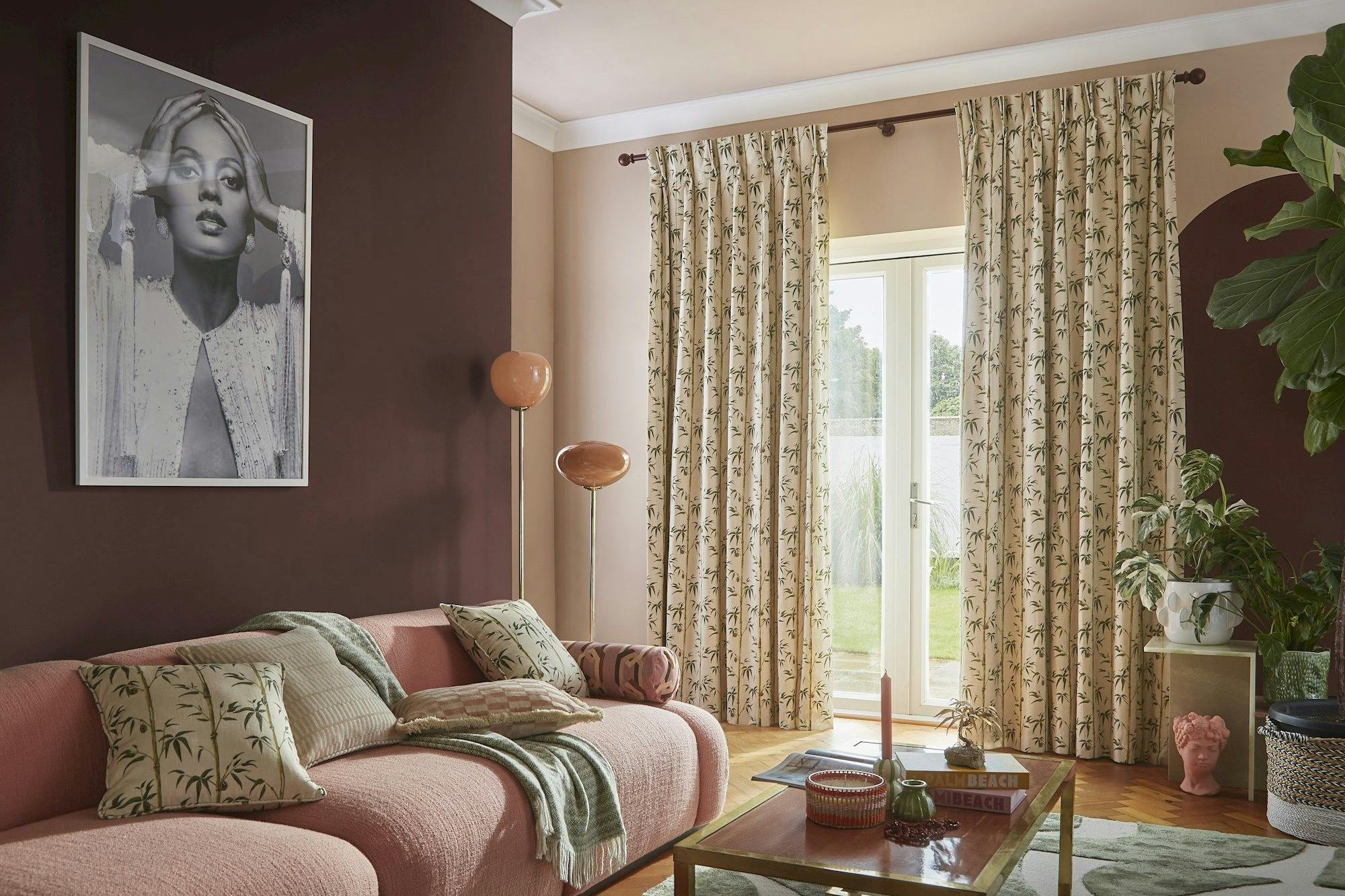
A cozy living room features a pink sofa with patterned cushions and a blanket. A large monochrome portrait hangs on a dark wall. Nearby, floor-length patterned curtains frame a glass door with a garden view. A wooden coffee table displays books and decor. Houseplants add greenery.

Certain design elements stand the test of time, and 70s style is no exception. Defined by warm tones, natural textures and expressive patterns, it brings both character and comfort to modern interiors. Rather than going fully retro, it’s about weaving these elements into your space in a contemporary way. 

From colour and texture to pattern-led details, here are seven ways to introduce 70s style into your home. 
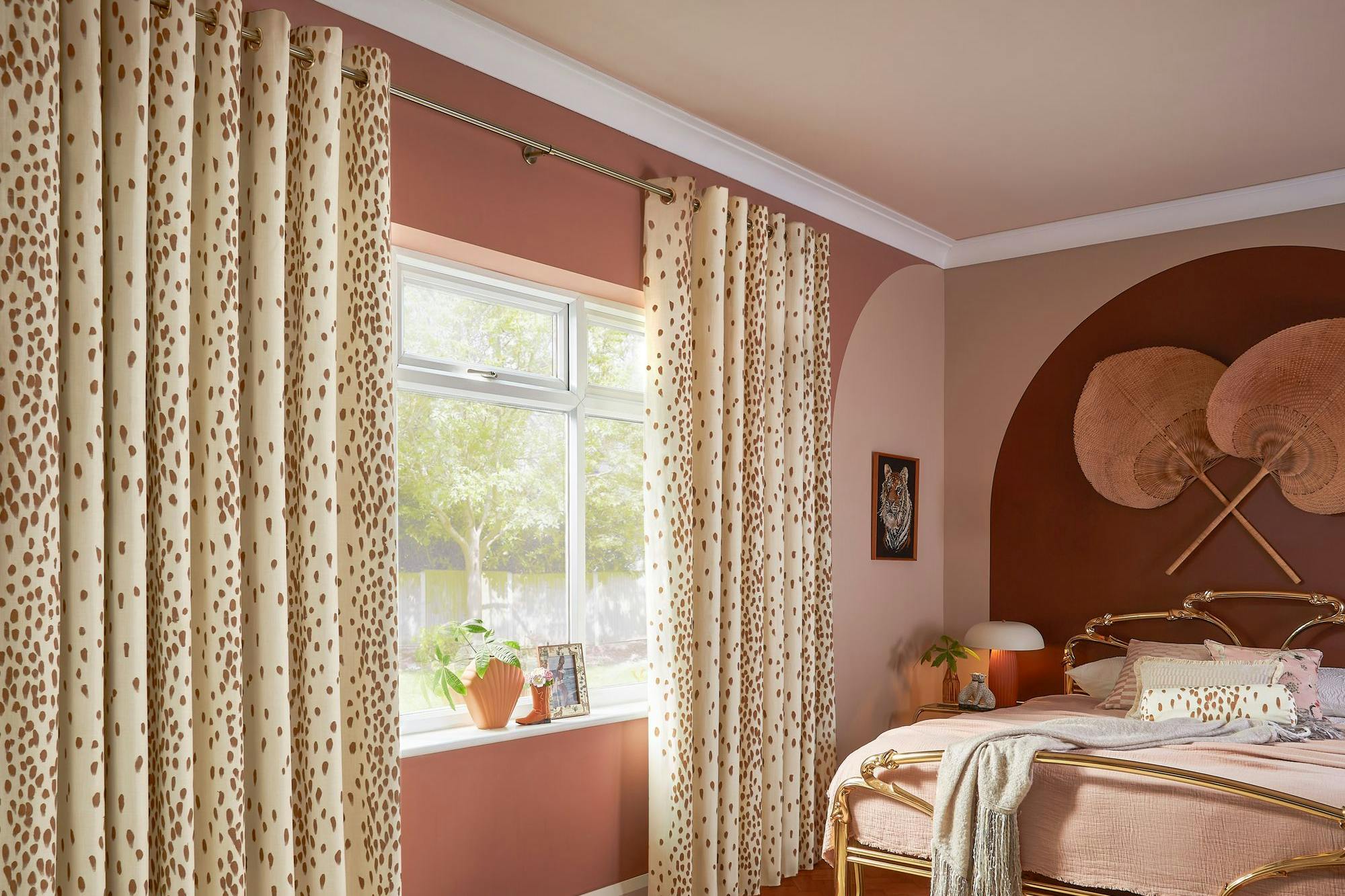
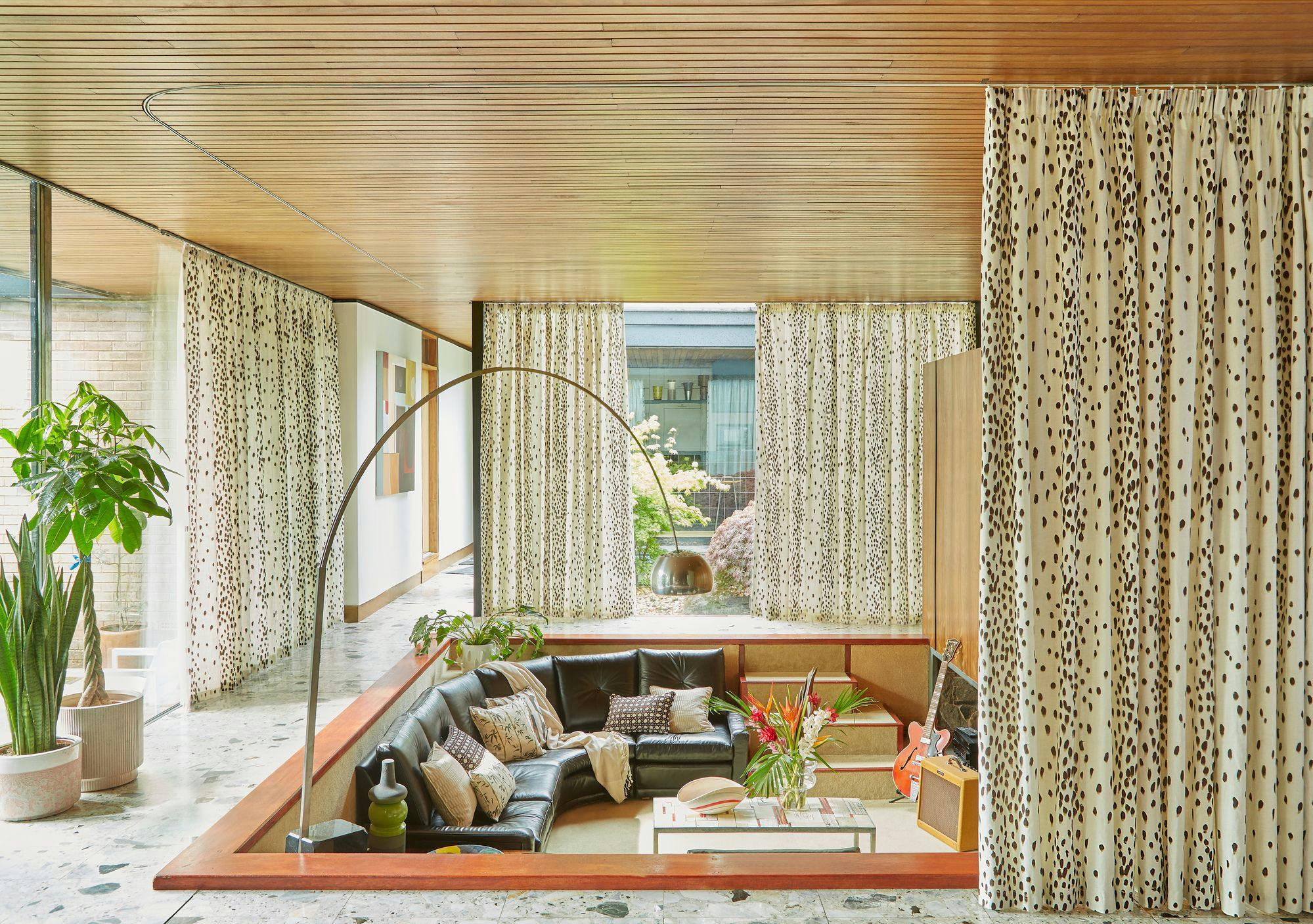
Poodle & Blonde Eyelet Curtain Dalmatian Curtains in the Bedroom

1. Warm, earthy colour palettes

The 70s was the era of warm, earthy tones - think burnt orange, rustic brown and rich terracotta. Designed to create a cosy, grounded feel, colours were often layered together in one space, building depth and warmth through a harmonious mix of complementary shades rather than stark contrasts. 

Window dressings are an effective way to introduce this palette. These curtains from our collection with Poodle & Blonde combine a playful pattern with warm, neutral tones, drawing on the brand’s signature retro inspired designs. Incorporating warmer tones on walls alongside textiles such as bedding and cushions helps to build a cohesive scheme, while layering colour and texture creates depth and balance that feels both contemporary and rooted in the richness of 70s design. 

  • “There’s so much fun to be had from introducing a retro vibe into your home.” 

    Bo Fentum, Interior designer and architect

Lindora Pesto Curtains in the Living Room

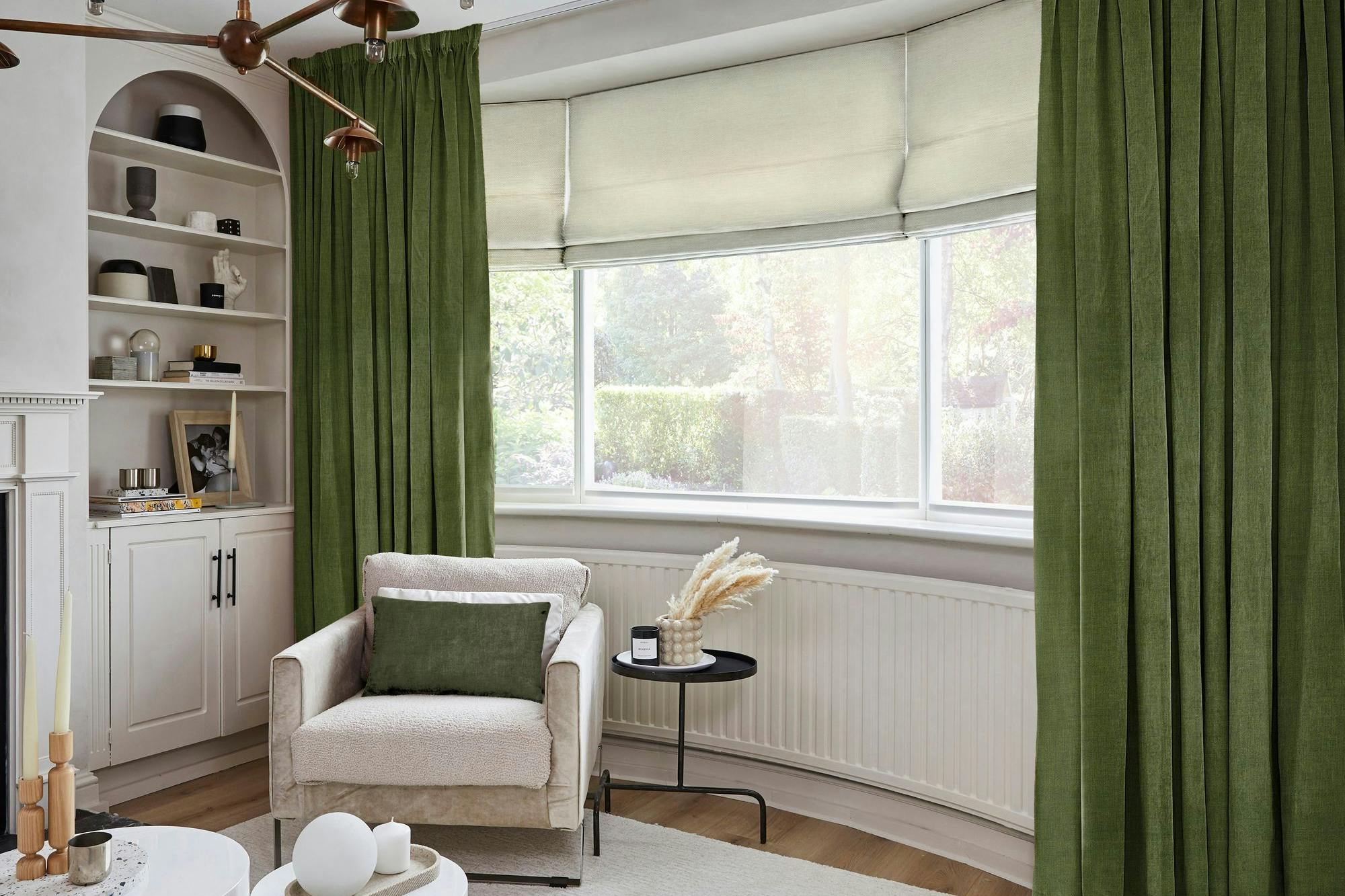
2. Strong connection to nature

Bringing the outdoors in was a major theme, with a focus on bridging the gap between indoor spaces and the natural world. Earthy colours, organic materials and houseplants were used to create calming, grounded interiors that felt closely connected to nature. 

To channel the look, combine natural tones with soft light-enhancing features. These rich green curtains echo the colours of the garden outside, while the neutral Roman blind softens the space. A simple arrangement of dried plants and organic textures further reinforces the connection to nature, while materials such as wood, rattan or bamboo keep the scheme feeling warm and inviting. By layering natural colours and materials, you can create a space that feels fresh, balanced and in tune with the outdoors. 

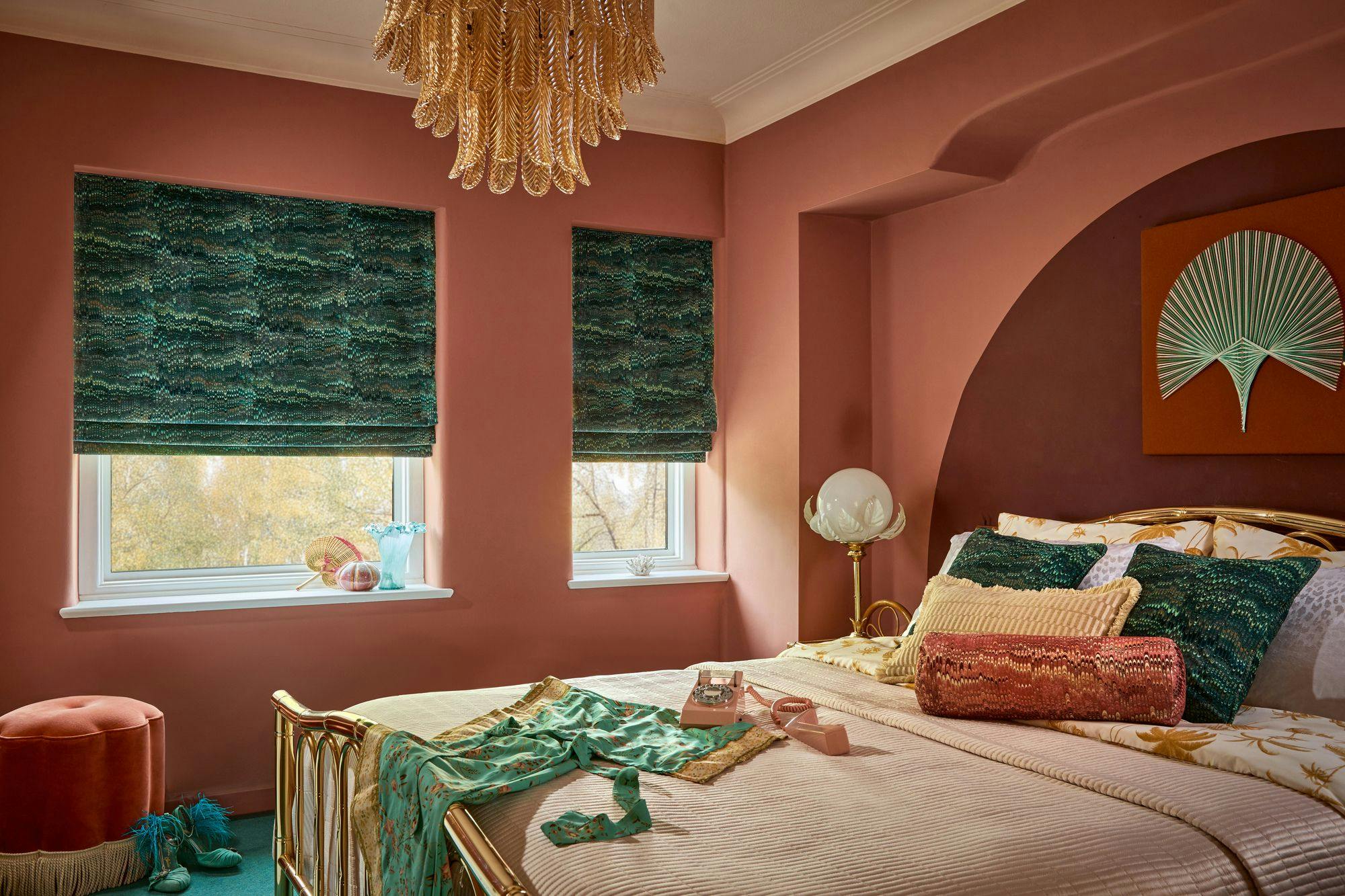
Bedroom with a gold bed adorned with patterned cushions and a vintage phone, draped fabric suggesting relaxation, under a sculptural chandelier. Windows with green blinds frame autumn foliage.

3. Rich texture and layering

Texture was central to 70s interior design, helping to create that relaxed, “lived-in” feel. Rather than relying on a single finish, spaces layered multiple materials, from soft textiles and upholstery to natural fibres and smooth surfaces, to build depth, tactility and comfort throughout the home. 

Start with a warm, tonal base and build interest through soft furnishings and window dressings. These 1970 Oceano Roman blinds from our Poodle & Blonde collection feature a flowing pattern, introducing movement and visual texture. Layered bedding, including throws and cushions in varying fabrics add comfort and depth, while tonal colour palettes keep schemes feeling cohesive. This layered look reflects the essence of 70s design while creating a balanced space that feels stylish and comfortable. 

  • “Opt for lots of lamps and texture like shag rugs to set the scene! And bring in fabrics where you can - a cushion, a throw or better still…some fabulous curtains!” 

    Bo Fentum, Interior Designer and architect

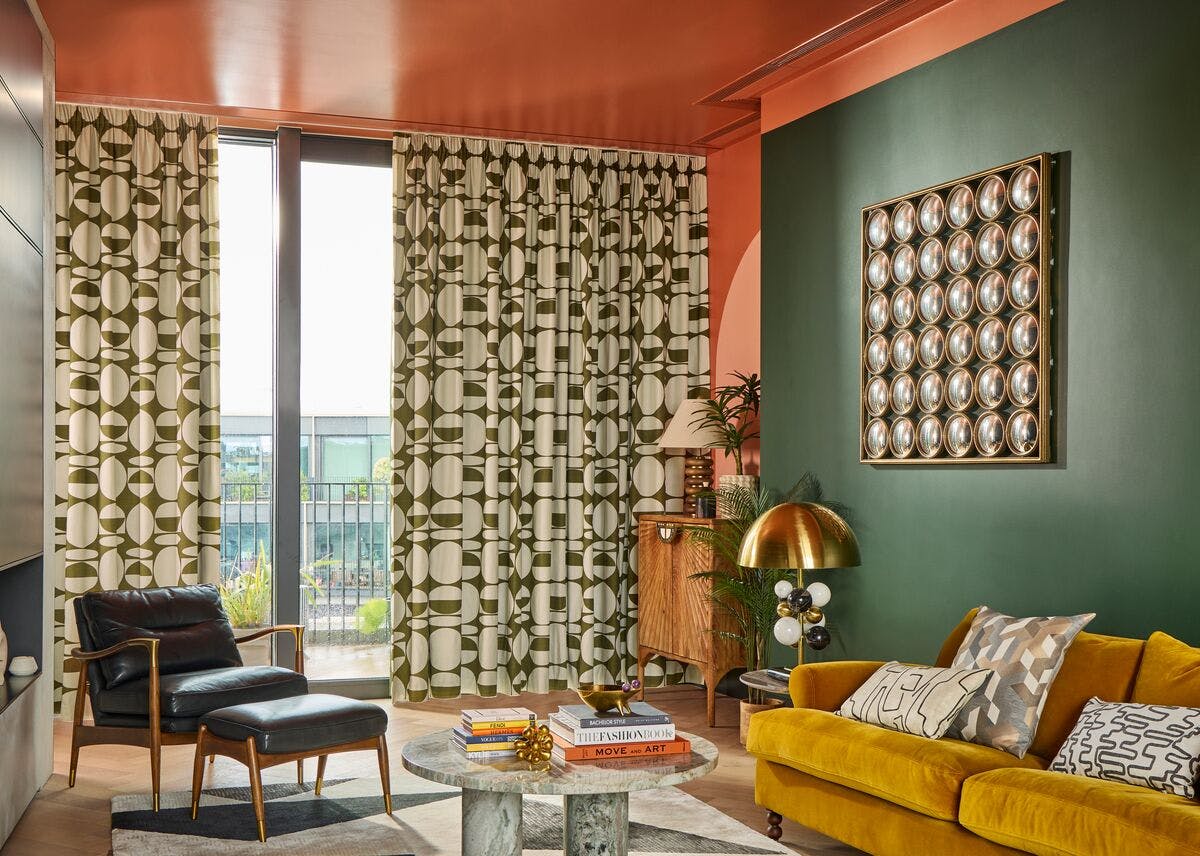
Stylish living room with green patterned curtains, mustard sofa, dark green wall, and mid‑century furniture beneath a coral ceiling.

4. Bold patterns and prints

Bold, large-scale patterns were a defining feature of the 1970s, bringing personality into every corner of the home. Geometric shapes, abstract prints and oversized florals were used across walls, bedding and furniture, often layered together for an expressive look.  

Window dressings are the perfect starting point, when it comes to pattern. These curtains from our exclusive Jonathan Adler collection feature a repeating geometric design in muted tones, adding visual interest while feeling balanced against the rich green wall and warm orange ceiling. For a cohesive scheme, pick out one or two colours from your chosen pattern and echo them through cushions, throws or smaller accessories. 

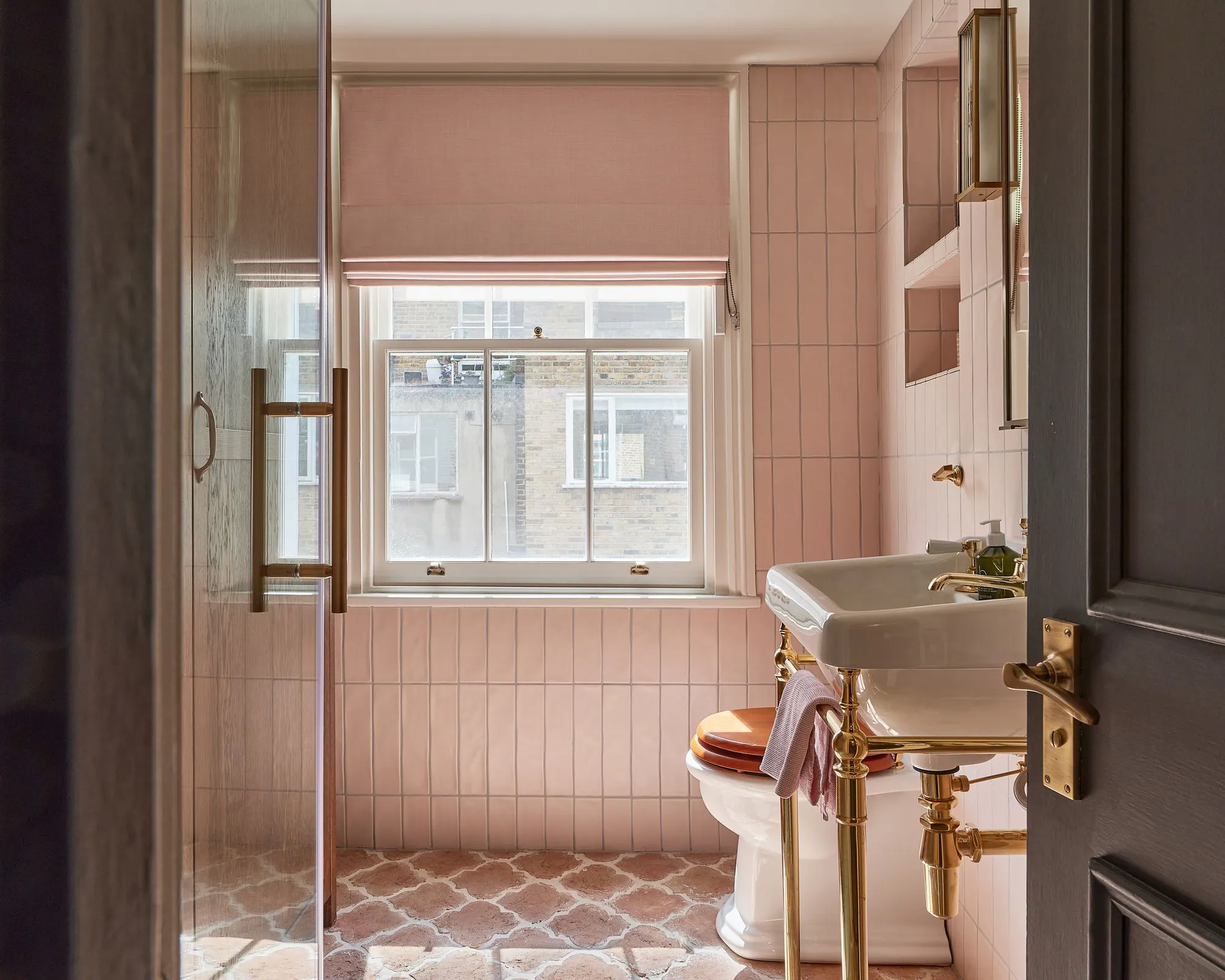
Clodagh Mckenna Clarence Chemise Roman Blinds In the Bathroom

5. Colourful bathrooms and kitchens

Unlike today’s neutral spaces, 1970s interior design embraced a bold, expressive aesthetic. The decade favoured a “more is more” approach, where kitchens and bathrooms became high-impact spaces filled with colour and personality.  

Blush-toned wall tiles wrap the room, creating a soft yet impactful backdrop, while the coordinating Roman blind reinforces the palette. Details like brass fixtures introduce contrast and character, while keeping the overall look up to date. Limiting your scheme to one or two key shades helps maintain balance, while coloured tiles, laminate surfaces and window dressings can be used to add interest and soften the overall look. This approach captures the playful spirit of 70s design while ensuring the space feels fresh. 

  • “Colour not only influences your mood and mindset, but it also helps add personality and character to a space.”  

    Gemma Gear, TV Art Director, design producer and interior stylist

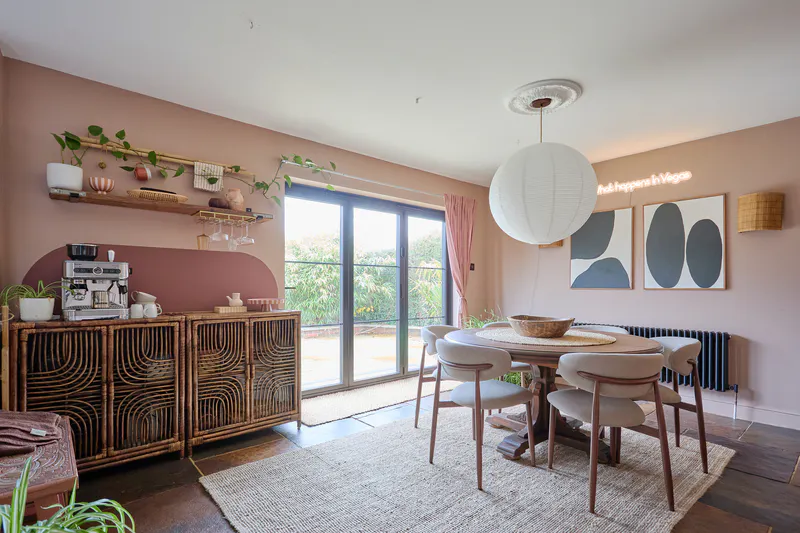
Dining space featuring wide glass patio doors framed by soft pink curtains, opening the room to garden light and greenery.

6. Curved and organic shapes

Like many interior design features, 70s furniture was centred around comfort and ease. The rigid lines of earlier decades softened into rounded sofas and chairs, circular tables and gently curved silhouettes. Arched forms also became increasingly popular in architectural details and décor, from mirrors to doorways, helping to create a more relaxed, flowing atmosphere. 

Focus on incorporating one or two key pieces with softer edges. A round dining table or curved dining chairs can instantly make a space feel more sociable and inviting. You can also echo curved shapes through smaller details, such as arched artwork, circular trays or softly contoured cabinets. The key is to create a sense of balance, pairing organic shapes with clean lines. 

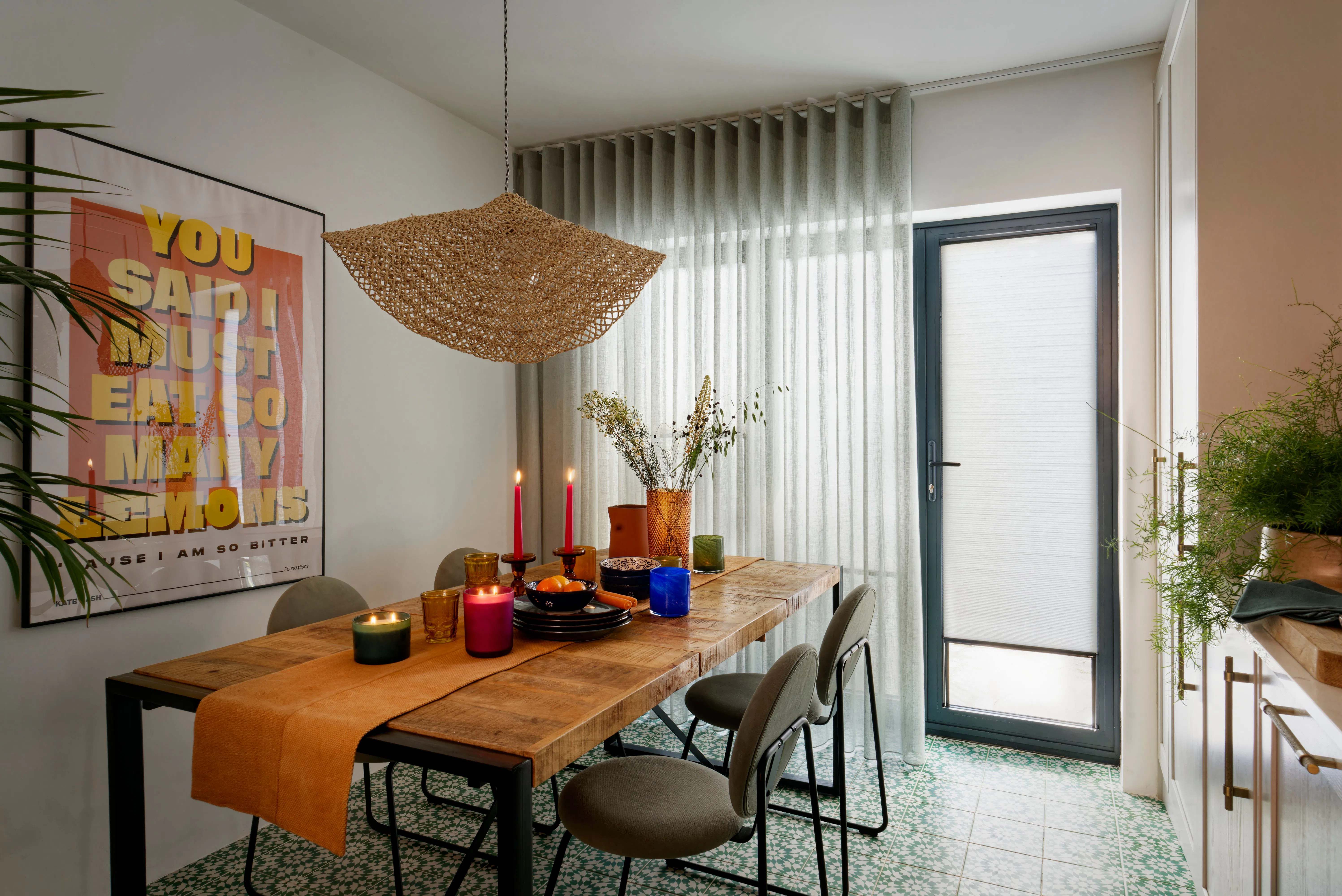
Dining table with candles and dishes, set in a room with sheer curtains and wooden decor. A wall poster reads, "YOU SAID I MUST EAT SO MANY LEMONS CAUSE I AM SO BITTER."

7. Ambient, statement lighting

Lighting in the 70s was all about mood rather than brightness. Instead of relying on a single overhead source, lighting played a decorative role, with sculptural designs such as mushrooms lamps becoming key features. 

Layer multiple light sources to build warmth and depth. Combine table lamps, floor lamps and wall lights, and opt for warm-toned bulbs rather than cool white to soften the space. During the day make the most of natural light by using Voile curtains to create a calm, ambient backdrop. At night, add candles to enhance that relaxed feel. Mixing lighting in this way helps create an inviting space that reflects the essence of 70s design. 

How to bring 70s style into your home

Bringing 70s style into your home is all about balance, blending retro influences with modern living. Introducing warm tones, layered textures and statement details, creates a space that feels inviting and full of character.  

Whether through bold patterns, natural materials or ambient lighting, there are plenty of ways to add a touch of 70s charm to your home. 

Quiz: Which 70s style are you?

Your results

Tip: If your answers are mixed, try combining a couple of these 70s designs - layering them for a look that’s uniquely yours.

There's so much more to see...