Request an appointment
  • Price Promise

  • Rated Excellent

  • Fully Guaranteed

  • Over 40 years of value

Hillarys homepage1800 882 9171800 882 917Request a brochureRequest an appointment

Victorian revival: 10 ways to embrace the Victorian interiors trend

Living in a home that tells its own story has a unique appeal. Our Victorian house still reveals its past through pitch pine floorboards, generous sash windows, and tall ceilings. The era was marked by innovation and industrialisation, which led to surprisingly indulgent architectural details - even in more modest homes. The classic Victorian layout strikes a balance between space and natural light that’s often missing from modern new builds.  If you’re looking to bring some period charm to your own home, here are 10 ways to embrace the Victorian trend.
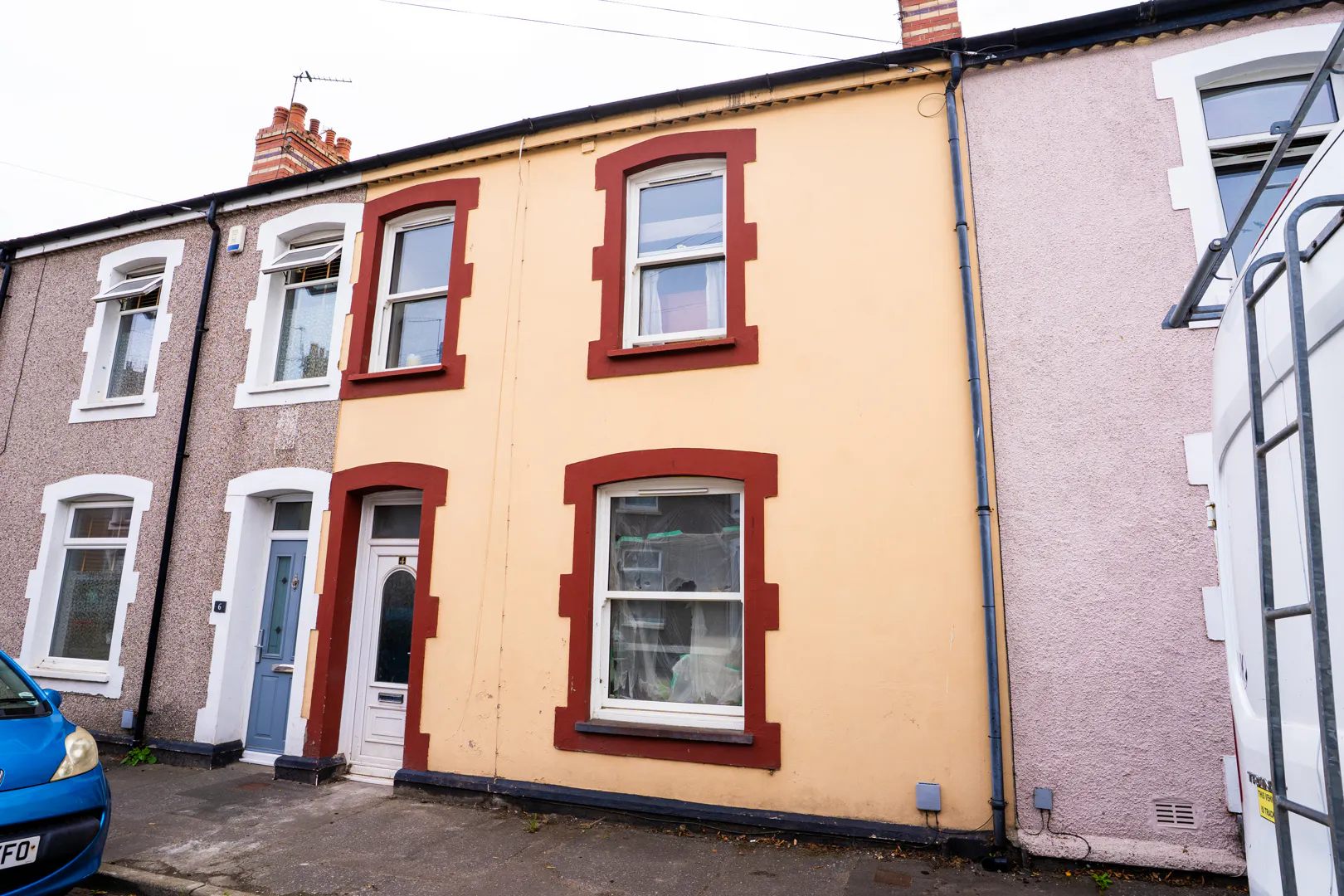
Front of a yellow terraced house with red window frames and a white front door.

1. Reclaim lost character

When we moved into our home, most of the original Victorian features had unfortunately been removed. We’ve taken our time to reinstate some of the old charm, from opening up fireplaces to refinishing the floorboards and adding decorative coving. Reclaimed parquet flooring in the living room and encaustic tiles salvaged from a neighbour’s renovation have added a sense of craftsmanship and history.

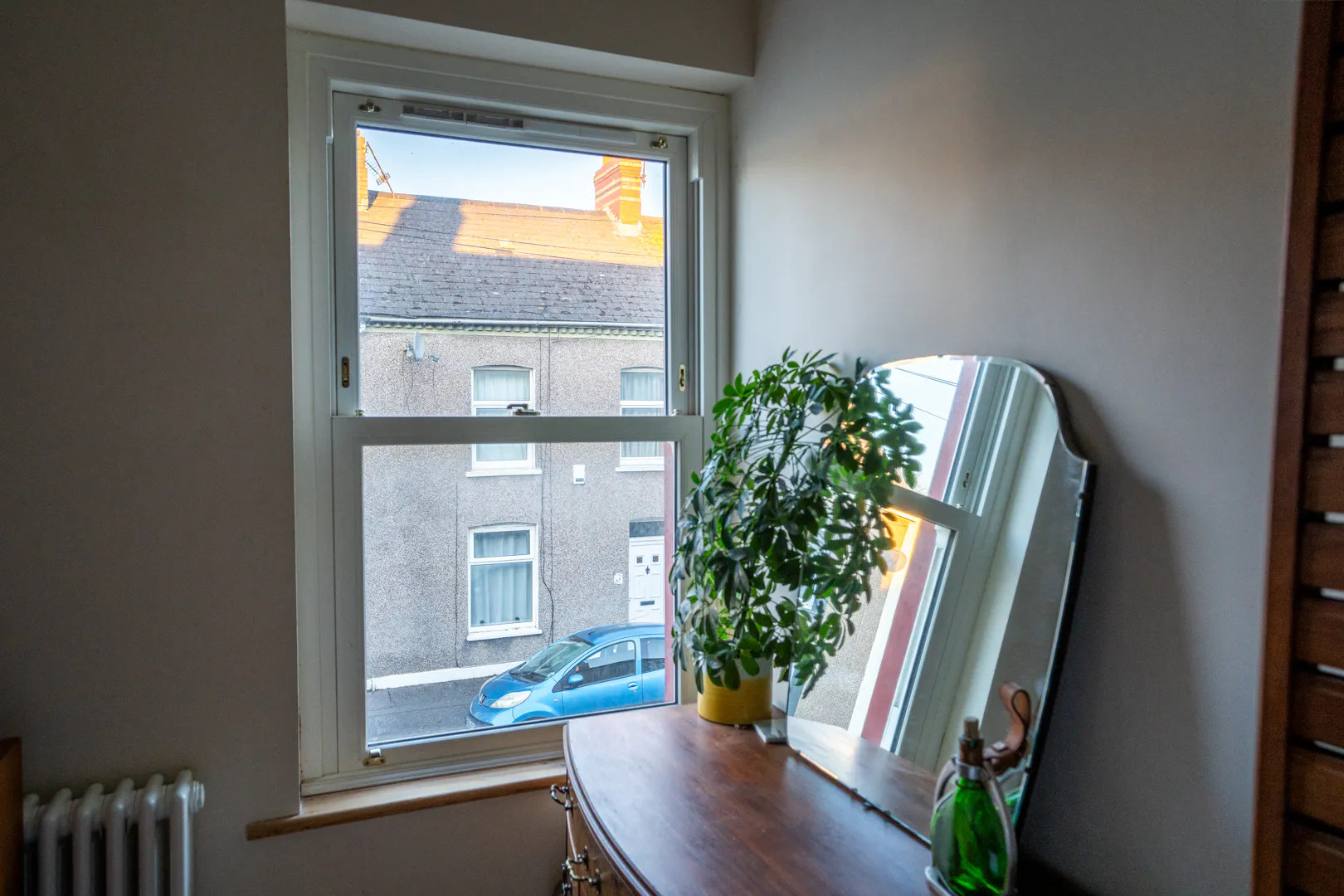
View through a window onto a terraced house and parked blue car, with a plant and mirror on a wooden dresser in the foreground.

2. Replace features sensitively

Our renovation required new windows, as the old wooden ones were beyond repair, with plants even growing through them. We could have chosen standard modern casement windows but decided to install sash windows in keeping with the period, complete with ornate Victorian detailing that’s often missing from contemporary designs. This decision has made a real difference to the house’s character and appearance.

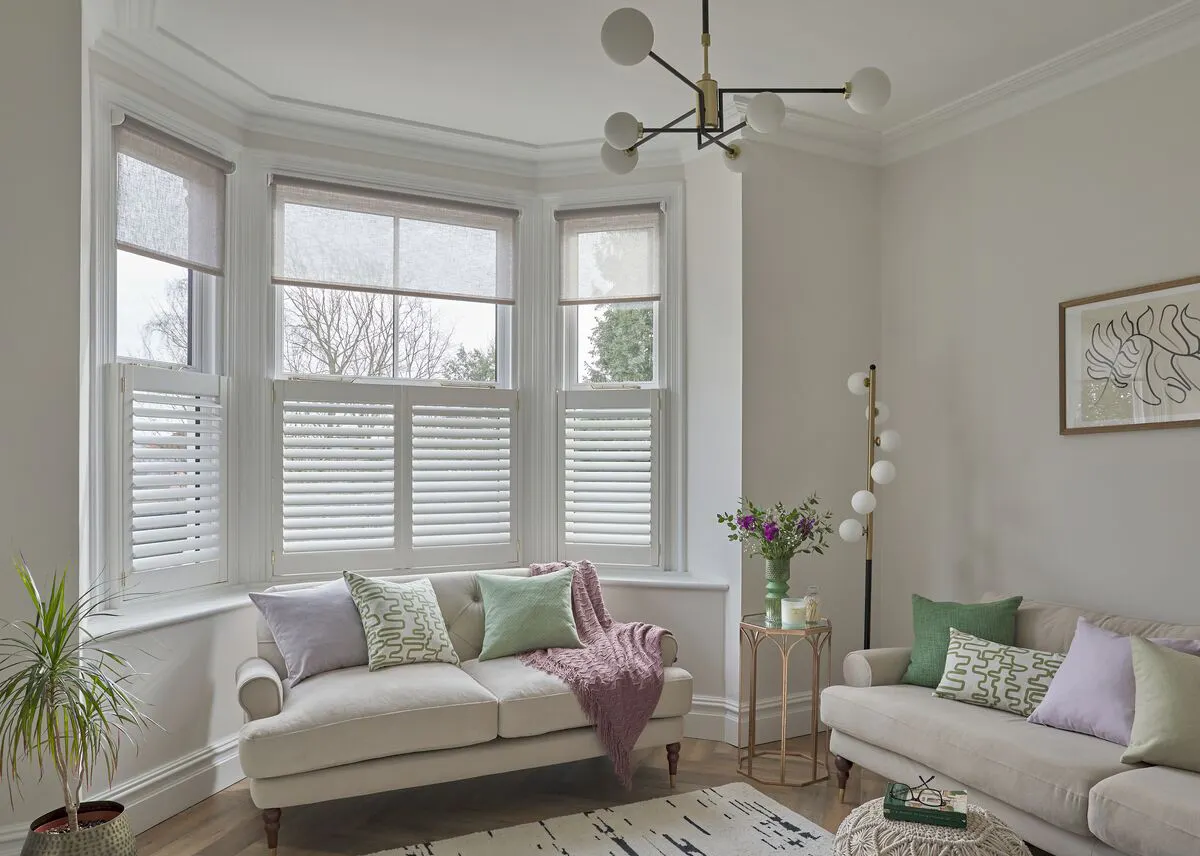
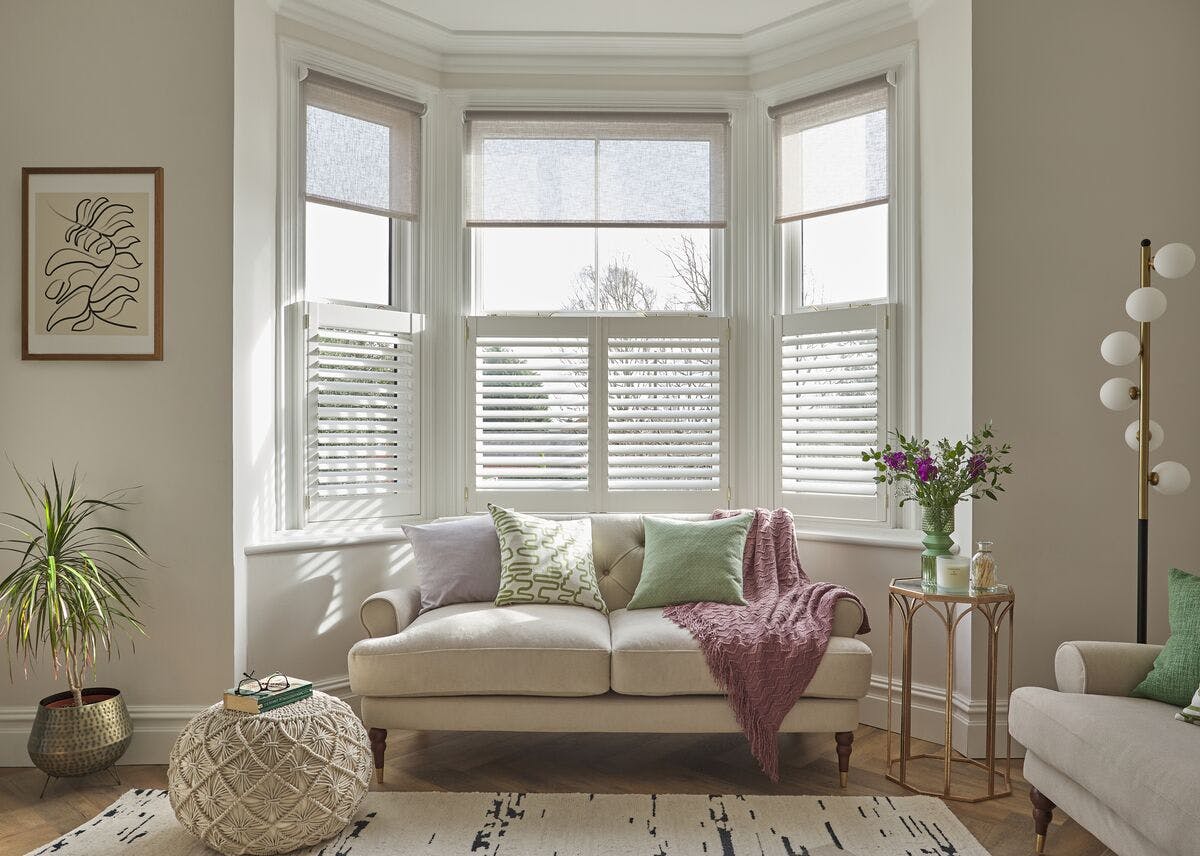
Bright living room with bay windows, white shutters, light sofas with pastel cushions, plants, and modern décor

3. Revive Victorian windows

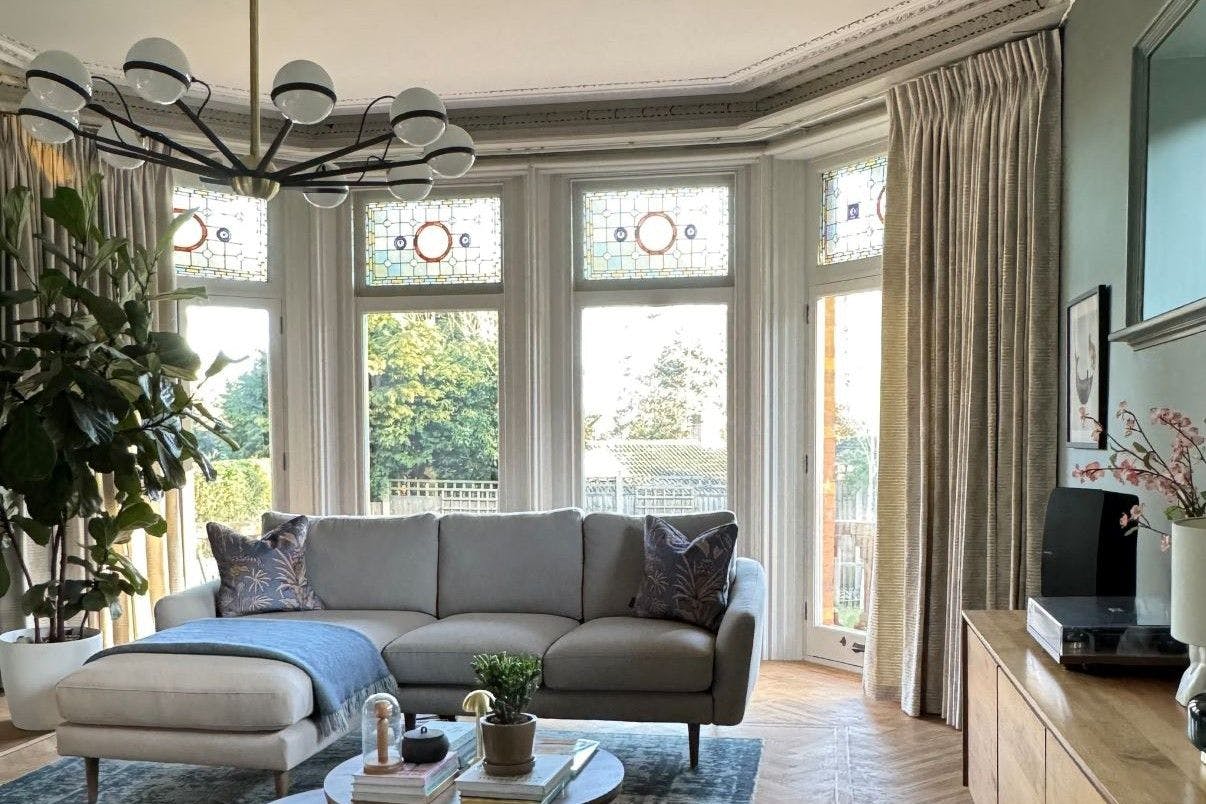
Traditional sash windows are one of the defining features of Victorian homes. They allow natural ventilation by opening at both the top and bottom, which helps prevent condensation. Their larger size means more daylight but also makes the house more susceptible to draughts. Well-fitted curtains, blinds, or shutters are essential for managing light and warmth, and for making the most of these beautiful windows.

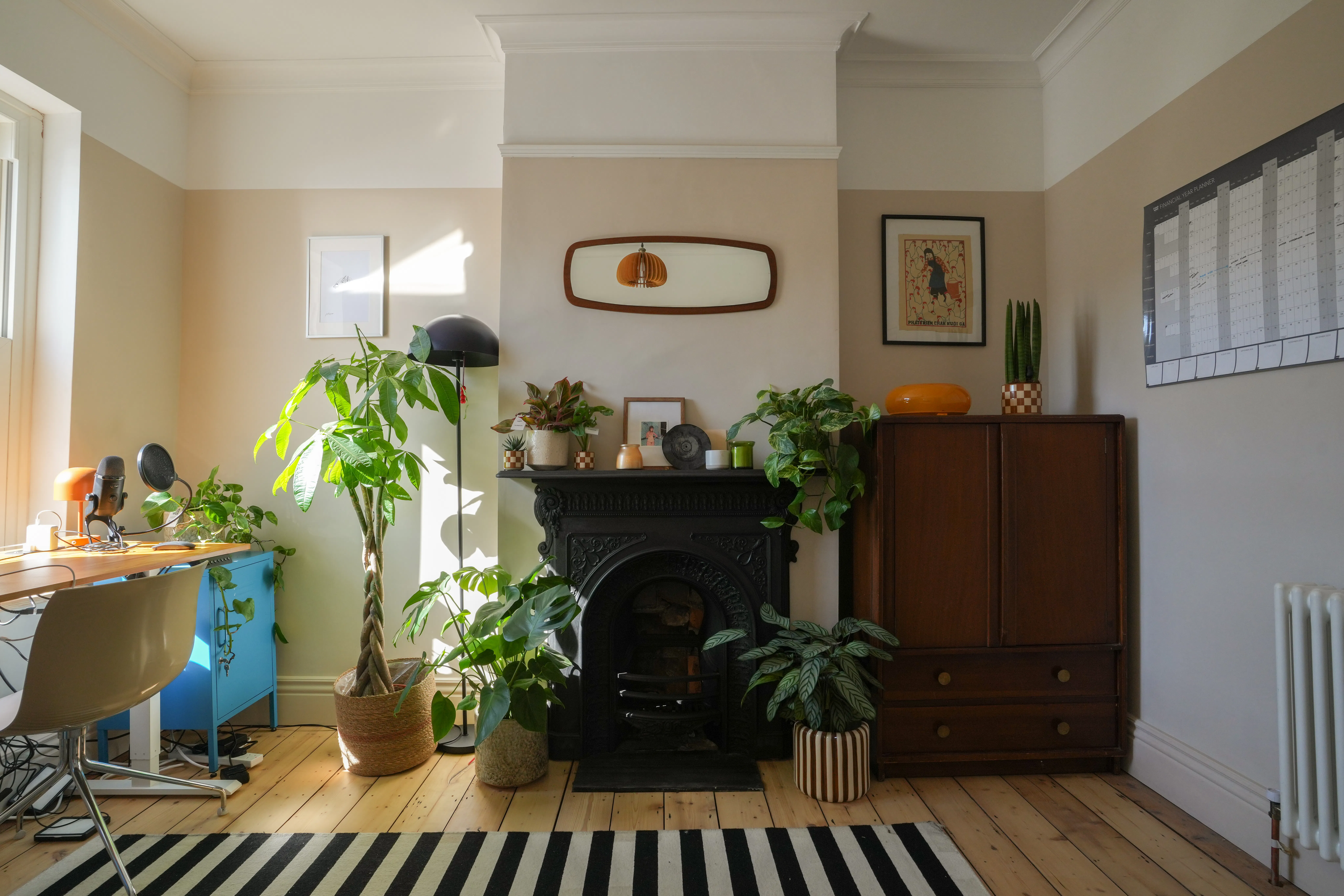
Bright room with plants around a black fireplace, wooden furniture, striped rug, and a desk by the window.

4. Source Victorian fireplaces

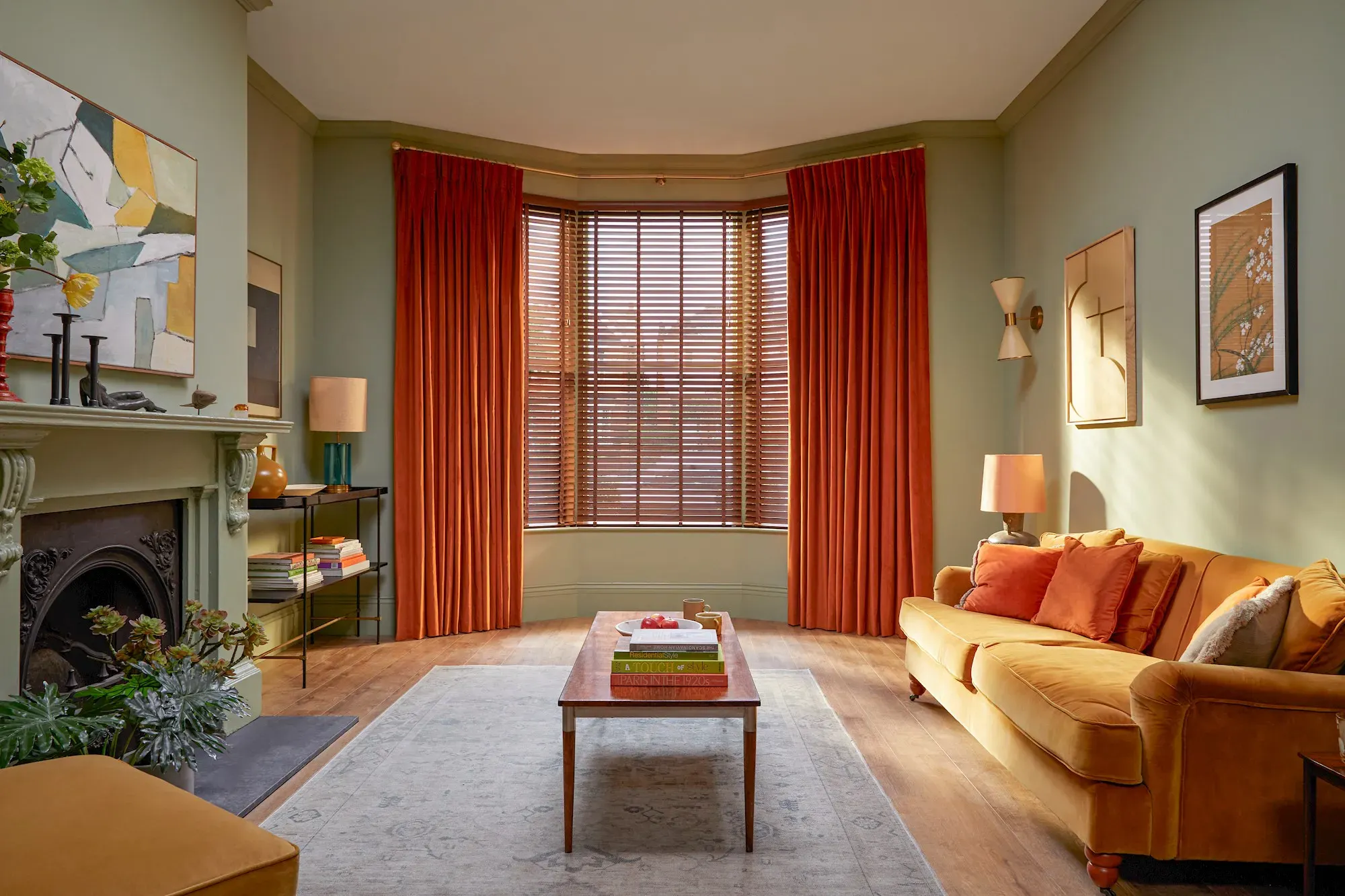
Fireplaces are another hallmark of Victorian interiors. We wanted to bring back some of the original fireplaces that had been removed or covered up over the years. This involved discovering where they’d been hidden and searching for suitable cast iron replacements. Restoring these features has added warmth and a sense of history to our rooms.

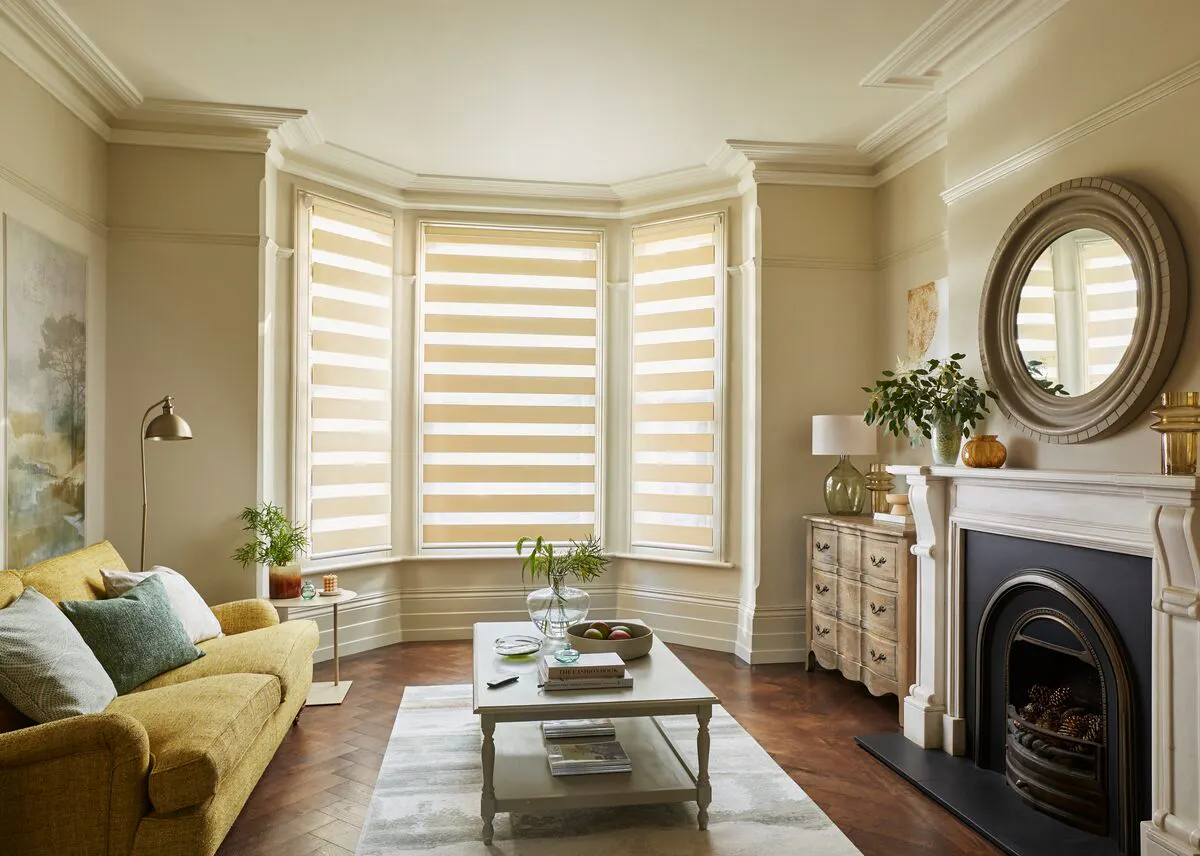
Cosy living room with bay windows fitted with striped day and night blinds, a yellow sofa, fireplace, and a central coffee table.

5. Combine modern comforts with traditional style

While we love the look of Victorian fireplaces, we also appreciate modern comforts. Our exposed fireplaces are now for show rather than heat, with bio-ethanol burners providing a cosy atmosphere without the mess or pollution of real fires. Underfloor heating downstairs offers a sustainable and efficient way to keep warm, allowing us to enjoy the best of both eras.

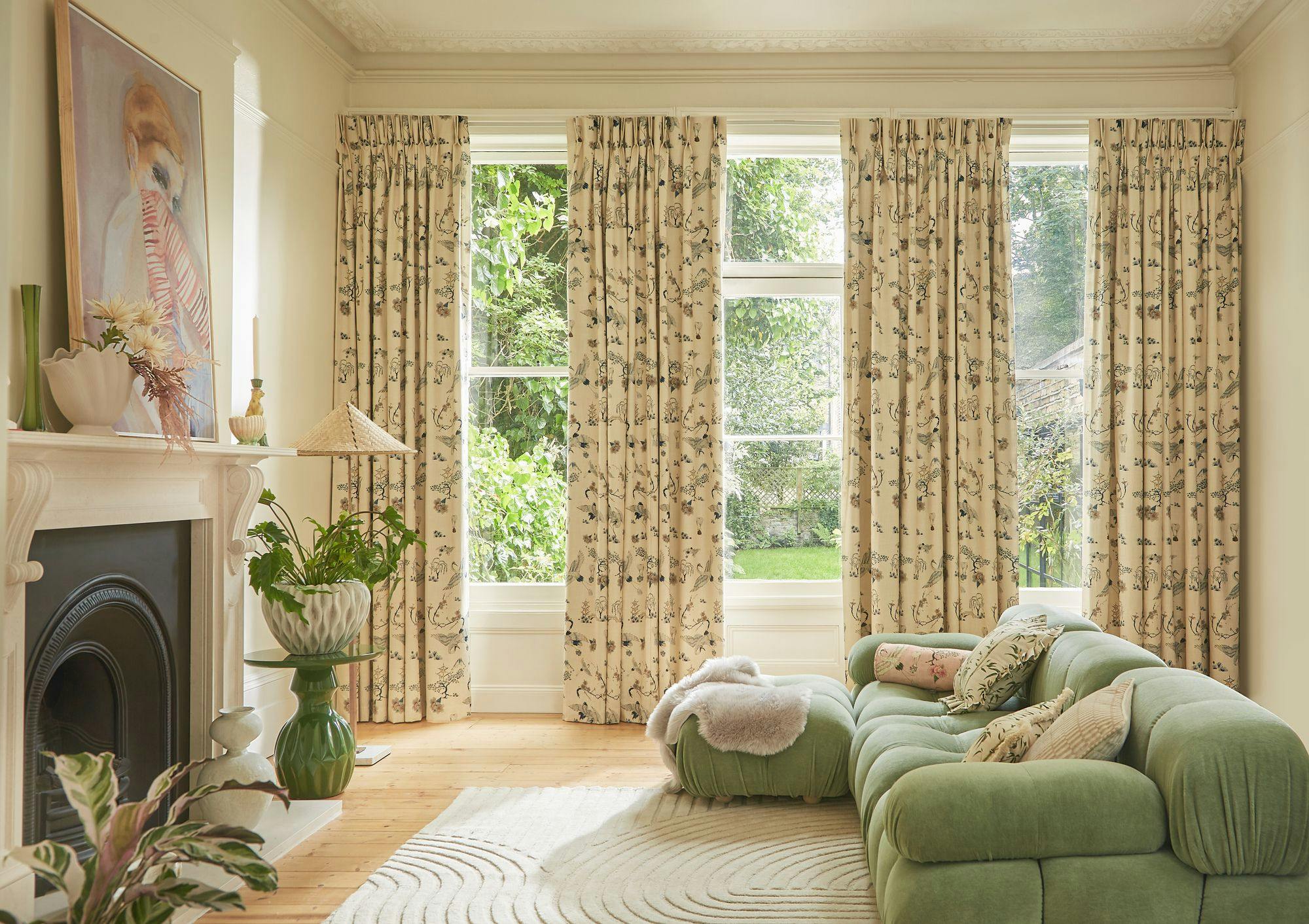
A plush green sofa with cushions sits on a patterned rug in a bright room. Large windows with floral curtains overlook a lush garden. Art decorates the walls.

6. Celebrate your home’s original character

We’ve tried to let our house’s quirks and Victorian charm shine through, instead of opting for the “flipped” look that’s become common in the housing market. Researching the period in which your home was built can reveal unique features worth highlighting, and embracing these designs gives each home a sense of personality and place.

People loading large cardboard boxes into a removals truck using a metal ramp on a sunny moving day.

7. Hunt for authentic details

Restoring original features can be a challenge, but it’s also rewarding. Salvage yards and online marketplaces have been invaluable sources for affordable, authentic pieces. With patience and research, it’s possible to find elements that bring genuine character back to a home.

Mid-century wooden sideboard with glassware and potted plants displayed on top, set against exposed brick and a red accent wall.

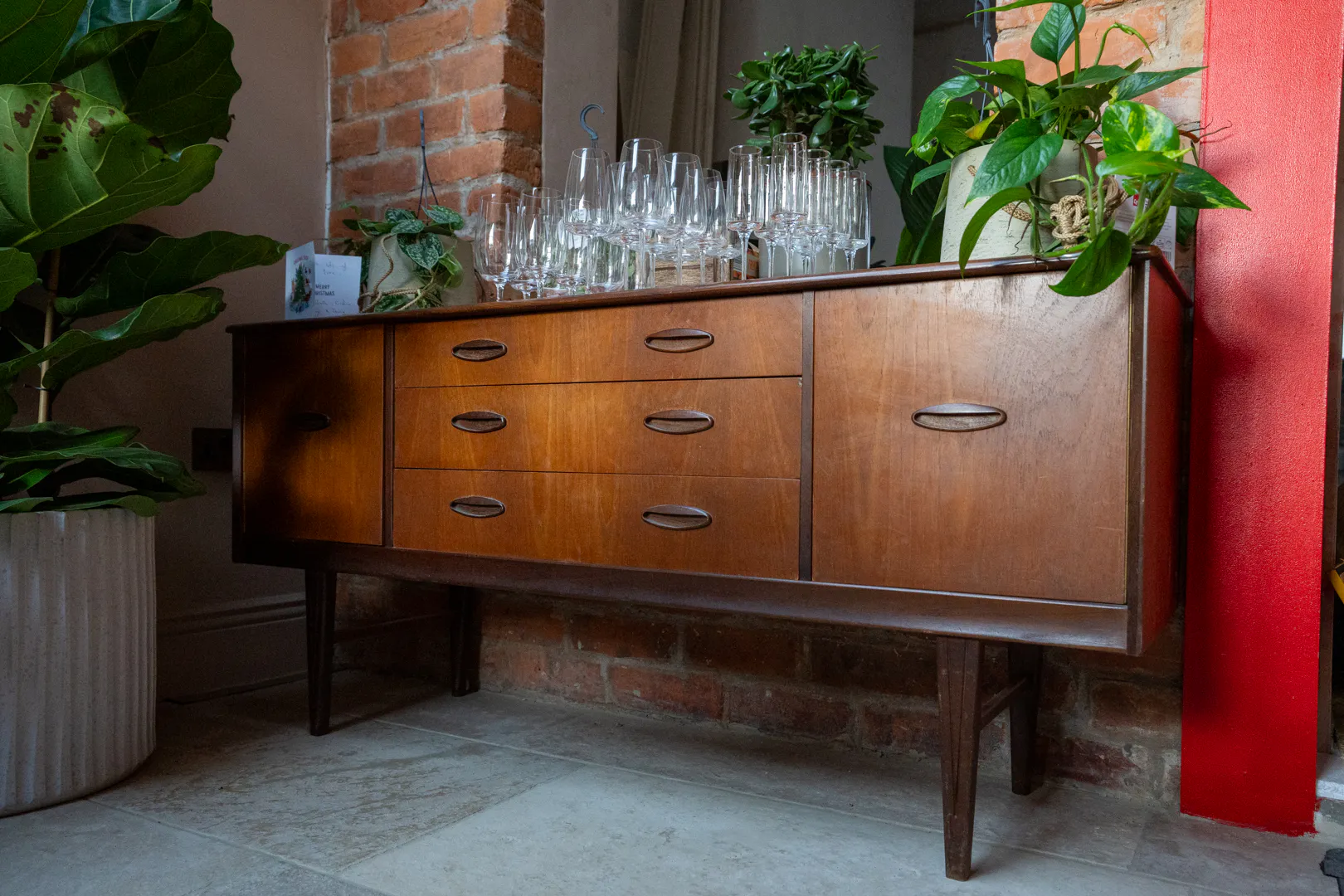
8. Mix eras for a personal touch

Although we appreciate Victorian furniture, we’re also drawn to mid-century classics like Ercol sideboards and G-Plan units. Our approach is to mix traditional Victorian features with modern twists: bold, colour-drenched walls, mid-century pieces, and strong fireplaces with detailed carpentry. The blend of styles creates a fresh take on Victorian interiors.

Two people relaxing on a sofa in a bright room with red-framed glass doors overlooking a cluttered garden area.

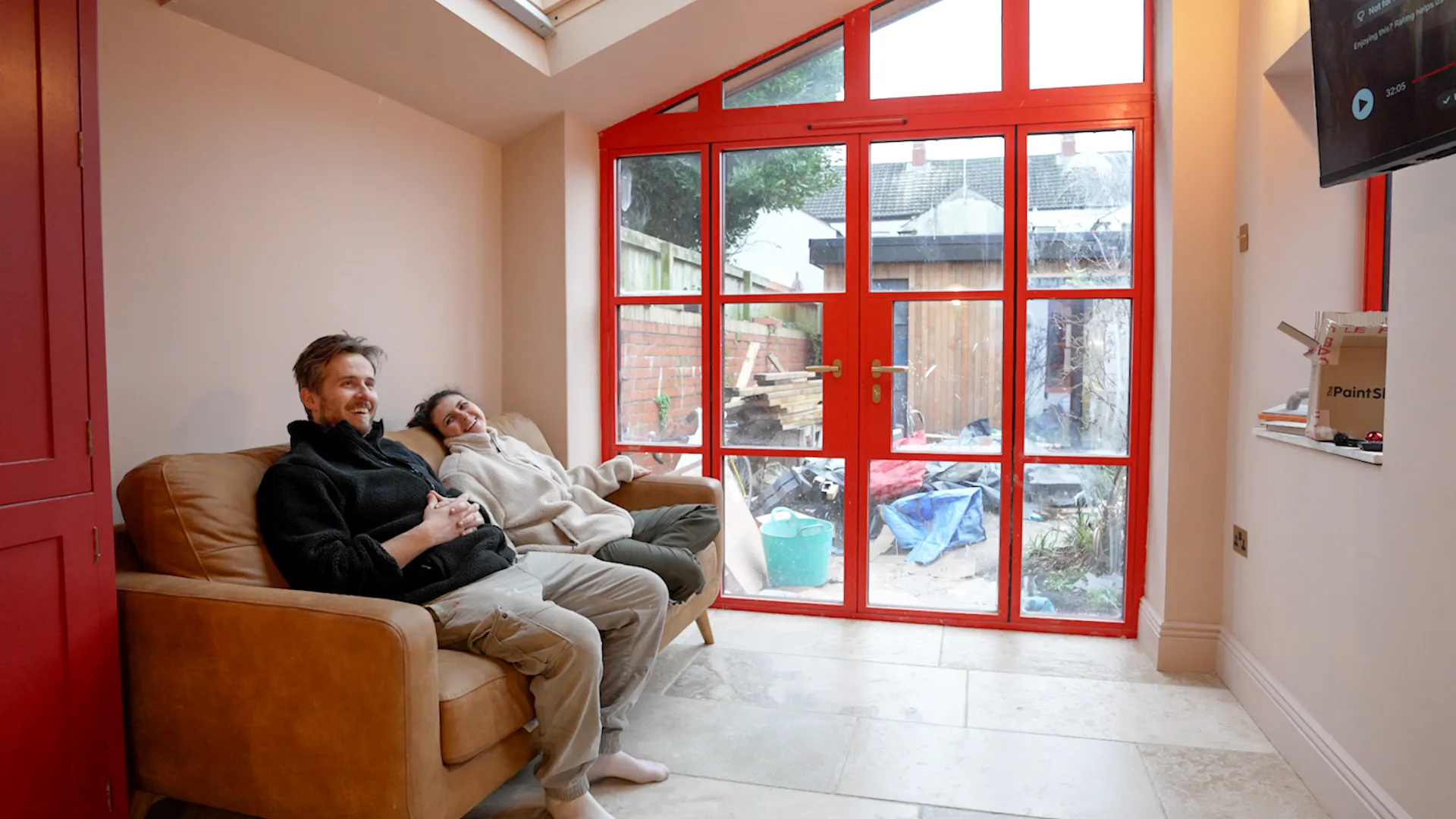
9. Put your own stamp on it

Decorating our first home has given us the freedom to experiment. We’ve tried hand-painted walls, ornate ceiling roses, and detailed coving, and aren’t afraid to use strong colours - like a traffic light red for the kitchen’s French doors. Pairing these with textured limestone floors and unlacquered brass finishes helps create rooms that feel enduring and full of personality.

10. Learn from others

Sharing our renovation journey online has connected us with a supportive community. The advice and encouragement we’ve received has helped us shape our own style, focusing on a look that will remain timeless rather than chasing trends. One misconception we’ve encountered is that “old” means “outdated.” In reality, creating rooms that look as though they have always belonged results in spaces that are both classic and comfortable.

Let your home shine

Whether you live in a Victorian house or simply love the look, don’t be afraid to embrace your home’s history. Lean into period features, experiment with colour and texture, and add your own personal touches. The result is a home that feels uniquely yours and stands the test of time.

Related articles: