
Request an appointment
  • Price Promise

  • Rated Excellent

  • Fully Guaranteed

  • Over 40 years of value

Hillarys homepage1800 882 9171800 882 917Request a brochureRequest an appointment

Vertical vs horizontal blinds – when to choose which

Author Lisa CooperHead of Product at Hunter DouglasWritten 01/06/2026
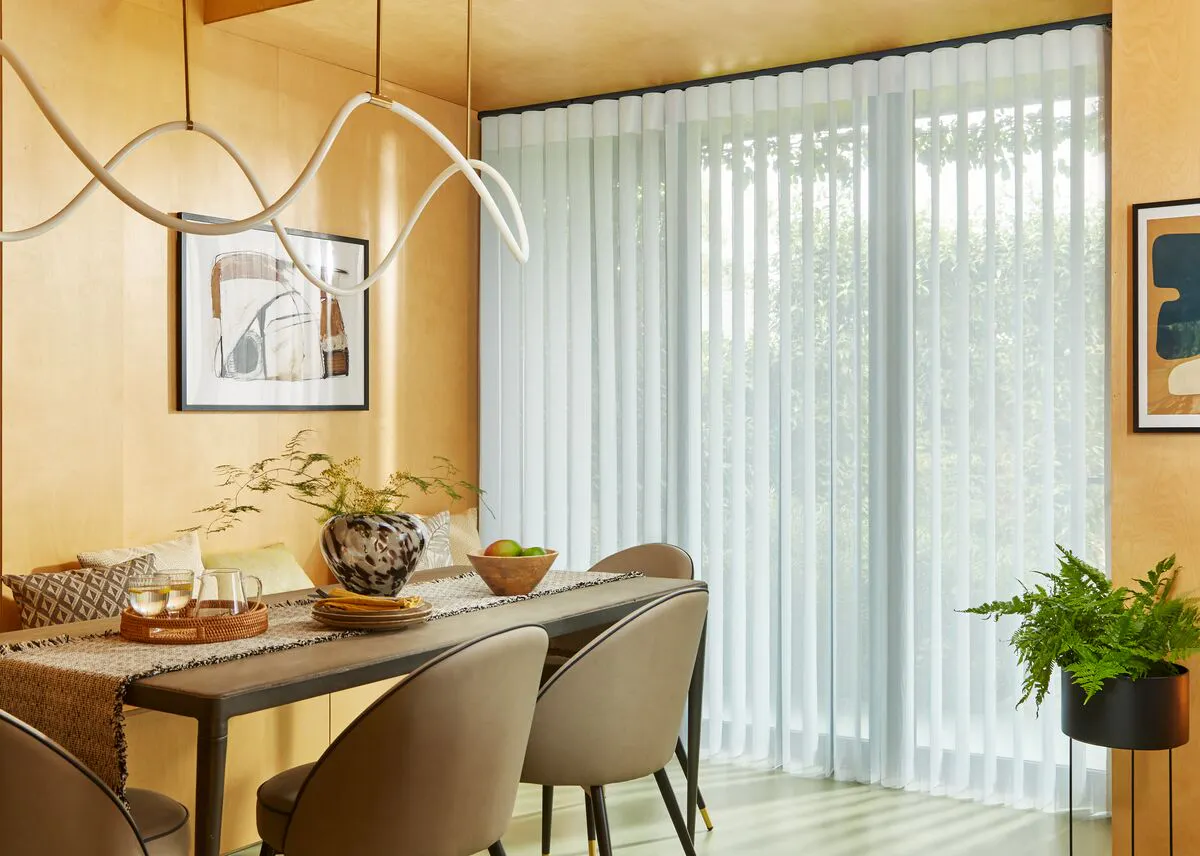
Bright dining room with floor-to-ceiling window dressed in Diffused blinds, letting soft daylight wash over a modern table and chairs.

If you’ve ever found yourself asking, “Should I get vertical or horizontal blinds?” you’re in very good company. It’s one of those decisions that sounds simple on the surface, but once you start thinking about light, privacy, style and how you use a room, it quickly becomes more nuanced.

The great news is that both vertical and horizontal blinds are brilliant options. They just shine in different situations. Rather than one being better than the other, it’s about which direction works best for your windows, your space and the way you live day to day.
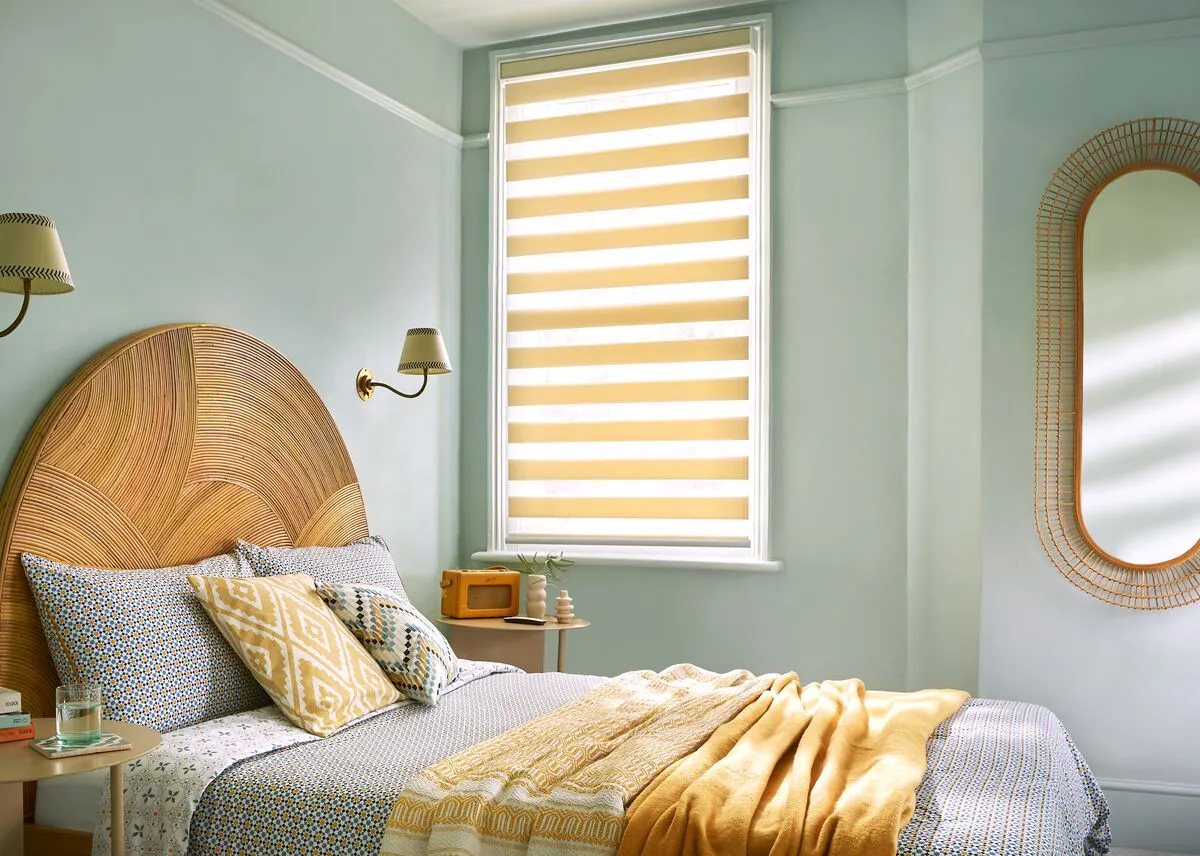
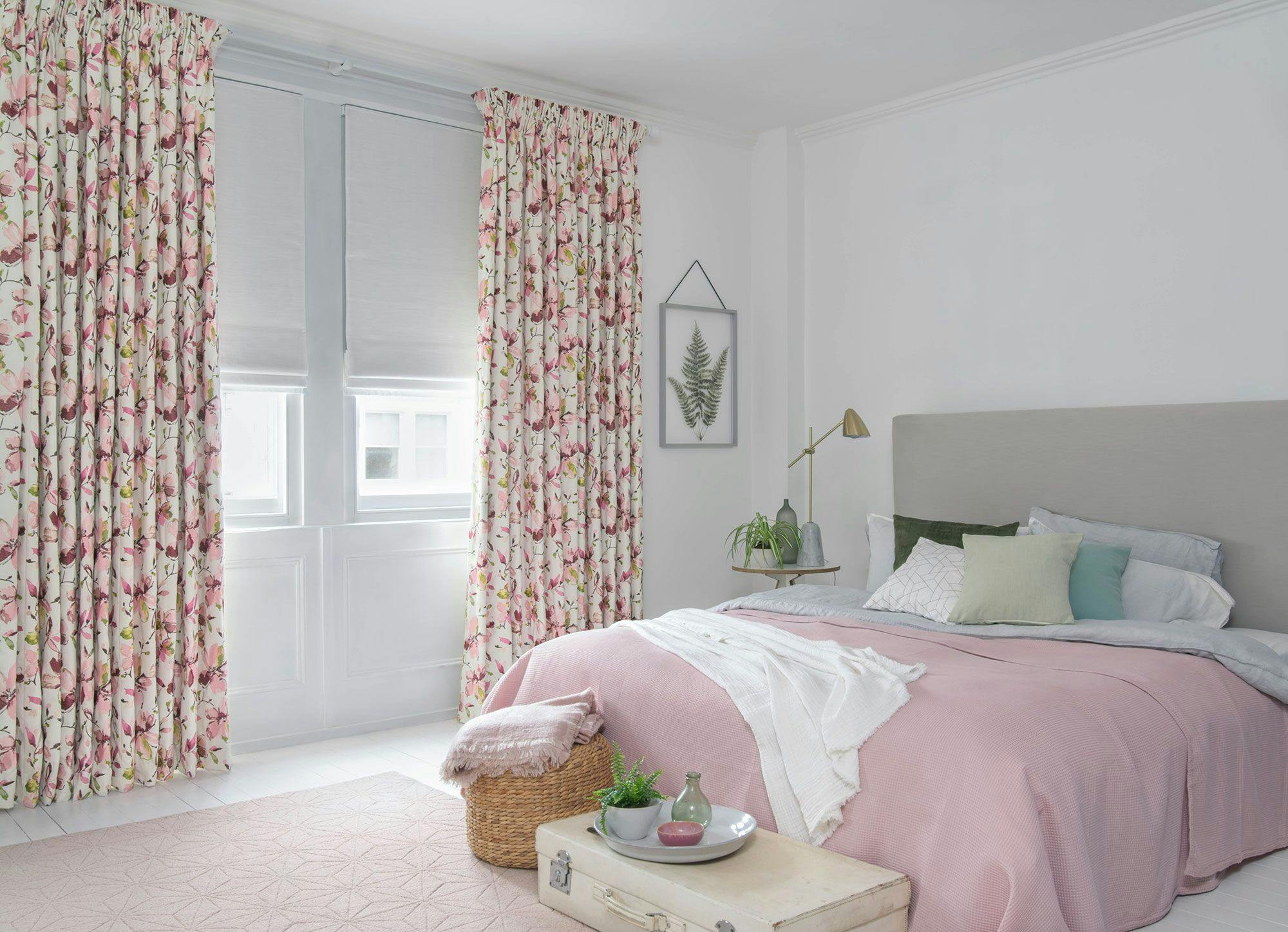
Bedroom featuring a tall window fitted with a Day and Night blind, softly filtering daylight above a neatly styled bed in calming pastel tones.

Understanding the difference between vertical and horizonal blinds

At the most basic level, the distinction is in the name. Horizontal blinds run across the width of a window, while vertical blinds hang from top to bottom. That change in orientation has a big influence on how a room feels.

Horizontal blinds tend to create a sense of structure and balance. Vertical blinds, on the other hand, emphasise height and openness. Once you start to look at your windows through that lens, the choice often becomes much clearer.

When horizontal blinds are the natural choice

Horizontal blinds are incredibly versatile and suit many of the most lived‑in rooms in a home. Their proportions feel just right on standard sized windows, but they can work on some larger windows too.

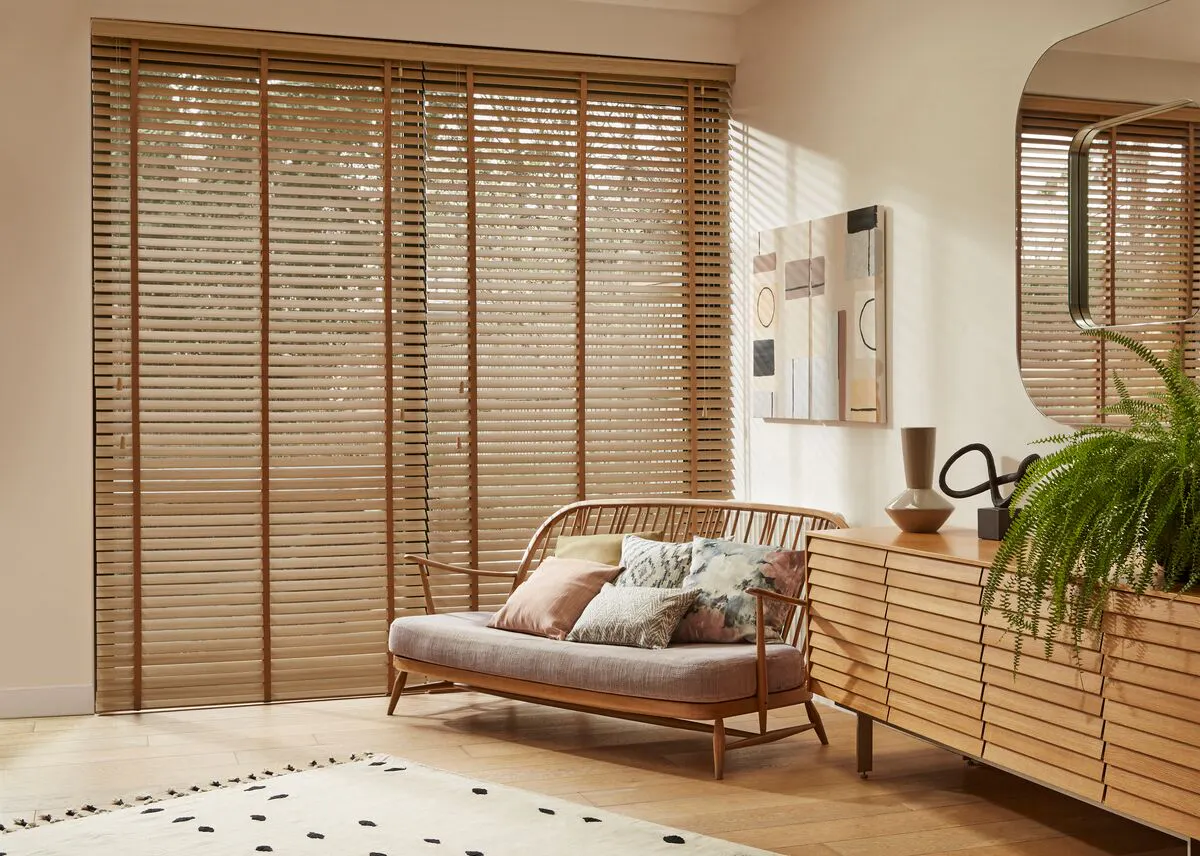
Living room with a wide window covered by a Wooden blind, casting warm filtered light across a rattan sofa and sleek sideboard.

Adding warmth and character to everyday spaces

In living rooms and dining areas, horizontal blinds contribute to a feeling of comfort and warmth. Wooden blinds bring a natural texture that sits beautifully alongside soft furnishings, timber floors and neutral colour schemes.

This makes them a popular choice where the aim is to create a relaxed, lived‑in space that still feels pulled together. 

  • Wooden blinds give such a timeless look. We decided to have matching blinds in the bedroom and living room because from the outside it looks really nice and cohesive.

    Gemma Gear, Interior Stylist

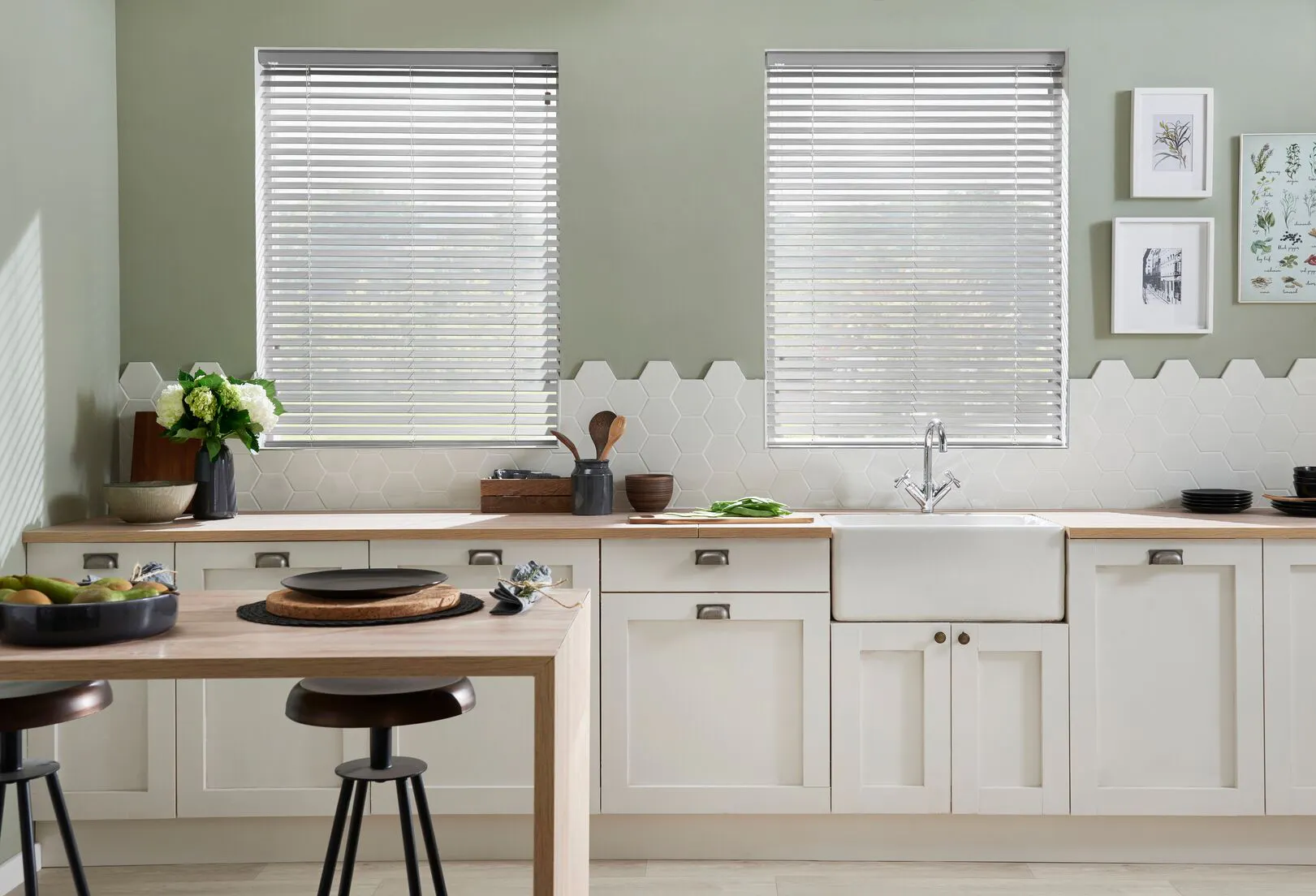
Bright kitchen with two windows featuring white venetian blinds, white cabinets, wooden worktops, and green accents with modern decor.

Clean lines for practical rooms

For kitchens, home offices and utility spaces, a more streamlined look often works better. Venetian blinds offer a neat, uncluttered appearance that suits practical rooms where function matters just as much as style.

Their horizontal slats allow you to fine‑tune light levels throughout the day, which is particularly useful in rooms where glare can be an issue, such as a workspace or a kitchen that catches the morning sun.

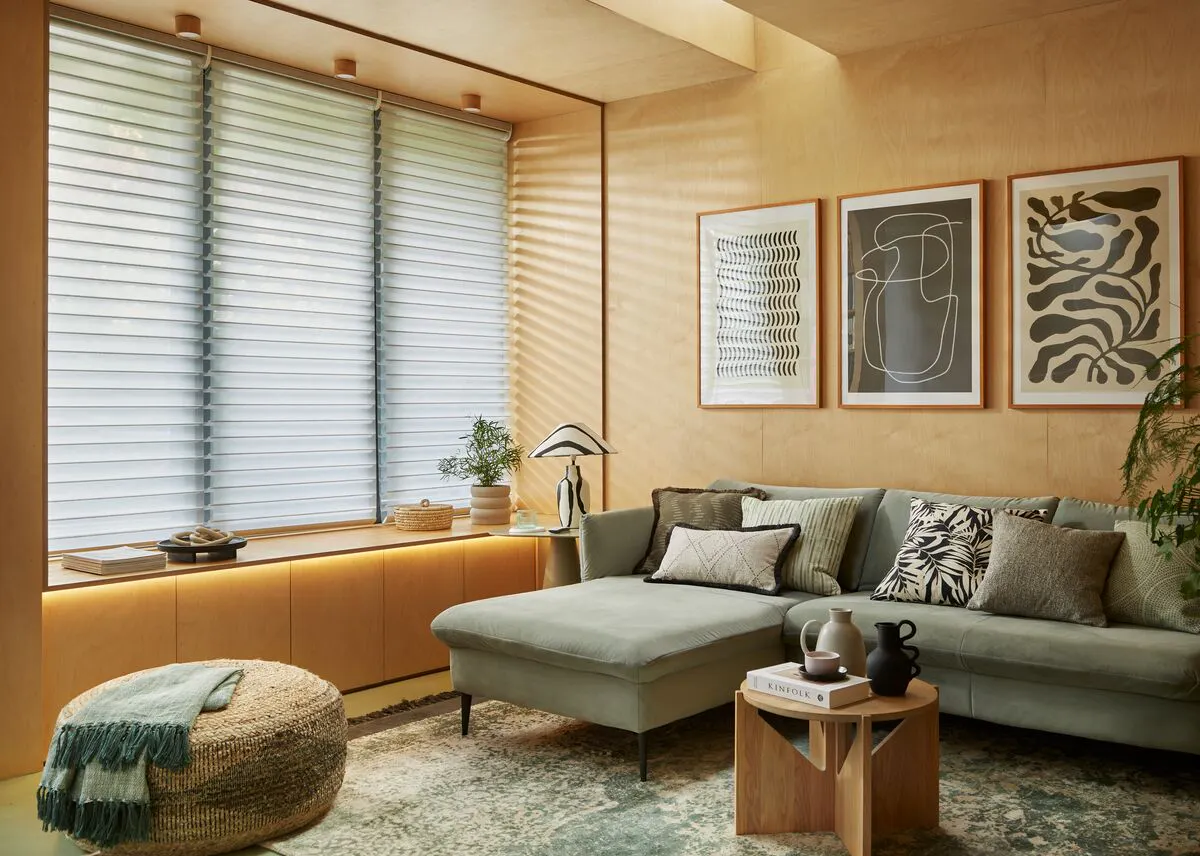
Cosy living room with a wide window fitted with a Triple Shade blind, softly filtering daylight across a green corner sofa and warm wooden finishes.

Managing light throughout the day

One of the biggest advantages of horizontal blinds is the control they offer. Gently tilting the slats lets you enjoy daylight while maintaining privacy, especially important in bedrooms or street‑facing rooms.

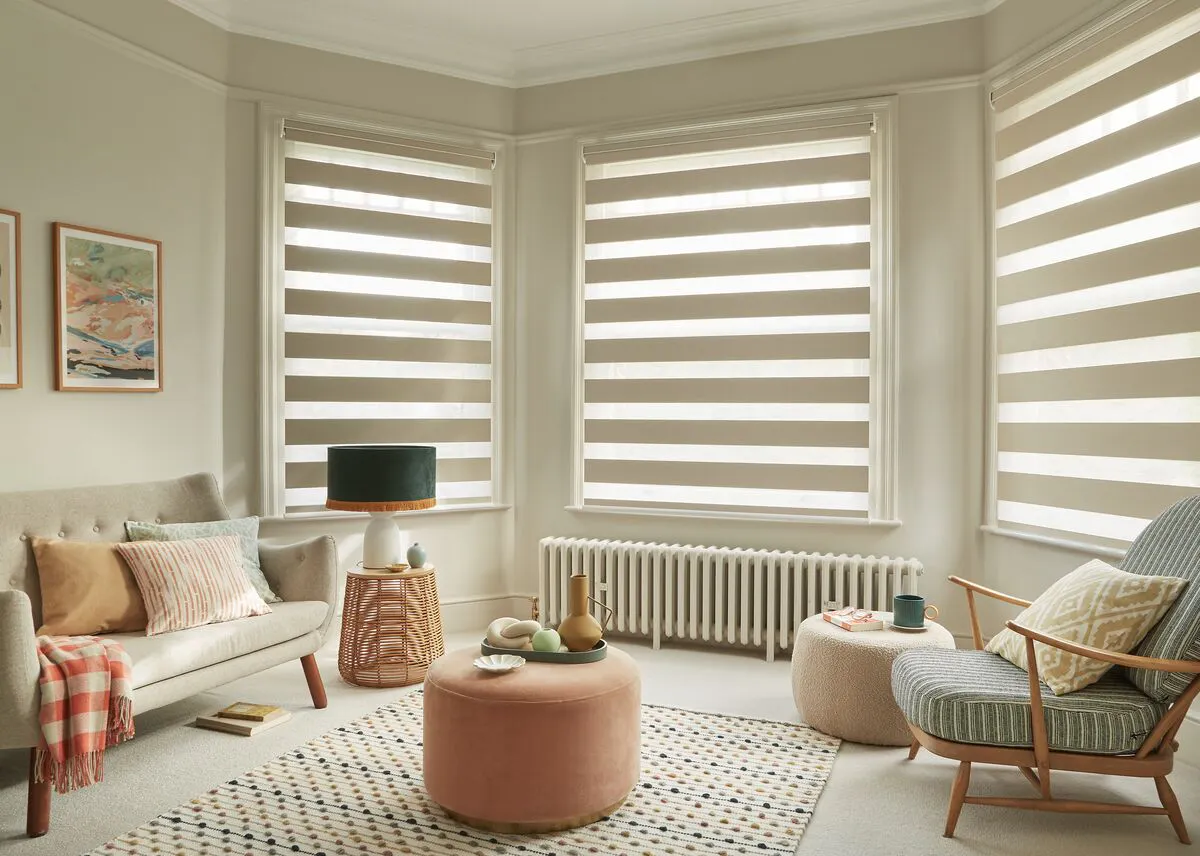
For homes where light changes dramatically from morning to evening, more flexible designs like Day and Night blinds and Triple Shade blinds come into their own. These styles allow you to shift between softer filtered light and greater coverage as the day unfolds, helping rooms stay comfortable without feeling shut off.

When vertical styles make more sense

Vertical blinds are often at their best on a larger scale. If your home features wide windows, sliding doors or patio openings, their design naturally complements the space.

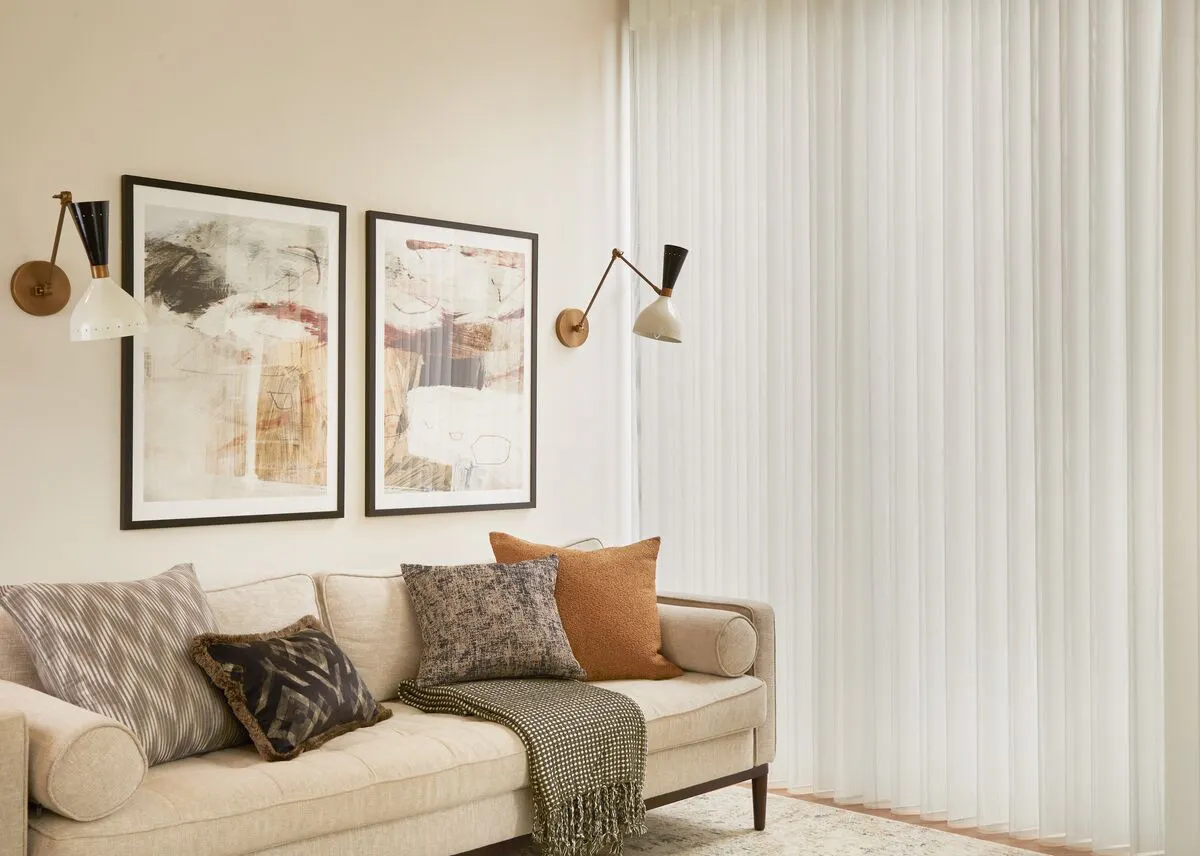
Living room with a tall window dressed in a Diffused blind, gently diffusing daylight beside a neutral sofa and framed wall art.

A practical solution for wide windows and doors

In rooms that open onto the garden or terrace, vertical styles are a practical choice. They stack neatly to one side, making it easier to move in and out without the blinds getting in the way. This means they are well suited to busy households and open‑plan layouts.

Visually, vertical designs feel lighter than you might expect, especially across large areas of glass where curtains could feel heavy.

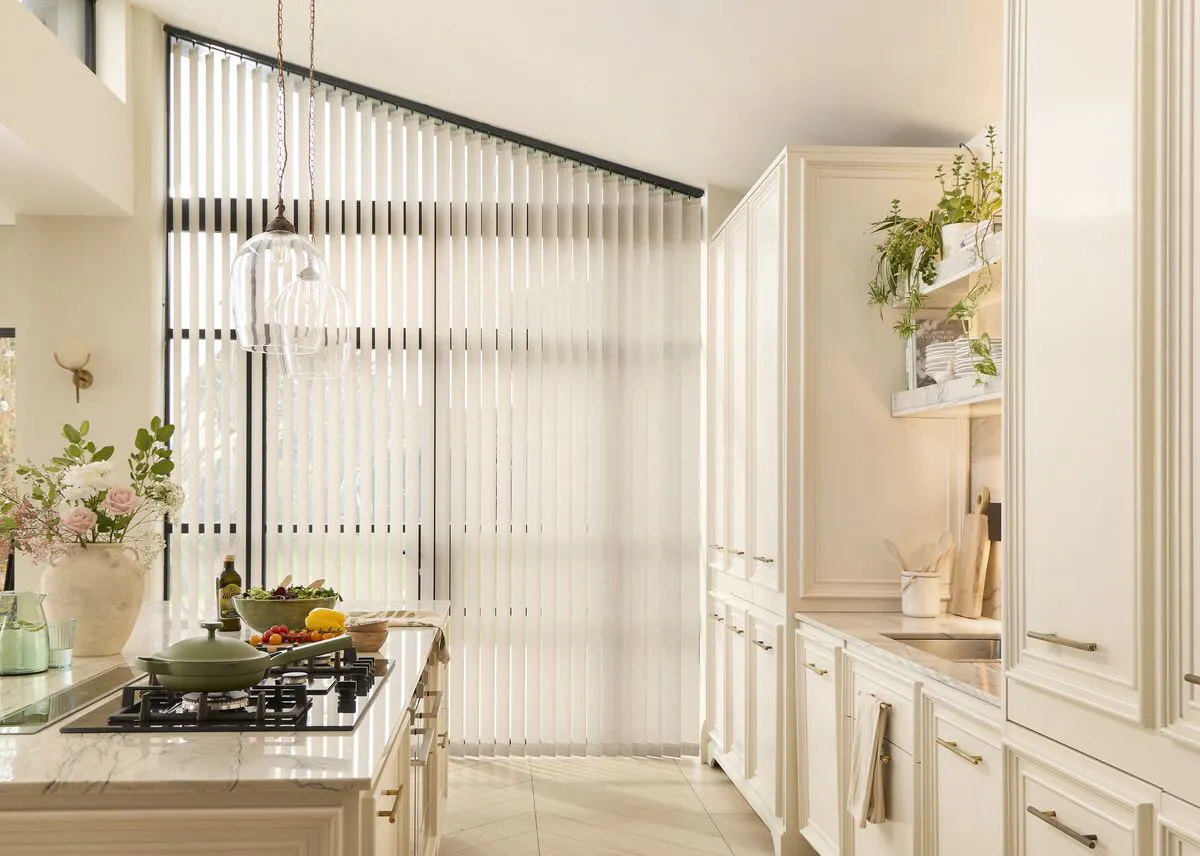
Kitchen with a large window dressed in a Vertical blind, allowing soft daylight to filter across pale cabinetry, a central island and hanging glass pendants.

Creating a sense of height and openness

Because they run from ceiling to floor, Vertical blinds can help emphasise height. This is useful in kitchens or living spaces where you want the room to feel airy and open, even if the footprint itself is quite compact.

They also work well in modern interiors where clean lines and simplicity are key.

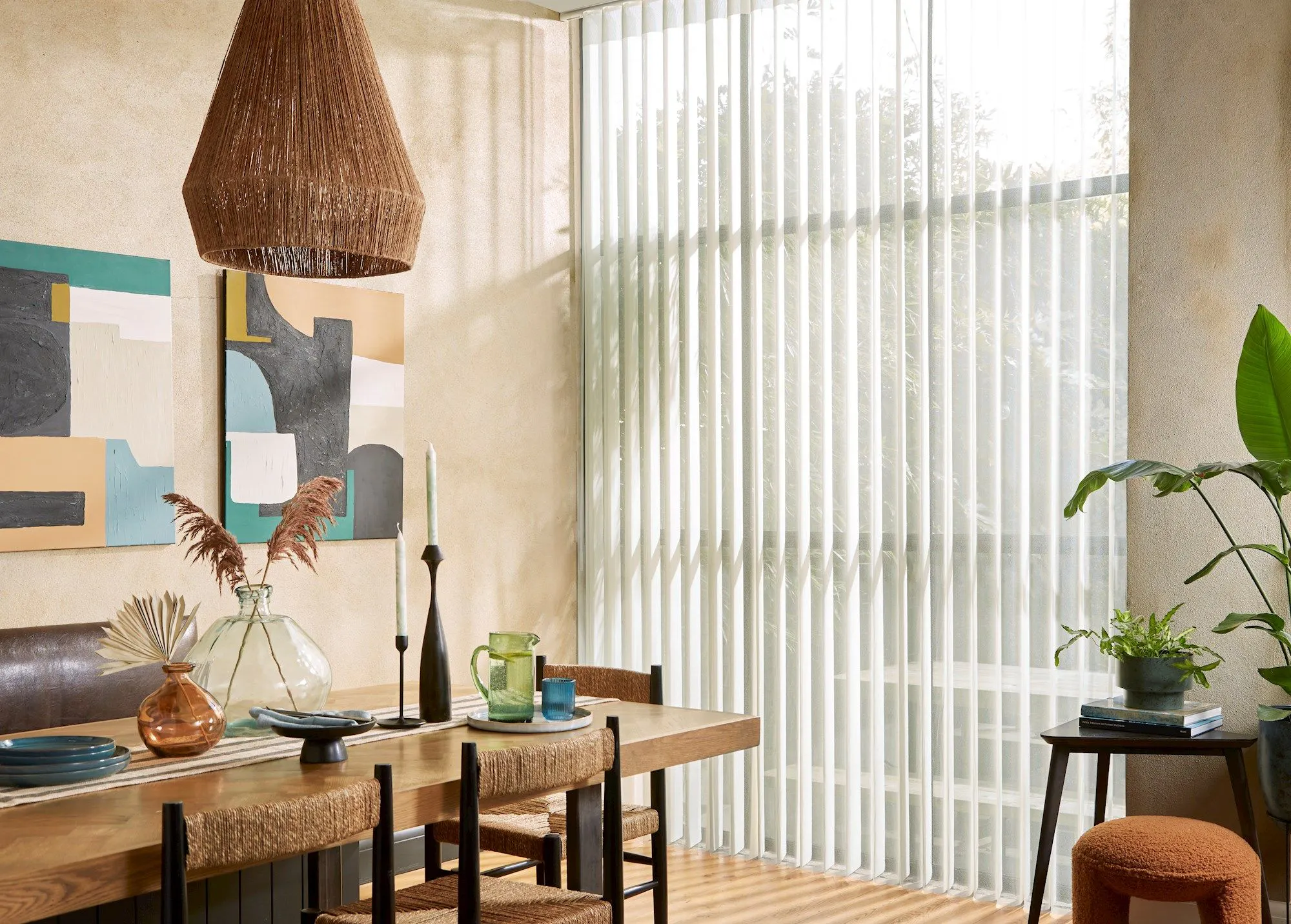
Dining room with floor to ceiling windows and doors dressed in pale grey diffused sheer full-length blinds, tilted wooden table with raffia chairs, raffia shade on pendant light, abstract art in shades of blue and brown on the brown marble-effect walls.

Softening strong daylight

Vertical blinds are excellent at managing strong sunlight. By angling the vanes, you can reduce glare without blocking out natural light entirely. This is ideal in rooms that get bright afternoon sun.

For a gentler approach to light, Diffused blinds offer a softer solution. They filter daylight evenly across the room, creating a calm, balanced glow. This can make living spaces feel more relaxed and comfortable throughout the day.

  • We opted for Vertical blinds as we could control the light level in our room, have privacy and also avoid any unwanted wasp visitors!

    Ella Dove, Journalist and Editor

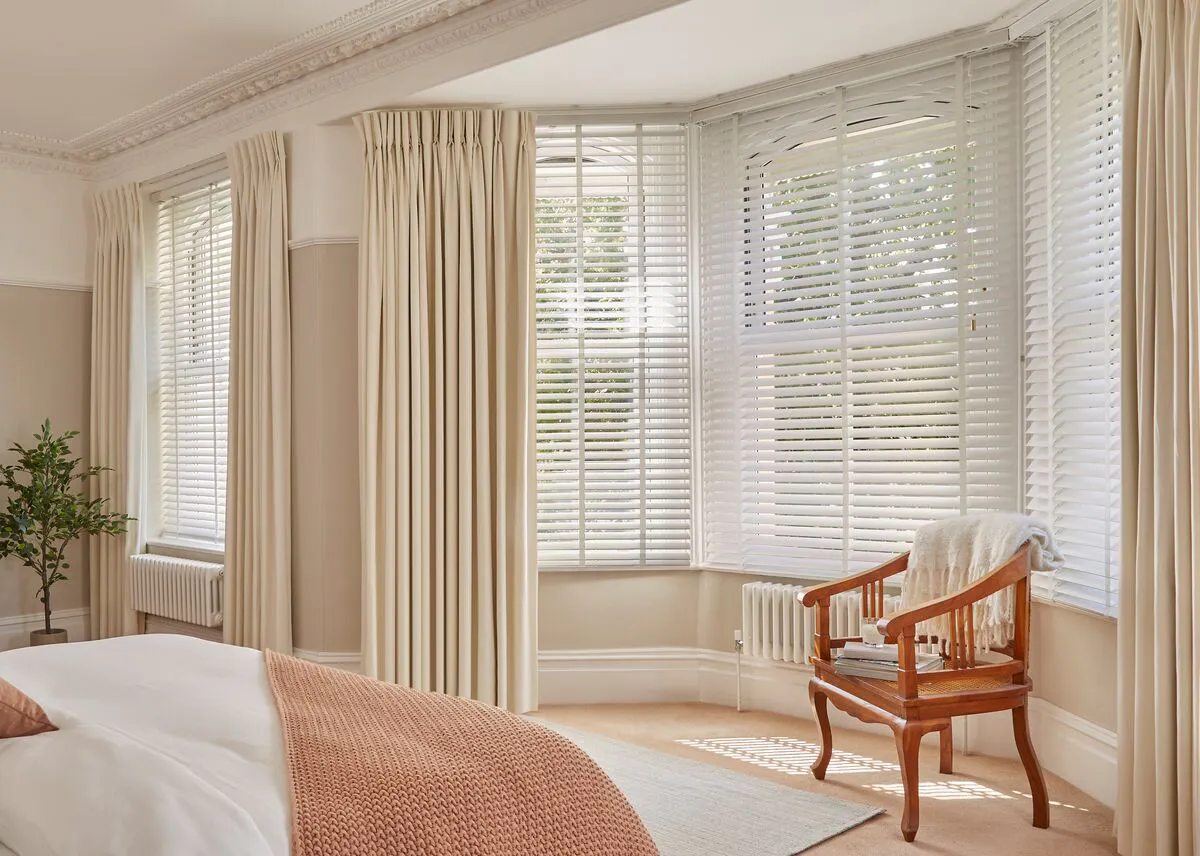
A bright bedroom featuring tall cream curtains framing wide windows with white blinds, filling the space with natural light.

Thinking about the room, not just the window

One of the most helpful ways to choose between vertical and horizontal styles is to step back and think about how the room is used.

A bedroom often benefits from the neat lines of horizontal blinds, especially when paired with curtains for added softness. A living room with large glazing might feel more relaxed and open with Vertical or Diffused blinds.

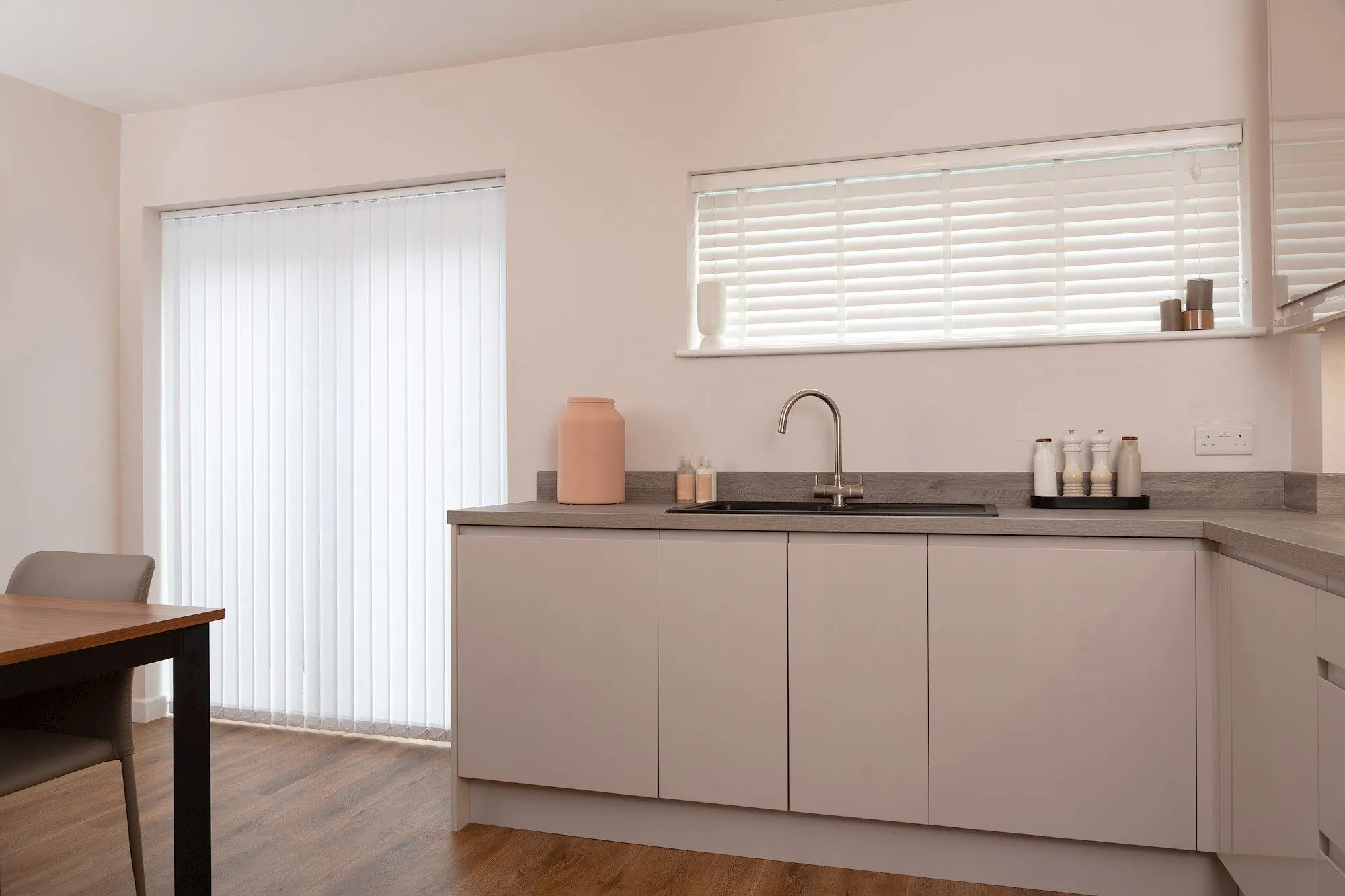
Modern kitchen with a wide patio door and window fitted with blinds, bringing in soft daylight above pale units and a sleek worktop.

A note on mixing and matching

Choosing blinds doesn’t have to be an either‑or decision across the whole house. Many homes successfully mix vertical and horizontal styles, using each where it works best.

Horizontal blinds in bedrooms and kitchens, paired with Vertical blinds or Diffused blinds in living areas and across patio doors, is a common and practical combination. The key is ensuring the colours and finishes feel connected, so the overall look still feels calm and intentional.

Key takeaways

  • Horizontal blinds suit standard sized windows and offer precise control over light and privacy
  • Wooden blinds and Venetian blinds add structure and style to everyday spaces
  • Day and Night blinds and Triple Shade blinds bring extra flexibility for changing light levels
  • Vertical blinds work beautifully on large windows and doors, enhancing height and openness
  • Diffused blinds soften daylight, making bright rooms feel calm and comfortable
  • Mixing vertical and horizontal styles across different rooms can create a home that works beautifully in every space

Choosing between vertical and horizontal blinds comes down to scale, light and how each space is used. Horizontal blinds tend to suit rooms where structure and control matter most, while vertical styles often work better where windows are larger and light needs to feel softer and more open.

By focusing on the needs of the room and the way daylight behaves throughout the day, it becomes much easier to narrow down the right option for your home.

Related articles