




Request an appointment
  • Price Promise

  • Rated Excellent

  • Fully Guaranteed

  • Over 40 years of value

Hillarys homepage1800 882 9171800 882 917Request a brochureRequest an appointment
Request an appointment

A complete guide to sustainable and ecofriendly blinds and curtains

Author Lisa CooperHead of Product at Hunter DouglasWritten 04/03/2026
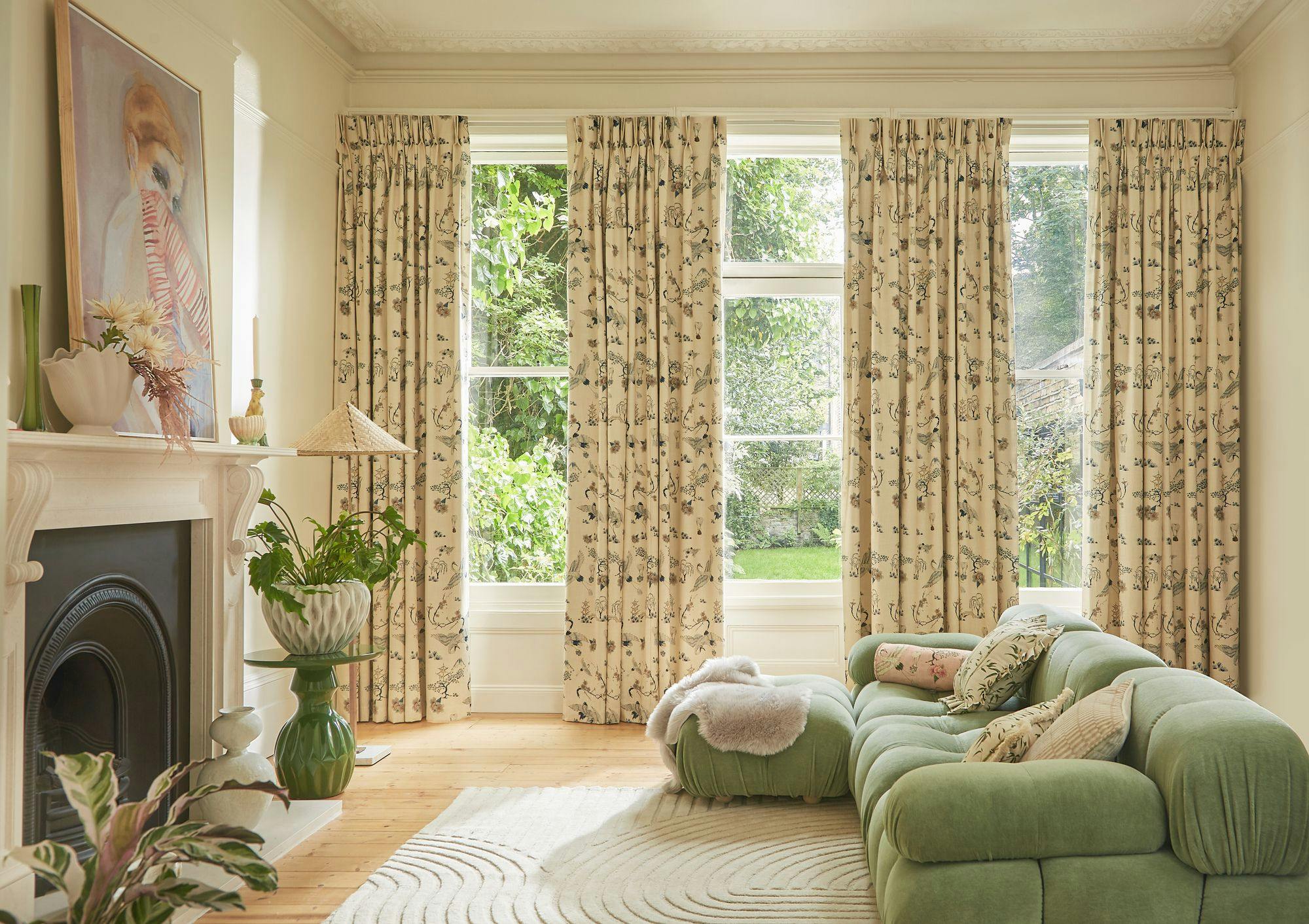
A plush green sofa with cushions sits on a patterned rug in a bright room. Large windows with floral curtains overlook a lush garden. Art decorates the walls.

Discover our growing range of more sustainable fabrics

Sustainability is now one of the biggest priorities in home design, and more people than ever are looking for ways to make thoughtful, environmentally conscious choices when decorating their living spaces. 

Here, we’ll explain what makes a blind or curtain sustainable, explore the materials that offer real environmental benefits and unpack the certifications and standards that help you spot responsible products with confidence. Whether you’re searching for ecofriendly blinds, sustainable curtains, or simply want to understand how window fabrics are evolving, this is the perfect starting point.  
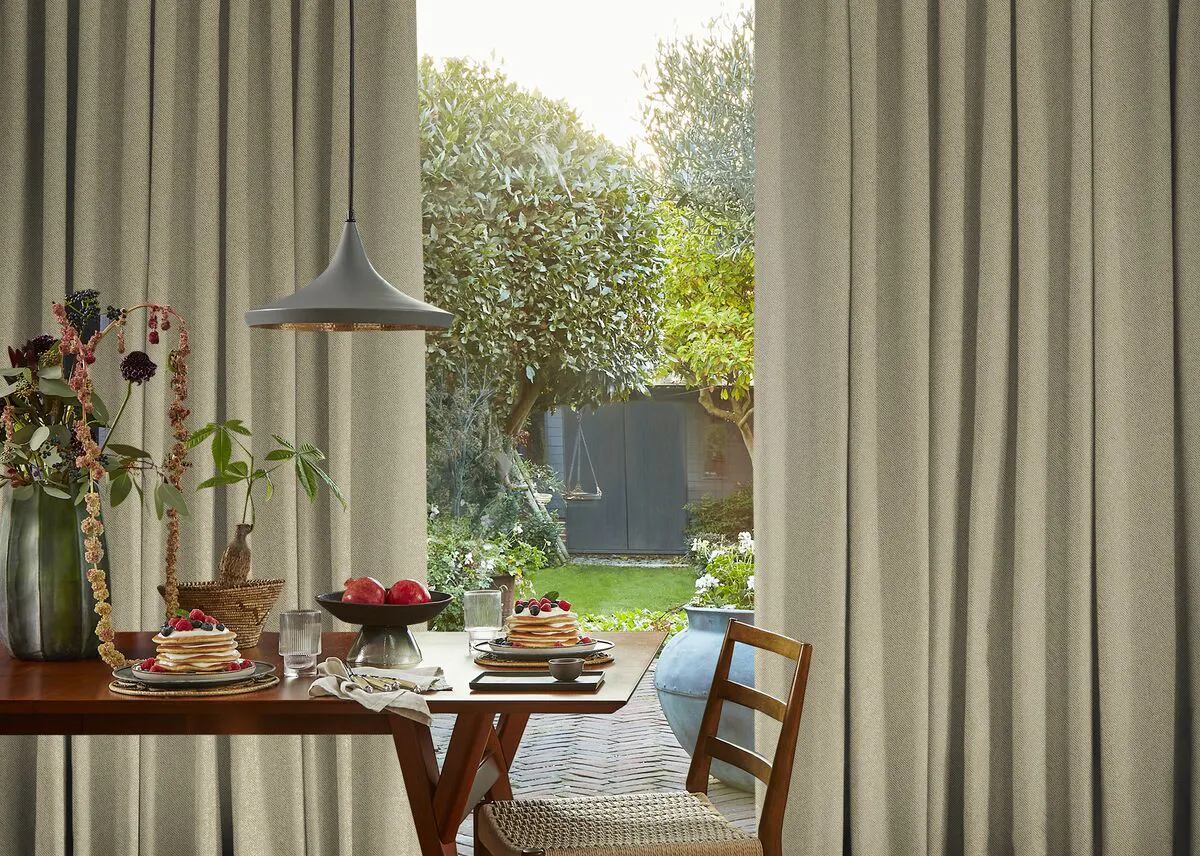
Dining room with full size window and doors dressed in pale taupe pinch pleat curtains, partially drawn, wooden table, chairs and bench flowers in vase.

Choosing sustainable window dressings goes far beyond simply selecting a product labelled “eco-friendly.” These days, sustainability in home textiles is judged across the entire lifecycle of a product, from the raw materials to the manufacturing process, durability, and what happens at the end of its life. 

A blind or curtain can be considered more sustainable when it includes some or all of the following: 

Lower-impact materials 

Materials that reduce environmental footprint compared to conventional textiles. This includes fibres made from recycled content, naturally regenerative plants, or responsibly grown cotton. 

Responsible manufacturing processes 

Fabrics made using less water, fewer chemicals, or renewable energy sources have a significantly smaller environmental footprint. 

Durability and long life 

A well-made blind or curtain that lasts for many years is far more sustainable than a lower-quality product that needs replacing regularly. 

Design for recycling 

Materials that can be recycled after use, or that come from recycled fibres in the first place, reduce pressure on landfill and support circularity. 

Sustainable fabric types explained 

Different materials offer different environmental benefits. Understanding them helps you make an informed decision that suits your needs and values. 


Recycled Polyester (rPET) 

Recycled polyester is made from postconsumer plastic, typically PET drinks bottles, that are cleaned, melted, and spun into yarn. 

Benefits: 

  • Reduces the need for virgin petroleum-based fibres 
  • Diverts plastic waste from landfill 
  • Uses significantly less energy in production compared to virgin polyester 
  • Durable and long-lasting 

Best for: 
Roller blinds, Roman blinds, curtains requiring stability and clean lines. 


Organic cotton 

Organic cotton is grown without synthetic pesticides or fertilisers and uses less water than conventional cotton farming - 84% of the UK’s total textile water footprint comes from cotton production
[ukft.org] 


Benefits: 

  • Reduced chemical pollution 
  • Better soil health and biodiversity 
  • Often produced under fairer labour conditions 

Best for: 
Curtains, Roman blinds, soft natural styles. 


Cotton sourced as Better Cotton 

Better Cotton is not a fibre type, it's a standard. It focuses on improving farming practices, water stewardship, and worker wellbeing. 

Benefits: 

  • Reduces environmental impact of conventional cotton 
  • Supports global sustainability in cotton farming 
  • Traceable through the supply chain 

Best for: 
A broad range of blinds and curtains where comfort and softness matter. 

marble and wood kitchen with a light green blind and hanging plants

How to choose eco‑friendly window dressings

With so many options available, here’s how to narrow down your choices. 


1. Match the material to the room 

  • Kitchens/bathrooms:  moisture-resistant recycled polyester 
  • Living spaces: natural fibres like cotton 
  • Bedrooms: thicker, natural fibres offer softness and excellent drape 

2. Look for certifications 

Prioritise fabrics carrying recognised sustainability certifications  

3. Consider longevity 

A product that lasts longer or can be repaired is always more sustainable. 

4. Think about end-of‑-‑life 

Recycled polyester blinds can often be recycled again; natural fibres biodegrade more easily. 

5. Balance style with impact 

Sustainability doesn't mean compromising on looks. Today’s ecofriendly fabrics come in a wide range of colours and styles.

Understanding sustainability certifications 

Certifications help cut through greenwashing by giving you confidence that a fabric meets independently assessed standards. 


Better Cotton Initiative (BCI) 

A global programme improving cotton farming practices. 

Why it matters: 
Improves soil health, reduces water consumption, and supports workers. 

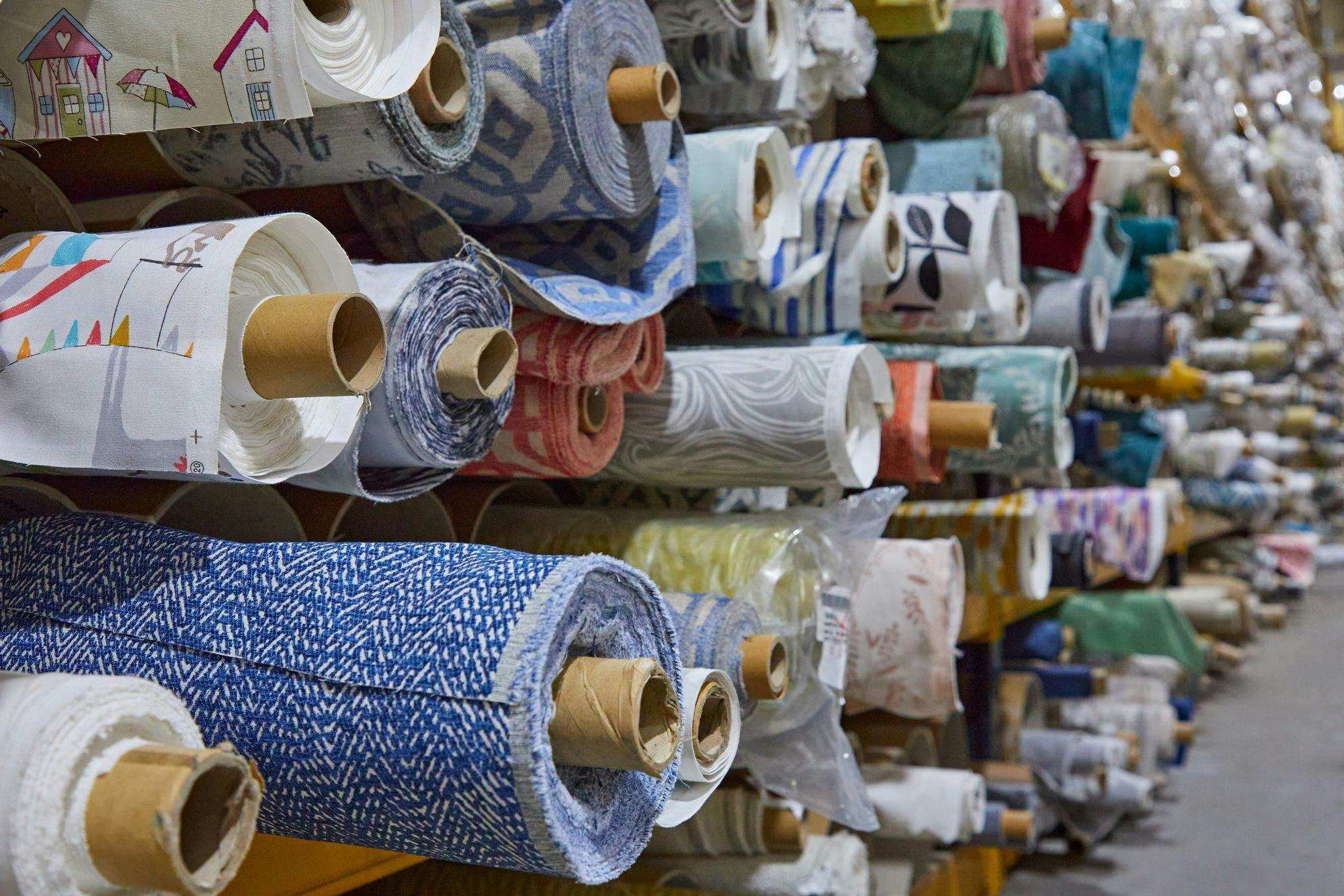
Rolls of Fabrics

The lifecycle of a sustainable blind or curtain

To make an informed choice, it’s worth understanding what happens across the entire life of a product. 


Raw materials 

How fibres are grown, harvested, or recycled. 

Manufacturing 

Energy sources, chemical use, water consumption, and waste processing. 

Use and longevity 

High-quality fabrics last longer, meaning fewer replacements. 

End of life 

Can the fabric be recycled? 
Is it biodegradable? 
Does it contain mixed fibres that complicate recycling? 

This deeper lifecycle approach is critical for accuracy and trust - the UK still sends 336,000 tonnes of textiles to landfill or incineration every year, making recyclability and responsible fibre choices critical. 


The UK is actively transitioning toward lower-impact textiles, with UK Textiles Pact targeting a 50% reduction in textile carbon footprints and a 30% reduction in water footprints by 2030.  
This aligns with DEFRA’s 2025 Environmental Improvement Plan, which places circularity and responsible material choices at the centre of UK environmental policy.  

FAQs

Are recycled materials as durable as traditional fabrics?

Yes. Recycled polyester is often stronger and more consistent than virgin fibre. 

Which ecofriendly fabric has the lowest environmental impact?

Natural fibres tend to require less water and fewer chemicals.

Can all blinds be made from sustainable fabrics?

Many types can, especially Roller, Roman, Pleated, and curtains, but technical blackout fabrics may still contain synthetics. 

  • "Our recycled fabrics are made from recycled PET polyester plastic bottles, giving a second life to materials and reducing the need for petroleum based processes involved in creating virgin polyester."

    Sam Cutler - Head of Environment and Sustainability

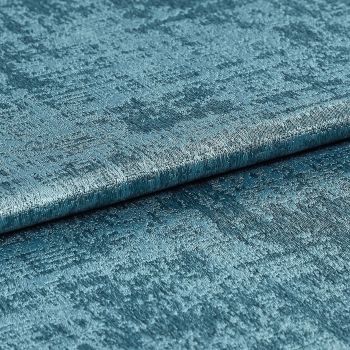
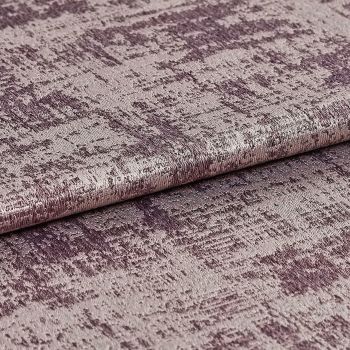
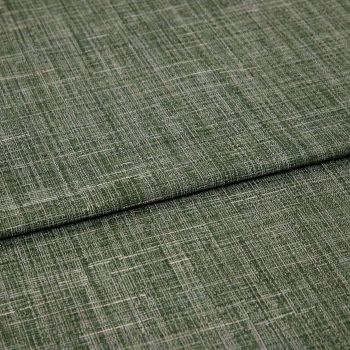
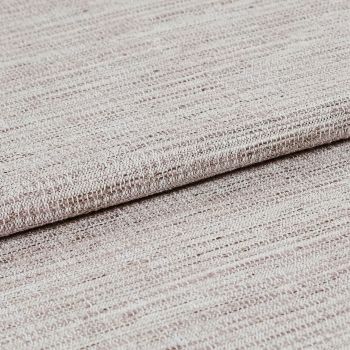
Take a look at our more sustainable textile fabrics

Filter by:

143 options

Looking for more inspiration?

Read more about how we can help you make sustainable choices at home