

Request an appointment
  • Price Promise

  • Rated Excellent

  • Fully Guaranteed

  • Over 40 years of value

Hillarys homepage1800 882 9171800 882 917Request a brochureRequest an appointment

Serene space - how to soundproof windows

Author Lisa CooperHead of Product at Hunter DouglasWritten 29/04/2026
Exterior Tudor-style house in red brick with integral garage with white roller door, shingle all around house and drive.

Noise has a way of creeping into our homes, whether it's traffic outside, neighbours chatting or the general hum of urban living. But unwanted noise doesn't always mean you need new windows. Expert approved fixes - from sealing the frame properly to using sound absorbing blinds, curtains and shutters - can make a noticeable difference. While they won't create total soundproofing, they can greatly enhance the noise insulation of the windows you already have. This article gives you advice, low-cost fixes, more advanced upgrades, and answers to the most common questions people ask around how to soundproof windows.
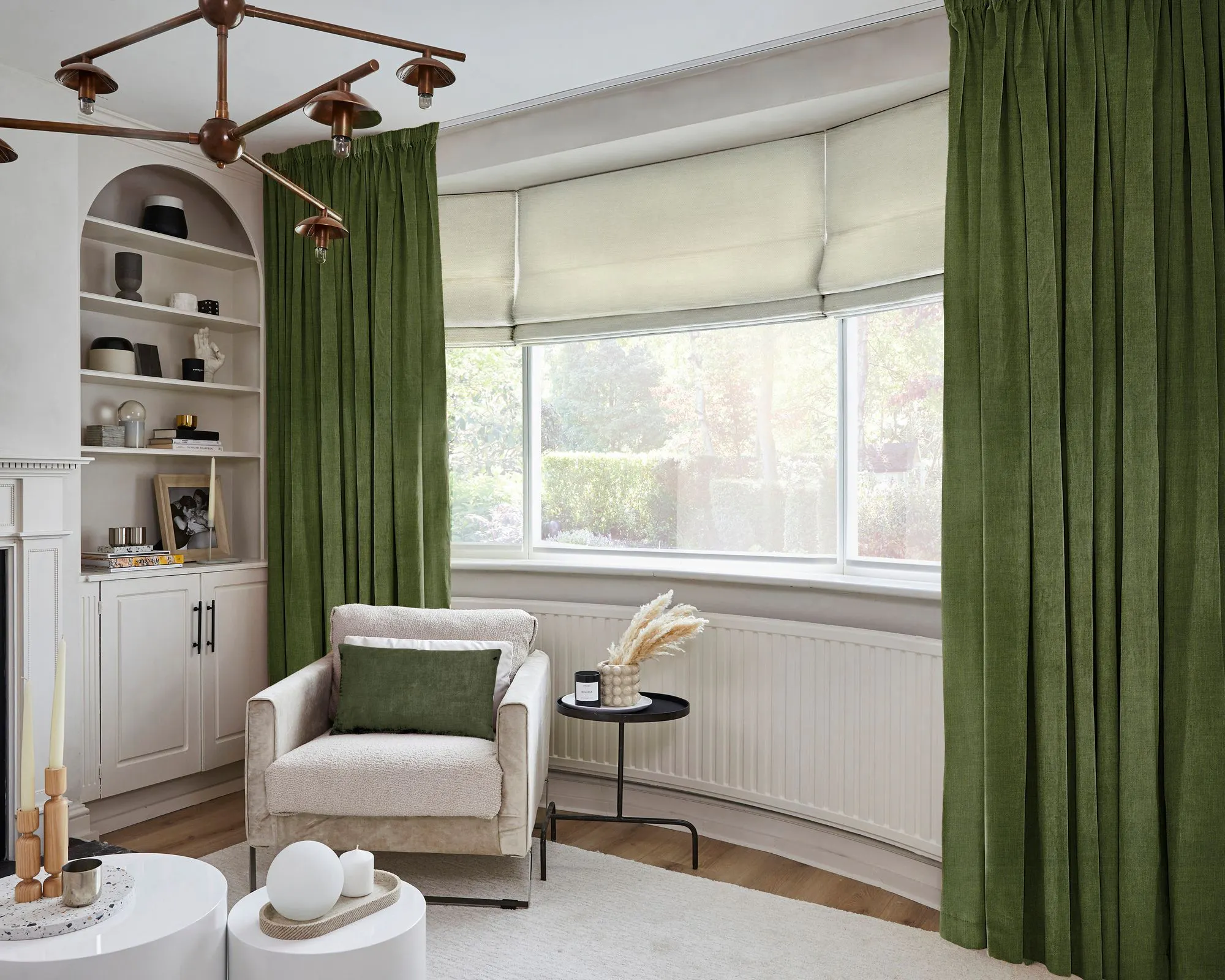
Lindora Pesto Curtains in the Living Room

A calmer home begins with the way it feels, and the way it sounds

There's a particular kind of peace that comes from closing the door behind you at the end of a long day, the feeling of stepping into a space that feels unmistakably yours. Sometimes the outside world sneaks in a little more boldly than we'd like and even the most beautifully decorated room can feel unsettled when sound refuses to stay outside. Government research shows that 40% of residents are regularly bothered by traffic noise at home, making unwanted sound a common concern. It's a reminder that creating a quieter space isn't a luxury, it's something many of us genuinely need for our wellbeing. Creating a quieter home isn't really about chasing silence. It's about crafting comfort, a softness in the atmosphere, a sense of calm that gently wraps around you. Your windows can play a huge part in shaping the mood of your home. And the lovely part? It doesn't have to involve major renovations or replacing your windows. Often, it's the simplest changes that make the space feel more serene.

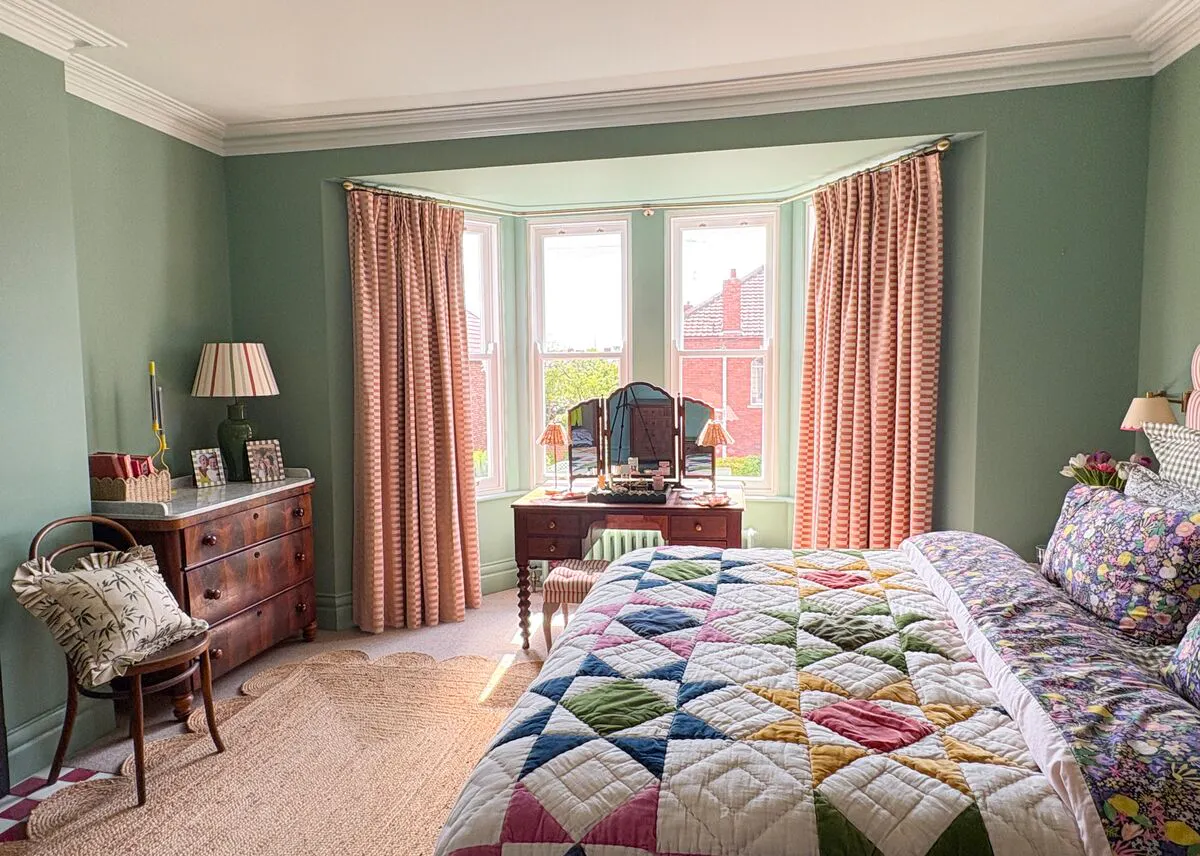
Pale green bedroom with deep recess bay window with curtains in pale salmon with small copper rectangle, open, bed with pinstriped headboard and handmade-style quilt  with accent colours in copper, blue and green reflected in mirror of dressing table in bay.

Begin with the feeling you want

Before doing anything practical, pause for a moment and picture what "quiet" means to you. Is it a cosy bedroom where you ease into sleep, untouched by the outside world? A calm living space where conversations don't compete with passing cars? Or perhaps a home office where your thoughts stay clear and uninterrupted? Starting with these questions helps everything that follows to feel purposeful.

Gentle changes with big impact

Windows are storytellers. They frame the world outside and invite in the light but they can also offer some uninvited outside noise. Luckily, it doesn't take much to shift the entire atmosphere. If you're keeping an eye on costs, start with the small things - simple shifts like rearranging a room so that a bookcase or wardrobe sits near the noisiest wall can create a surprising cocooning effect. These are the quiet victories that build a more peaceful home, one thoughtful step at a time, before moving onto the next.

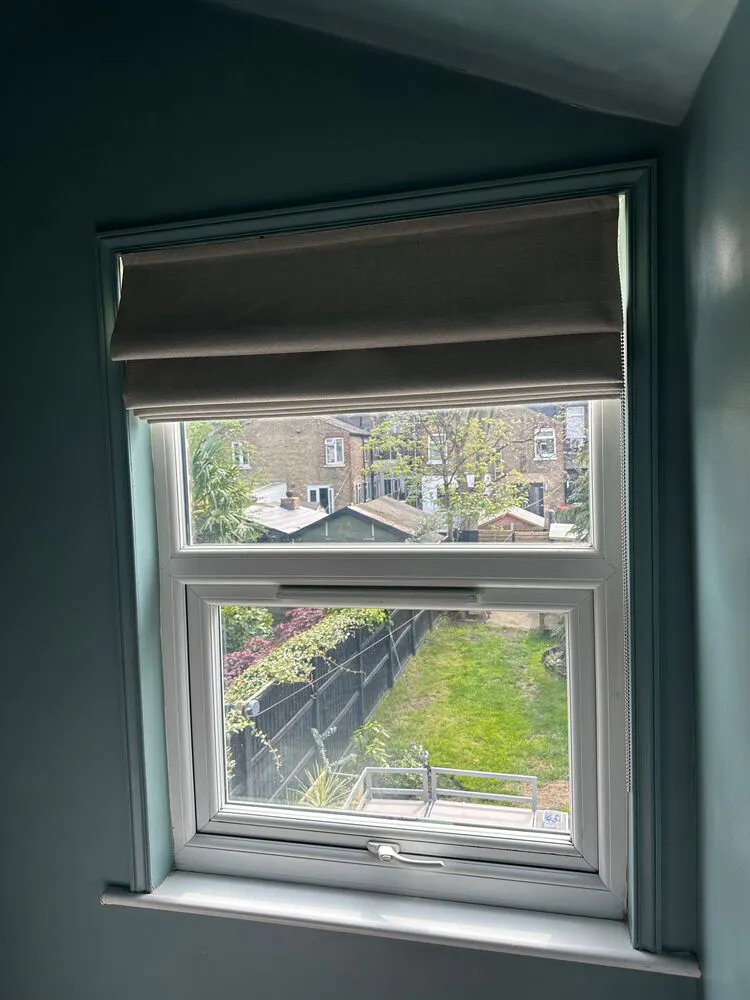
Small window in blue room dressed with mid grey Roman blind, raised, with view of garden below.

Seal in the calm

If it sometimes feels like noise slips in despite your best efforts, it's often down to the tiny, unseen pathways sound loves to travel through. Older frames, ageing seals, and even small gaps around the edges act like little channels, carrying outdoor sounds straight indoors. According to window specialists, most noise doesn't pass through the centre of the glass, it finds its way through tiny gaps, vents and worn seals. Even a small opening can let low frequency sound travel straight indoors. That's why improving seals and reducing air paths around the frame can be just as important as upgrading the glazing itself when it comes to window soundproofing. Once you shore up those little openings, your home immediately feels more settled and cocooned. Adding an acoustic seal around the frame is a little upgrade that can reduce the noise level from outside.

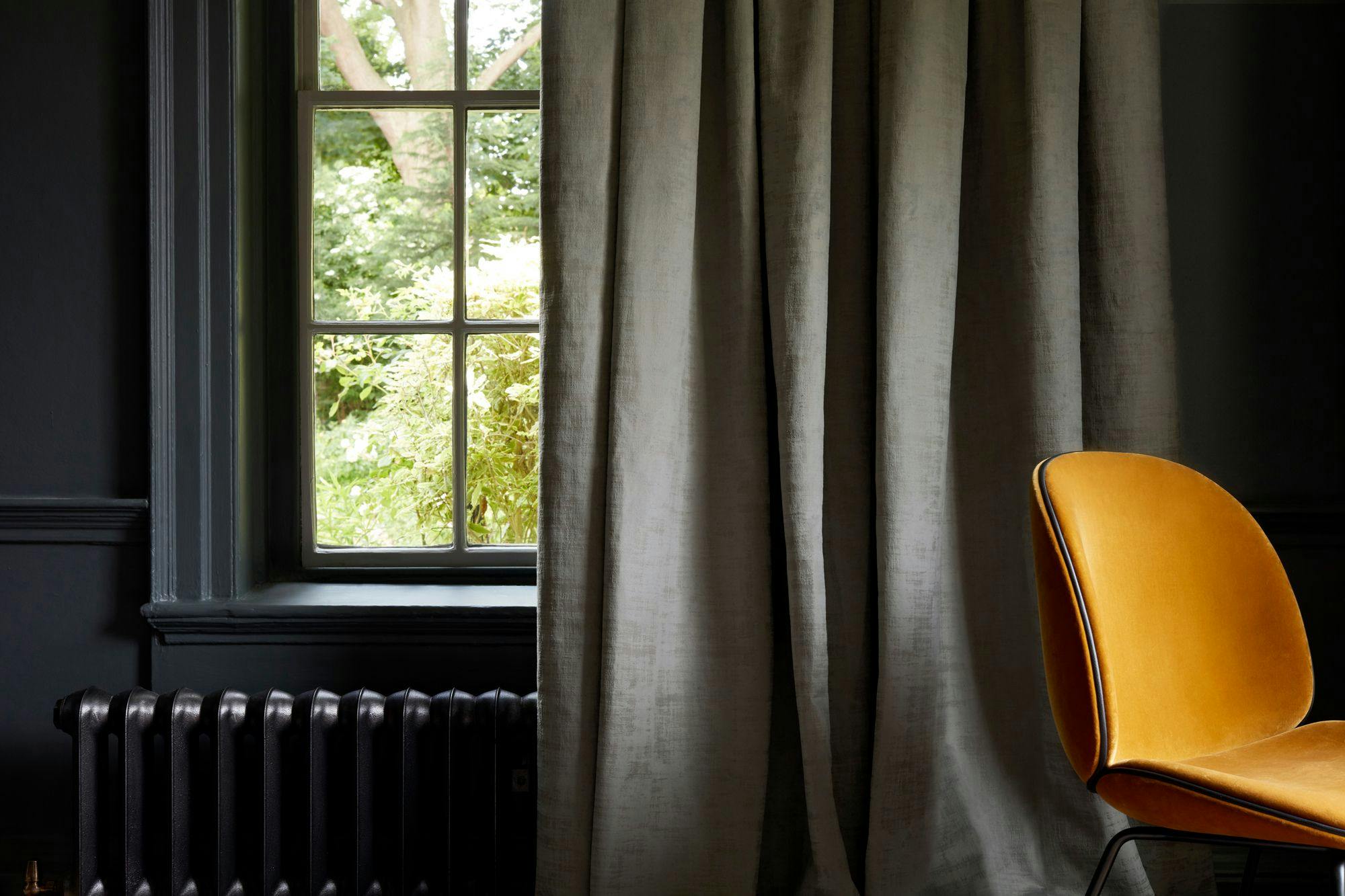
A mustard-yellow chair sits in front of heavy gray curtains, beside a window showcasing lush greenery outside. A dark radiator is positioned below the window, highlighting a cozy interior setting.

Let fabrics do the softening

You can get specialist acoustic curtains which help to soundproof windows, but they won't necessarily work with every setting or décor choice. Alternatively, fit heavyweight curtains, such as velvet or brocade, and with good quality lining. They absorb harsh sounds before they reach you, but they also add warmth, depth and a sense of comfort. Sometimes the atmosphere shifts the moment you draw them closed.

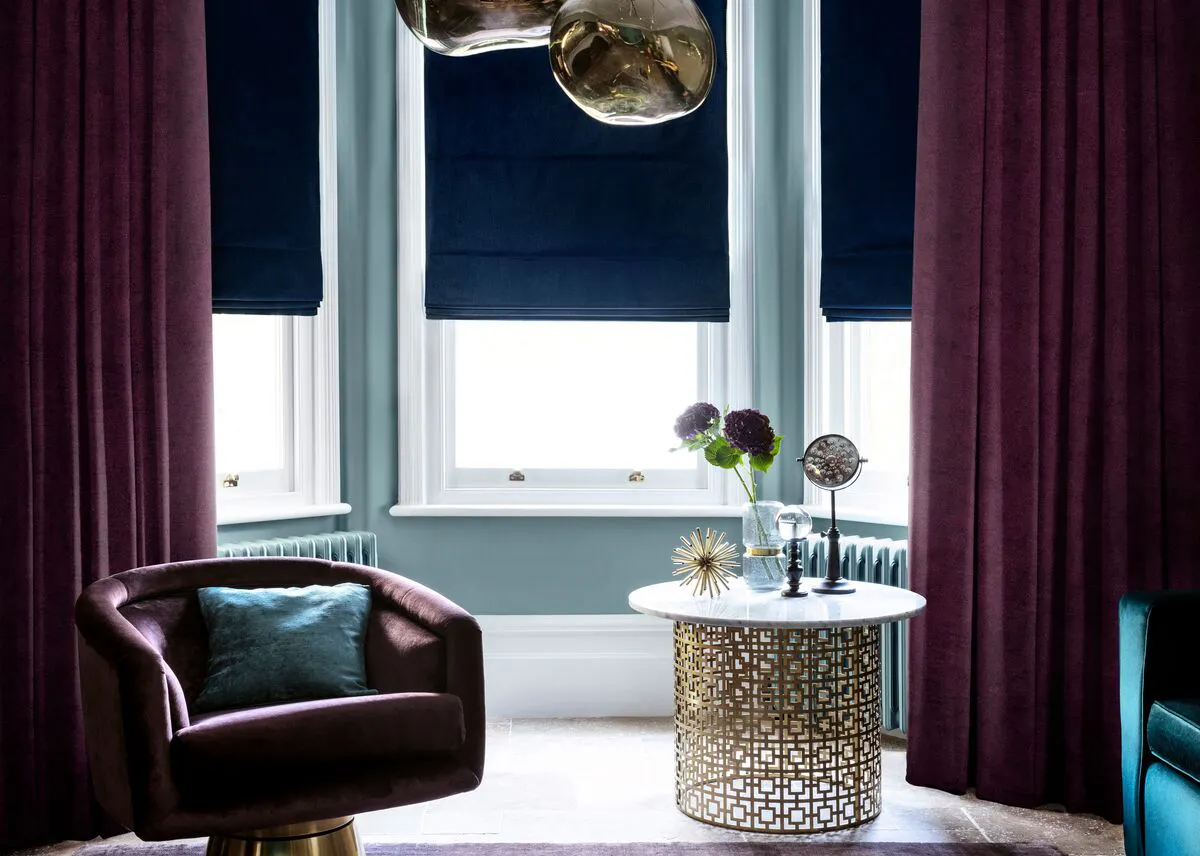
Bay window with deep blue Roman blinds framed by rich plum curtains, creating a moody lounge with soft light and layered textures.

Introduce a second layer

With your new heavy curtains in place, another layer of fabric - such as a Roman blind - can help to muffle any noise. If they're not your style, consider Duette® blinds. They won't stop sound from coming in but they can reduce the echo of existing interior sounds by up to 45%.

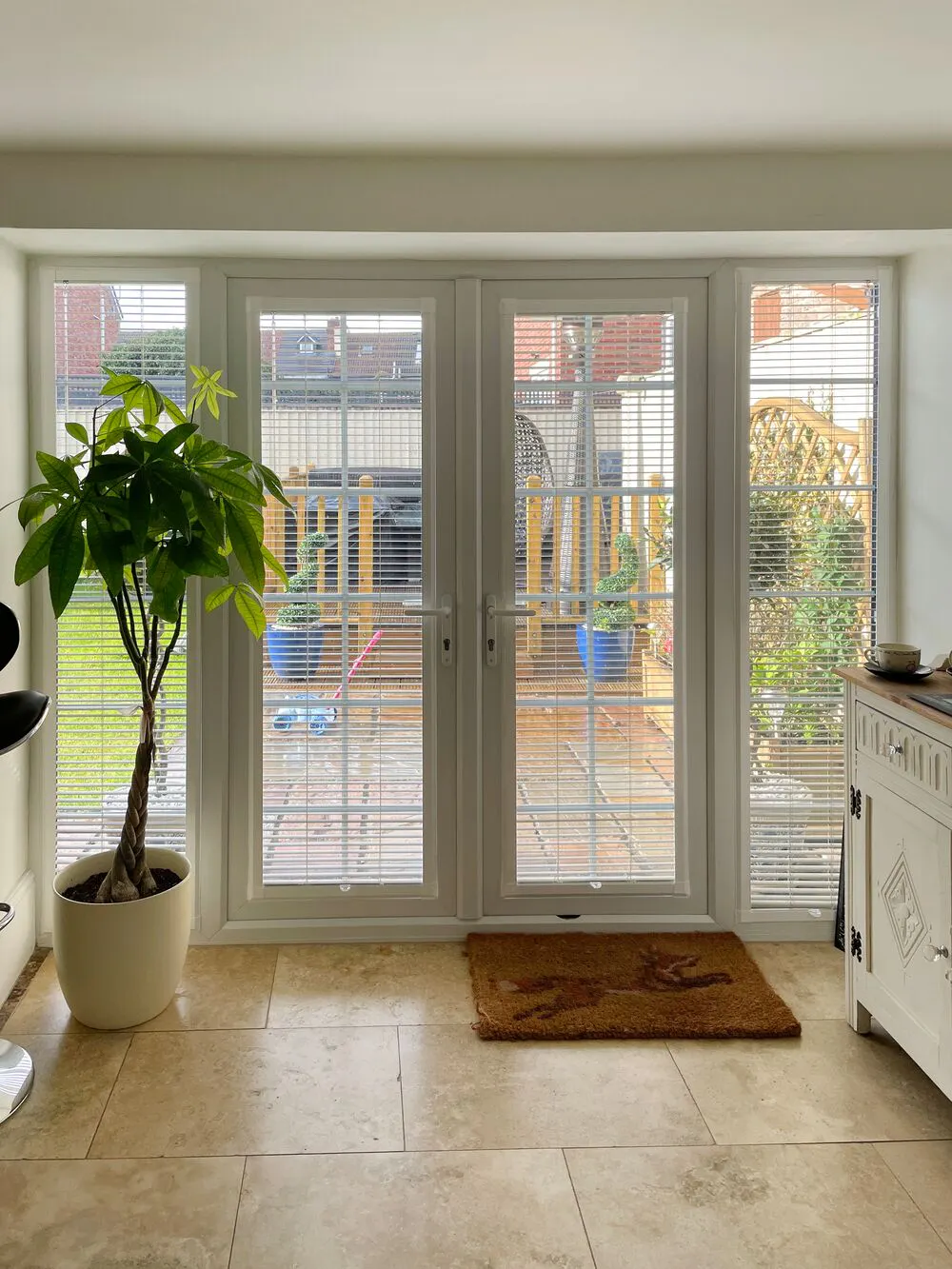
Cream kitchen with French doors and windows dressed in perfect fit cream venetian blinds, small tree in cream pot, coir doormat.

Do window inserts work?

Sometimes you need something that makes a real difference without changing the window itself. This is where window inserts feel almost magical. They slot neatly into place, creating a quiet little barrier between you and the outside world, softening everything from steady traffic hum to sudden bursts of noise. They won't silence your home completely, because to be honest, nothing will, but they do take the edge off the loudest sounds and create a noticeably calmer atmosphere. Think of them like slipping an extra cosy layer over your space: subtle, but incredibly comforting

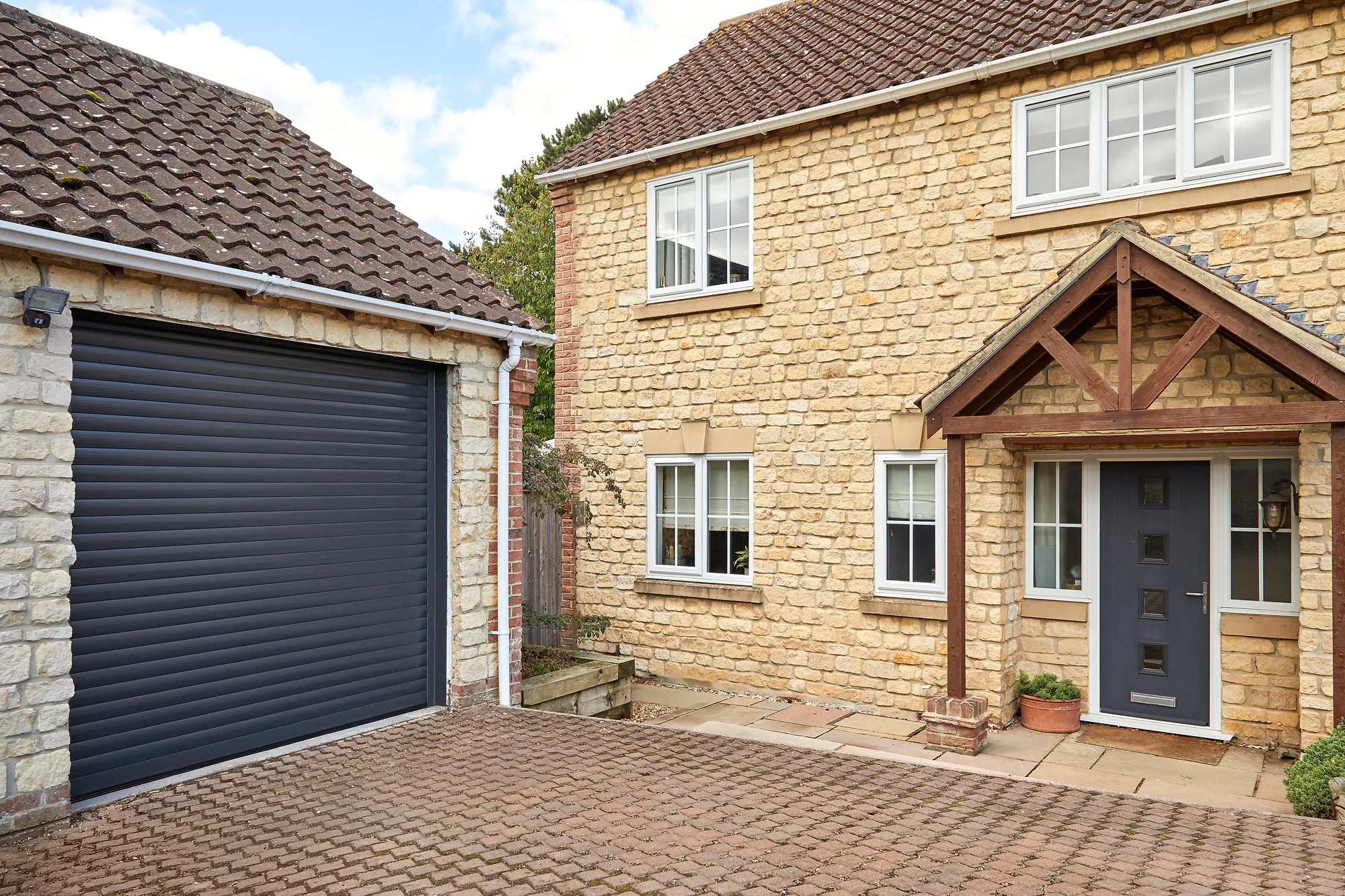
Traditional yellow-brown brick house with adjacent garage at 45 degree angle with an anthracite roller garage door, closed, a brick driveway connects the two, with a pergola porch over the house door which is a matching anthracite with four small square windows.

What about secondary glazing?

Recent acoustic assessments confirm secondary glazing can reduce noise by 40–45dB, thanks to the wide 100-200mm air gap it creates between the existing window and the internal panel. That's why many acousticians consider it the most powerful retrofit option for noisy streets and urban homes

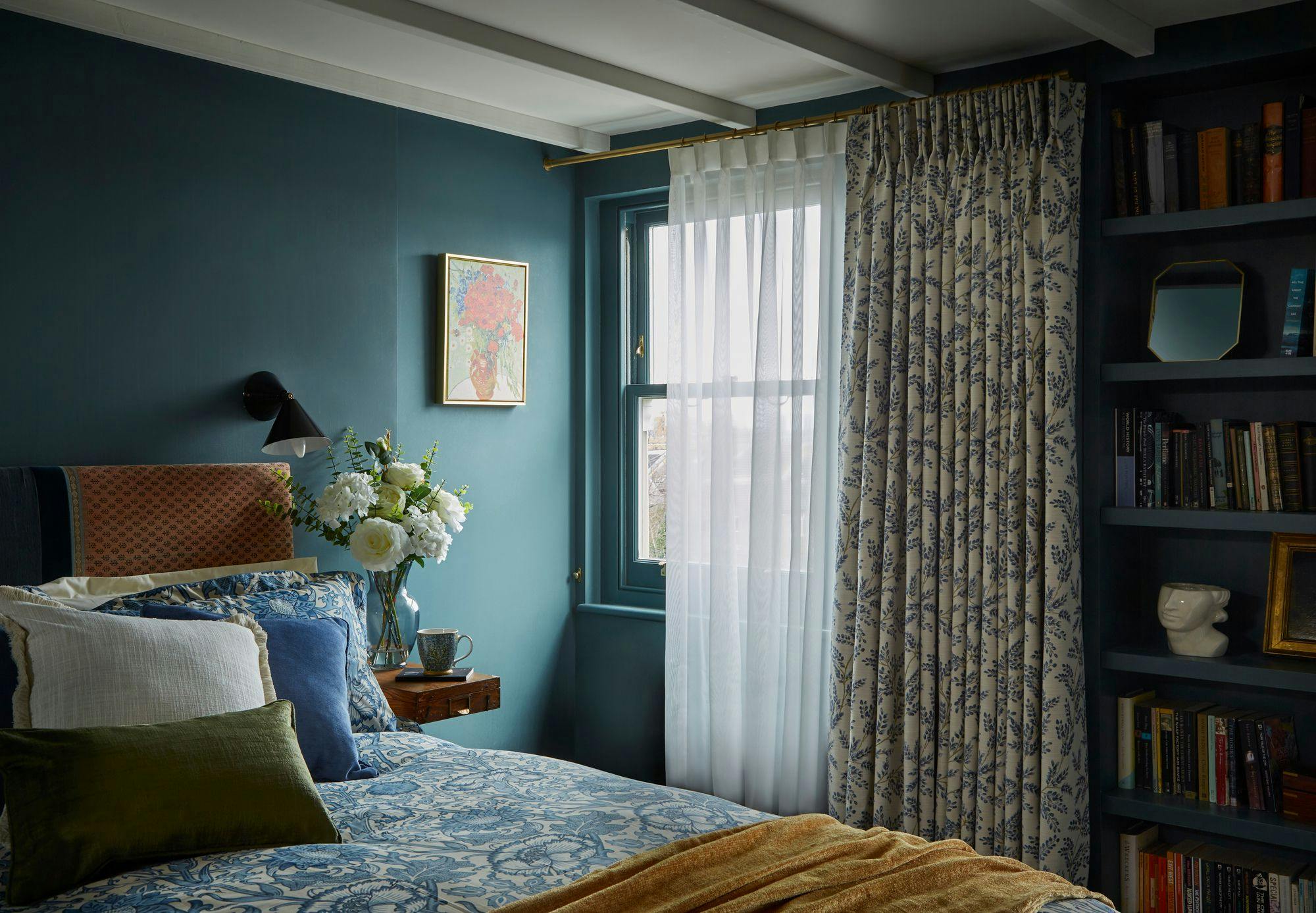
A bedroom with a patterned bed, floral curtains, and a vase of flowers on a side table. Books and a decorative sculpture fill a nearby shelf, enhancing the cozy atmosphere.

Finding quiet in period homes and sash windows

Sash windows have timeless charm, but they're not always the best at keeping the world at bay. Luckily, their character doesn't have to work against your comfort. Adding soft brush strips, refreshing worn paint lines, or pairing the window with layered curtains can make a difference you feel immediately. And if you want something more considered while keeping the original frame, slim secondary glazing blends beautifully into sash architecture without overwhelming it.

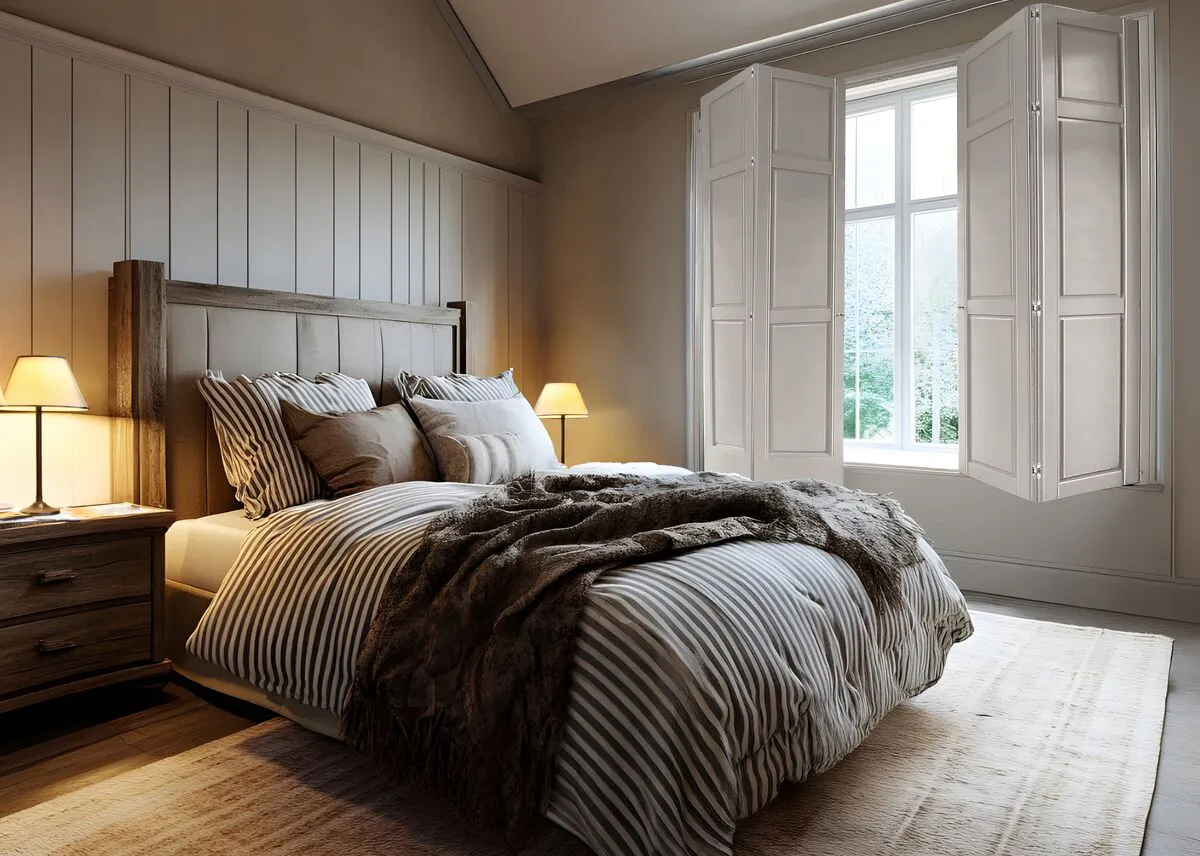
A cosy bedroom with soft lighting and a large window framed by white shutters, partly opened to let in natural light over the bed. 

For rooms that face the world

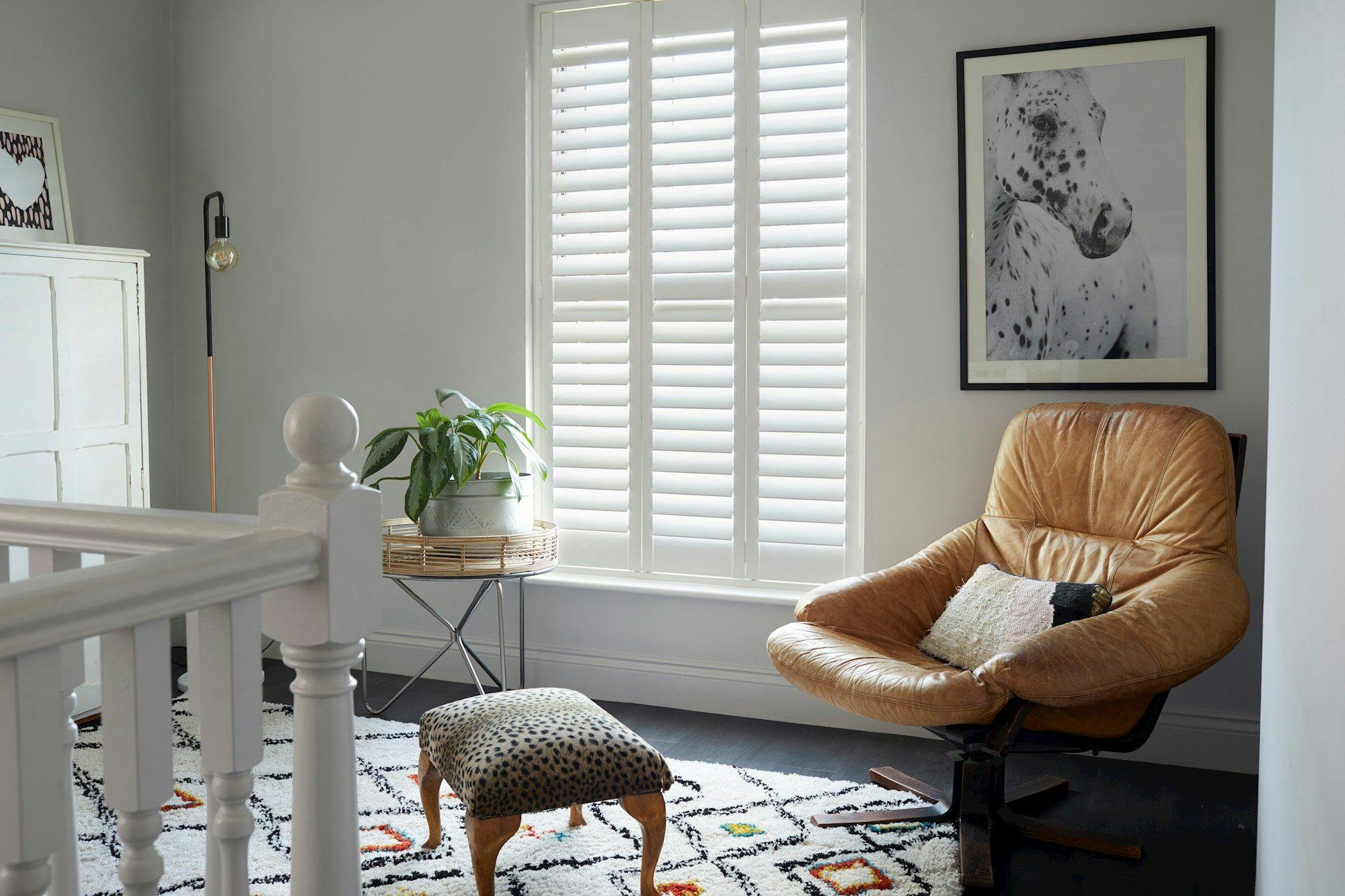
If your window looks out onto a busy road or a lively outdoor space, shutters add structure, with solid shutters going a step further still. Their solid panels create a firm, reassuring barrier that helps dull outside noise before it reaches the room. They're especially helpful for front-facing rooms or bedrooms where you want a stronger sense of separation from the street. Close them in the evening and the whole room feels a little more contained - calmer, quieter, and easier to unwind in. Paired with heavy curtains, they make a wonderfully effective, cosy combination. However, if your windows are very old and you have the budget, it's worth considering upgrading to new windows. Modern acoustic glazing can make a remarkable difference. Recent testing shows that while a typical single glazed window only reduces noise by around 20–24dB, high performance acoustic glazing can cut external noise by up to 45dB, depending on specification. That's enough to make a 75dB busy roadside environment feel as quiet as a library indoors.

How much does it cost to soundproof a window?

Soundproofing doesn't need to be expensive. Sometimes it begins with the smallest investment - a tube of sealant, or a little more for a cosy blind and new pair of curtains. Other times, it's a considered upgrade like solid shutters or secondary glazing that turns a favourite room into your personal retreat. No window solution can deliver perfect silence and that's okay. The aim isn't to create a vacuum; it's to soften the world outside until it fades into something distant and unintrusive. Peace doesn't have to be perfect. It just has to feel good. And with a few well-chosen updates, your serene space is already within reach.

Looking for more inspiration?