



Request an appointment
  • Price Promise

  • Rated Excellent

  • Fully Guaranteed

  • Over 40 years of value

Hillarys homepage1800 882 9171800 882 917Request a brochureRequest an appointment
Request an appointment

Kids’ playroom ideas for fun, learning and creativity

Author Lisa CooperHead of Product at Hunter DouglasWritten 26/10/2026
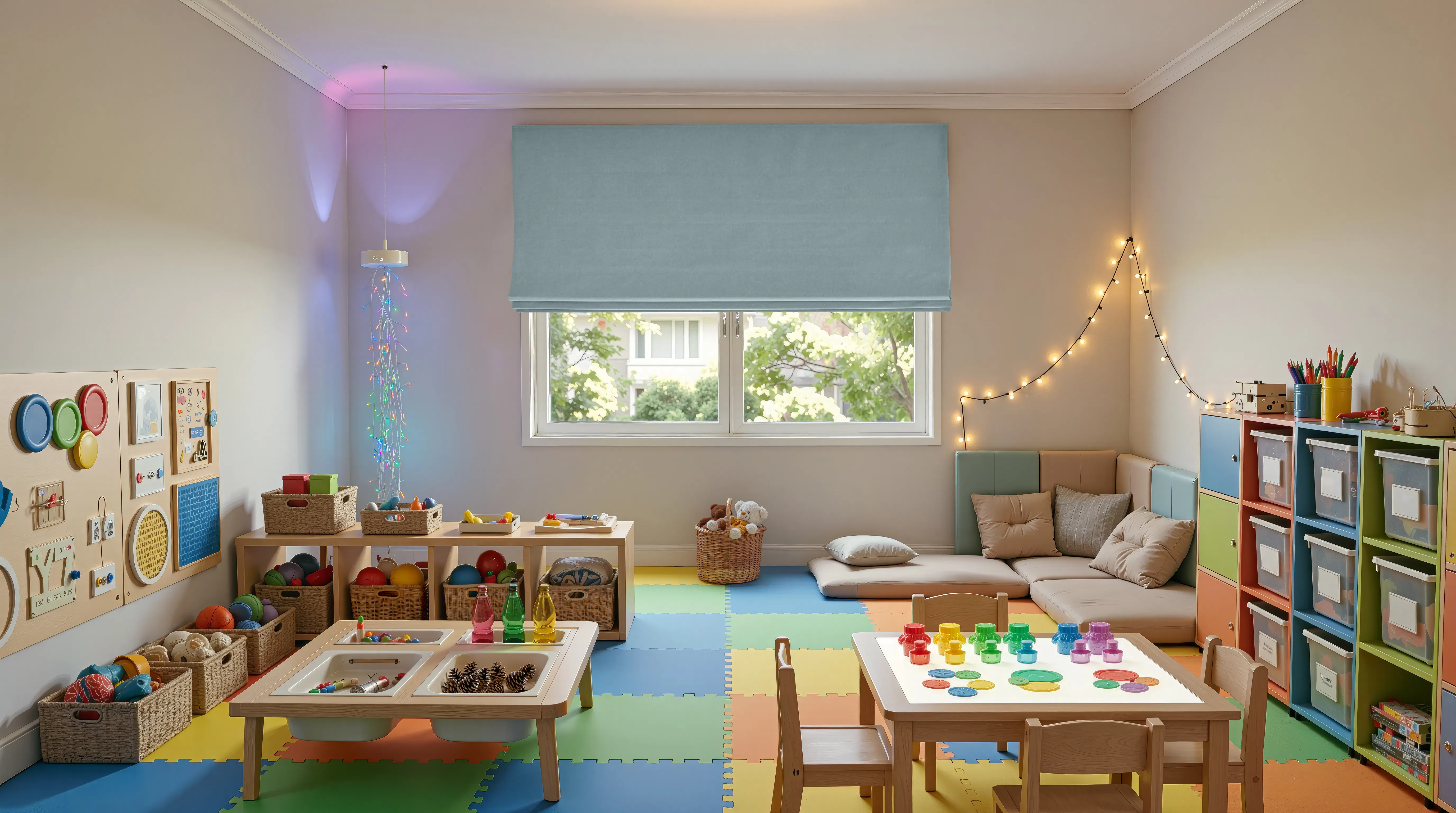
A bright children's playroom with a pale blue Roman blind, colourful foam floor tiles, wooden activity tables, storage cubes and a string of fairy lights.

A playroom is much more than a place to store toys. It's where children build, create, explore and learn, all while having fun. Whether you have a dedicated playroom, a spare bedroom or a corner of a family space, a well-planned playroom can create a room that works for kids and parents alike. 

The best playroom design ideas balance creativity with practicality. By planning a space that can adapt as your little one grows, you'll create a room that supports everything from imaginative play and craft projects to reading and homework in the years to come. 

Row of windows fitted with orange and yellow blinds, casting warm light into a colourful bedroom with mural artwork and a compact workspace.

Start by thinking about how they'll use the space

Every family uses a playroom differently, so it's worth considering how the room will work day-to-day. Younger children often need plenty of open floor space for imaginative play, while older children may benefit from areas for reading, drawing or homework. 

Creating simple zones can help the room feel organised without making it overly structured. A reading corner, a craft area and a space for toys can work together to make the room functional while still feeling relaxed and inviting. 

A vivid child's playroom fitted with bright green shutters

Choose colours that inspire creativity

Colour can play a big part in bringing a playroom to life. Bright shades like blues and greens can create a fun, energetic feel, while softer neutral tones help create a calm and relaxed atmosphere. The best choice is one that reflects your little one's personality and how they use the space. 

Accessories, artwork, rugs and window dressings – like these vibrant shutters - are all great ways to introduce colour and character, creating a space that feels playful, welcoming and uniquely theirs. 

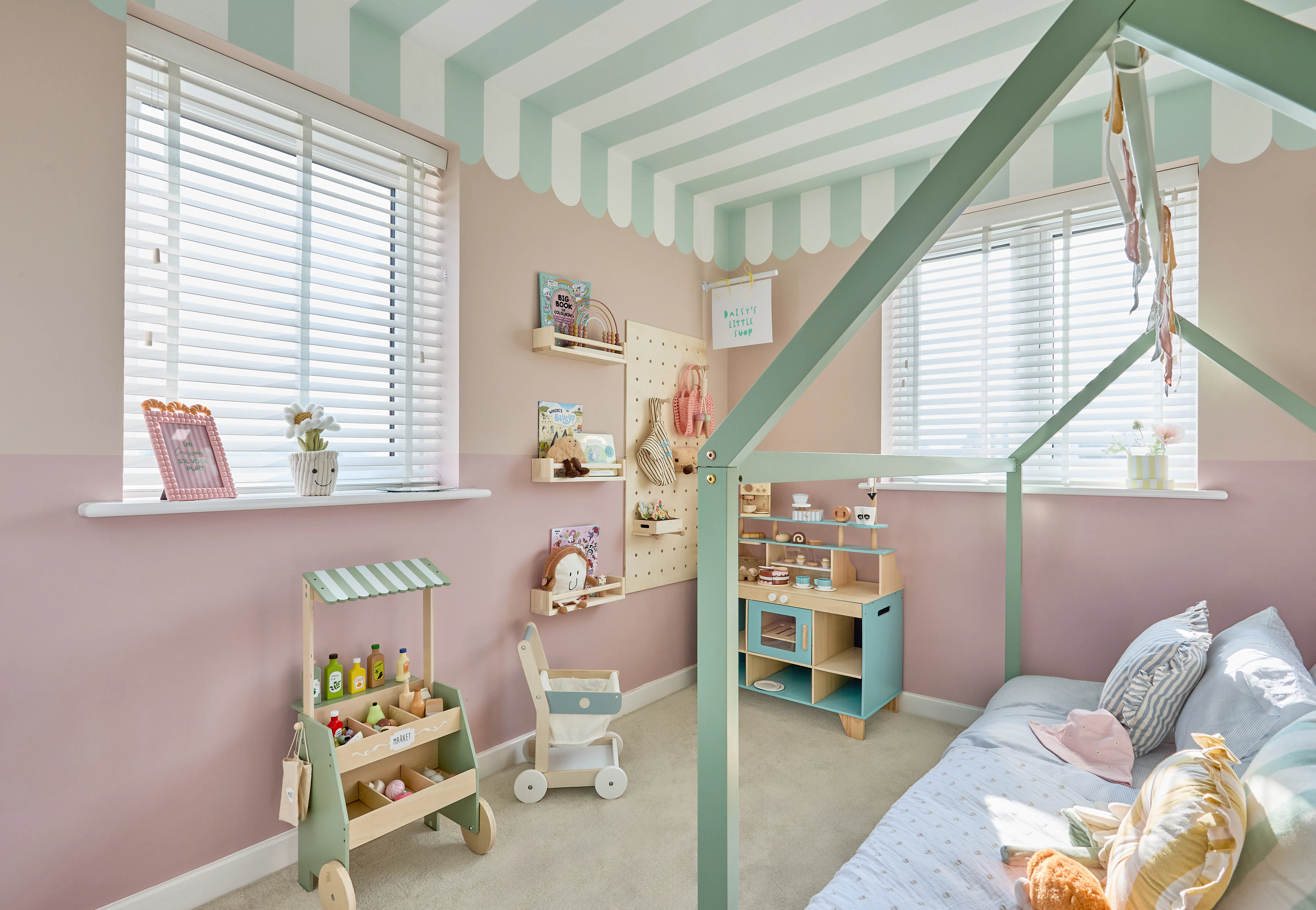
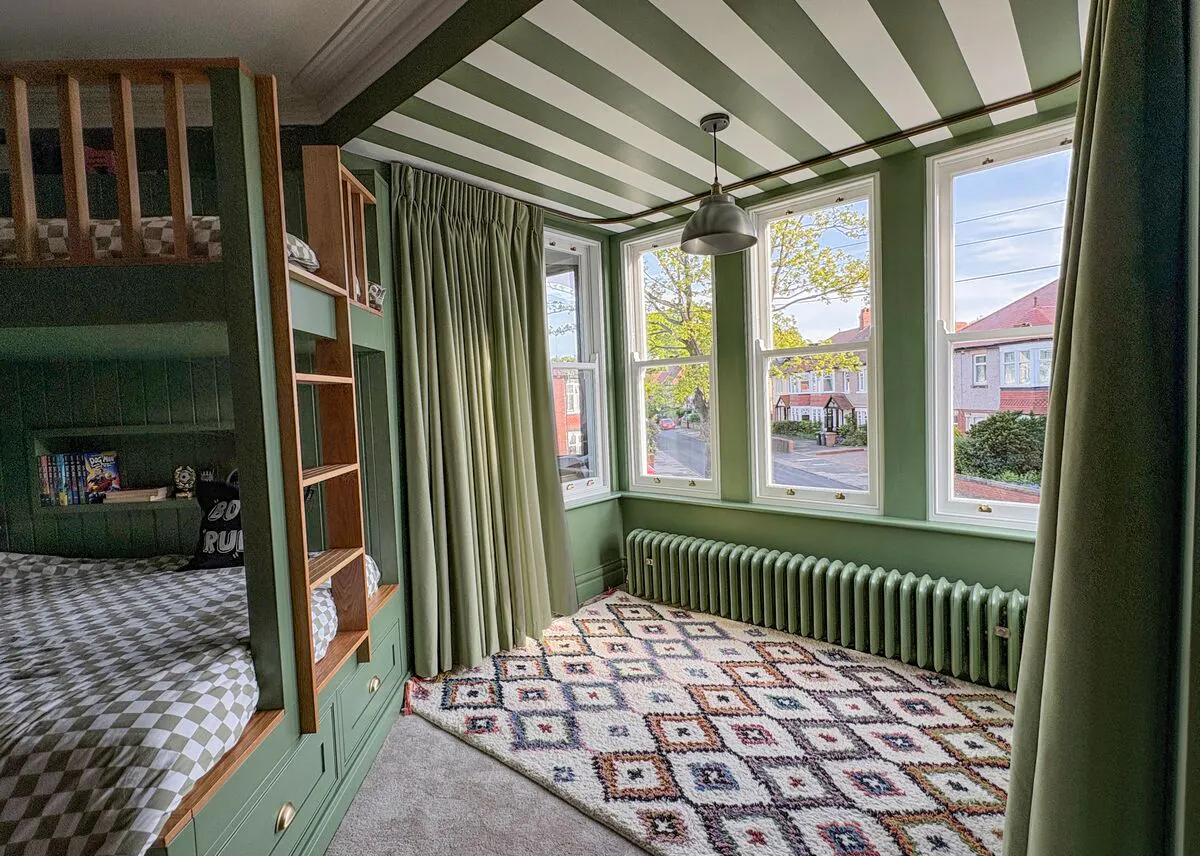
A pastel pink and sage green playroom with a striped canopy ceiling, wooden play shop and Wooden blinds.

Playroom ideas for toddlers

When looking for playroom ideas for toddlers, simplicity is often key. Open floor space allows little ones to crawl, toddle and explore safely, while low-level toys and storage help them access their belongings independently. 

A soft rug can create a comfortable place for play, while child-sized tables and chairs encourage drawing, colouring and creative activities. Book displays are another great addition, making favourite stories easy to see and reach. 

Playroom ideas for kids as they grow

Children's interests can change quickly, which is why flexibility is such an important part of playroom design. Storage that works perfectly for toys now can later hold books, games and craft supplies. Activity tables can become study spaces, while reading corners can continue to be enjoyed for years. 

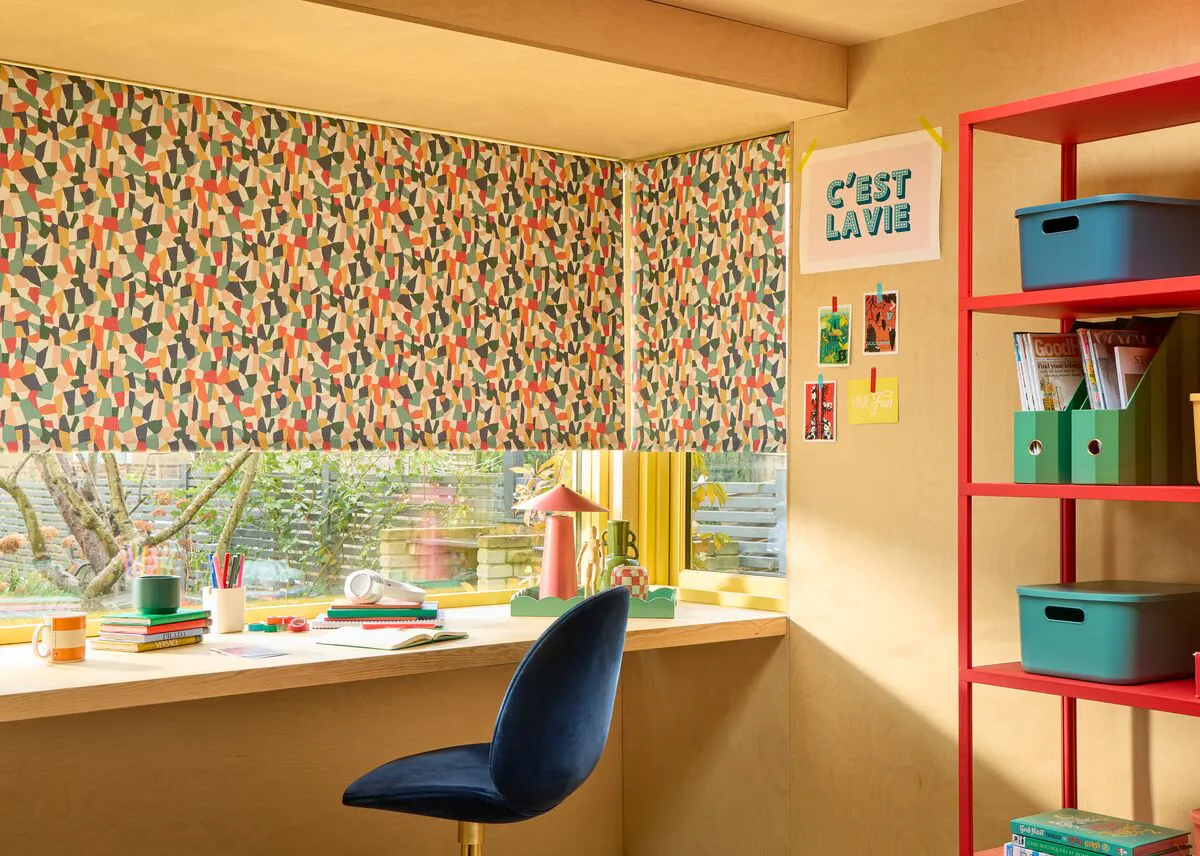
Adding a comfortable seat or beanbag can give older kids somewhere to relax, read or spend time with friends. A patterned blind can be an easy way to introduce colour and character, while furniture and décor that can adapt over time will help the room stay useful long after the toddler years. 

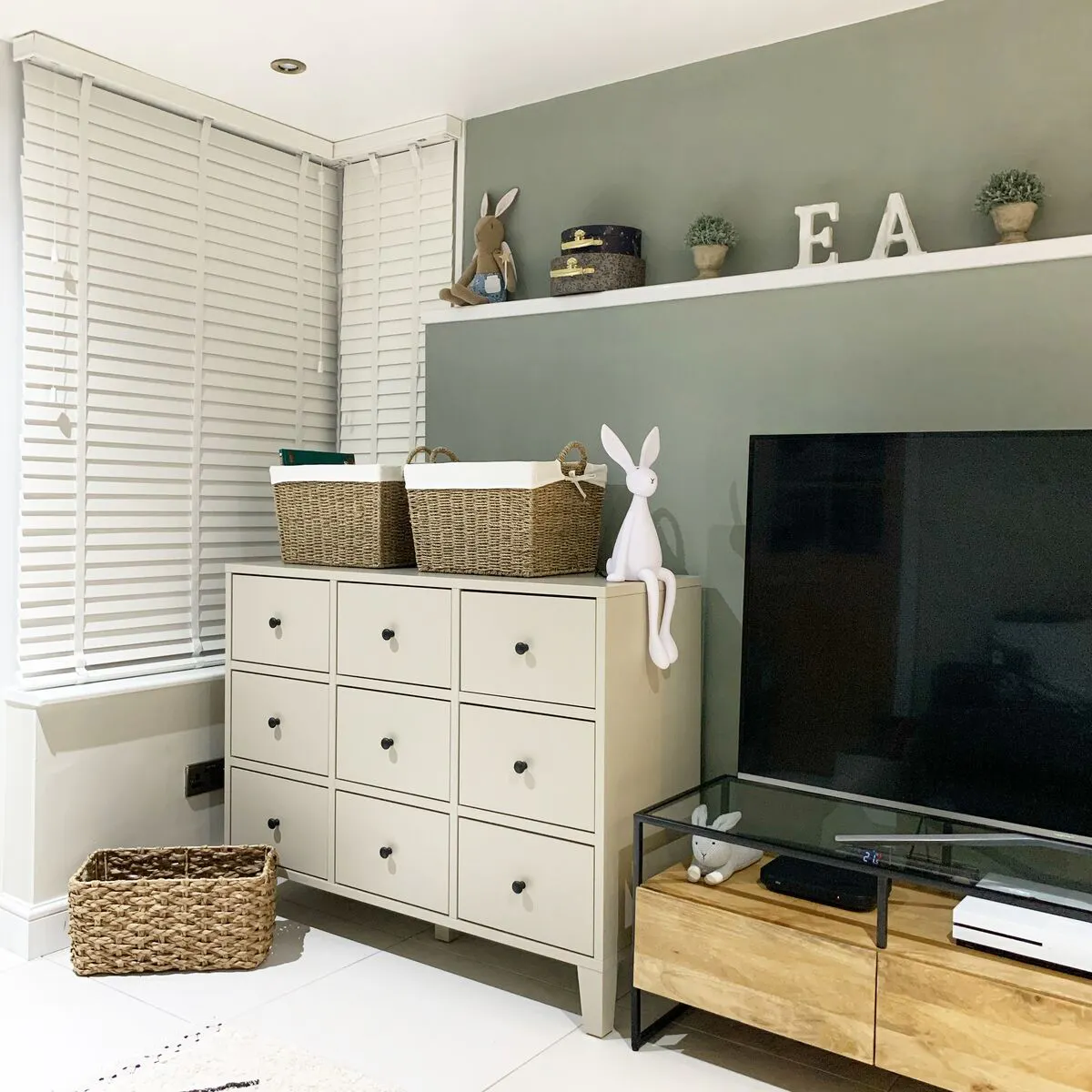
White shuttered corner window beside a storage unit and TV, bringing light into a calm room with sage-green walls and woven baskets.

Make storage part of the design

Storage doesn't need to be hidden away. In fact, it can become an important part of the room's overall look. Baskets and storage boxes make it easy to organise toys while keeping favourite items close at hand. Using a mix of open and concealed storage helps maintain a balance between accessibility and tidiness. 

In smaller playrooms, furniture with built-in storage can help make the most of available space without compromising on style. 

  • “With two small kids, functionality is a must, from blackout window dressings for those early summer mornings, to making sure every room has enough storage.” 

    Rumana Dawood, interiors content creator

Cosy kids' playroom with a teepee, toys, storage, and soft lighting, featuring white perfect fit shutters

Let in plenty of natural light

Natural light can help make a playroom feel bright, welcoming and comfortable throughout the day. Window dressings can help manage light levels while complementing the overall scheme. 

Blinds, curtains and shutters can all help create a practical environment for playing, reading and creative activities. Shutters bring a timeless feel to a room and make it easy to adjust light and privacy throughout the day, while curtains add softness and warmth. If convenience is a priority, electric blinds and curtains make it easy to control light levels at the touch of a button.  

  • “Dragging heavy curtain fabric through a machine is not my idea of fun. Add in two kids and zero spare time, and the decision was easy. Hillarys offered us not just expertise, but time back to spend as a family, and that’s priceless.” 

    Rumana Dawood, interiors content creator

Close-up of blue patterned Roman blinds in a bay window, with a teal armchair and small side table beside a black radiator.

Add personality with pattern and texture

A playroom should reflect the people who use it. Pattern and texture are a great way to introduce personality. 

Layering rugs and soft fabrics like Roman blinds or curtains can make the space feel warm and inviting, while wall art and colourful accessories help create a sense of fun. These finishing touches can help children feel a stronger connection to the room and encourage them to make it their own. 

Key takeaways:

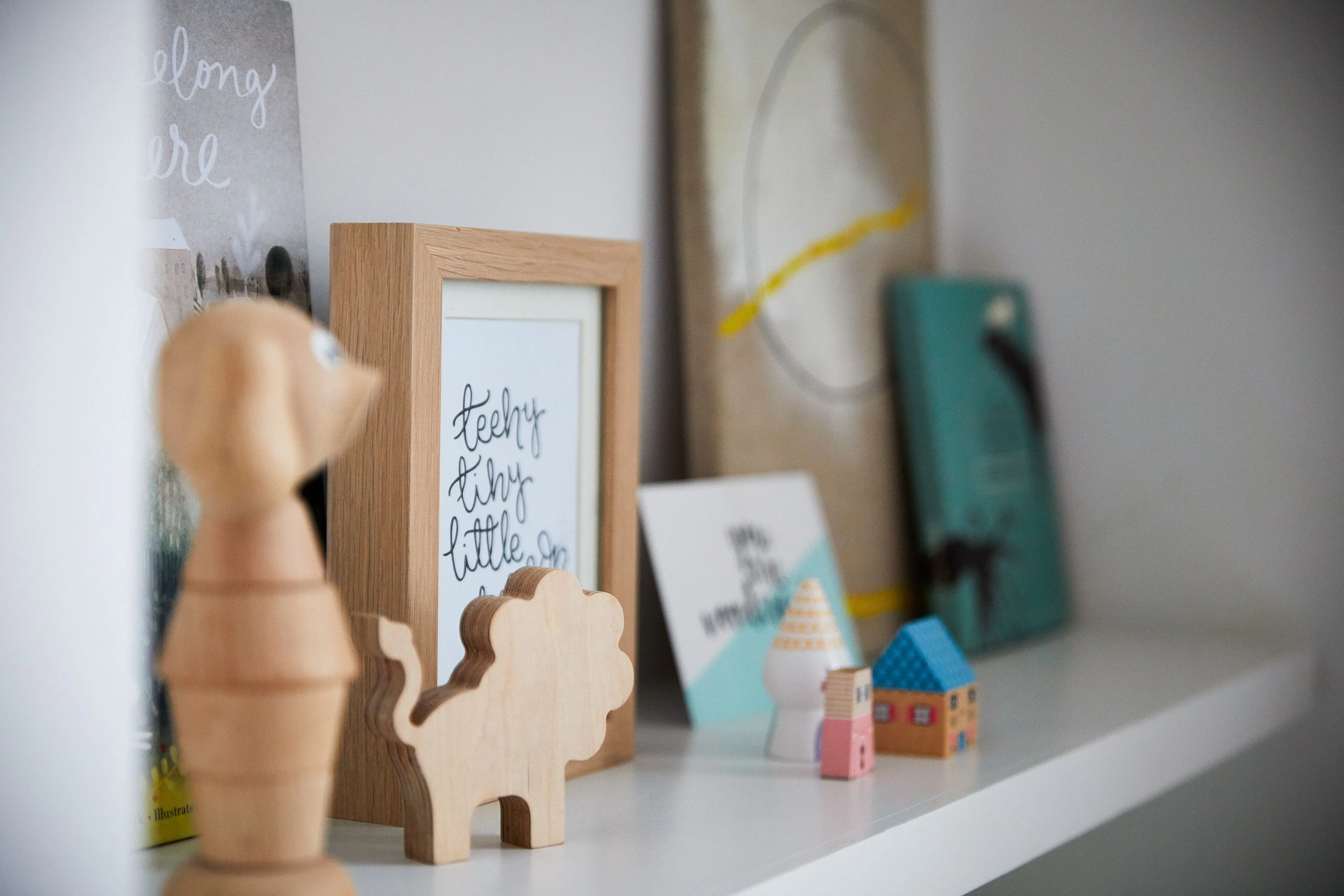
White shelf styled with framed prints, wooden ornaments and miniature houses, shown in soft focus against a neutral wall.
  • Plan the room around how your little one will use the space. 
  • Create dedicated areas for play, reading, crafting and learning. 
  • Choose colours that reflect your child's personality and interests. 
  • Keep layouts simple and accessible for toddlers. 
  • Invest in adaptable furniture that works for different ages. 
  • Make storage easy to use and part of the overall design. 
  • Use blinds, curtains and shutters to manage light and add character. 
  • Introduce pattern and texture for a fun, welcoming feel. 

Create a space that grows with your family

The most successful playroom design ideas are the ones that evolve over time. By choosing furniture and décor that can adapt as your child grows, you can create a room that changes alongside their interests. 

Whether it's a space for imaginative play, creative projects, learning or relaxing, a well-planned playroom can support every stage of childhood while remaining practical for everyday family life. The right window dressings can help complete the look, creating a comfortable space that's ready for everything from lively craft sessions to quiet moments with a favourite book.

You might also be interested in…

*Order now for fitting in time for Christmas is available on selected blinds and curtains only and is subject to advisor capacity. Regional variances may apply. Wooden shutters, conservatory blinds, Duette blinds, Blind Screen, pleated blinds and awnings are not included.