



Request an appointment
  • Price Promise

  • Rated Excellent

  • Fully Guaranteed

  • Over 40 years of value

Hillarys homepage1800 882 9171800 882 917Request a brochureRequest an appointment

How to sleep in a hot bedroom

Yvonne kneel product designer holding roman blindAuthor Yvonne KealProduct Management SpecialistWritten 04/06/2025
Chalk-white bedroom with two corner windows dressed in white voile curtains, partially pulled back, layered under pale oyster curtains, pulled back, bed in foreground with white bedding, dressing table and stool in corner against dark grey panelling.

10 ways to keep cool at night

Struggling to sleep in a hot room? You’re not alone. Whether it’s a summer heatwave or just a naturally stuffy bedroom, high temperatures can make drifting off feel impossible. In this guide, we’ll explore why your room feels so hot, what temperature is ideal for sleep, and some tried-and-tested ways to cool down, without the need for air conditioning.
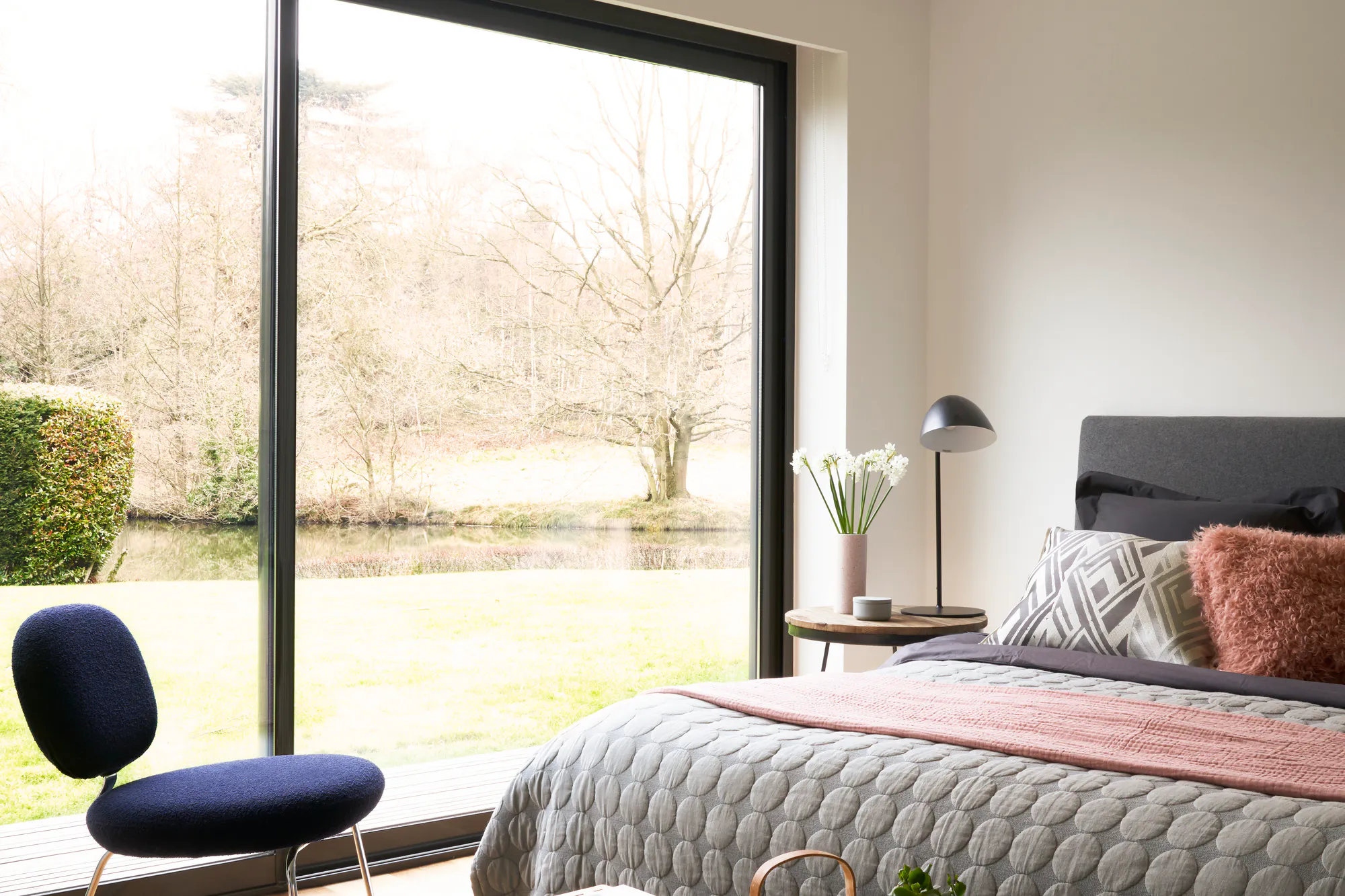

Why is it so hard to sleep when it's hot?

Your body cools down naturally at night to help you fall asleep. But if your bedroom is too warm, that cooling process gets disrupted. That’s why a hot room can make it harder to nod off and stay asleep through the night.

Common causes of a hot bedroom include:

South-facing windows that let in sunlight all day

Poor ventilation or insulation

Warm air rising to upper floors

Heat-retaining materials like memory foam mattresses

What happens when you sleep in a hot room?

Sleeping in a warm bedroom doesn’t just make you uncomfortable, it can have a negative effect on your health, too. High temperatures can disrupt your sleep cycle, lead to dehydration and headaches, cause restlessness or night sweats or simply reduce sleep quality, leaving you groggy the next day.

Did you know?

Experts including The Sleep Charity, recommend keeping your bedroom between 16°C and 18°C (60–65°F) for optimal sleep.

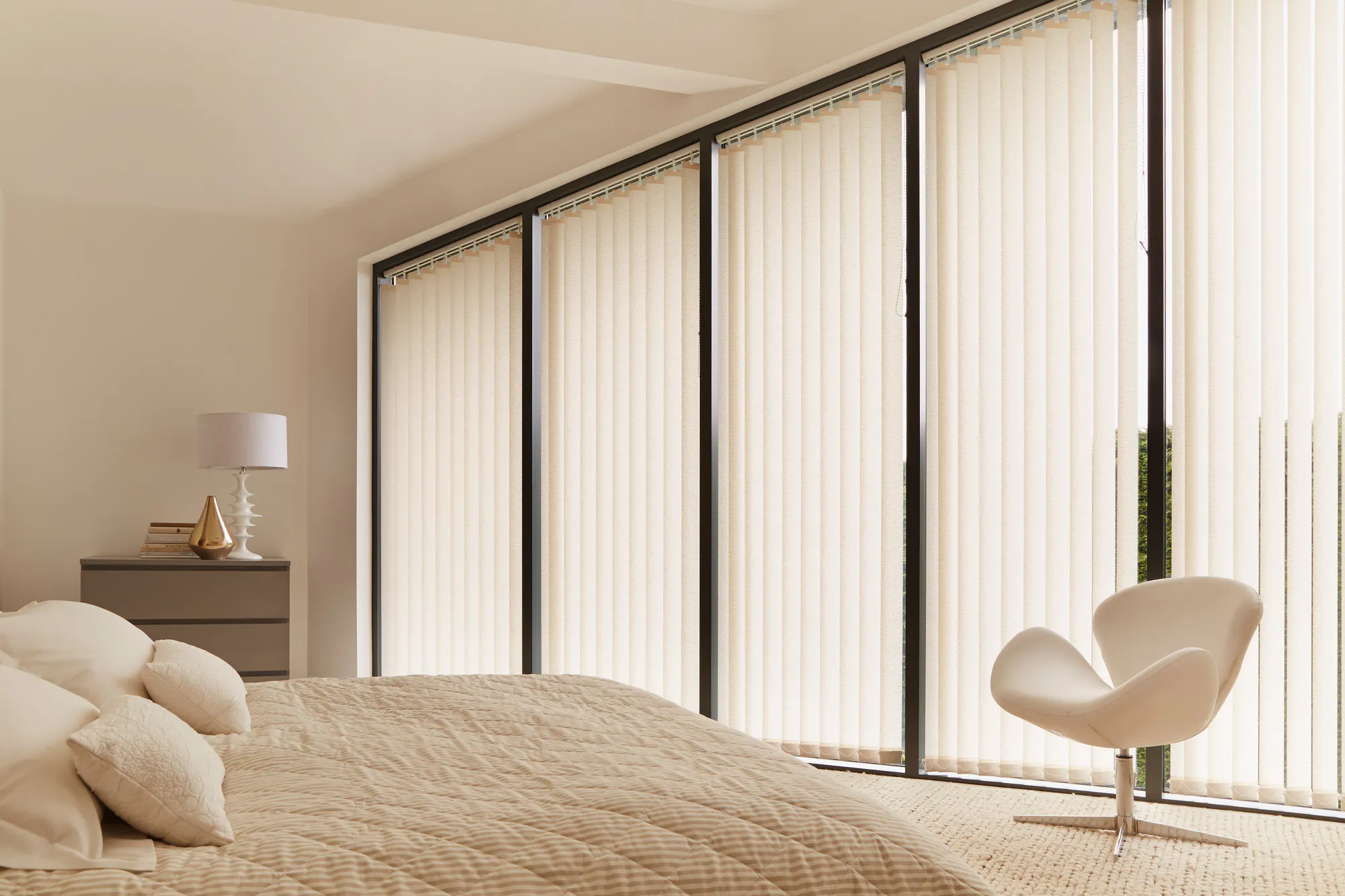
Keep windows covered during the day

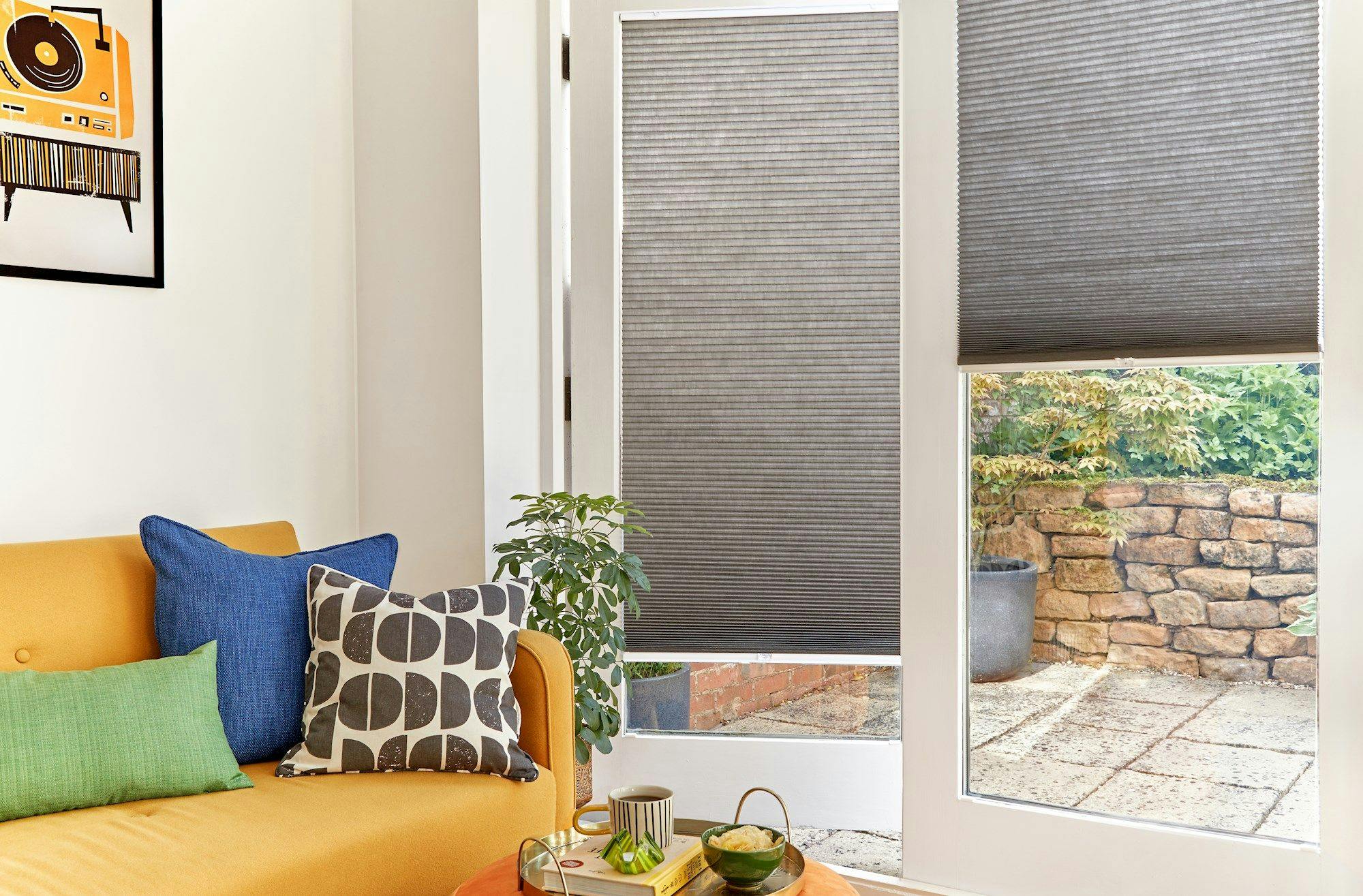
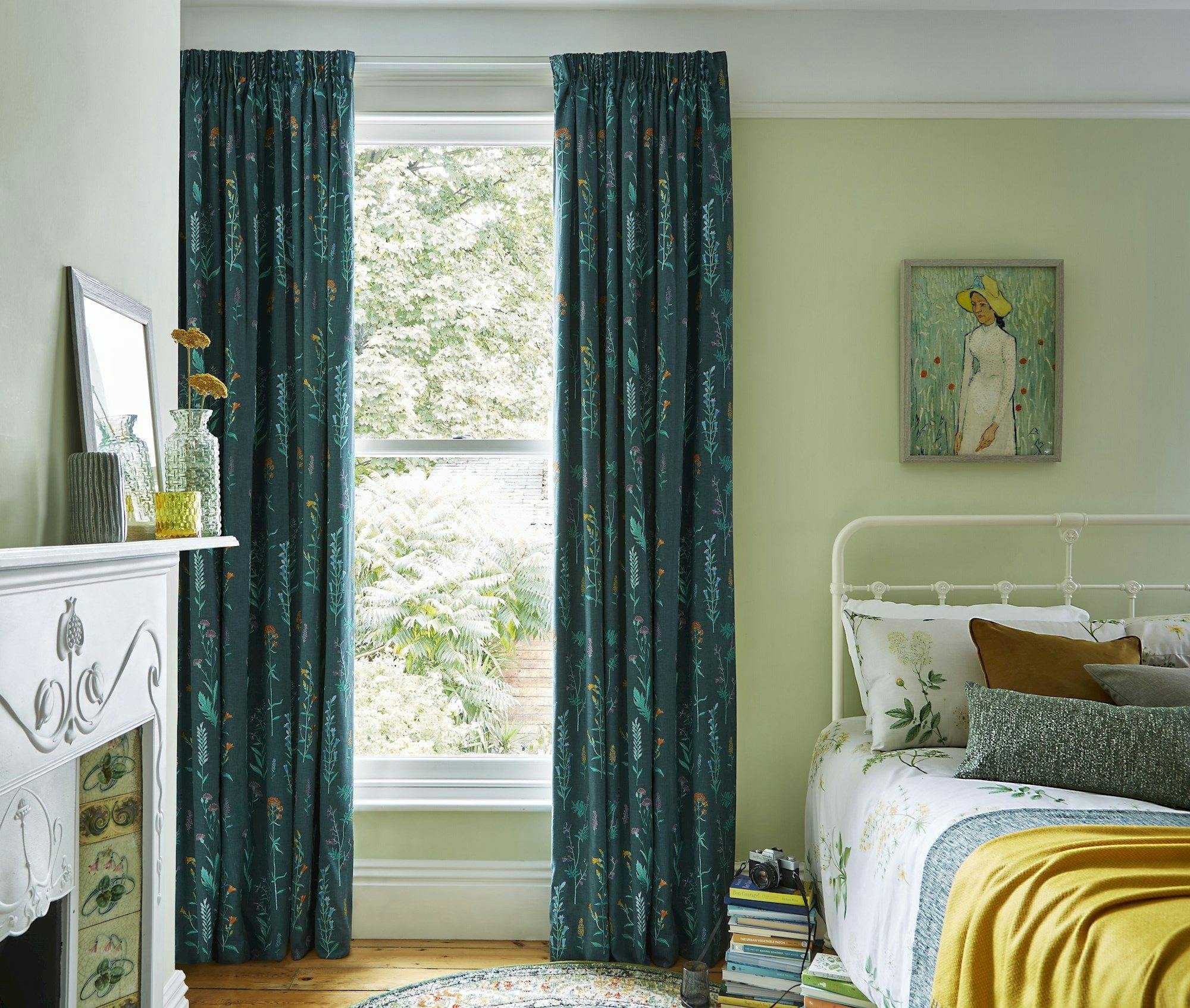
Sunlight streaming through your windows may look lovely but it’s heating your room like a greenhouse. Close blinds, curtains or shutters during the hottest part of the day to keep indoor temperatures down.

Use fans to create a breeze

A basic desk fan can work wonders, if used correctly and this is the optimum method. Place a fan near a window to push hot air out, and put a bowl of ice in front of the fan to cool the airflow, then create a cross-breeze by opening windows or doors on opposite sides of the room.

Switch to cooling bedding

Ditch the heavy duvet. Instead, choose breathable materials like 100% cotton sheets, or bamboo bedding, cooling mattress toppers and gel pillows. Moisture-wicking fabrics can also reduce night sweats and help regulate body temperature.

Try the Egyptian method

Feeling adventurous? Then maybe you want to give this a try. The Egyptian sleeping method involves soaking a light sheet or towel in cold water, wringing it out until damp and then sleeping under it with a fan on nearby. It may sound strange, but it’s a centuries-old trick that really works.

Take a cool shower before bed

Lower your core body temperature with a lukewarm (not icy) shower before sleep. It helps signal to your body that it’s time to wind down and cool off naturally.

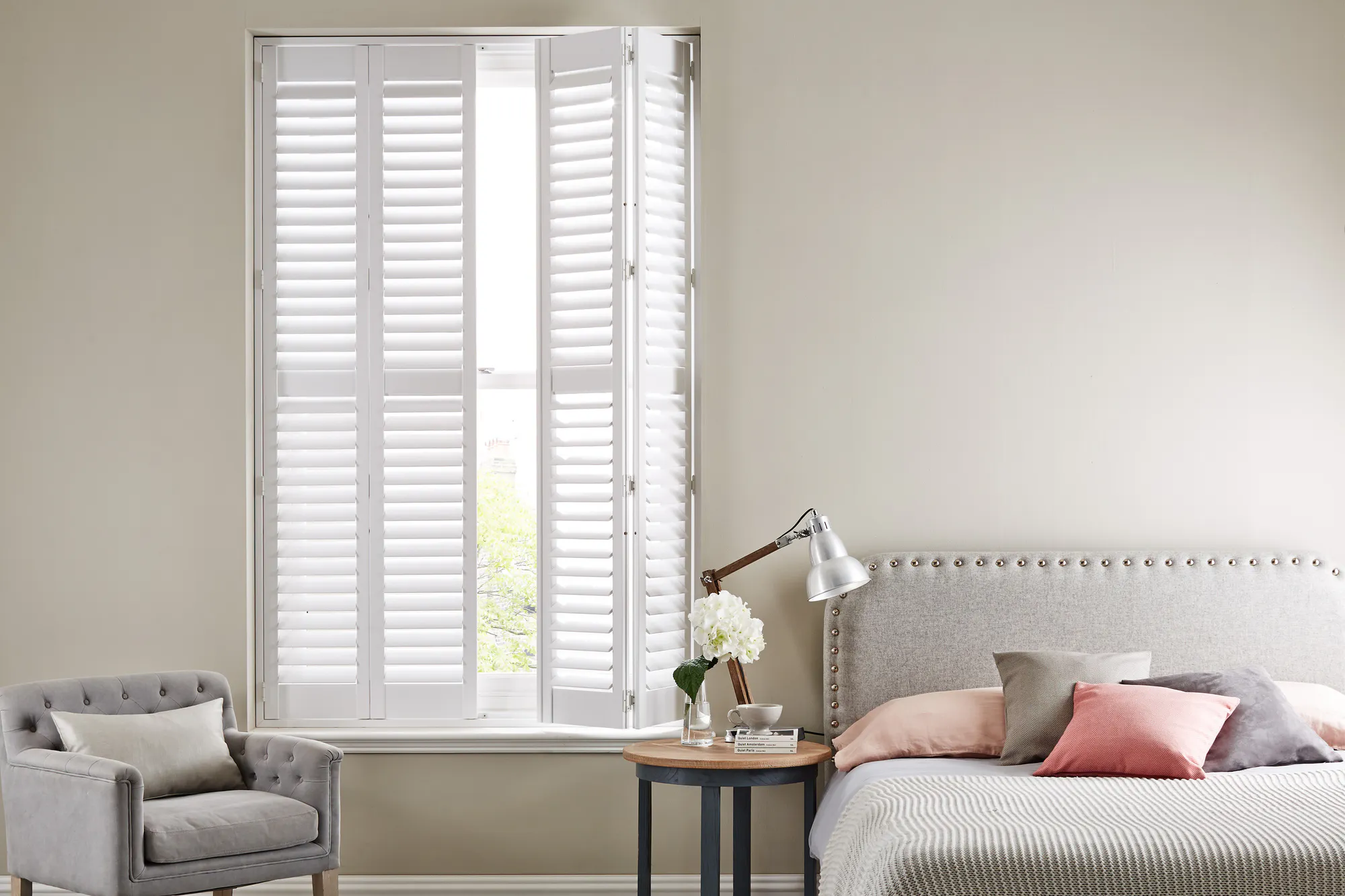
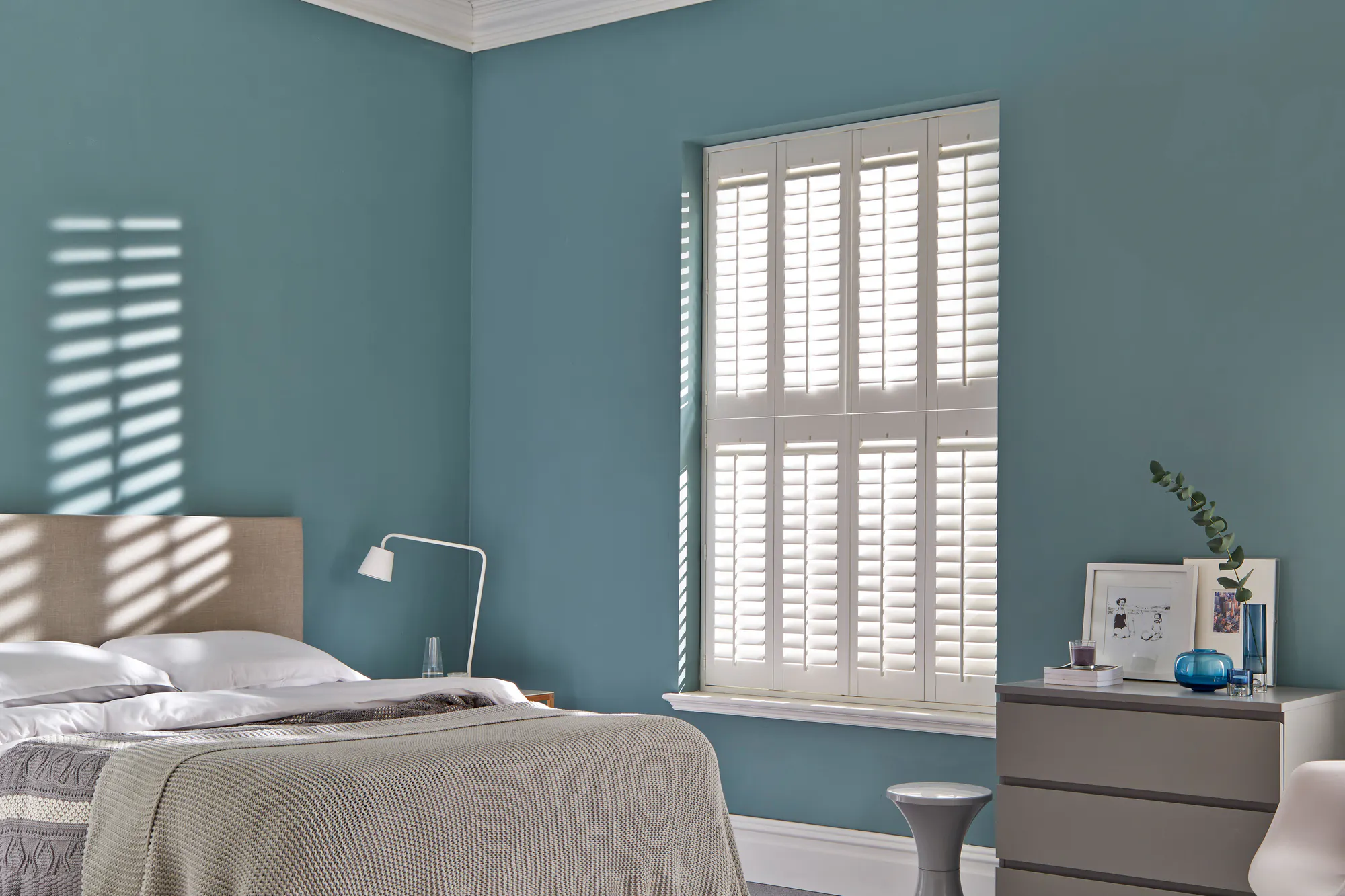
Use shutters for superior temperature control

Bedroom shutters act like a barrier between your room and the sun. They help block heat from entering during the day and offer ventilation at night. They’re great for street-facing bedrooms because they give privacy and help absorb sound, and the tilted louvres mean you can adjust the airflow and reduce need for fans or air conditioning. Plus there’s the added bonus that they add style and value to your home.

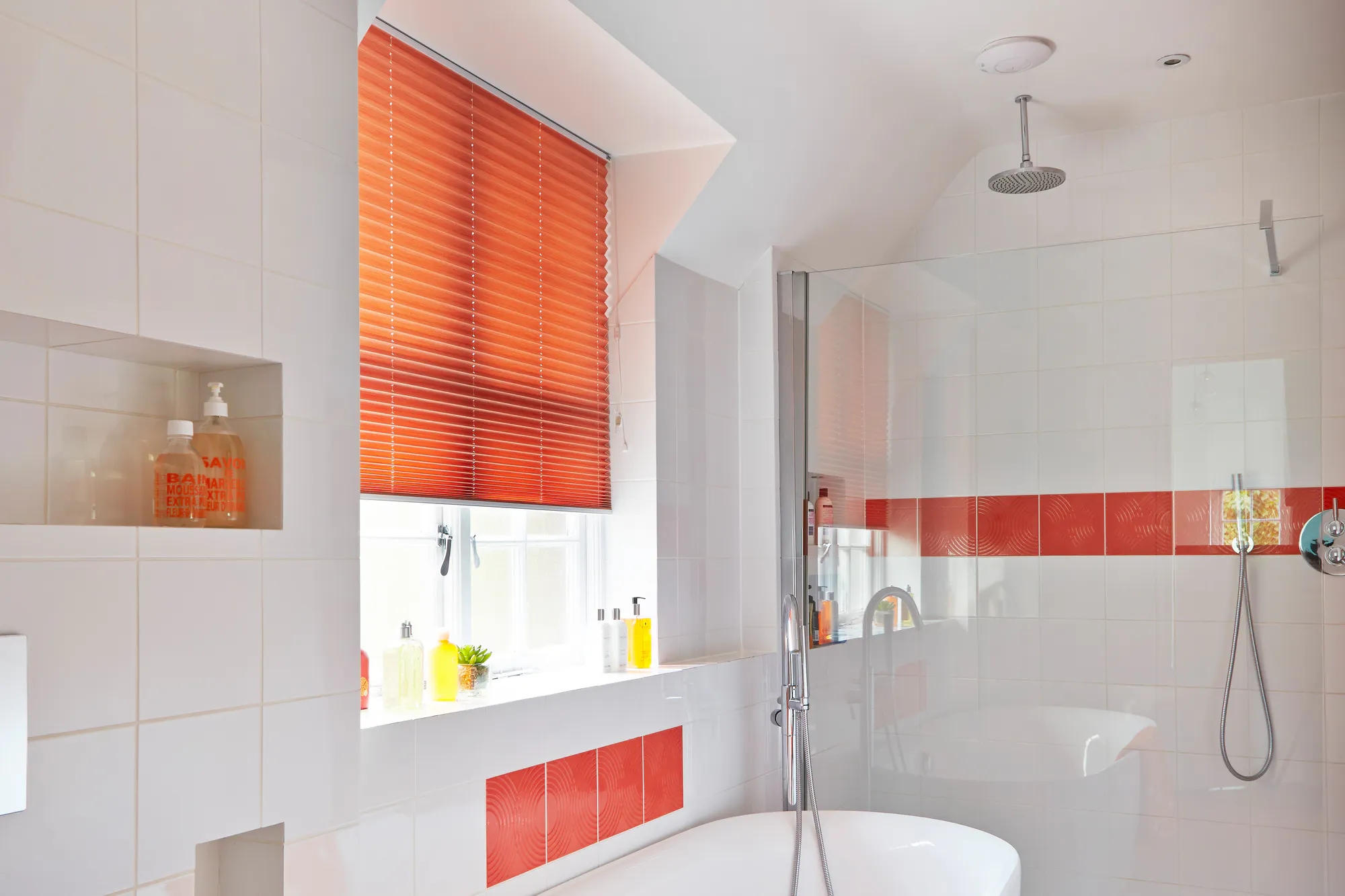
Add specialist blinds in loft bedrooms

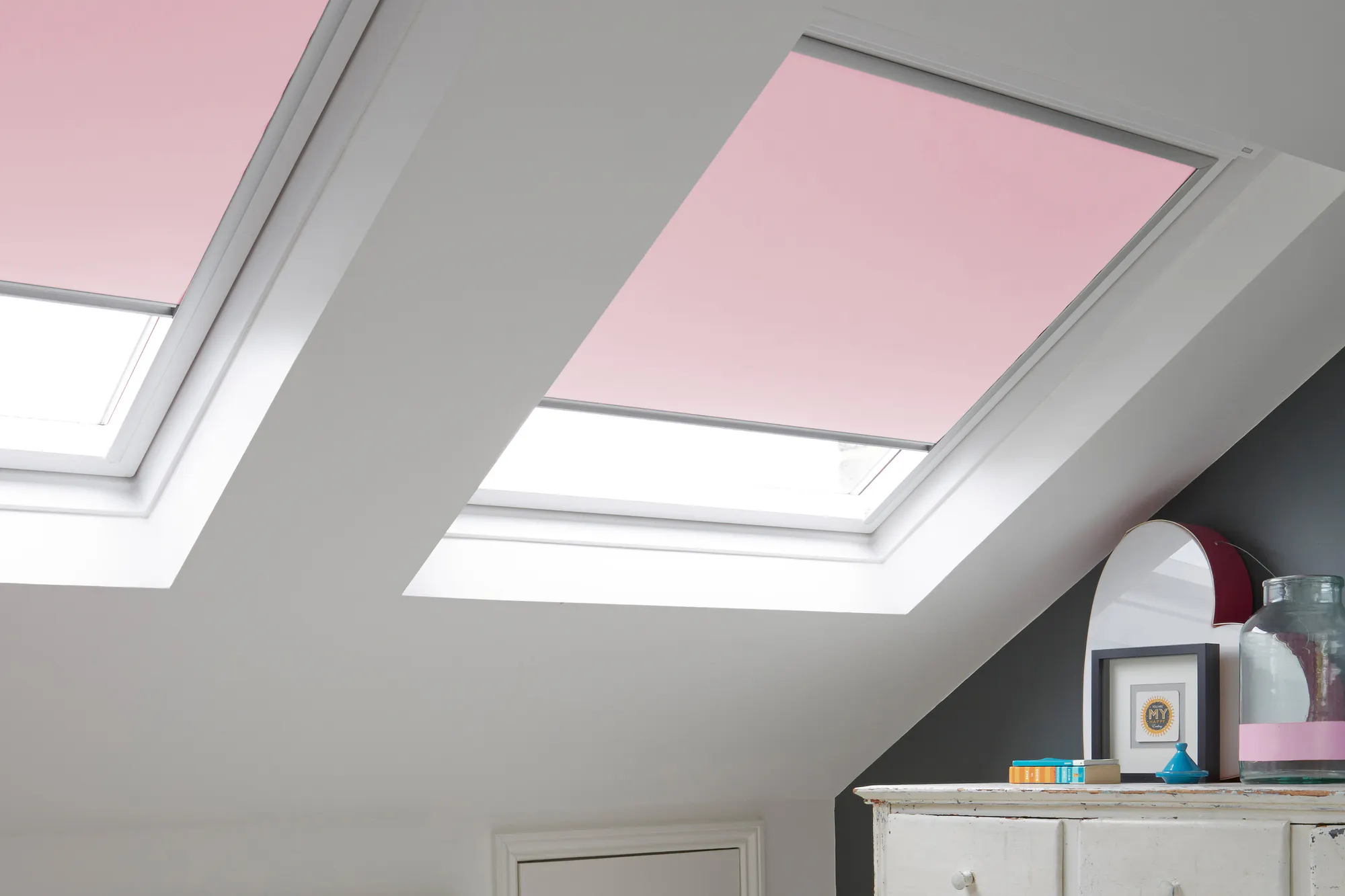
If your bedroom is in a loft or extension, consider skylight blinds. These are designed to fit the unusual angle of skylight windows, and whether you choose pleated blinds or roller blinds you can opt for fabrics that are blackout, or thermal that reflect heat and UV rays before they penetrate the room.

Stay hydrated all day

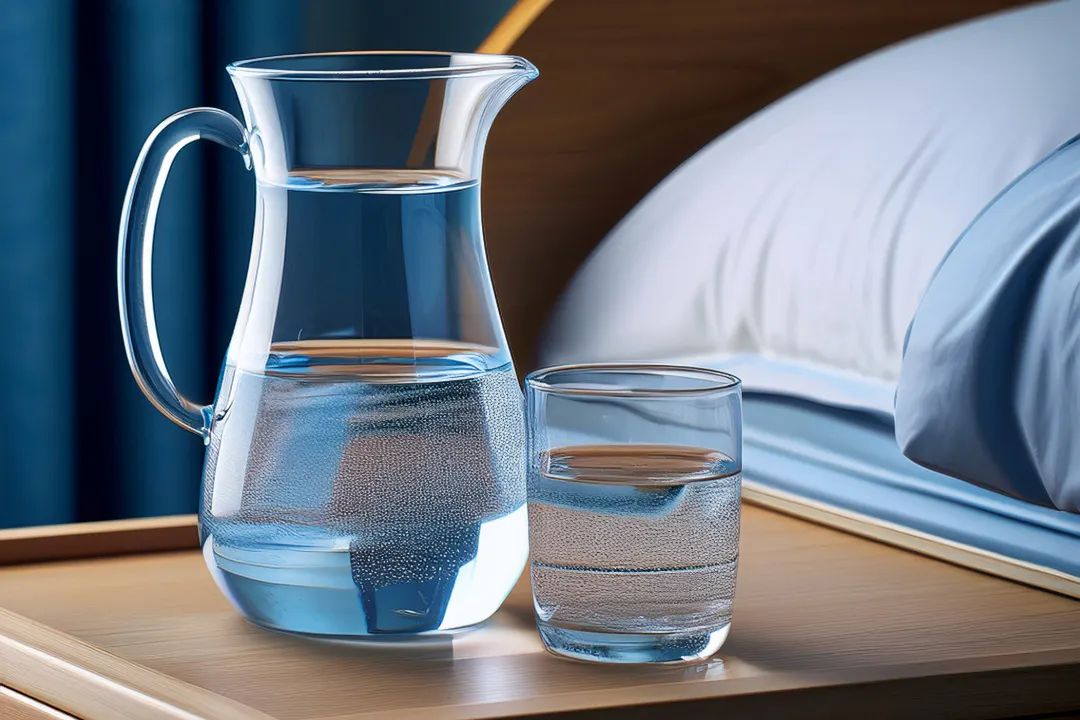
Drinking enough water throughout the day helps your body cope with heat at night. Avoid alcohol and caffeine close to bedtime, as they can dehydrate you and raise your core temperature.

Sleep in the right position

The "starfish" sleeping position, which is lying on your back with arms and legs spread, is ideal for heat dissipation. Avoid curling up, which traps body heat.

In summary

Sleeping in a hot bedroom isn’t easy, but it is manageable. From using cooling blinds and shutters to trying the Egyptian method, there’s a solution to suit every space and budget. Try a few tips and see what works for you.

Discover more inspiration and advice

Find out more about how made-to-measure window dressings can help you keep your home cool in the summer and warm in the winter.