




Request an appointment
  • Price Promise

  • Rated Excellent

  • Fully Guaranteed

  • Over 40 years of value

Hillarys homepage1800 882 9171800 882 917Request a brochureRequest an appointment
Request an appointment

How to reduce heat loss through windows

Yvonne kneel product designer holding roman blindAuthor Yvonne KealProduct Management SpecialistWritten 22/01/26
Editor Lisa CooperHead of Product at Hunter DouglasUpdated 23/09/2026
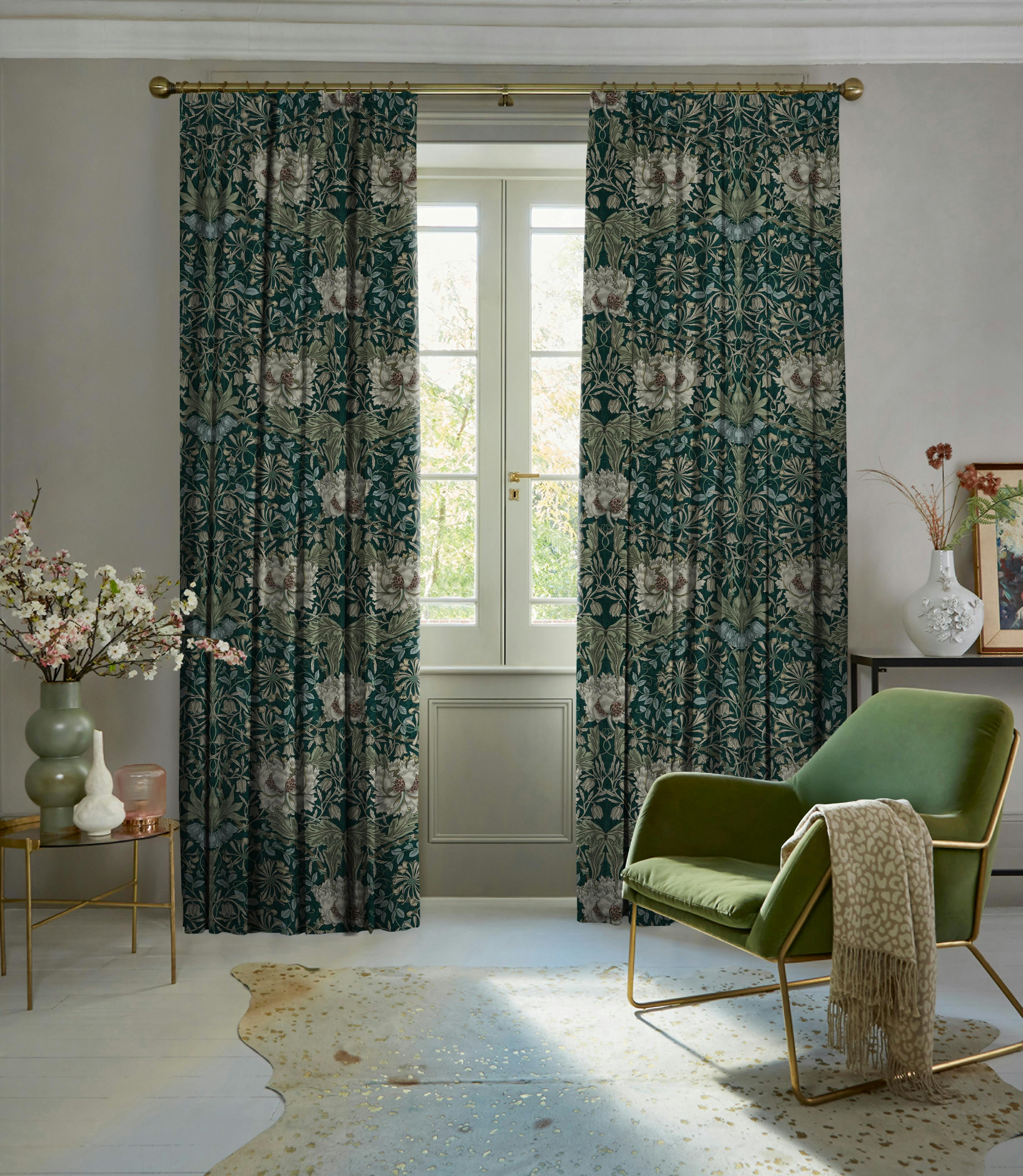
Living room in pale mink with curtains in dark green with cream floral pattern, partly open, polished concrete floor, green velvet occasional chair, with pale mink throw over arm, round table with green vase with foliage.

Windows are one of the biggest sources of heat loss in the home. The good news is there are plenty of simple and impactful ways to insulate your windows, improve warmth, and make your home feel cosier. 

This guide explores how to reduce heat loss through windows, from thermal blinds and fully‑lined curtains to DIY draught‑proofing and smart layering techniques. 
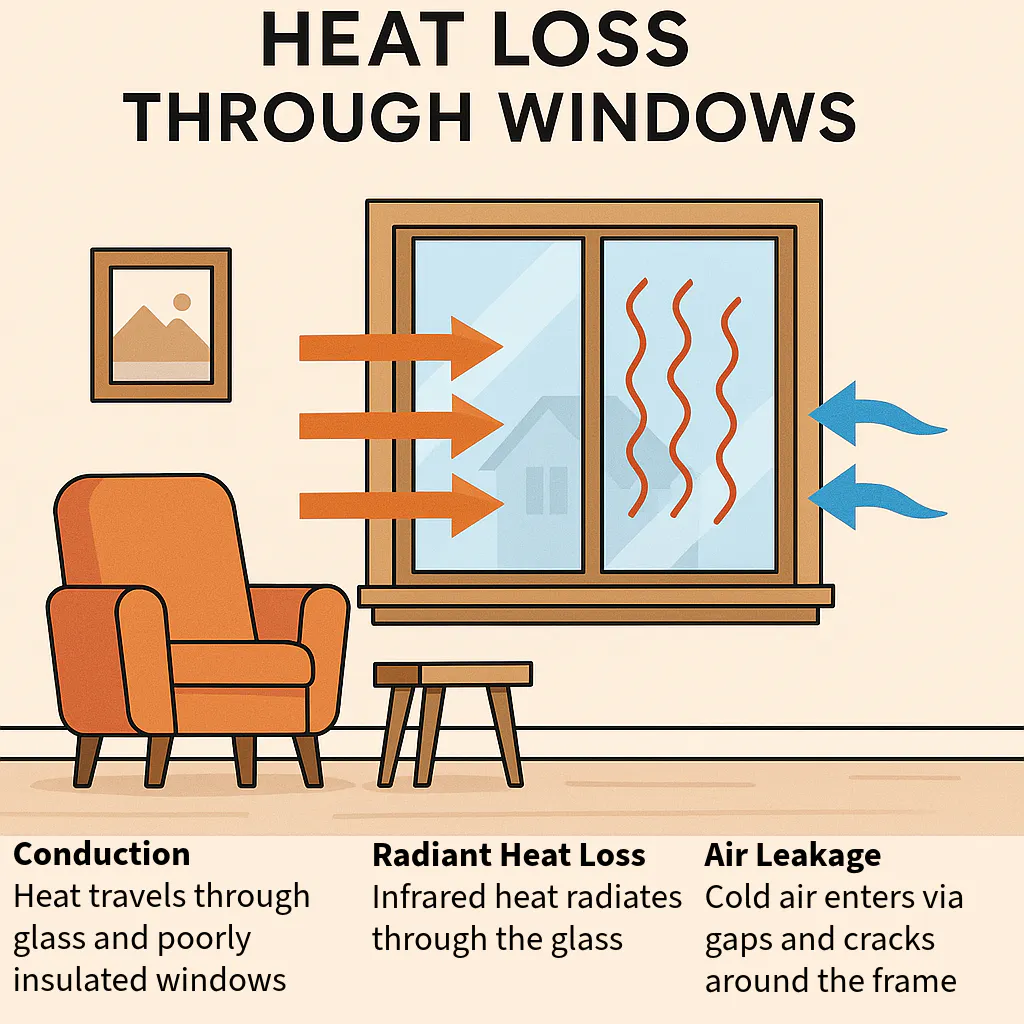
Why insulating your windows matters

Windows lose heat in three ways: 

  1. Conduction - Heat moves from the warm inside to the cold outside through the glass and the frame. 
  2. Convection - Cold air near the glass sinks, warm air rises which creates a circulating draft. 
  3. Radiation - heat radiating to the cold glass, from a heat source or body. 

Homes with older glazing, aluminium frames or even larger windows or doors are often the worst affected. However, even with modern glazing, cold draughts coming inside and heat escaping outside can make rooms feel chilly and encourage you to reach for the heating thermostat.   

The science behind thermal window dressings 

Windows account for up to 18% of heat loss in homes, according to our own study carried out by Salford University*, backed up by research from English Heritage**, and Historic Environment Scotland***. Thermal window dressings help tackle this by creating an insulating barrier at the window, reducing heat transfer, blocking draughts and helping to keep warm air inside for longer. 

Depending on the product, they can cut heat loss by 13% to 55%, which can make a noticeable difference to both comfort and heating costs over time. 

So, let’s break down the best options available. 

Top energy-efficient window dressing options

Window dressing

Window dressing Heat loss reduction Key features

Key features

Up to 55%

Honeycomb structure traps air, range of colours, choice of fitting styles

Up to 64%

Choice of styles, can be paired with blinds or curtains, available in wood tones and colours

Up to 21%

Thermal lining available to add extra insulation, wide range of colours and patterns

Up to 13%

Can be layered or paired with curtains, ideal for heavy moisture areas

Up to 41%

Thermal or blackout linings add insulation when closed, helping reduce heat loss and draughts

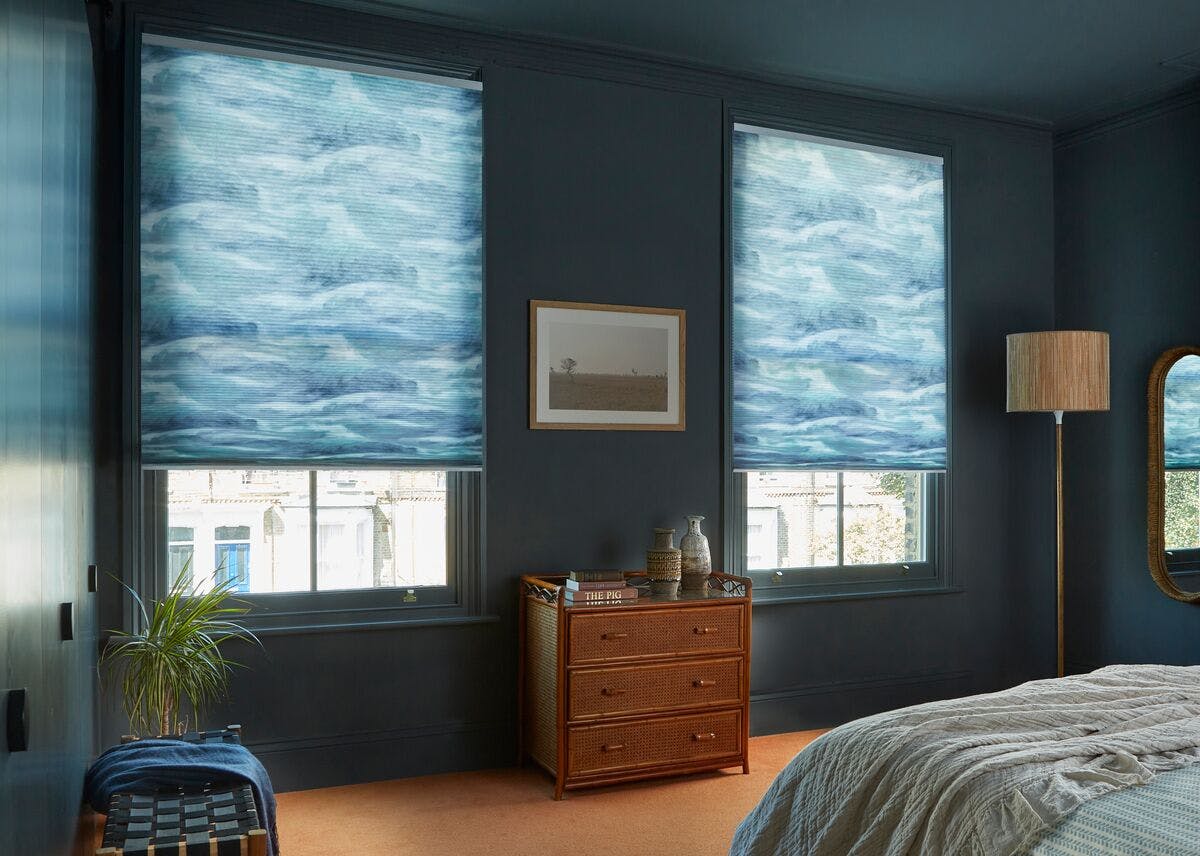
Blue bedroom with a series of adjacent windows dressed in honeycomb blinds with a ripple pattern in multiple shades of blue, lowered three quarters, end of bed visible with silver grey velvet throw, standard lamp with cream shade, wooden chest of drawers.

Choose insulating blinds to reduce heat loss

One of the most effective ways to insulate windows is to use thermal blinds, which create a barrier between cold glass and warm indoor air. 

Specialist styles, such as Duette® and Thermashade™ blinds, have a cellular design that traps air, and reduces heat loss by up to 55%. 

For standard blinds and shutters , professional measuring and fitting is key. A well-fitting blind ensures there are no gaps around the edges where warm air could escape; a small detail that significantly improves insulation. 

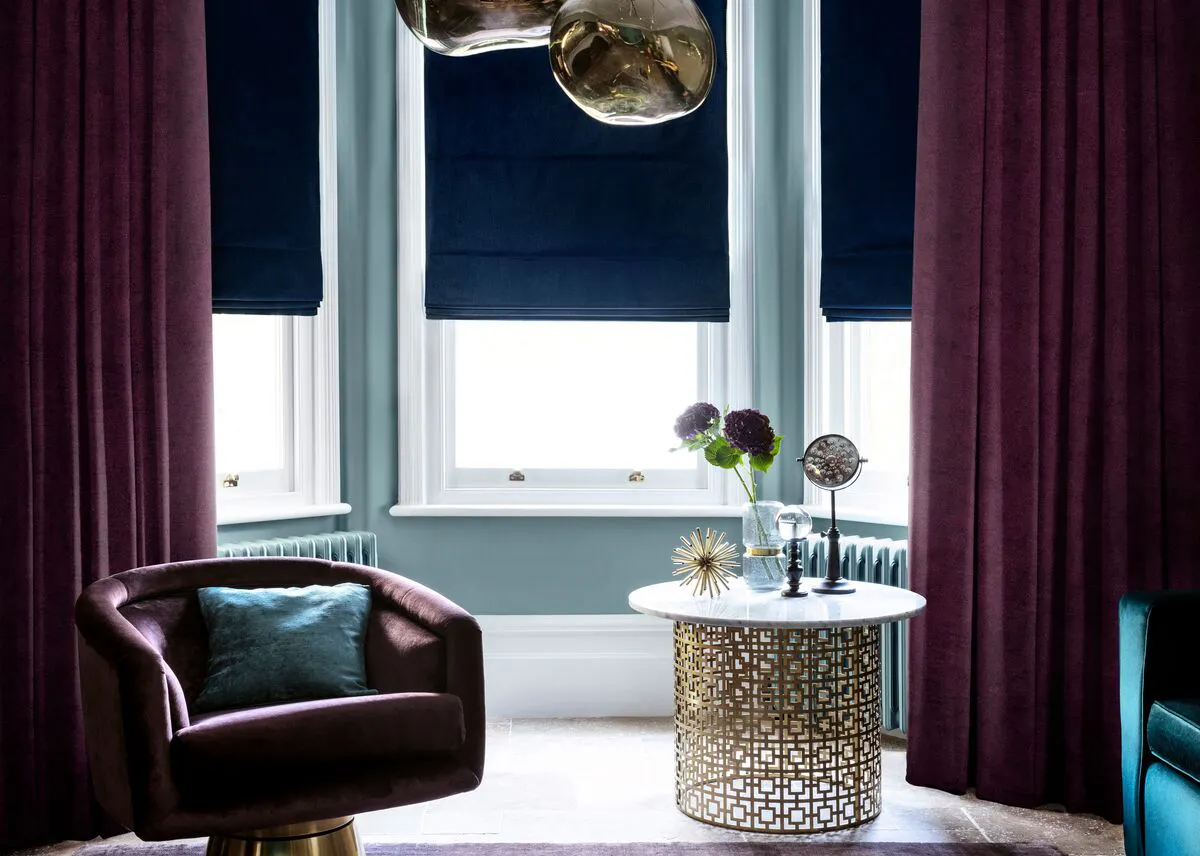
Bay window with deep blue Roman blinds framed by rich plum curtains, creating a moody lounge with soft light and layered textures.

Choose thermal curtains for extra insulation

Curtains are a great way to add warmth and personality to your home, and are especially helpful during the colder months. Heavier fabrics like velvet or thermal-lined curtains provide excellent insulation while adding a touch of luxury to your space.   

Closing curtains before the sun starts to slip away helps prevent heat gained through the day from escaping through the glass. During the day, open them fully to make the most of natural sunlight. 

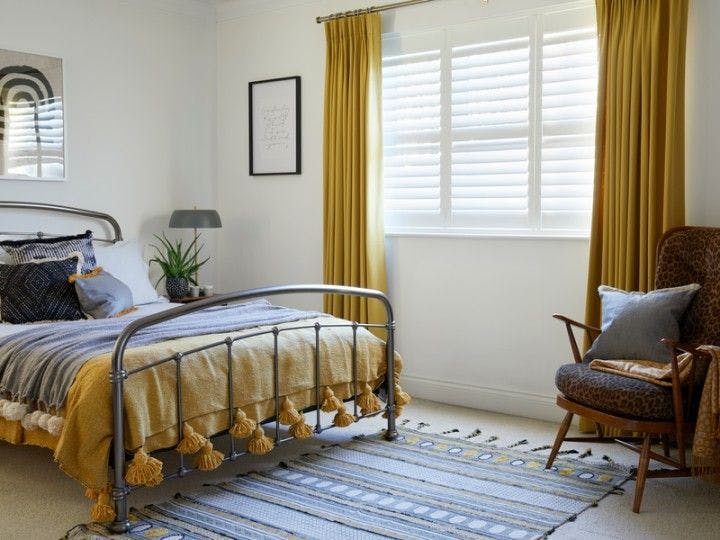
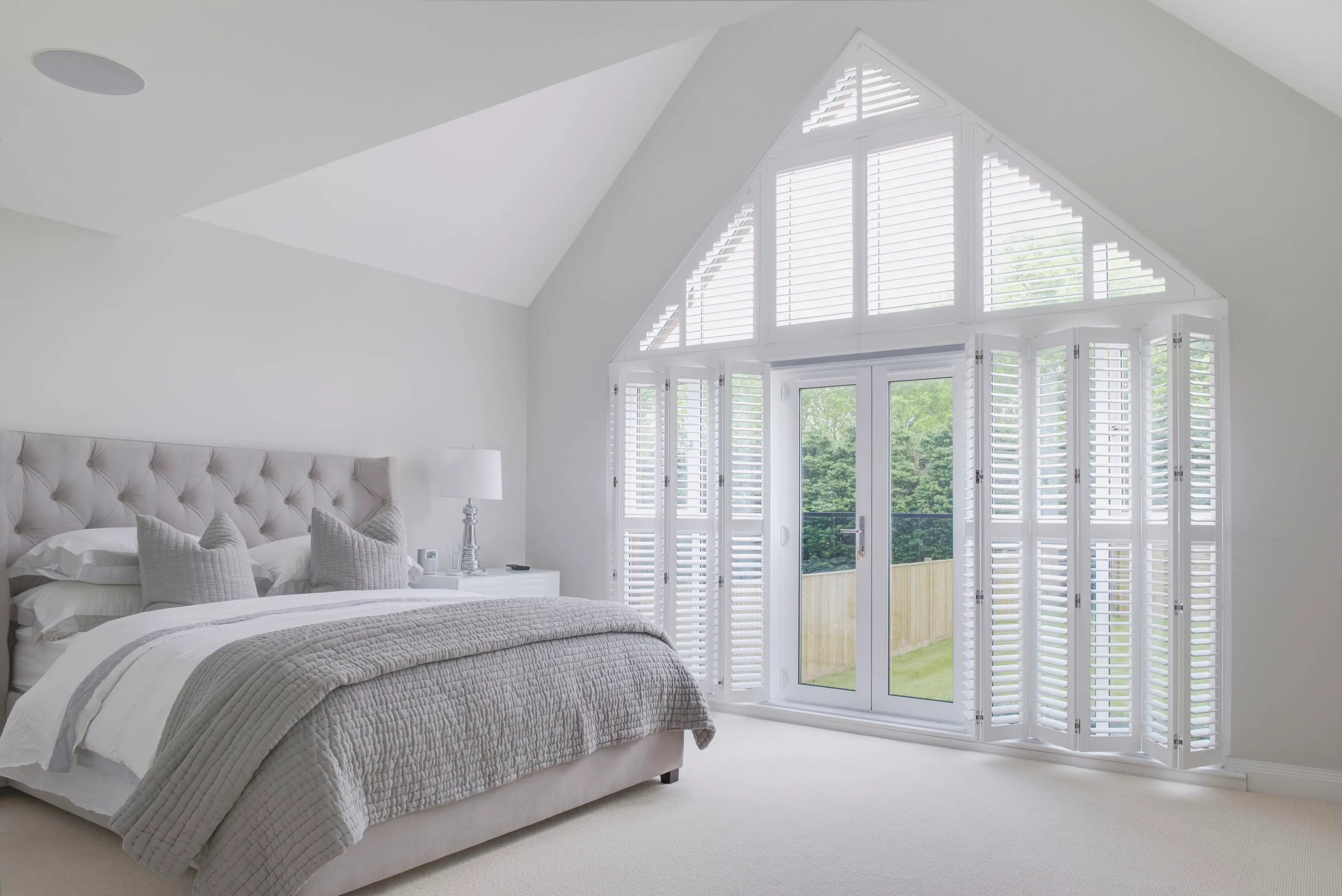
Bedroom with curtains in bright yellow fabric and white shutters in the windows

Layer up

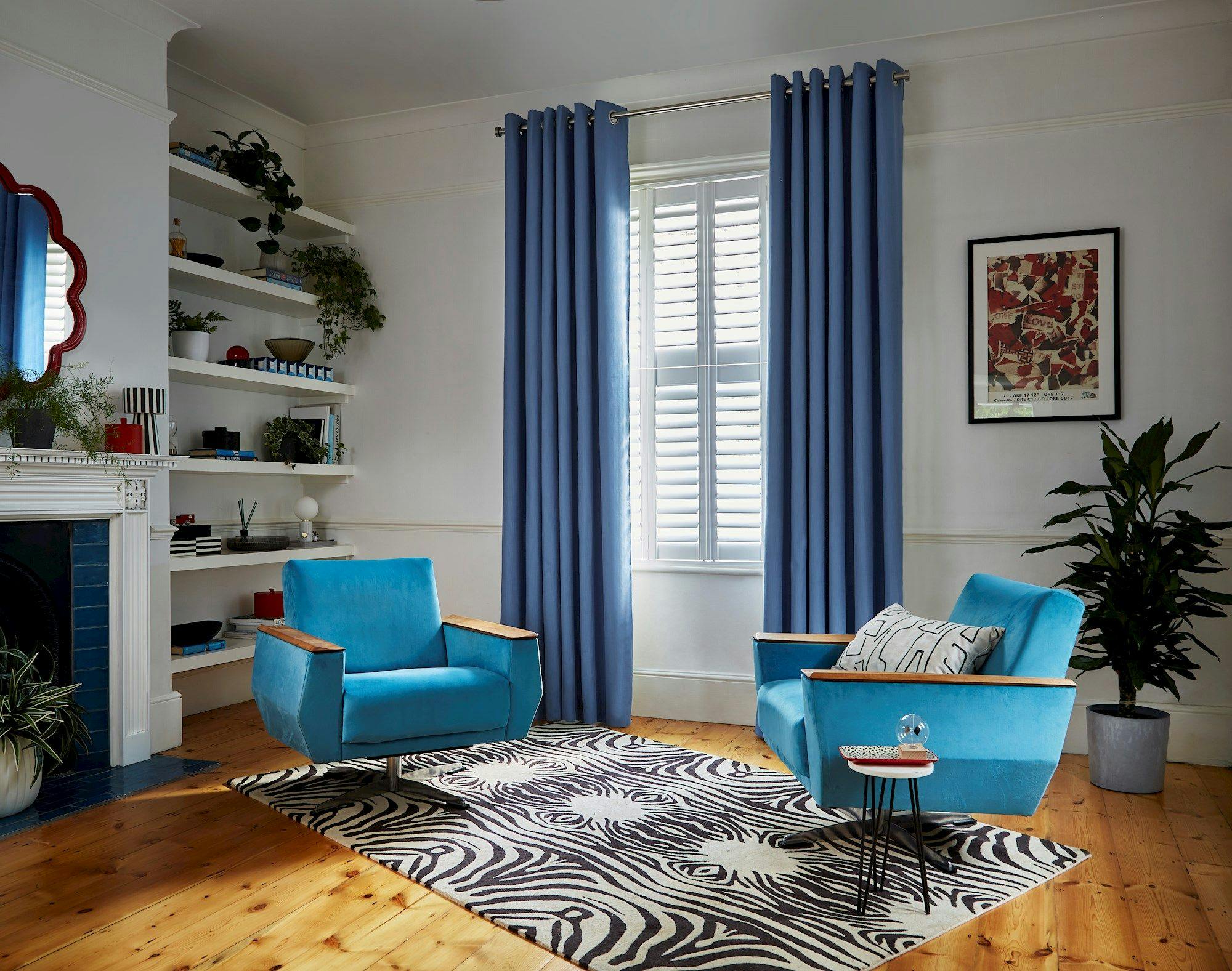
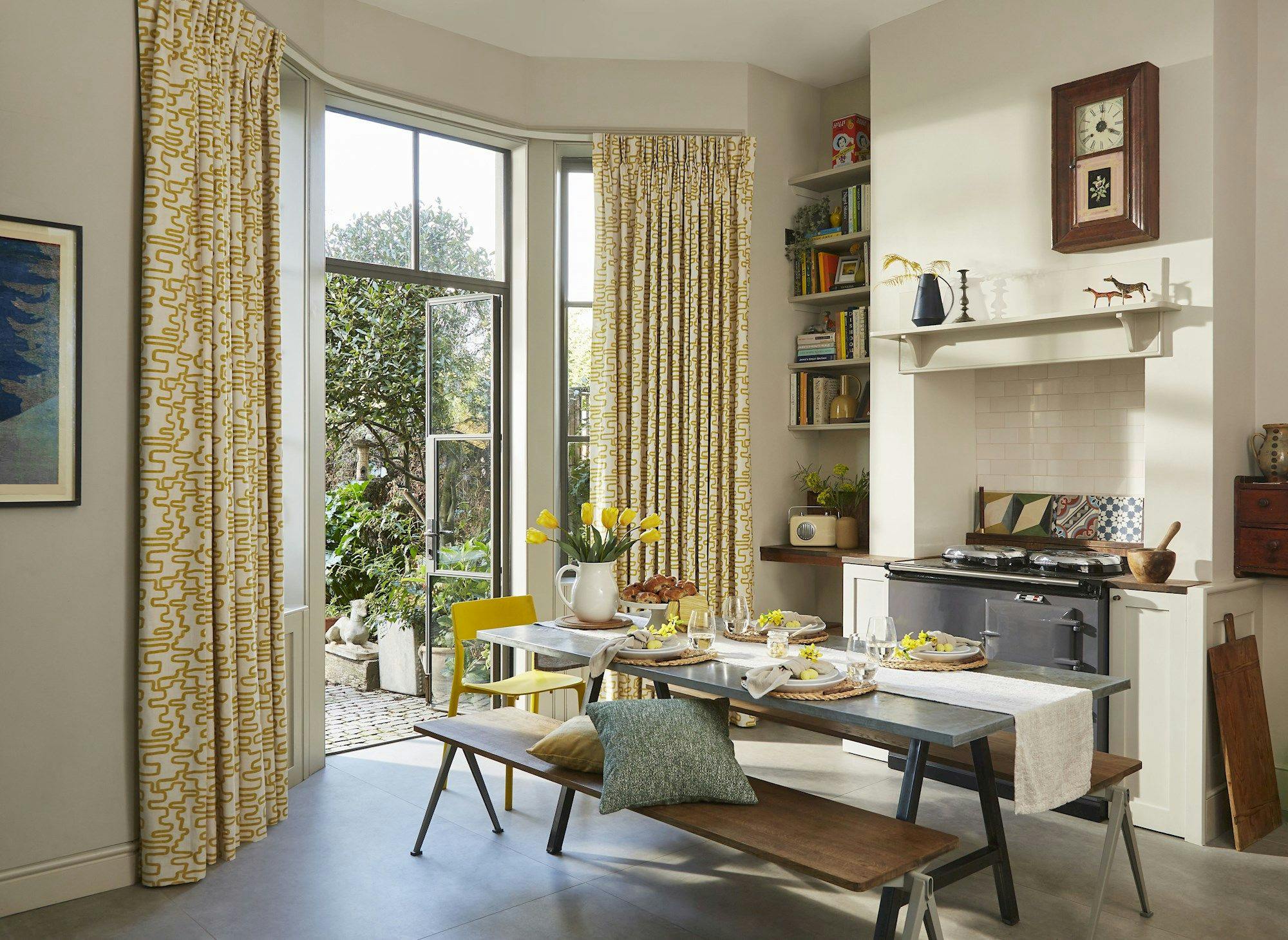
Another great way to manage heat loss is to layer curtains over blinds or shutters. You’ll not only benefit from the additional home insulation, but it adds a luxurious and refined look to your space.   

Try blackout blinds with thermal curtains, they’re a great choice for a bedroom, helping to minimise light levels and create a restful environment for sleep, but they’re beneficial all around your home.  

Blend different textures, colours and patterns for a finish that’s as cosy as it is stylish.  

  • "That combination of shutter and curtains adds a layer of both privacy and light control. Close them all up and it does make the room feel very private and really, really cosy." 

    Erica Davies, Former fashion editor, style editor, author, radio and TV presenter

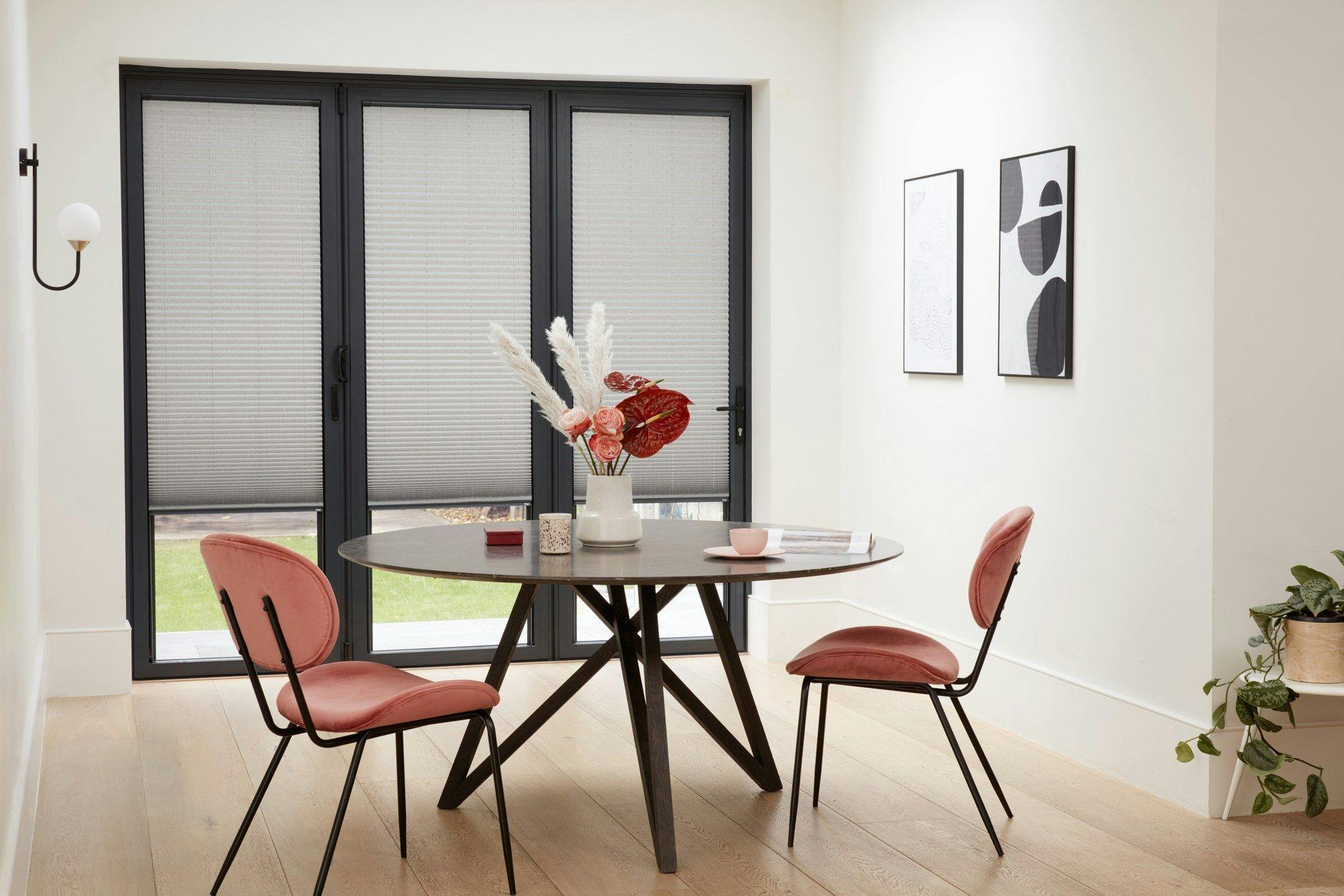
Grey Micro Pleat Pleated blinds dressed on bi-fold doors of dining room. Round table along with pink chairs have been placed in the room.

If none of these appeal you’ve still got a couple of other options

Pleated blinds are a versatile choice, available in a range of colours, textures, fabrics and fitting styles. Some of them have specialist coatings which can help keep the sun out in summer too, while maintaining a sleek look. 

If you’re losing heat at doors, then INTU® Micro blinds are a great option. Their slimline design allows them to be fitted directly to bifold doors without restricting movement. 

You can also opt for a Perfect Fit blind, which clips neatly into the door or window frame for a seamless look. Choose from Roller, Pleated and Vertical blind styles. 

More top tips

  • TOP TIP FROM A HILLARYS ADVISOR

    "Shutters are a flexible choice, giving you the option to keep the frames closed and draughts at bay, but still allowing light in by positioning the louvres to suit you."

    Mark, Hillarys advisor

  • Case Study

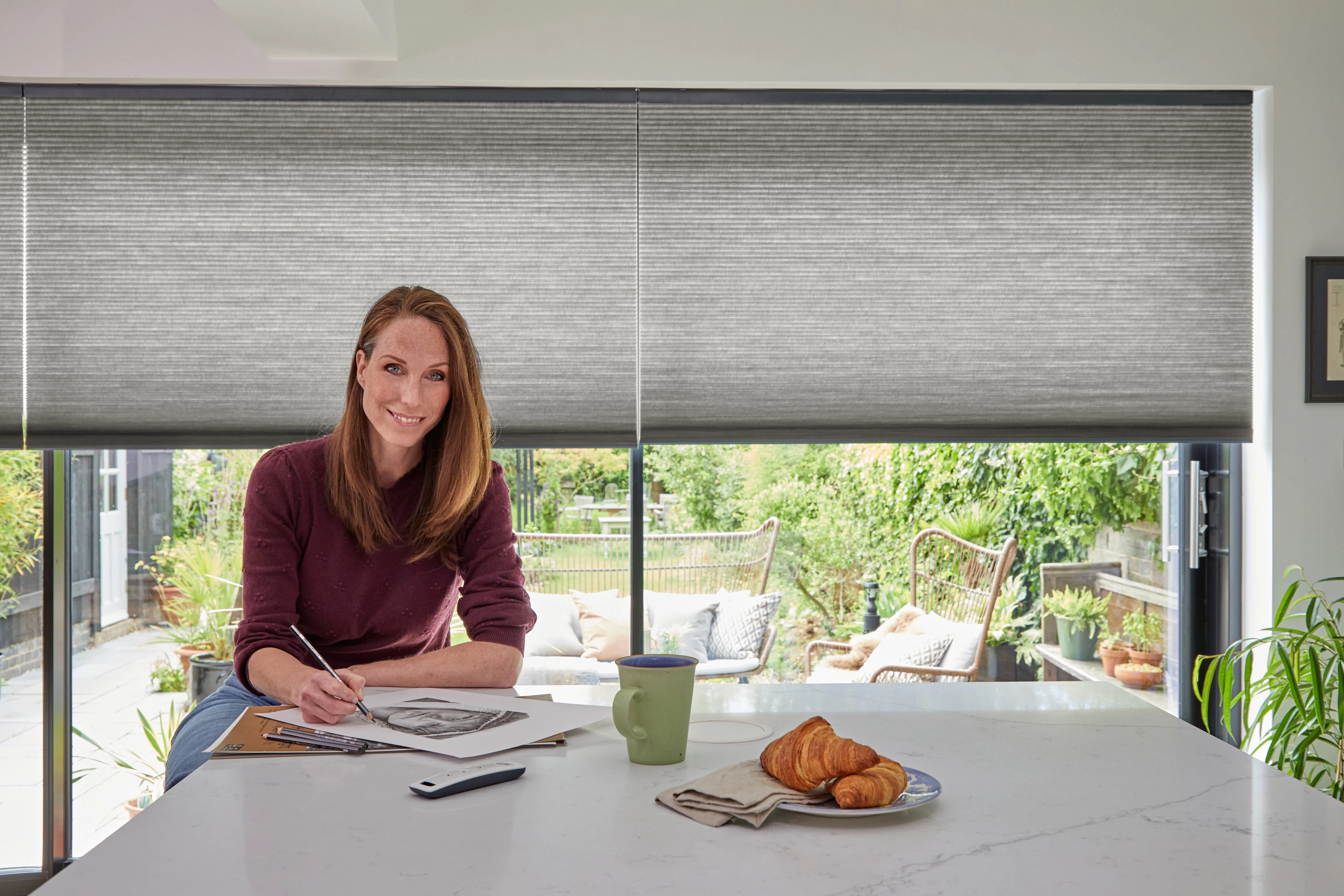
    Customer Bea Taylor turned to us for help with the patio doors in her beautiful kitchen. Artist Bea spends a lot of time drawing there and needed a solution that kept the room warm in winter, reduced glare in summer and still allowed use of the doors to her stunning garden year-round. Local advisor Ben worked with Bea to find the ideal solution, motorised Duette® blinds. 

    Bea Taylor, Hillarys customer

  • Case Study

    “We feel the cold in our kitchen in the winter, so it’s really reassuring to know the blinds help to reduce heat loss. They’re going to aid the room’s temperature, and also in the summer they’re going to be great for keeping the heat out.” 

    Bea Taylor, Hillarys customer

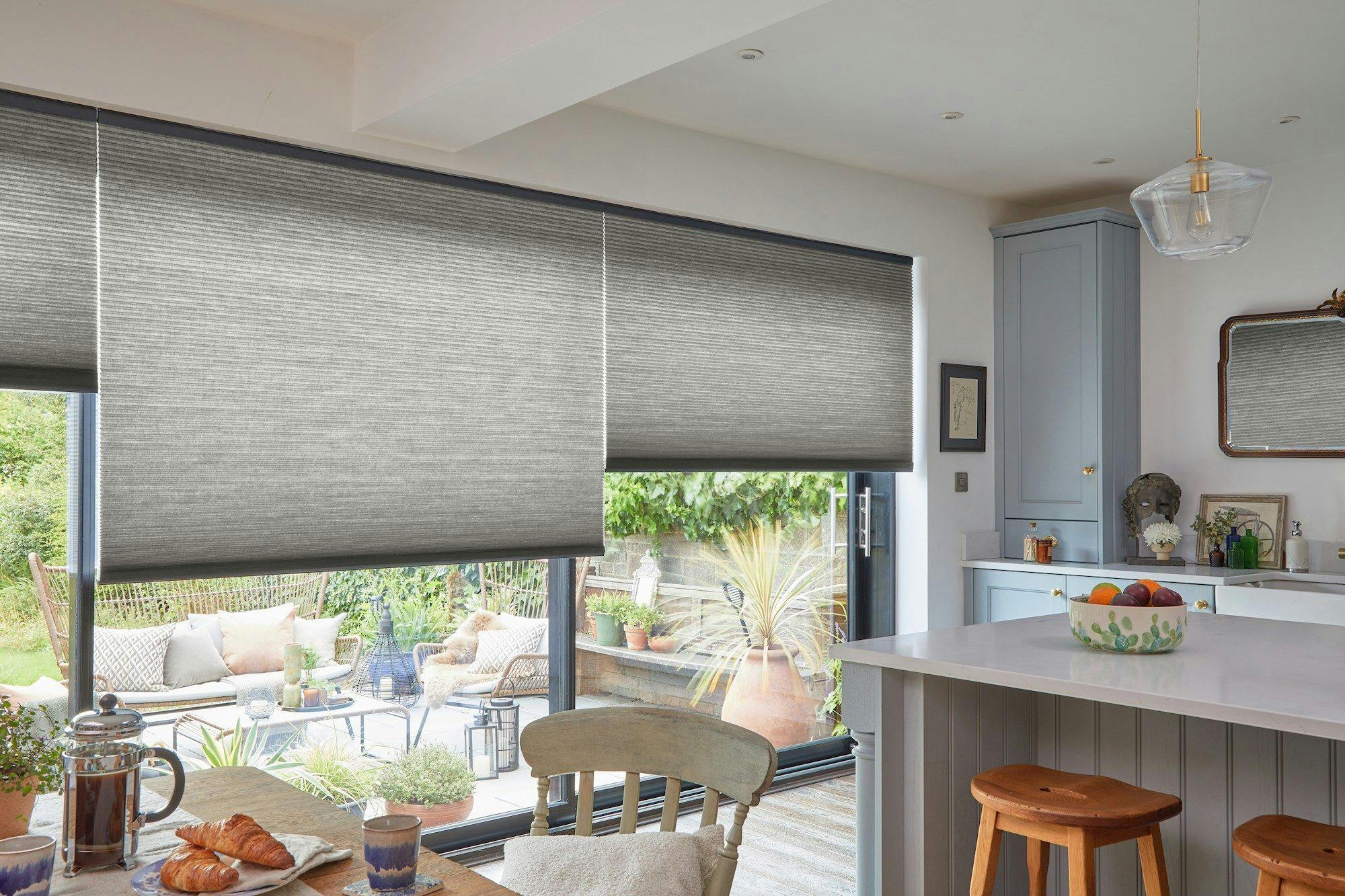
  • Gray blinds cover large windows overlooking a patio with plants and seating. A cozy kitchen features a counter with fruit, chairs, and decorative items, creating a warm atmosphere.
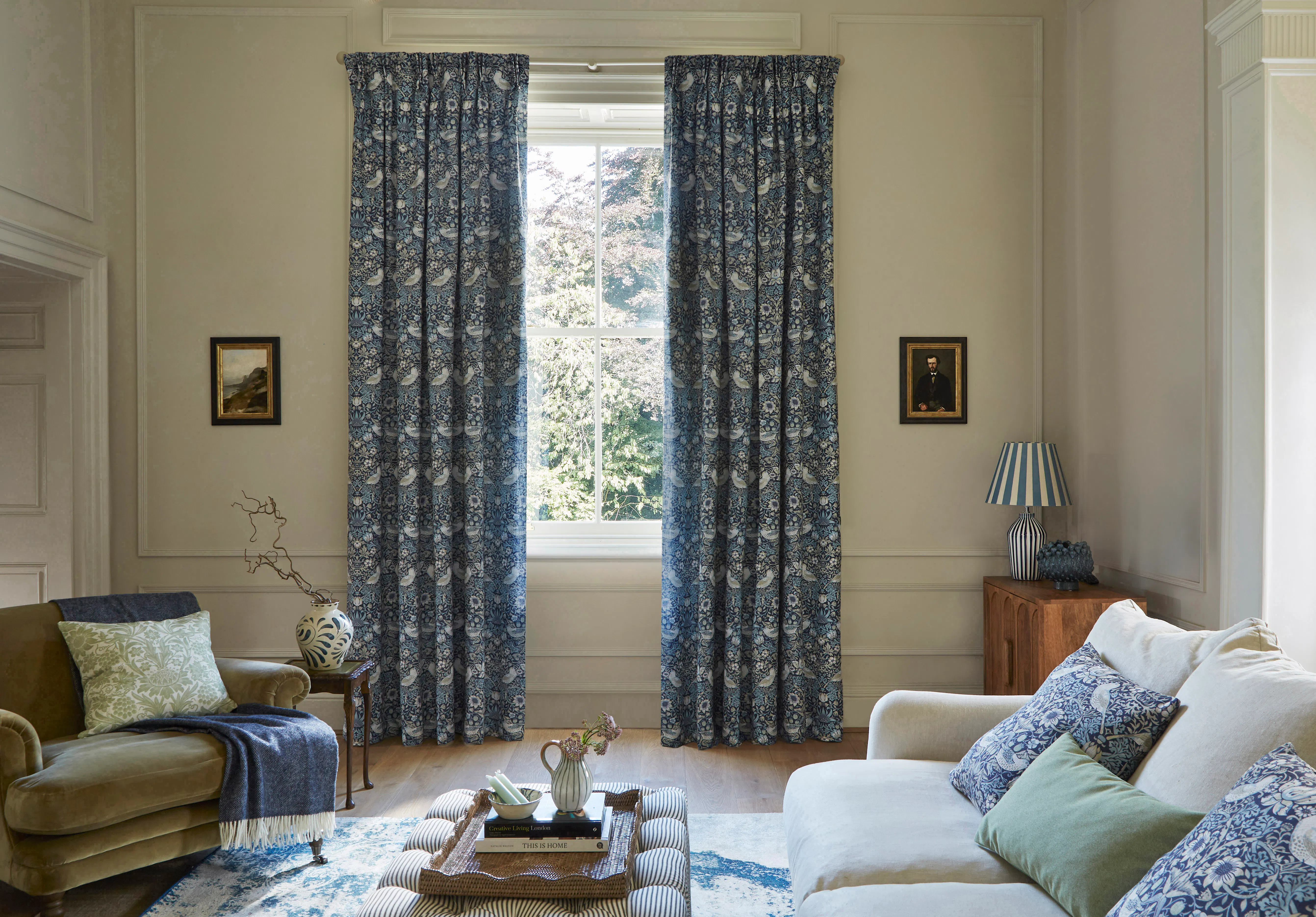
Living room with tall window dressed in blue patterned curtains, soft daylight filtering onto a cosy seating area and layered textiles.

Final tips for maximum efficiency

Choosing the right window dressing can help improve your home’s energy efficiency while adding comfort and style. 

Here are three simple steps to reduce how much heat is lost through windows: 

  • Choose thermal blinds or thermal-lined curtains to help improve insulation and reduce heat loss. 
  • Close your window dressings before the sun sets to retain heat as outdoor temperatures drop. 
  • Layer curtains with blinds or shutters to create an insulating barrier at the window. 

Sources:

*Salford Energy House Thermal Performance of Window Coverings Testing, 2023

**English Heritage Research Report, 2009

***Historic Environment Scotland Technical Paper 1, 2008

FAQs

How can I quickly insulate my windows?

Simple, low-cost options include draught-proof tape and window film. These methods help block draughts and reduce the amount of heat escaping through gaps or single pane glass.

Do thermal blinds or curtains really make a difference?

Yes. Insulating blinds and heavier, thermal lined curtains can significantly reduce heat loss, especially in older homes. They create an extra barrier at the window, helping keep warmth inside during colder months.

Is double or triple glazing worth it?

Upgrading to double or triple glazing provides major long‑term improvements. These windows trap a layer of air or inert gas between panes, reducing heat loss and improving comfort.

What if I can’t afford new windows?

You don’t need major upgrades to see benefits. Affordable fixes like draught excluders, caulking, and secondary glazing panels can still make a noticeable difference in warmth and energy efficiency.

How do I know when my windows need replacing?

Signs include persistent condensation between panes, draughts, difficulty opening or closing, or visible wear to seals. These indicate reduced insulation performance and may mean it's time to consider an upgrade.

You might also be interested in…

More inspiration for your home