



Request an appointment
  • Price Promise

  • Rated Excellent

  • Fully Guaranteed

  • Over 40 years of value

Hillarys homepage1800 882 9171800 882 917Request a brochureRequest an appointment
Request an appointment

How to get more deep sleep by design

Person in a knit hat and thick scarf stands against a graffiti-covered wall with bold lettering, shoulder bag strap visible.Author Gemma TiptonWriterWritten 01/07/2026

I used to be a bad sleeper. I spent years waking easily, never quite feeling rested, and often asking myself “why am I such a light sleeper?” Since I moved into my new home last January, though, I’ve been sleeping like a good one. 

So how did I do it? How do you go from waking up at all hours, to having the kind of deep, restorative sleep we all dream of? In other words, how do you get more deep sleep without medication or drastic changes? The answer is: I did it by design, in four simple steps. 

Person selecting clothes from a wardrobe beside a window fitted with white shutters, allowing soft daylight into the room.

1. Design your room

It is an amazing piece of good fortune to be able to design your own space. Whether we own or are renting, live alone, with friends or with family, most of us sleep in rooms that are pre-formed, with furniture that either came with the space, or which has come together over time. But whether you have the budget to start from scratch, or just want to make a few simple changes, you can design your space for better sleep.  

The key is simplicity. First up, clear out the clutter. Simplifying your space can help to simplify your mind at night, and a busy mind is never good if you’re prone to light sleep. A last-minute addition to my new bedroom was a door to the closet space. I had been advised against it, as it took up room, but being able to shut the door on stuff has made all the difference to me.  

Light grey Pleated blind covering a bedroom window, paired with a green upholstered headboard and soft pastel furnishings.

Creating calm through colour and furniture

When it came to furnishing, I stuck to the basics: bed, bedside tables, a chest of drawers and a chair, and definitely no TV. I chose a soft off-white for the walls, and the same colour for the skirtings, doors and other woodwork. Pure white is too harsh, so choose a grade with a cream or grey undertone and test it out by painting panels on lining paper. That way you can hang it in different lights, both natural and artificial.  


You don’t have to banish colour entirely: I went for a golden coloured carpet, and a fresh green velvet upholstered bed with a colourful Donegal wool throw. After all, bedtime ought to be fun too! 

2. Design your Light

Looking back, I find it hard to believe, but for almost twenty years, every summer, I would use the handle of a hockey stick to hook an extra sheet over the top of my inadequate curtains. It’s not a look you’ll find in any style guides, and it’s definitely not to be recommended, but with morning sunshine waking me up earlier and earlier from April on, I could be forgiven for being desperate.  


I can probably blame growing up in a childhood bedroom with ancient heavy curtains in making me sensitive to light, but when I finally got to build my own house, I realised it was time for a change. The house is a restoration of an old cottage, so there are thick walls, with deeply recessed windows, and I wanted window treatments that would show off the beauty of the windows, let in maximum light, but also, crucially, block it out for better sleeping.  

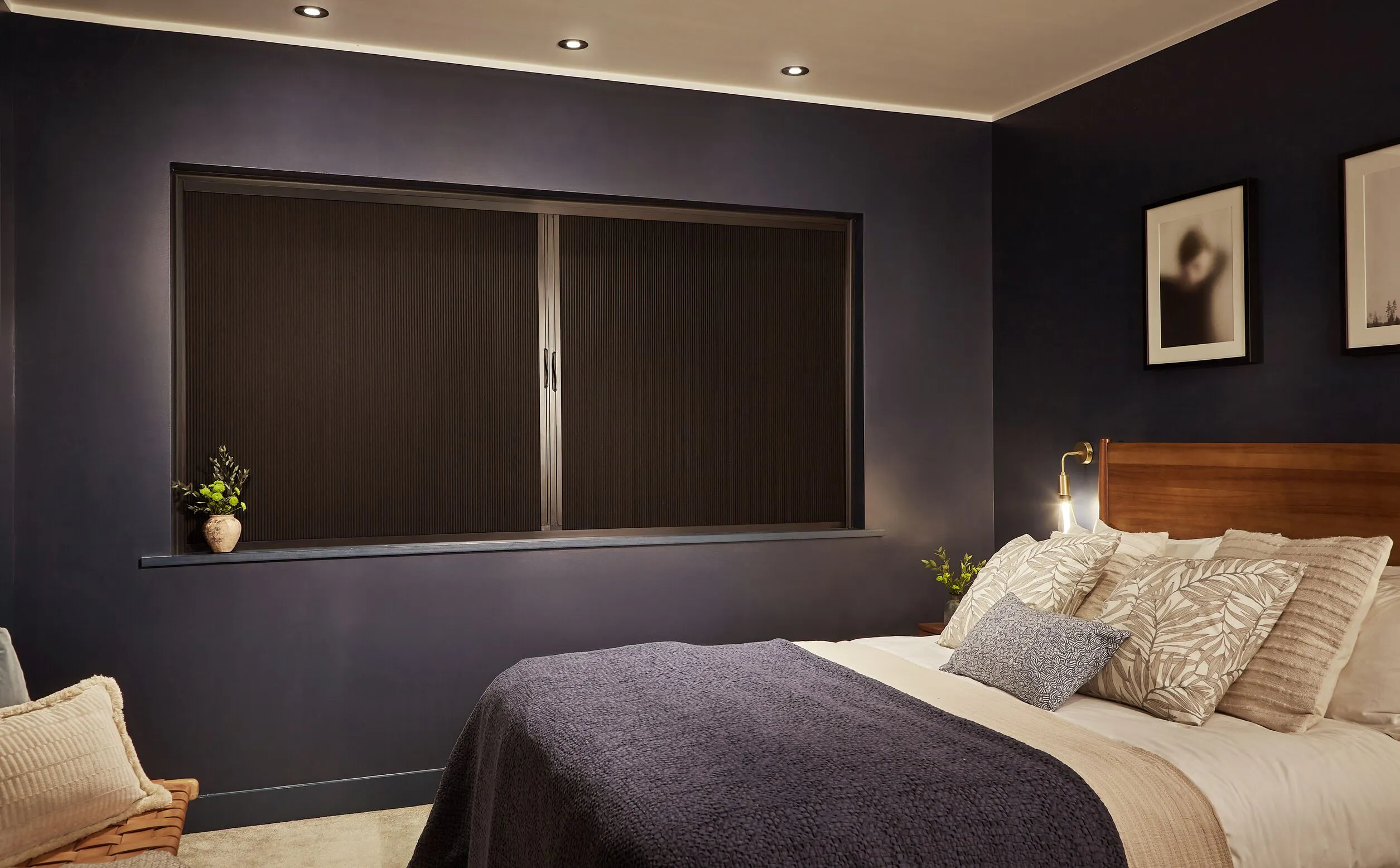
A bedroom with deep navy walls and a large window fitted with a dark Blind Screen, styled with a walnut headboard, layered neutral bedding and warm brass wall lighting.

Finding the right balance between dark and daylight

A friend recommended blinds. I was surprised: weren’t they those nasty industrial things you get in offices and ancient bedsits? Not these days. I did some internet research and Hillarys came out top. Still, bedazzled by options, I wasn’t quite sure where to start. That’s where an advisor comes in, and Hillarys sent Alan to go through the solutions. 


Full black out for the bedroom could be achieved with the new Blind Screen range, but I still wanted just a hint of light – not too much, just a whisper to give me a sense of day and night. That balance helps me move away from light sleep and towards deeper rest. 

Two people review fabric samples and colour swatches, holding a zigzag patterned textile beside a box of blind materials.

Making bedtime feel effortless

Enter, Thermashade honeycomb blinds, a range with natural colours that retract to just a few centimetres when fully closed. Better yet, there’s an electric option, so now, I have a lovely sense at bed time of closing the day away, and then in the mornings, after a brilliant night’s sleep, I can click the switch by my bed and watch the day emerge – without having to get up, which at the weekends is a sheer joy. I also discovered in the winter, that my new blinds help retain heat. I notice the difference, even with triple glazing.  


The advisor came with a bag of colour swatches, and I went for a pale apple green in the bedroom and chose a soft grey for the downstairs room that will double up as a spare room from time to time. Fitting couldn’t have been easier – everything was installed with minimum fuss in a single morning, and the results? Not only sleep-changing, but life changing too.  

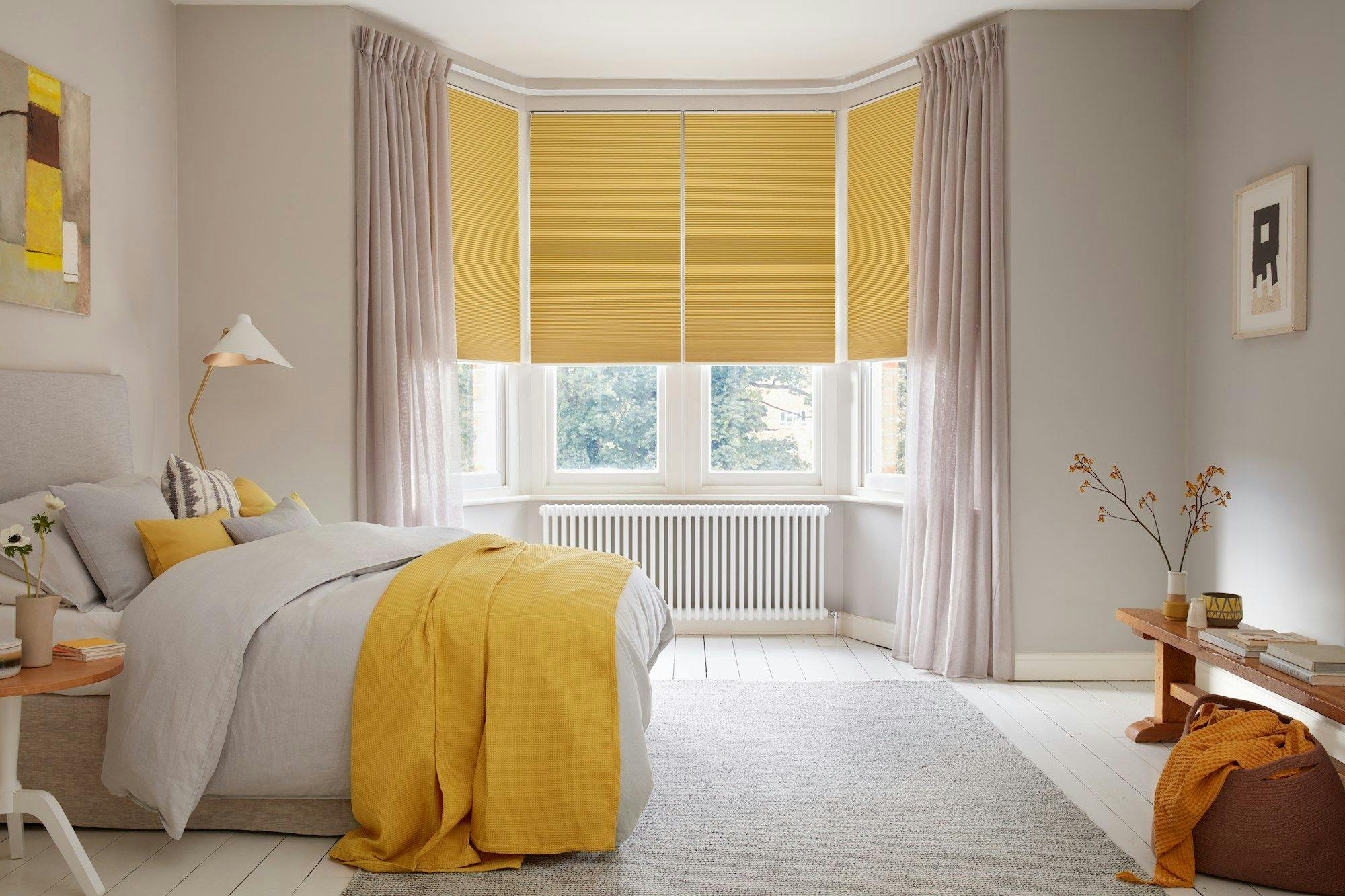
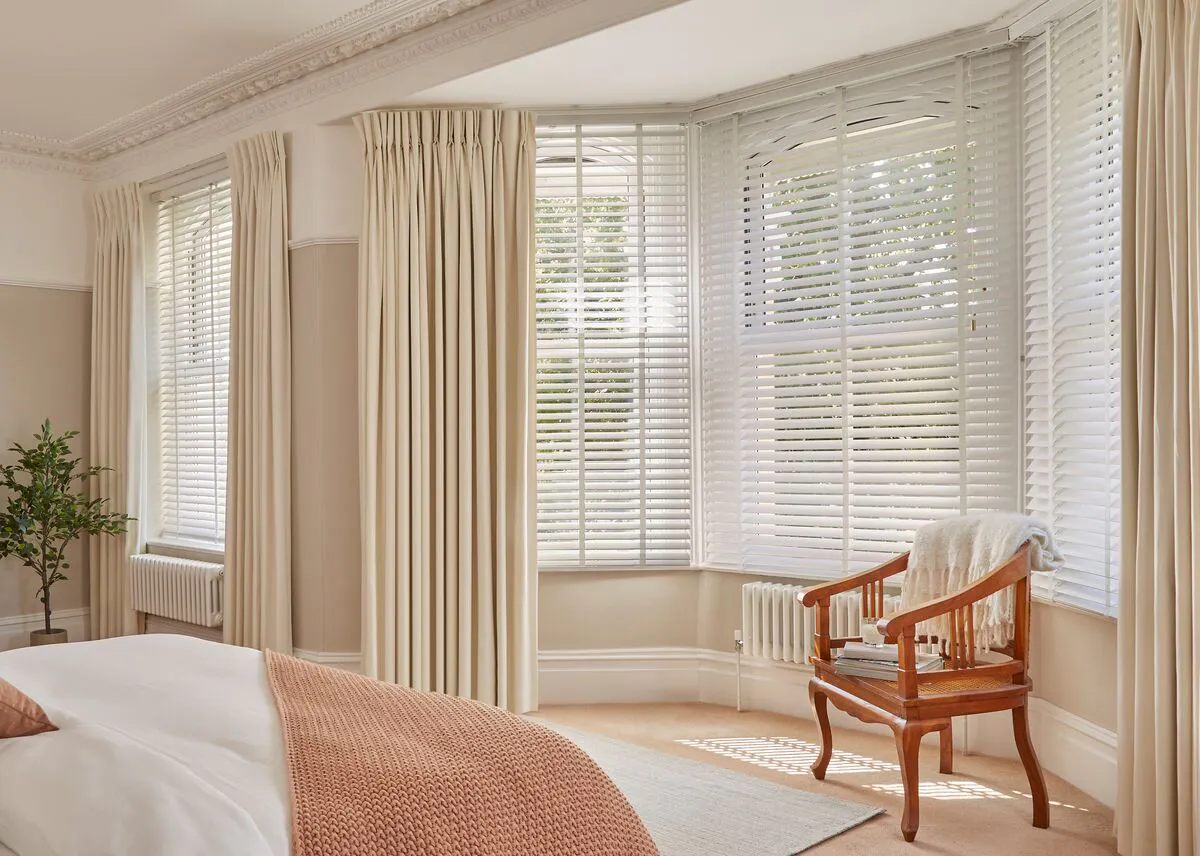
Person using a laptop on a bed beside a bright bay window with white shutters and full-length cream curtains filtering daylight.

3. Design your day

When it comes to getting better sleep, I used to be the expert in what not to do. Working too late at a screen? Tick. Checking emails on my phone in bed? Absolutely. Coffee in the afternoon? Consider it brewed. Putting worries to the back of my mind, to emerge like roaring lions the moment the light was switched off? Count me in. None of this helps if you’re trying to sleep better at night naturally. 

So why am I such a light sleeper?

Instead of thinking of the problem of poor sleep, ask yourself how would you create such a problem? If I wanted to make sure someone didn’t sleep, I would feed them caffeinated drinks in the evening. If I wanted to make sure they didn’t sleep, I would bombard them with worries at bedtime. Once you’re on a roll, it’s amazing how many things you can come up with. And after that, it’s simple: stop doing those things.  


Consider it an experiment, if you’re alarmed about making too many changes too soon, tell yourself it’s a project – you’re going to give it a month, maybe two. You’ll be so hooked on good sleep, you won’t want to go back.

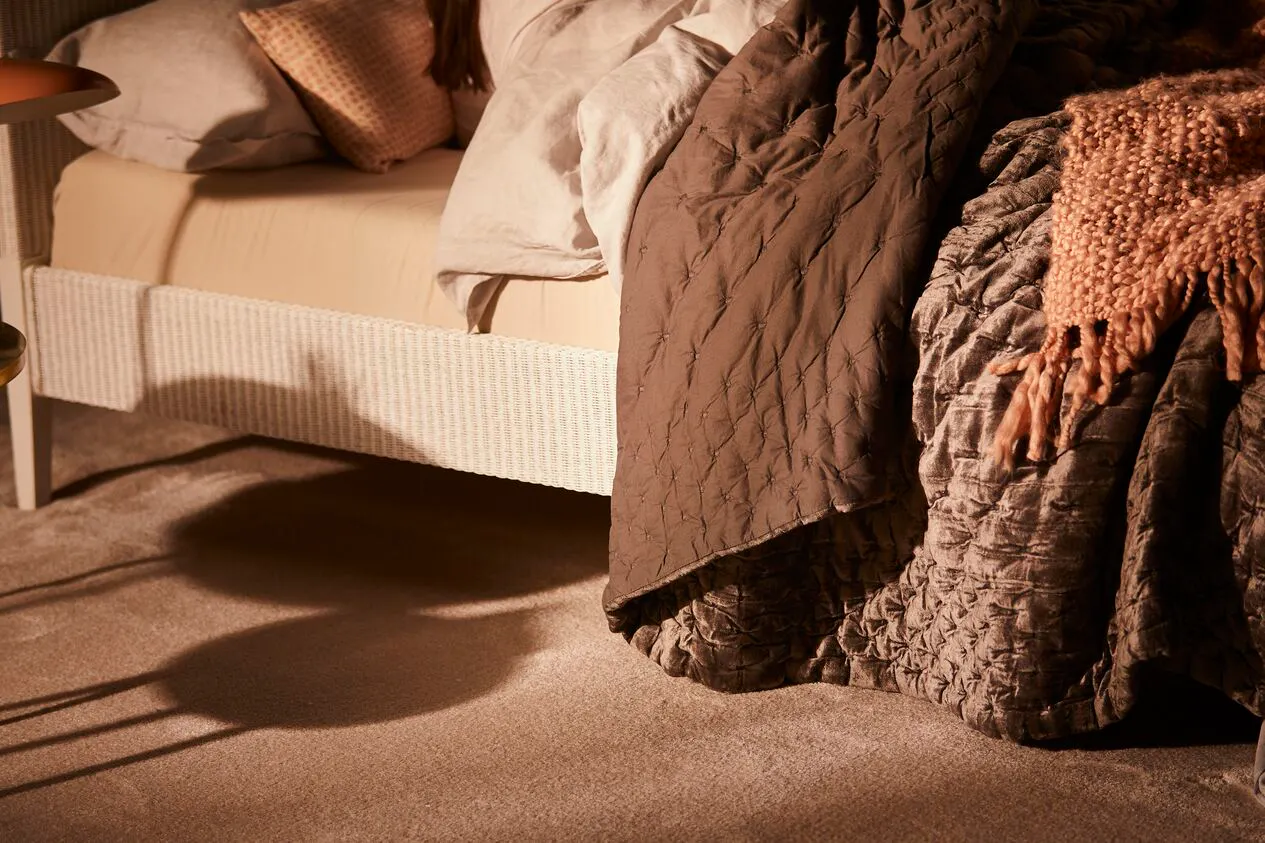
A cosy close-up of a white bed frame on a deep carpet. The covers are pulled back and the bed is layered with pillows, a thick duvet and rich brown throws. 

4. Design your mind

I wanted to say that I have been “sleeping like a baby” these days, but despite the cliché, babies, as we all know, aren’t the greatest examples of unbroken, deep and restorative sleep. Instead, you want to reframe your idea about how an adult sleeps, and a surprisingly effective way of learning how to sleep better at night naturally, is to tell yourself that you are a good sleeper.  


So, give yourself a talking to. We’re all familiar with the idea of the self-fulfilling prophesy. Look at it like this: imagining, as you pull up the covers, that you’re going to lie awake, tossing and turning, is clearly a sure-fire way to a restless sleep. Instead, tell yourself, when you wake up in the morning, and periodically during the day that you are a good sleeper. If the words sound alien to you, remind yourself of the time when you were a child, and you slept through the night, unworried by things like deadlines, bills and schedules.  

Putting worries to bed

Those worries? Write them down round teatime. You don’t have to have solutions but getting them out of your head is the way to stop them circling at night.  

When you’re finishing up work, say: “I am done for the day”. It helps put a full stop to work-related thinking. Find what works for you, but saying “I am a good sleeper, I have been doing it all my life”, throughout the day is a very good place to start. PS it works best when said out loud. Sleep well!

Looking for more inspiration?

Explore more of our light control and styling tips

*Subject to advisor capacity