




Request an appointment
  • Price Promise

  • Rated Excellent

  • Fully Guaranteed

  • Over 40 years of value

Hillarys homepage1800 882 9171800 882 917Request a brochureRequest an appointment
Request an appointment

Top tips for insulating your windows and keeping your home warm

Yvonne kneel product designer holding roman blindAuthor Yvonne KealProduct Management SpecialistWritten 20/11/2013Updated 22/01/2026
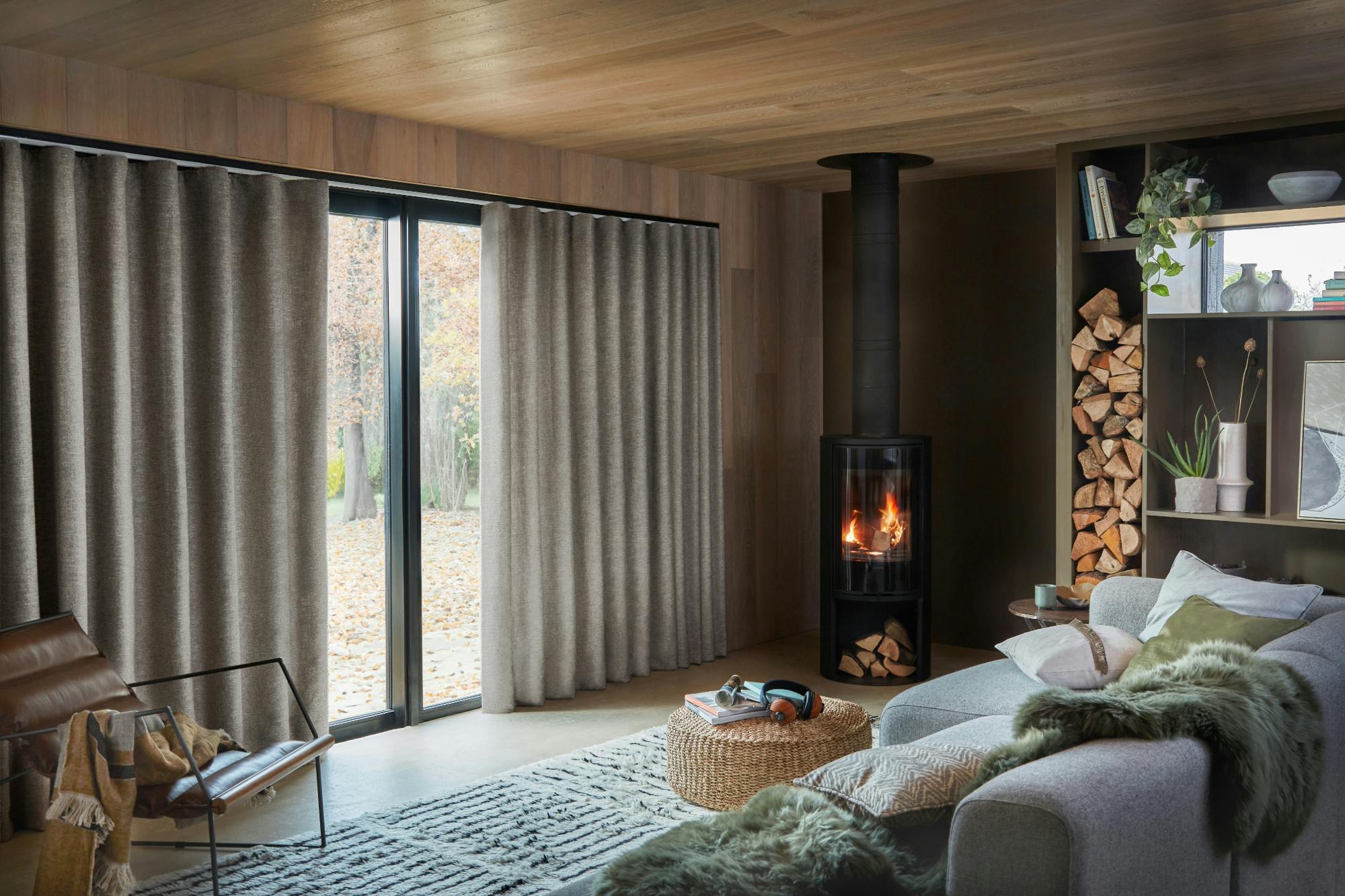
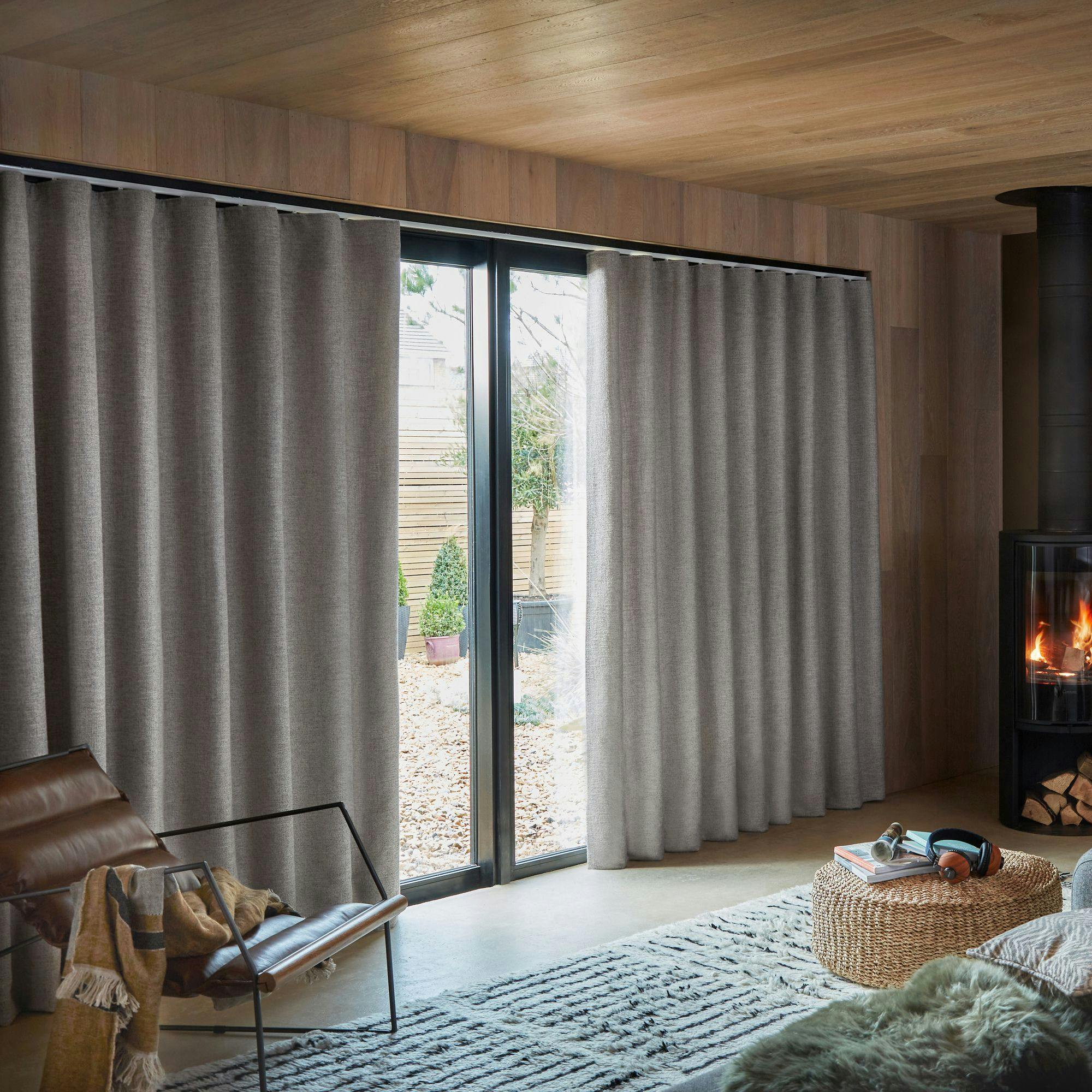
Nest pewter floor length wave curtains on large windows in cosy bedroom with fire

Windows are one of the biggest sources of heat loss in the home. The good news is there are plenty of simple and impactful ways to insulate your windows, improve warmth, and make your home feel cosier.

This guide explains the most effective methods, from thermal blinds and well‑lined curtains to DIY draught‑proofing and smart layering techniques.
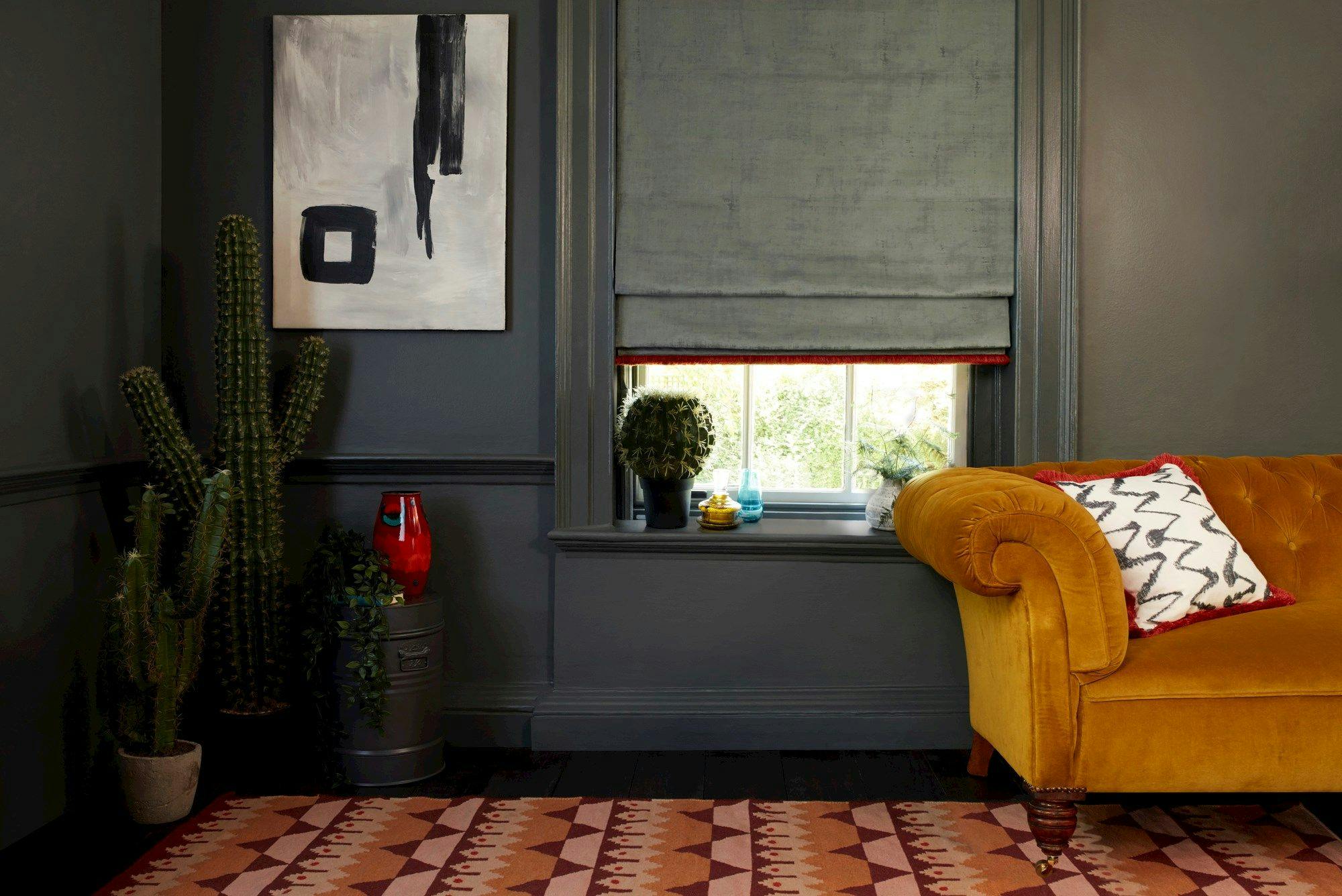

cley donkey roman blind with collette vixen fringing in a grey living room with an orange sofa and cactii

Why insulating your windows matters

Windows lose heat in three ways:

  • Conduction - Heat moves from the warm inside to the cold outside through the glass and the frame
  • Convection - Cold air near the glass sinks, warm air rises which creates a circulating draft
  • Radiation - heat radiating to the cold glass, from a heat source or body

Homes with older glazing, aluminium frames or even just larger windows or doors are often the worst affected, but even with modern glazing, cold draughts coming inside and heat escaping outside can make rooms feel chilly and make your reach for the heating thermostat.  

Choose insulating blinds to reduce heat loss

One of the most effective ways to insulate windows is to use thermal blinds, which create a barrier between cold glass and warm indoor air.

Specialist styles, such as Duette® and Thermashade™ blinds, have a cellular design that traps air, and studies show they can reduce heating loss by up to 55%.

For standard blinds and shutters professional measuring and fitting is key. A well-fitting blind ensures there are no gaps around the edges where warm air could escape; a small detail that significantly improves insulation.

Bay window with deep blue Roman blinds framed by rich plum curtains, creating a moody lounge with soft light and layered textures.

Choose thermal curtains for extra insulation

Curtains are a great way to add warmth and personality to your home and are especially helpful during the colder months. Heavier fabrics like velvet or thermal-lined curtains provide excellent insulation while adding a touch of luxury to your space.  

Closing curtains before the sun starts to slip away helps prevent heat gained through the day from escaping through the glass. During the day, open them fully to make the most of natural sunlight.

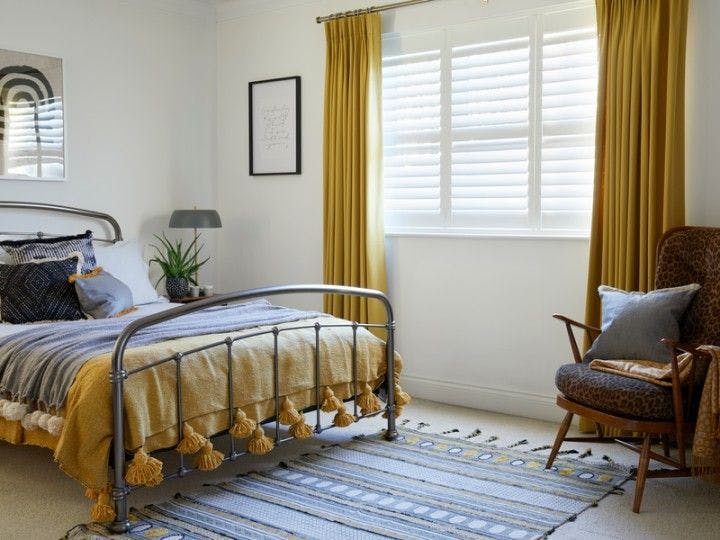
Bedroom with curtains in bright yellow fabric and white shutters in the windows

Layer up

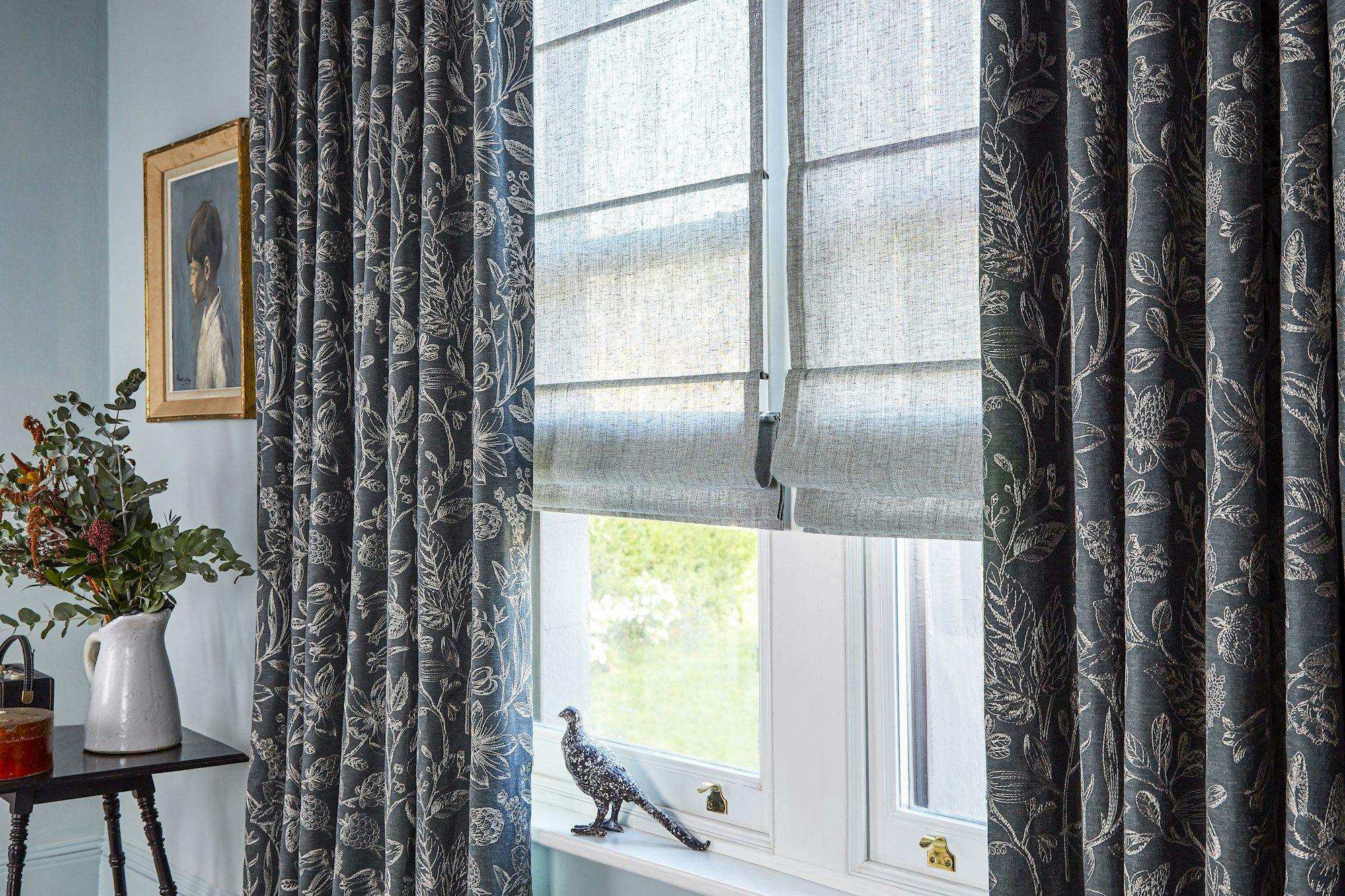
Another great way to manage heat loss is to layer curtains over blinds or shutters. You’ll not only benefit from the additional insulation, but it adds a luxurious and refined look to your space.  

Try blackout blinds with thermal curtains; great for a bedroom to minimise light levels and create a restful environment for sleep but they’re beneficial all around your home. 

Blend different textures, colours, patterns and plains for a finish that’s as cosy as it is stylish. 

More top tips

  • TOP TIP FROM A HILLARYS ADVISOR

    "Shutters are a flexible choice, giving you the option to keep the frames closed and draughts at bay, but still allowing light in by positioning the louvres to suit you."

    MARK, HILLARY ADVISOR

FAQs

How can I quickly insulate my windows?

Simple, low-cost options include draught-proof tape and window film. These methods help block draughts and reduce the amount of heat escaping through gaps or single pane glass.

Do thermal blinds or curtains really make a difference?

Yes. Insulating blinds and heavier, thermal lined curtains can significantly reduce heat loss, especially in older homes. They create an extra barrier at the window, helping keep warmth inside during colder months.

Is double or triple glazing worth it?

Upgrading to double or triple glazing provides major long‑term improvements. These windows trap a layer of air or inert gas between panes, reducing heat loss and improving comfort.

What if I can’t afford new windows?

You don’t need major upgrades to see benefits. Affordable fixes like draught excluders, caulking, and secondary glazing panels can still make a noticeable difference in warmth and energy efficiency.

How do I know when my windows need replacing?

Signs include persistent condensation between panes, draughts, difficulty opening or closing, or visible wear to seals. These indicate reduced insulation performance and may mean it's time to consider an upgrade.

Take a look at more ways to keep your home warm