

Why the movement still matters
Despite its origins over a century ago, the Arts and Crafts Design Movement continues to influence modern design in several meaningful ways.

Price Promise

Rated Excellent

Fully Guaranteed

Over 40 years of value
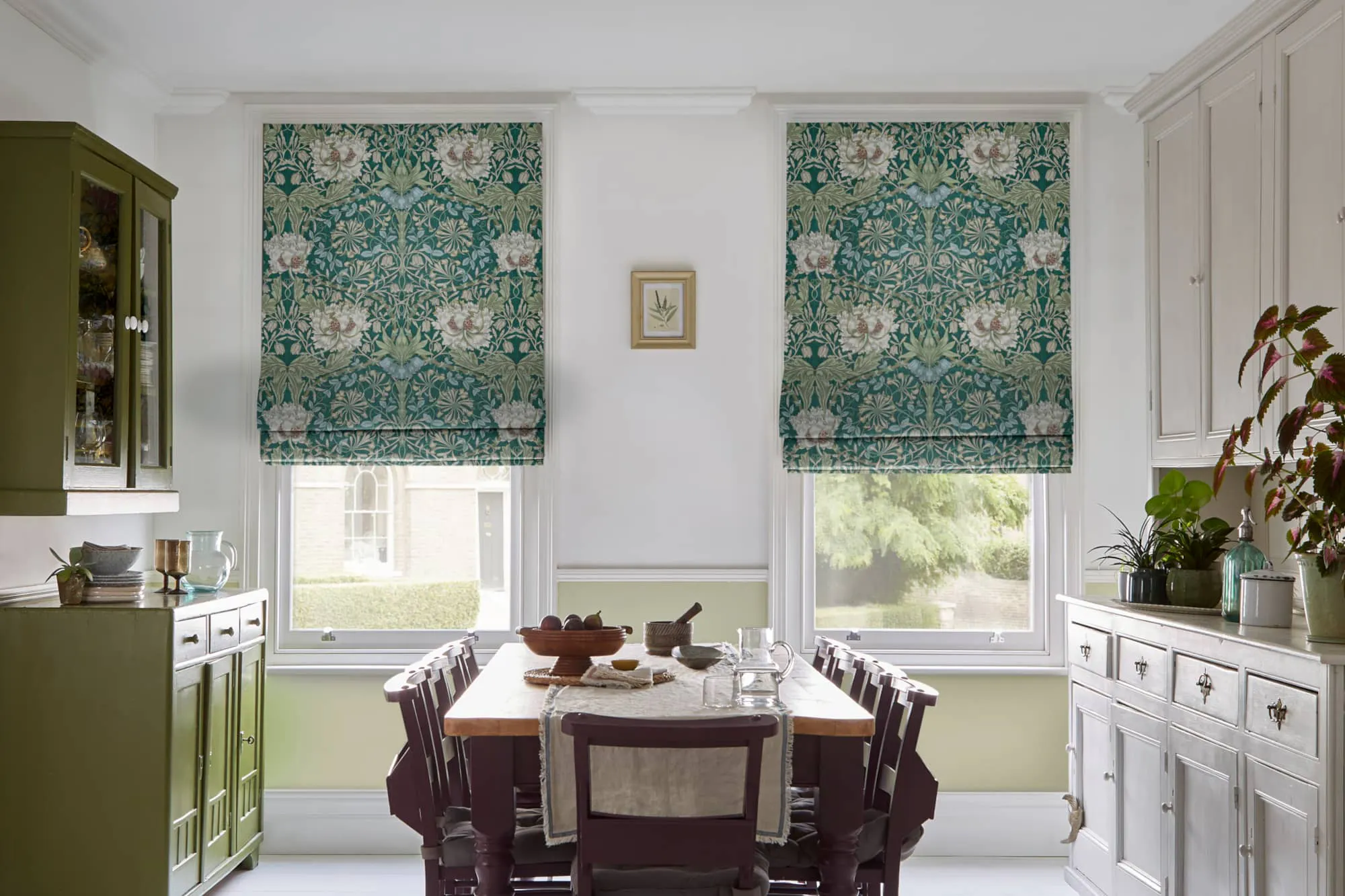
In an age of mass production, fast fashion and digital design, the enduring charm of the Arts and Crafts movement continues to resonate with homeowners, designers and creatives alike. At the heart of this movement lies a philosophy that values craftsmanship, natural beauty, and artistic integrity; principles that feel more relevant than ever in today’s fast-paced world.
At its core, the movement believed that good design should enrich everyday life, not just visually, but ethically and emotionally too. This philosophy still shapes how we think about our homes today.
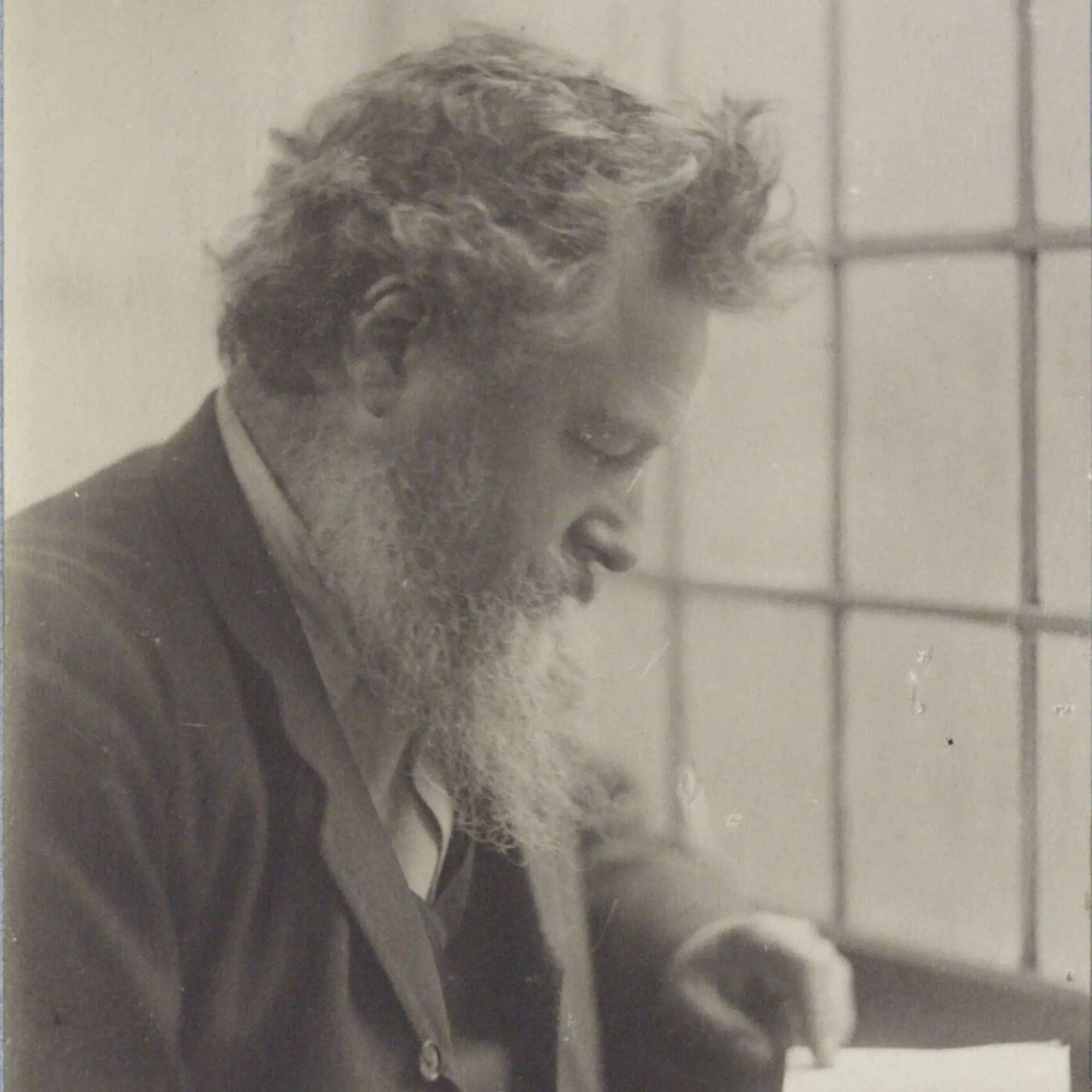
Emerging in Britain in the late 19th century, the Arts and Crafts Movement was a response to the industrial revolution’s impact on design and manufacturing. Mass-produced goods were criticised for sacrificing craftsmanship and integrity in favour of speed and profit. Spearheaded by visionary designer William Morris, the movement championed traditional craftsmanship, simple forms, and the use of natural materials.
Morris was joined by several influential contemporaries, including architect and designer Charles Rennie Mackintosh, whose work blended Arts and Crafts ideals with emerging Art Nouveau influences. Furniture maker Ernest Gimson and architect Philip Webb also played pivotal roles, advocating for honest construction and the beauty of handwork.
Together, these figures helped shape a design philosophy that valued integrity, sustainability, and the emotional connection between maker and material - principles that continue to inspire today.
The Arts and Crafts Movement believed that art and design should be woven into everyday life, rather than reserved for the elite or mass-produced without care. Its makers valued:
These principles were applied across all aspects of the interior, from furniture and ceramics to stained glass and textiles, designs were not only decorative but also functional, reflecting a belief that well-made objects could elevate daily living.
"Have nothing in your houses that you do not know to be useful or believe to be beautiful"
William Morris, Textile designer and artist
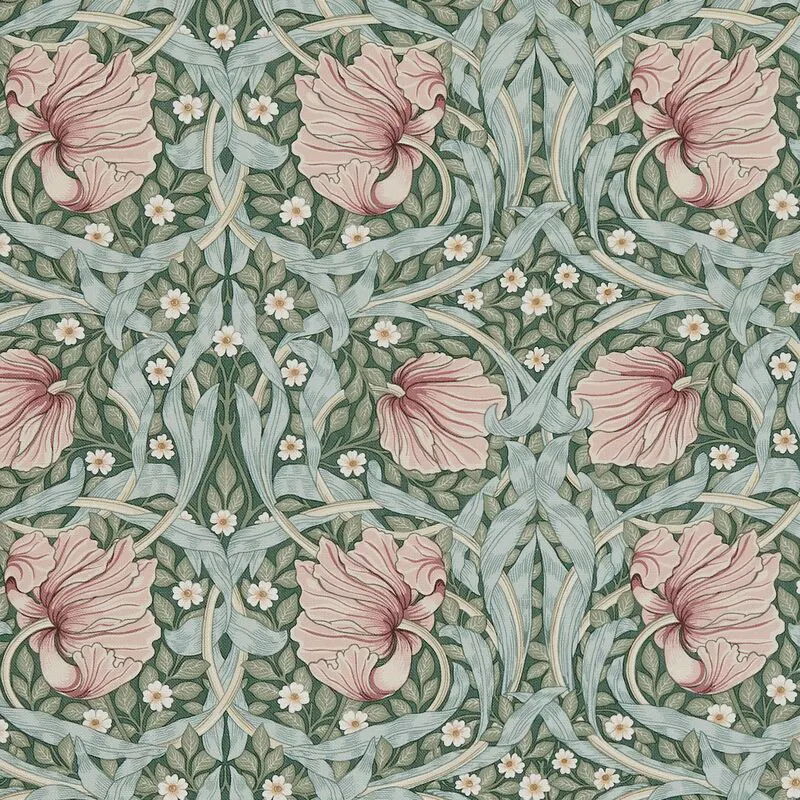
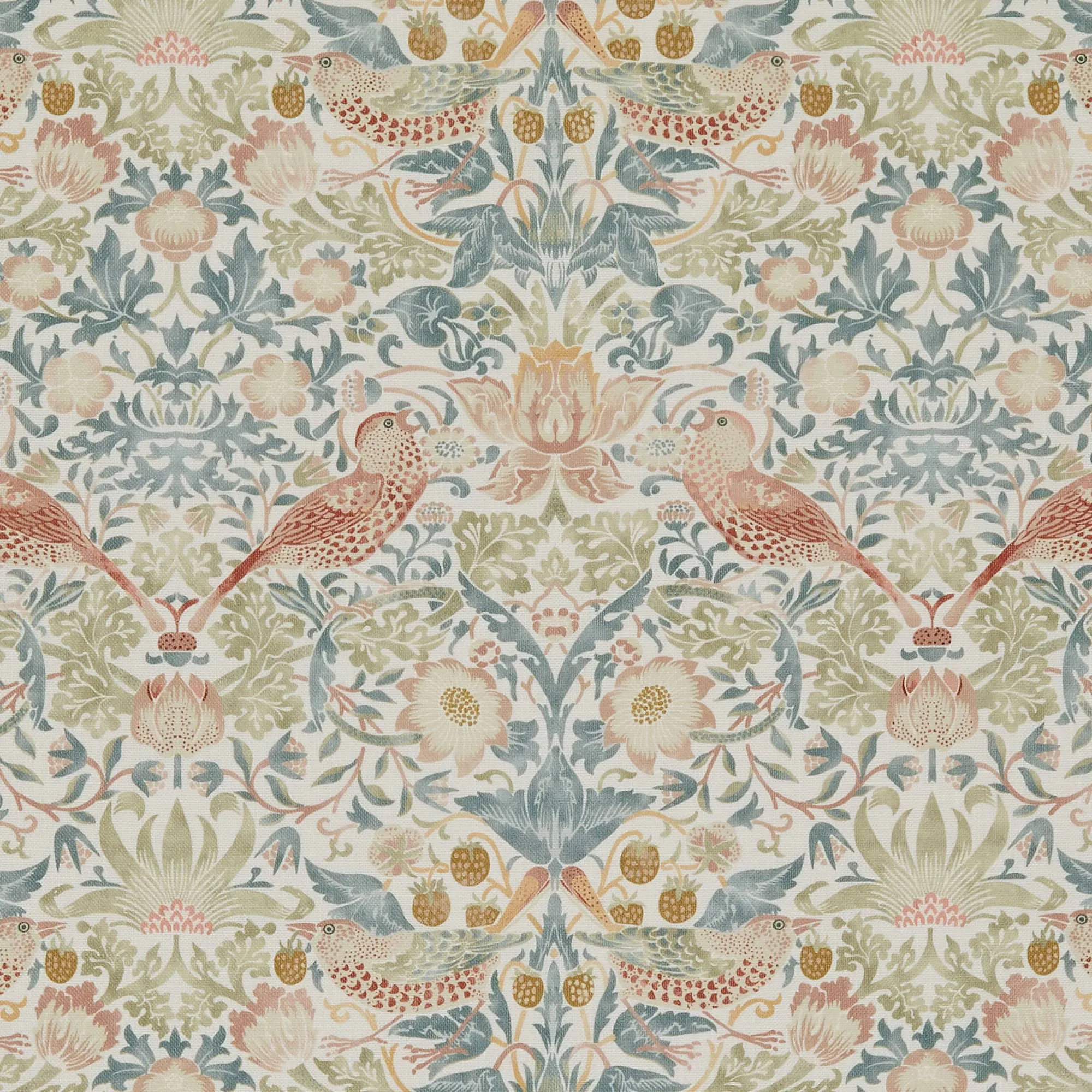
William Morris’s enduring influence is closely tied to the Victoria and Albert Museum (V&A), the world’s leading museum of art and design. The V&A holds the most significant public collection of Morris’s work, including wallpapers, textiles, tapestries, furniture, books and stained glass. Iconic patterns such as Trellis, Strawberry Thief and Willow Boughs are preserved and studied there, providing an authoritative record of his contribution to British design.
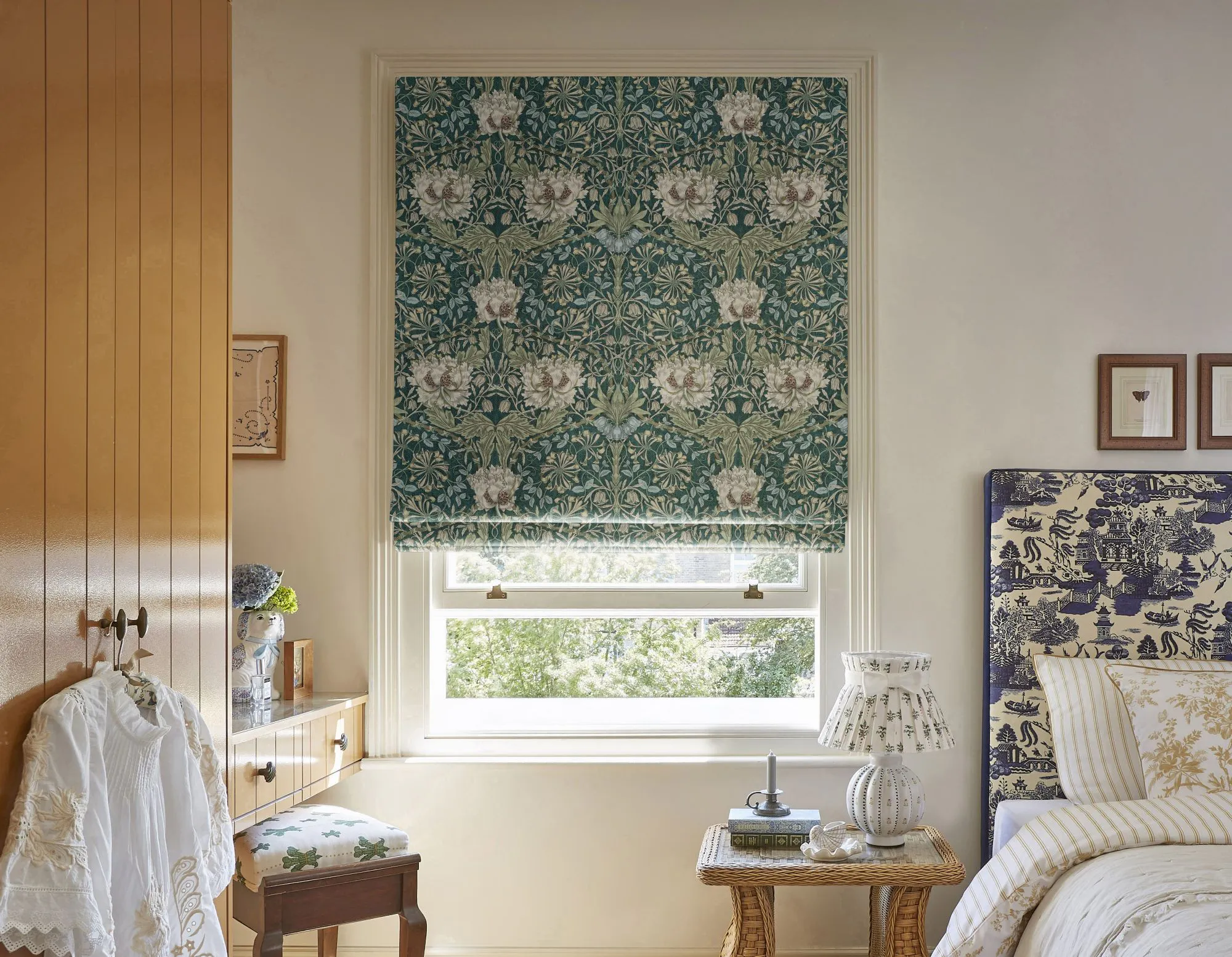
While the movement is often associated with wallpapers and fabrics, its influence reached far beyond textiles. Arts and Crafts homes were designed as complete environments, where architecture, furnishings and decorative details worked in harmony.
Arts and Crafts was never about a single look, but about creating homes that feel considered, joyful and made for living.
Despite its origins over a century ago, the Arts and Crafts Design Movement continues to influence modern design in several meaningful ways.
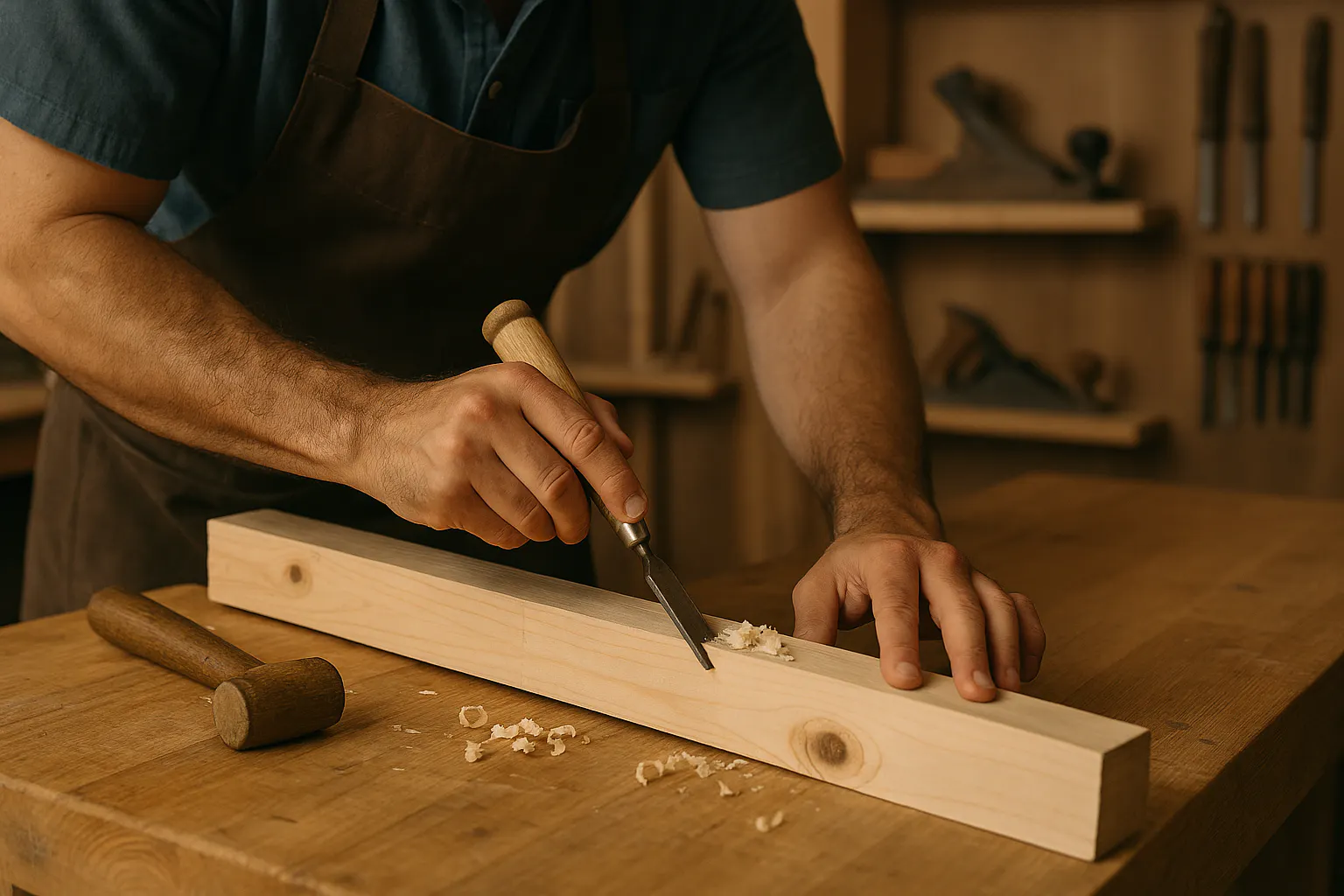
In a world dominated by disposable décor and fast trends, there’s a growing appreciation for quality and longevity. The Arts and Crafts Movement’s focus on skilled making and durable materials strongly aligns with modern interest in sustainable and ethical interiors.
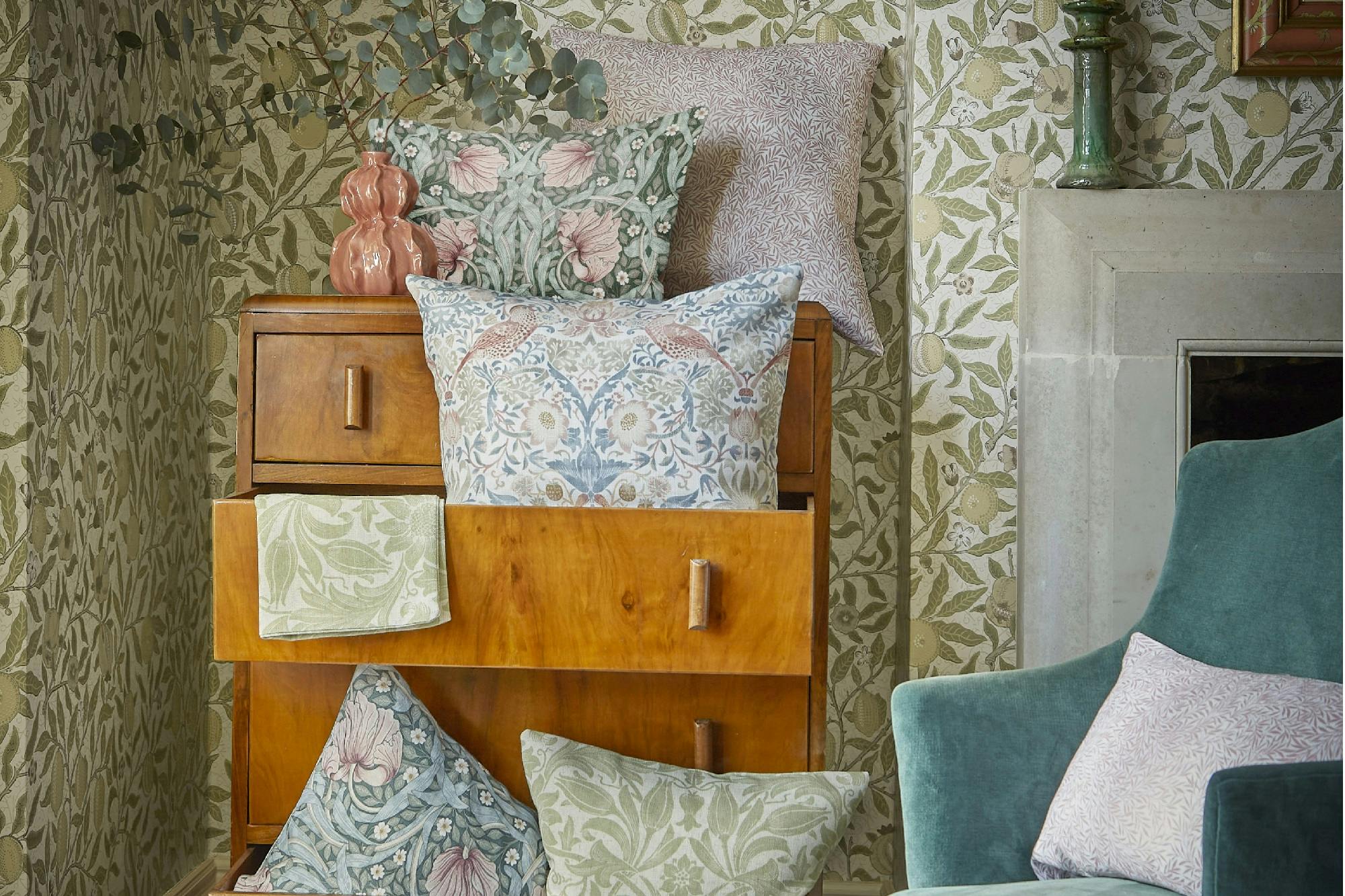
Arts and Crafts designs remain popular for their warmth, detail and natural inspiration. Whether found in wallpapers, textiles or furniture, organic motifs such as trailing vines, stylised florals and repeating patterns feel equally at home in period properties and contemporary spaces.
Nature was central to the movement’s philosophy, reflected not only in its visual motifs but also in its respect for natural materials and slower, more considered ways of living. These ideas echo today’s desire for calming, restorative interiors that feel grounded and balanced.
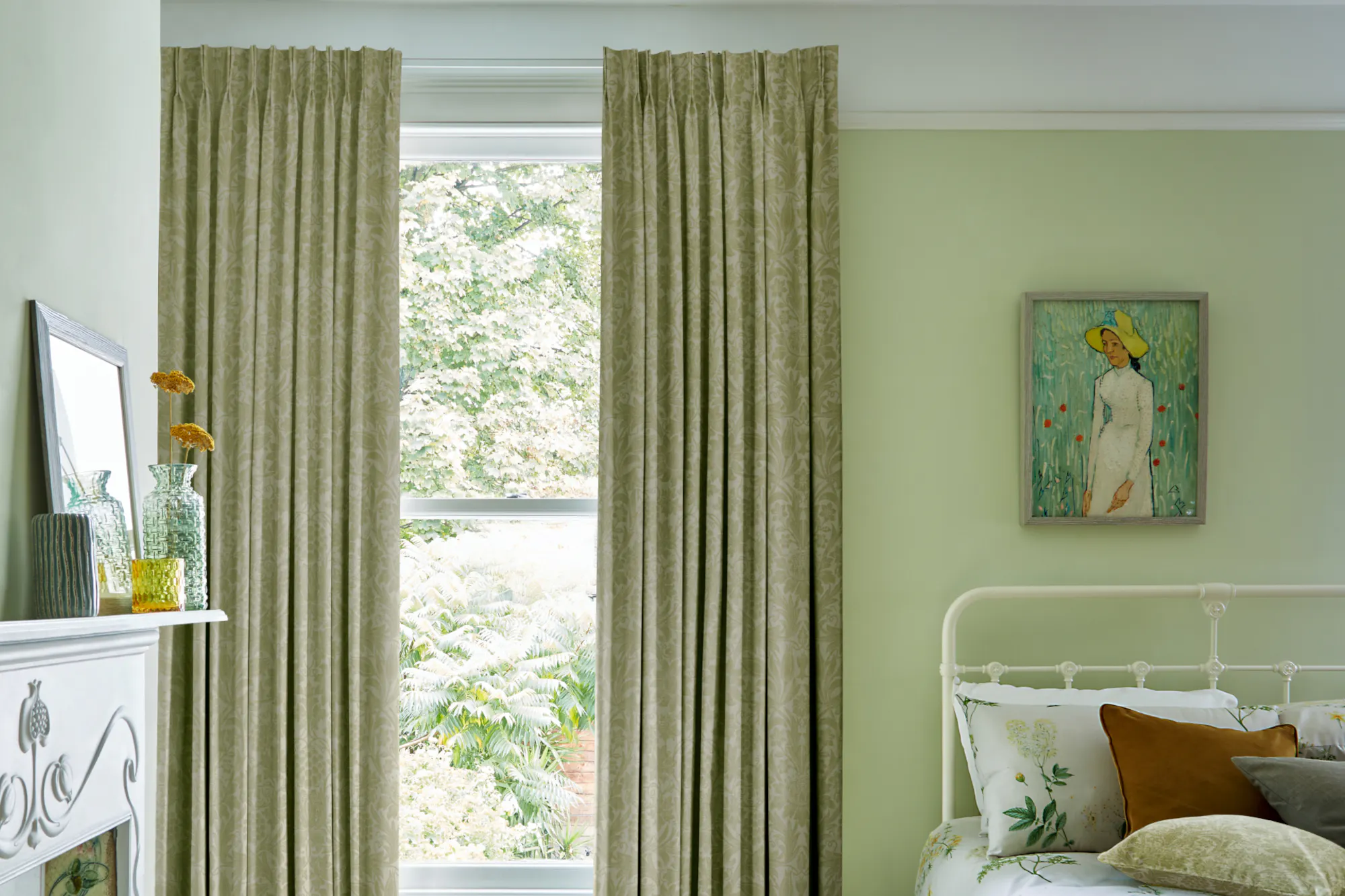
At its heart, the movement celebrated interiors that reflect the personality and values of those who live in them. Rather than mass‑produced uniformity, it encouraged handcrafted pieces, natural materials and thoughtful details, helping to create spaces that feel personal, characterful and intentional.
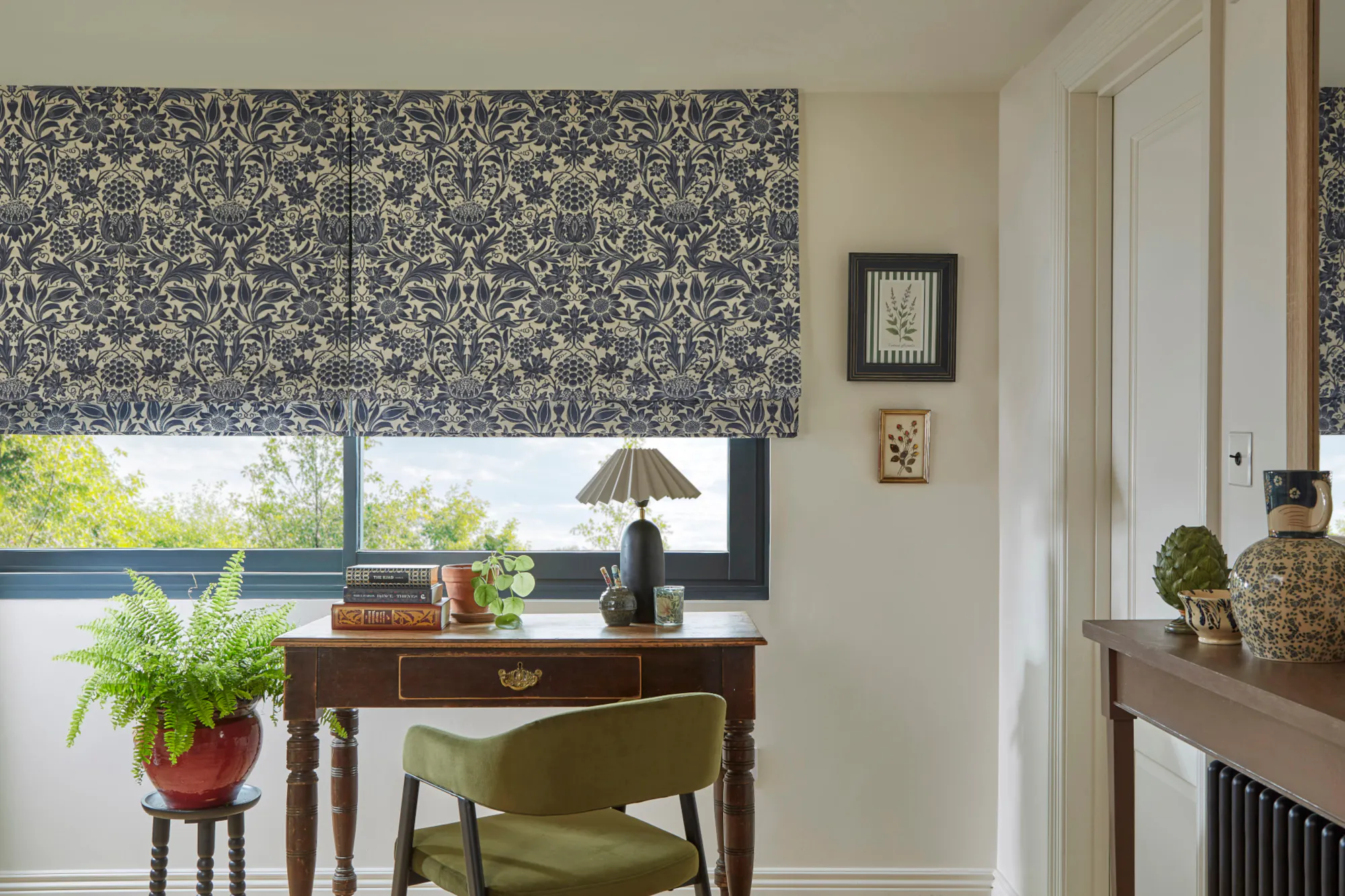
Whether you’re drawn to delicate botanical motifs or more structured geometric patterns, Arts and Crafts-inspired designs can be styled in a variety of ways:
In summary, the Arts and Crafts Movement isn’t just a chapter in design history; it’s a living philosophy that continues to inspire and enrich our homes. By choosing Arts and Crafts-inspired design, you’re not only investing in timeless beauty but also embracing a legacy of craftsmanship, creativity, and care.
Ready to bring the heritage look into your home? Explore our full range of William Morris blinds and curtains and discover how these iconic designs can transform your space.
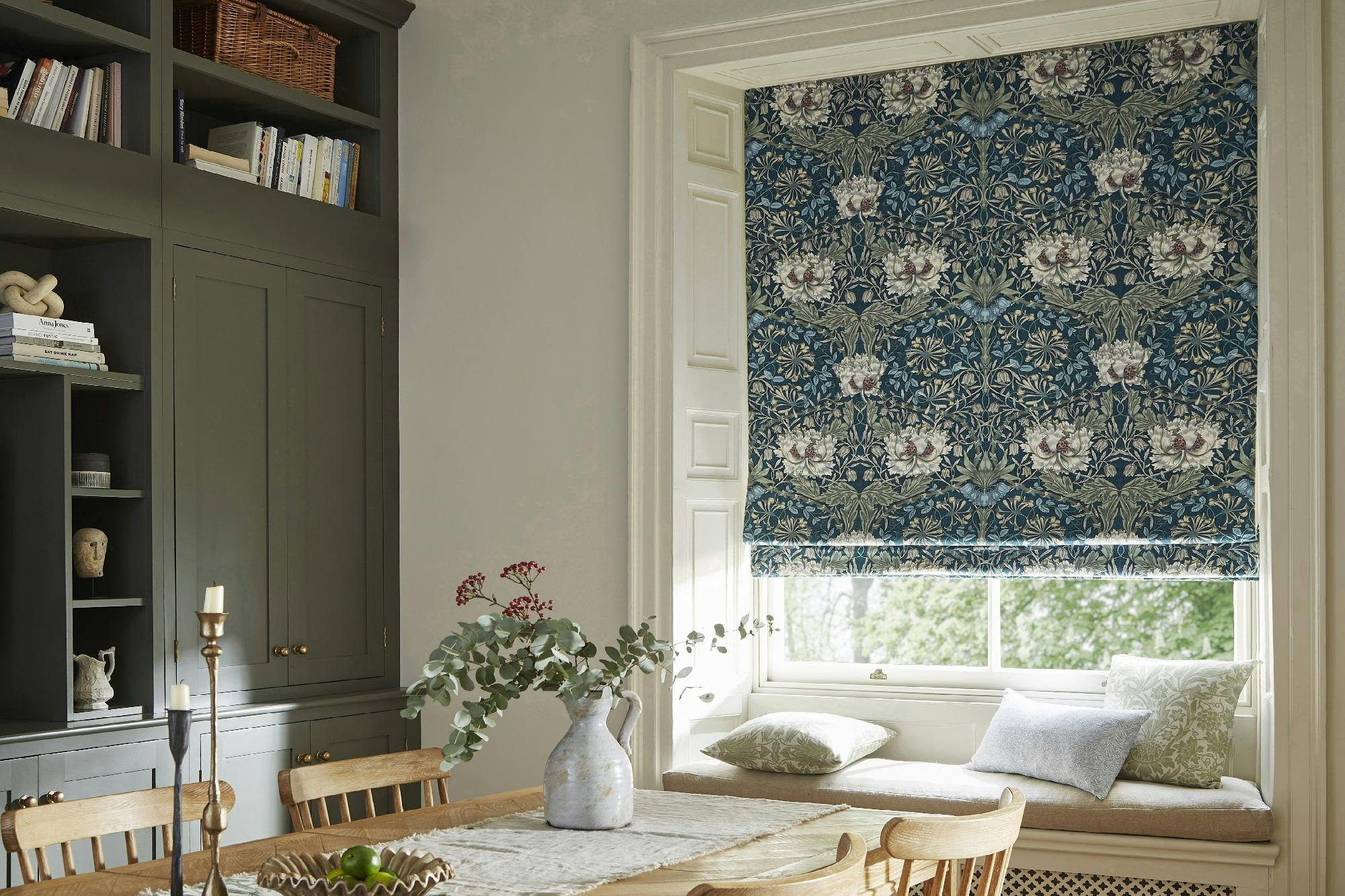
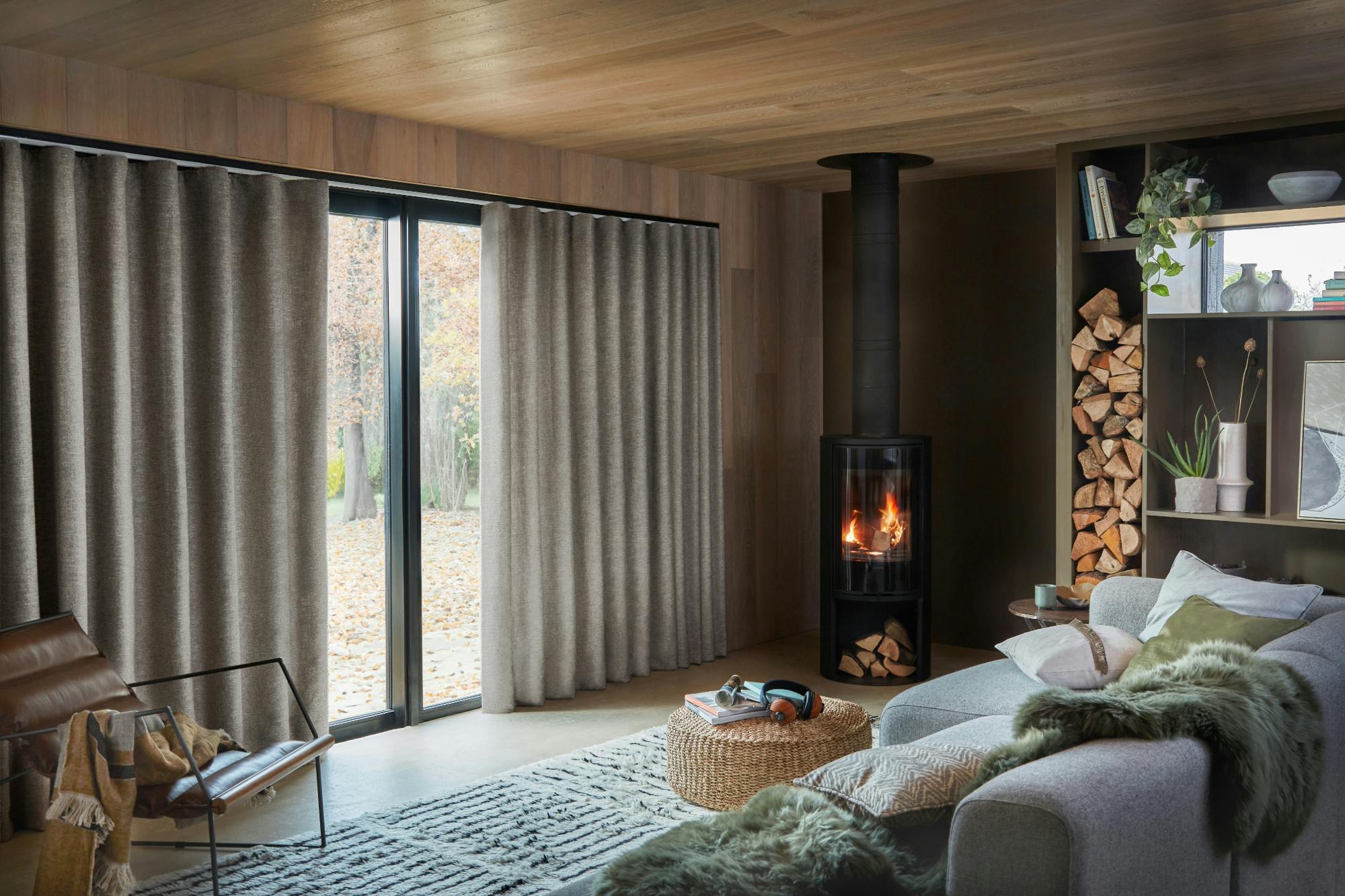
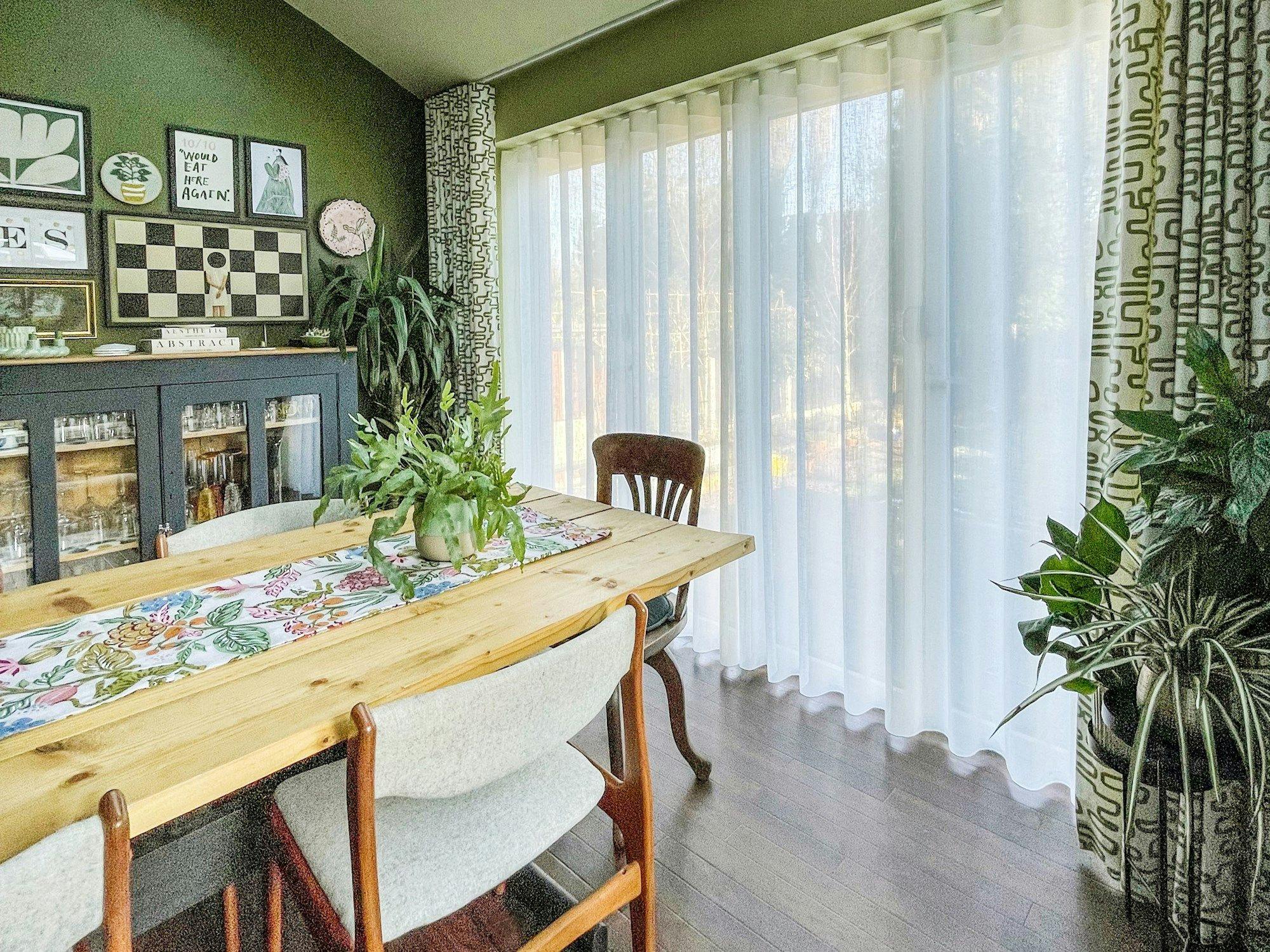
Let us inspire you to add character and warmth to every corner of your home
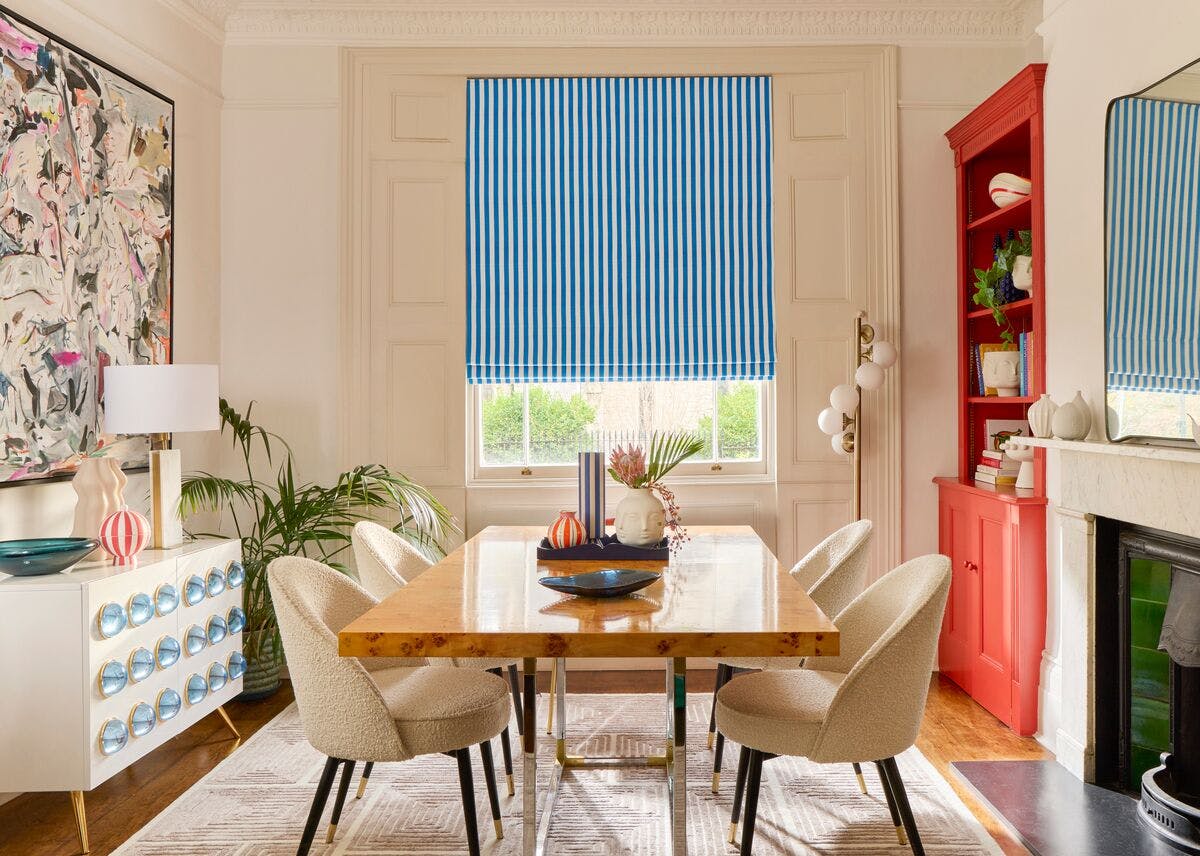
Enter your email address to receive updates on our latest collections, trends and exclusive offers.

40 years of local service

Rated Excellent

Advisors local to you

2 year quality guarantee