Request an appointment
  • Price Promise

  • Rated Excellent

  • Fully Guaranteed

  • Over 40 years of value

Hillarys homepage1800 882 9171800 882 917Request a brochureRequest an appointment

Sleep hygiene: myths debunked

Author Lisa CooperHead of Product at Hunter DouglasWritten 01/06/2026
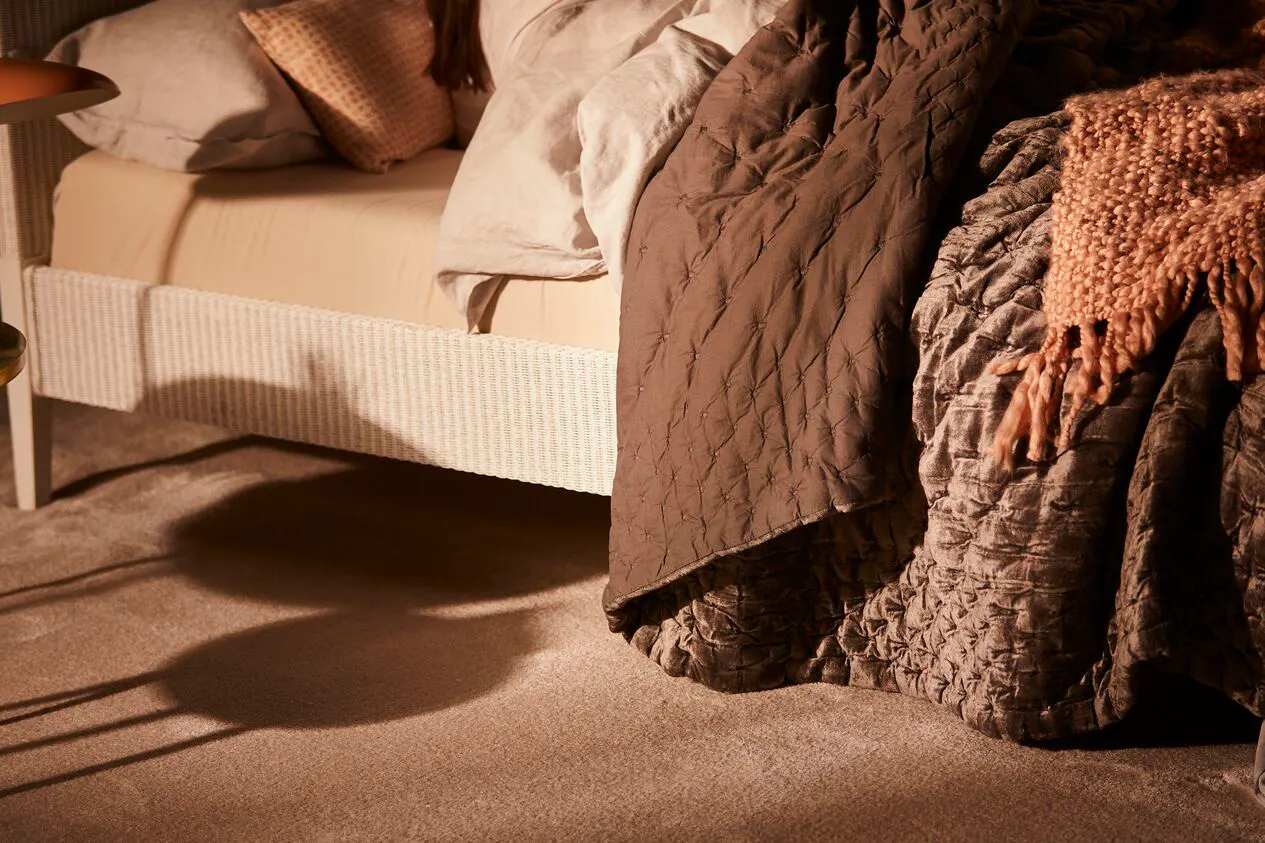
A cosy close-up of a white bed frame on a deep carpet. The covers are pulled back and the bed is layered with pillows, a thick duvet and rich brown throws.

Sleep is something of a modern-day obsession. Most of us generally feel we don’t get enough. For some, lack of quality sleep can affect every aspect of daily life.

We talked with health scientist and leading sleep expert Tom Coleman about the importance of good sleep hygiene and how to create the best environment for relaxation. We also took the chance to find out whether the sleep hacks and aids we see on social media are ever worth the hype.

A close-up of layered blush pink bedding shot in soft focus with a gently blurred background.

Why sleep can be a struggle

Ever googled ‘how to fall asleep’ at 2am? Or gone to bed exhausted, only to find your mind has other ideas?

Sleep can be disrupted by all sorts of things: stress, shift work, an irregular routine, hormonal changes, even genetics. Then there are seasonal curveballs, like clock changes or a summer heatwave, which disturb your natural rhythm and make it harder for your body to wind down.

A jug of water and a glass on a side table in a bedroom

From mouth taping to magnesium

Social media is full of hacks promising better sleep. But how many of them may actually help?

First off, mouth taping – covering your mouth with a porous tape to encourage breathing through your nose. While there’s some promising research here, we still don’t fully understand the risks and benefits. “If you're curious, it's worth trying. But speak to your GP first if you suspect you may have sleep apnoea or any other sleep condition”, says Tom.

Weighted blankets have some genuine research behind them, particularly for neurodivergent people. But responses are personal – some swear by them, others notice no difference.

The 'sleepy girl mocktail' – a blend of tart cherry juice and magnesium – is part credible science, part hype. Tom says that, while magnesium and tart cherry have both been linked to better sleep, we shouldn’t expect miracles.

Finally, blue light glasses are largely overhyped, Tom tells us. “It’s actually the stimulation we get from our screens that disrupts sleep, not the light itself.”

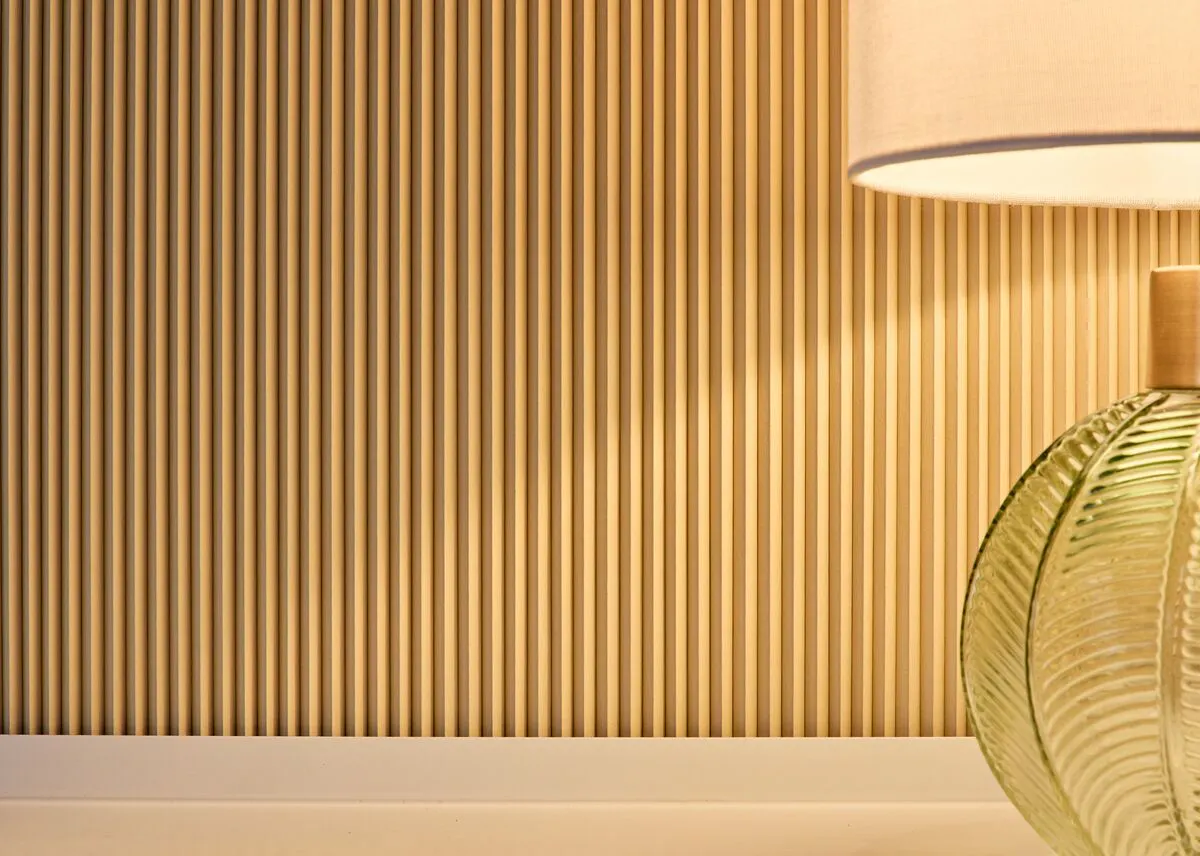
A close up of a warm-toned Blind Screen with a large ribbed green glass table lamp in the foreground.

Silencing busy brains

The truth is that our phones are addictive, and once the brain is engaged sleep becomes difficult. Tom recommends swapping screens for sound – whether that’s white noise, ASMR sleep tracks or a soothing podcast.

For a low-tech alternative, try the ‘alphabet game’, where you choose a category and then think of a word for each letter of the alphabet. It functions in the same way. taking just enough mental effort to hush racing thoughts.

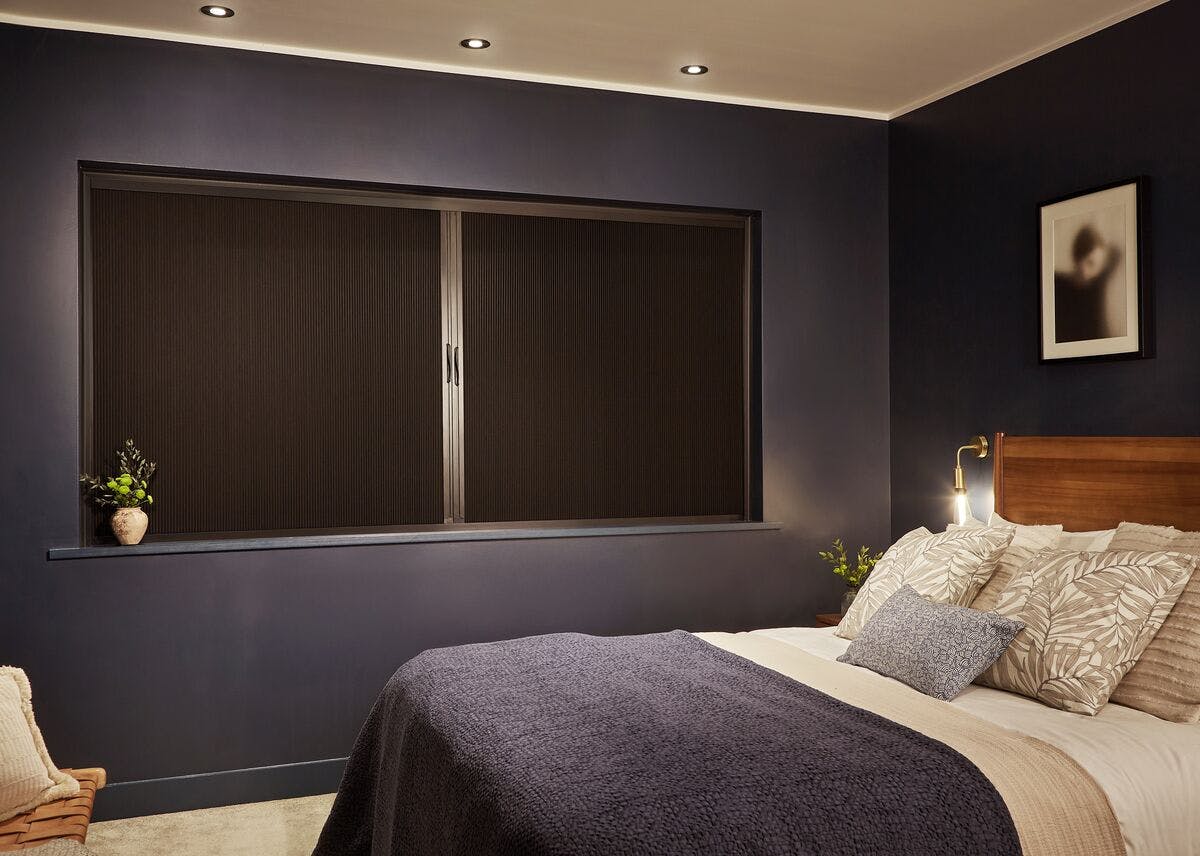
A dark cosy bedroom with a large window fitted with a black Blind Screen, surrounded by soft lighting and neutral bedding.

Creating the right conditions for sleep

Your bedroom environment matters more than you might think. A cluttered, disorganised space creates a kind of background tension, making it hard to switch off. Perhaps you need more storage to clear the clutter, or to rehome some items – like tech – that really shouldn’t be in the bedroom.

Colours and furnishings should feel relaxed and grounding, so consider warm neutral shades like warm off-white, almond and greige. Add comfortable bedding and perhaps some soothing home fragrance. Lower lighting signals the start of your night routine, so swap the main ceiling light for lamps or wall lights that give the room a gentle glow.

  • We want relaxation, not tension. Having a clutter free, beautiful bedroom with low lighting will encourage you to relax.

    Tom Coleman, Health scientist and leading sleep expert

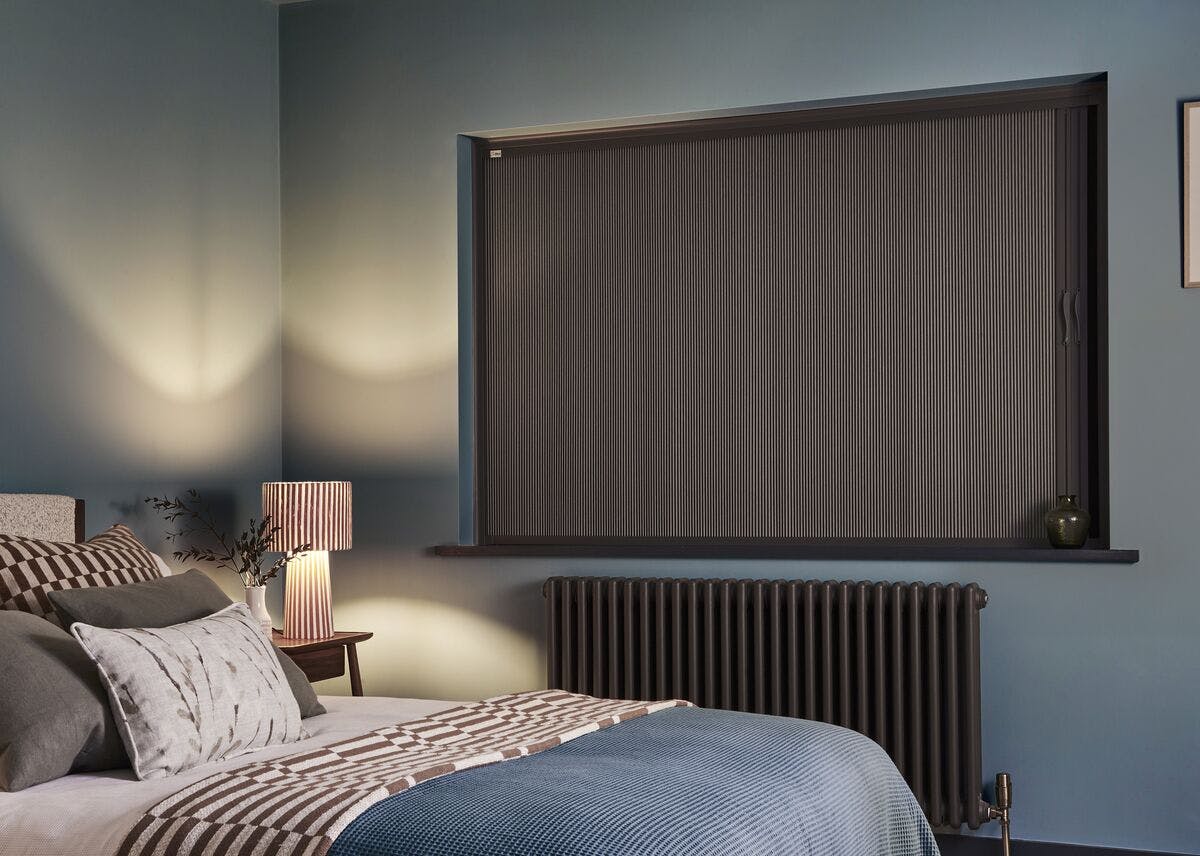
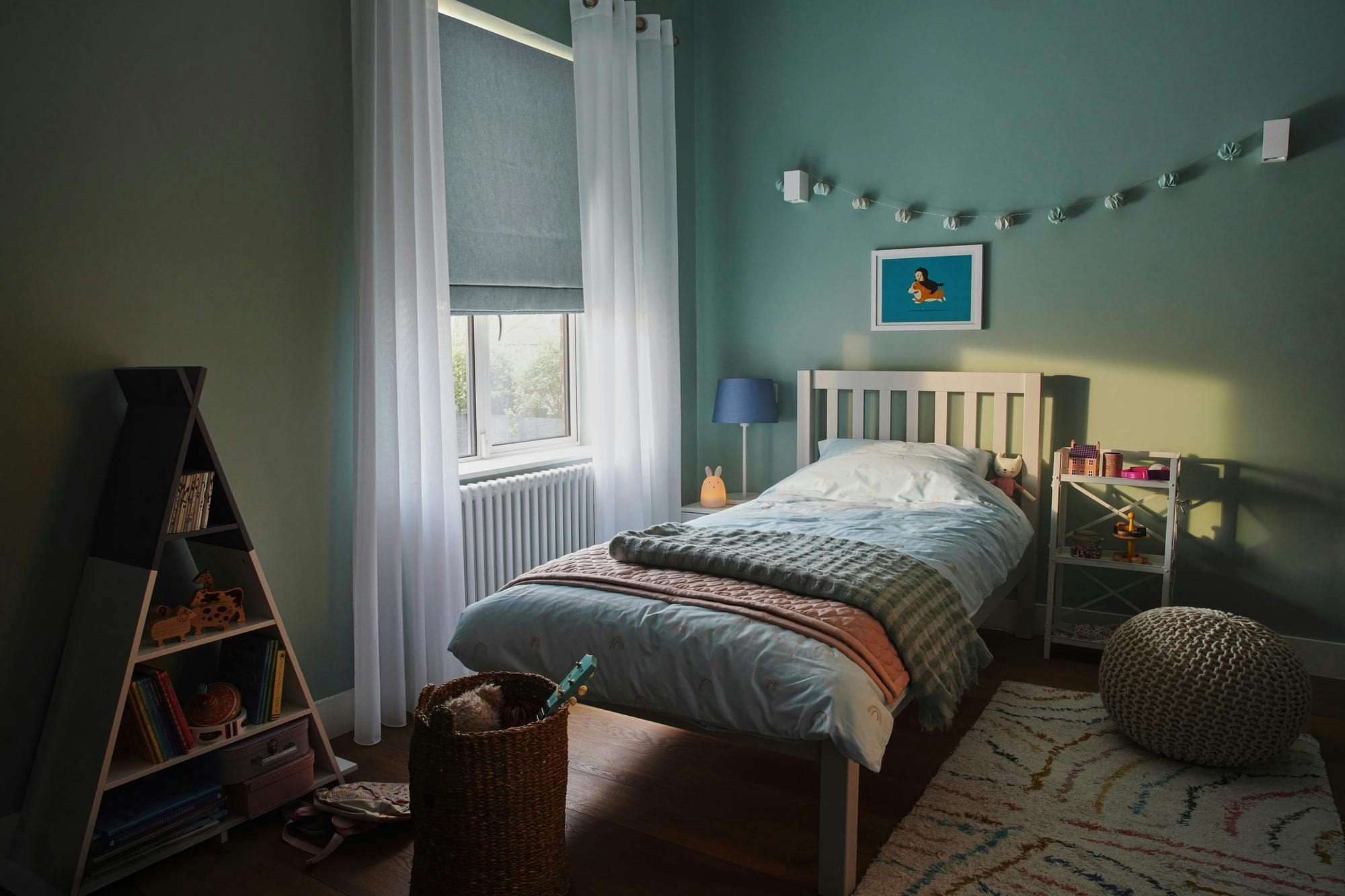
A calming blue-grey bedroom with a dark Blind Screen fully covering the window. The bed is styled with layered bedding and the corner is softly lit by a bedside lamp.

How blackout blinds can help

Light is a really important part of sleep hygiene: every animal, plant and system on earth is regulated by cycles of light and darkness. That's why blackout blinds  are so helpful. By blocking out light, they send a clear signal to the brain that it's time to sleep.

There are plenty of options to choose from, too. Roller blinds in blackout fabric are a sleek, practical choice that works in almost any room, while Roman blinds with a blackout lining bring a softer look and layer beautifully with coordinating curtains.

If you need complete darkness, there’s Blind Screen®, our new total blackout solution. The honeycomb fabric sits in a specially designed frame that seals the edges entirely, with no light creeping in at the sides.

  • Light is the most powerful lever for adjusting circadian rhythm and impacting sleep. The darker, the better. We are so sensitive that one small crack in the curtain can wake us one to two hours earlier in the summer.

    Tom Coleman, Health scientist and leading sleep expert

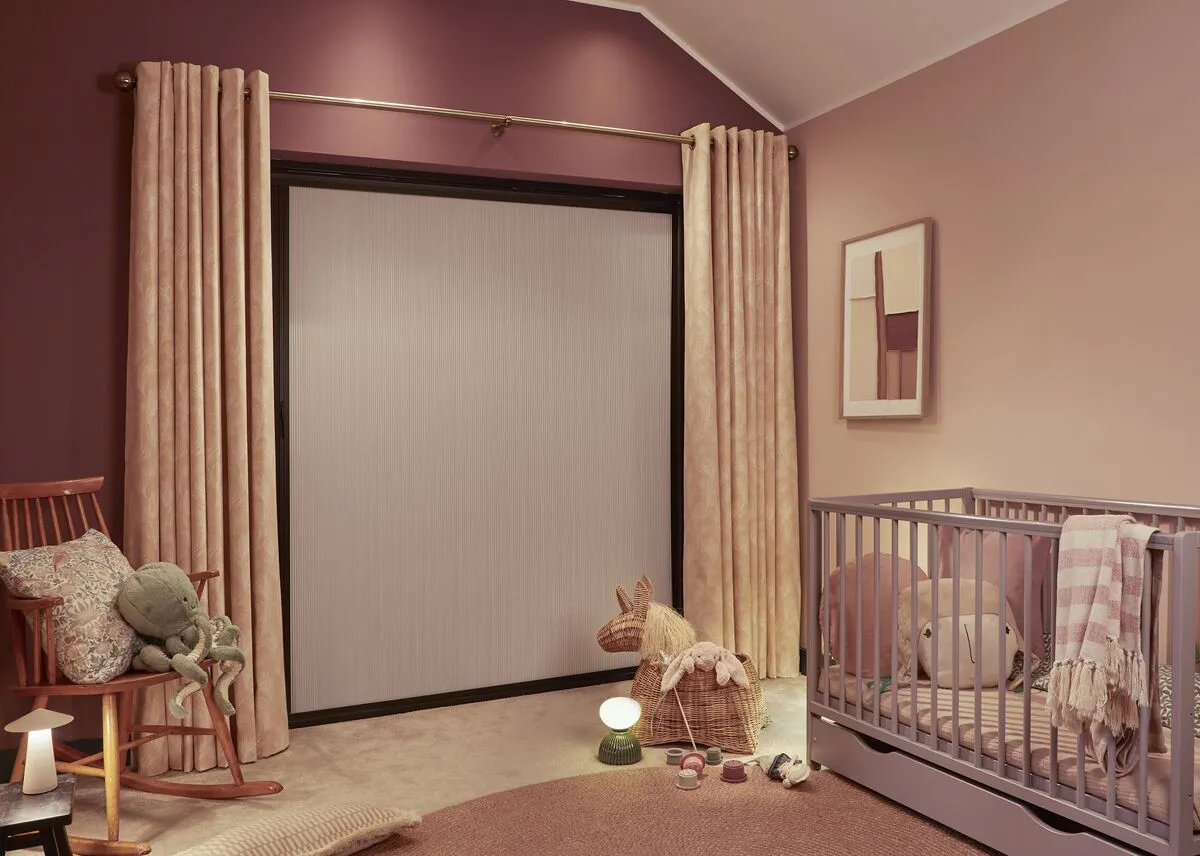
A rose-toned nursery with a total blackout blind framed by blush velvet curtains, with a grey cot, rocking chair and scattered toys.

Our top sleep hygiene tips

  • Good sleep hygiene starts with your environment, so make sure your room is tidy, calm and dimly lit.
  • Swap scrolling for sound in the evening to help your brain wind down.
  • Some social media sleep hacks may help some people, but a consistent night routine will always win.
  • Light has a powerful impact on sleep, making blackout blinds a simple, effective way tell your brain that it's time to rest

Creating the right conditions for better sleep

Better sleep rarely comes from a single fix. Instead, it’s the result of small, consistent habits that add up over time. A calmer bedroom, a gentler evening routine and a little more darkness can go a long way.

Related articles