Request an appointment
  • Price Promise

  • Rated Excellent

  • Fully Guaranteed

  • Over 40 years of value

Hillarys homepage1800 882 9171800 882 917Request a brochureRequest an appointment

Minimalism for a new era: how to create calm, clutter-free spaces with texture and warmth

Victoria Robinson product manager Author Victoria RobinsonProduct Manager

Minimalism, more than just less

Minimalism has always been more than just a design trend, it was an actual mindset, a way of life. But it’s entered a new era, evolving and adapting to the ever-changing world. Once defined by stark white spaces and rigid restraint, today’s minimalist interiors are softer, warmer, and more personal. This new wave, often called soft minimalism, is less about stripping everything away and more about curating with intention. It’s about creating space to breathe, think, and feel at ease. Whether you're starting from scratch or refining an existing space, here’s how to embrace minimalist design in a way that feels calm, tactile, and deeply liveable.
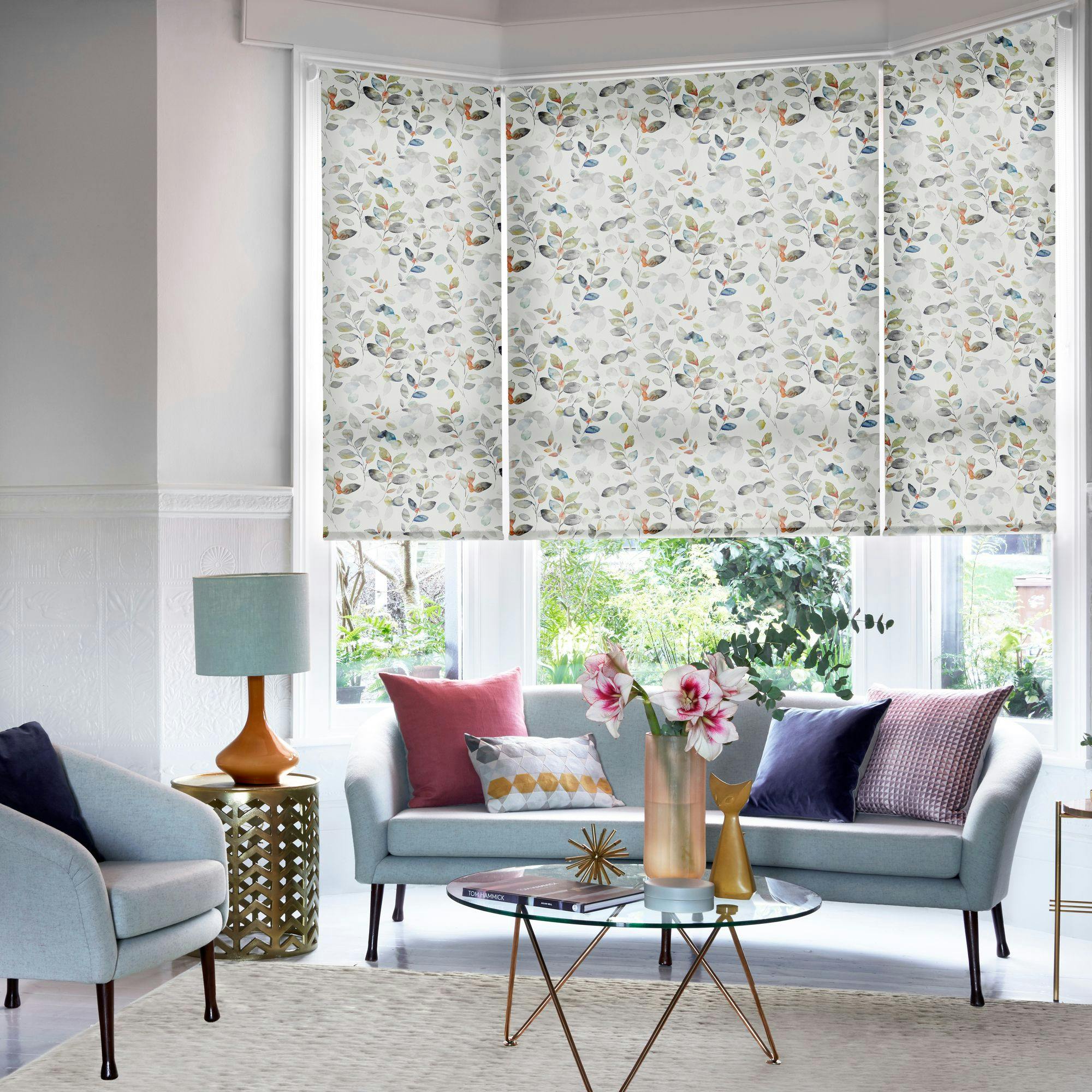
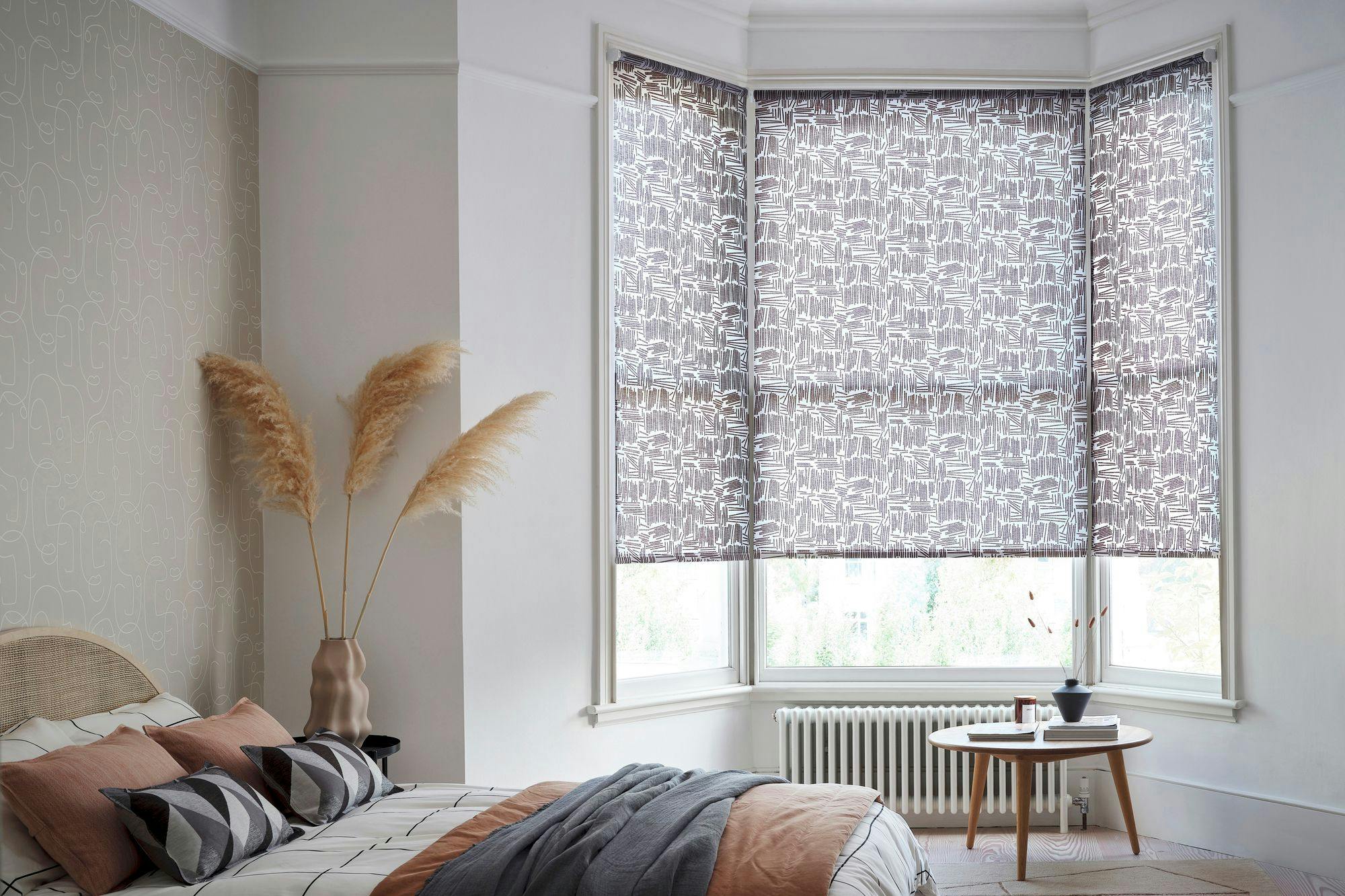
matilda oystery roller blind in living room bay window

Define your space by function

Before choosing colours or furniture, ask this question: What do I want this space to do for me? A bedroom might need to soothe, a kitchen might need to energise, and a living room might need to flex between rest and connection. When you define a room by its function, design decisions become clearer. Layout, lighting, and even window treatments, like a simple Roller blind to control light or a soft Roman blind to add structure, can then support that purpose without overwhelming it.

Keep the palette restrained but not flat

Minimalist interiors often lean into a restrained palette, but that doesn’t mean colour is off the table. In fact, colour is one of the most powerful tools in soft minimalism, it just plays a quieter role.

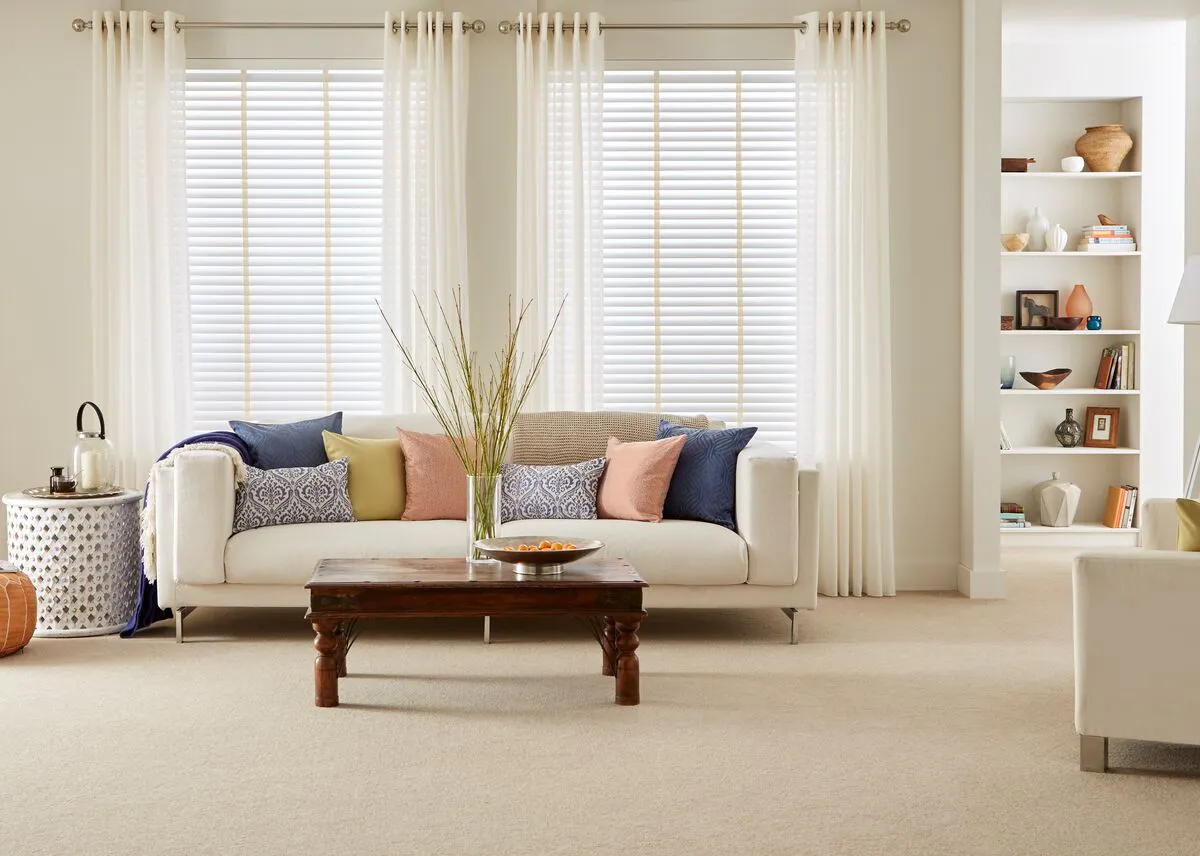
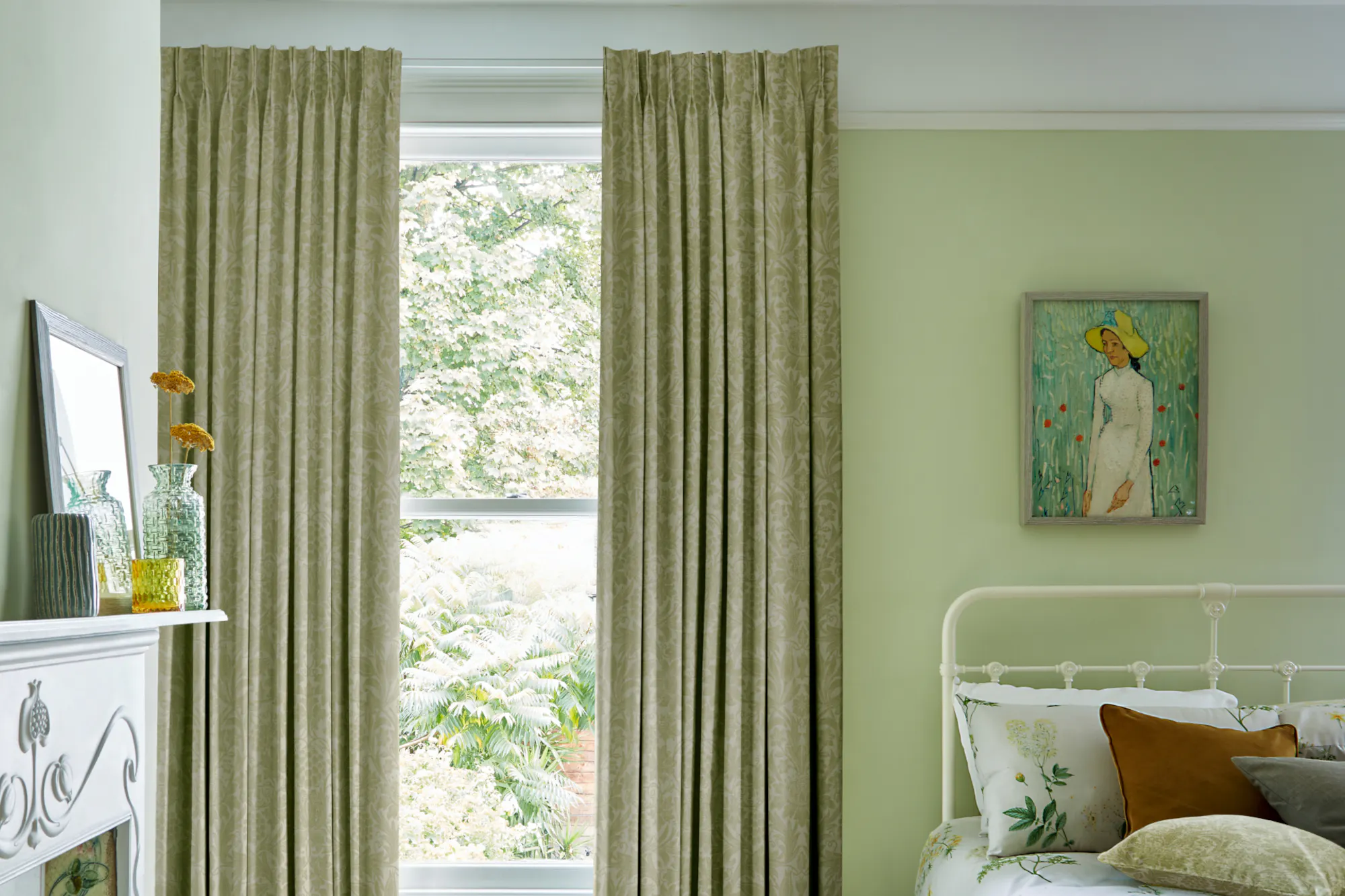
Think layered neutrals: warm whites, soft greys, muted taupes, and earthy tones like clay, sand, or sage. These hues create a sense of calm and cohesion, allowing the eye to rest. A light-filtering blind in a tonal shade can subtly echo the palette, adding harmony without distraction.

Want a little contrast? Try a deep charcoal, forest green or inky blue accent not to dominate, but to ground the space.

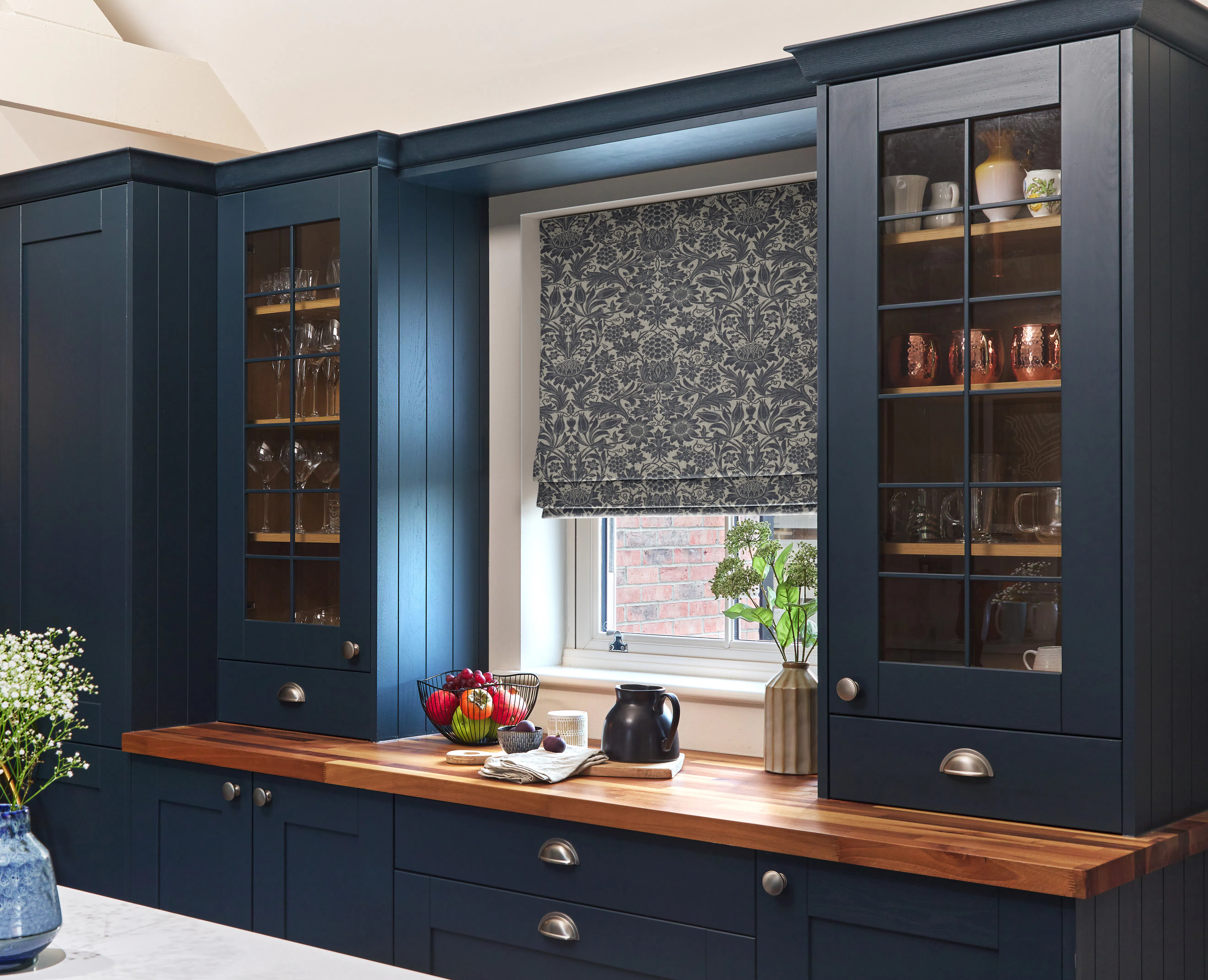
  • “Minimalist colour scheme like creams, whites and soft browns are best in minimalism but don’t be afraid to experiment with a pop of colour which can add character to kitchens in particular.”

    Yvonne Keal, Senior Product Manager

Decluttering - more than just tidying

Minimalism and decluttering go hand in hand, but this isn’t about living with nothing. It’s about living with less noise, whether that’s visual, emotional, or physical. Decluttering in a minimalist home means removing what doesn’t serve you, not what sparks guilt. It’s about creating breathing room.

Start with surfaces: clear them, then reintroduce only what’s useful or beautiful. Storage should be smart and seamless, think built-ins, hidden drawers, or even blinds with integrated thermal or blackout features that reduce the need for extra layers.

The result? A space that feels lighter, calmer, and more intentional.

Texture - softness without stuff

One of the biggest shifts in modern minimalism is the embrace of texture. Where old-school minimalism could feel cold or clinical, soft minimalism uses texture to add depth and warmth, without adding clutter.

Here’s how:

  • Natural materials: linen, wool, cotton, wood, and stone bring tactile richness
  • Matte finishes: from paint to ceramics, matte surfaces absorb light and feel grounded
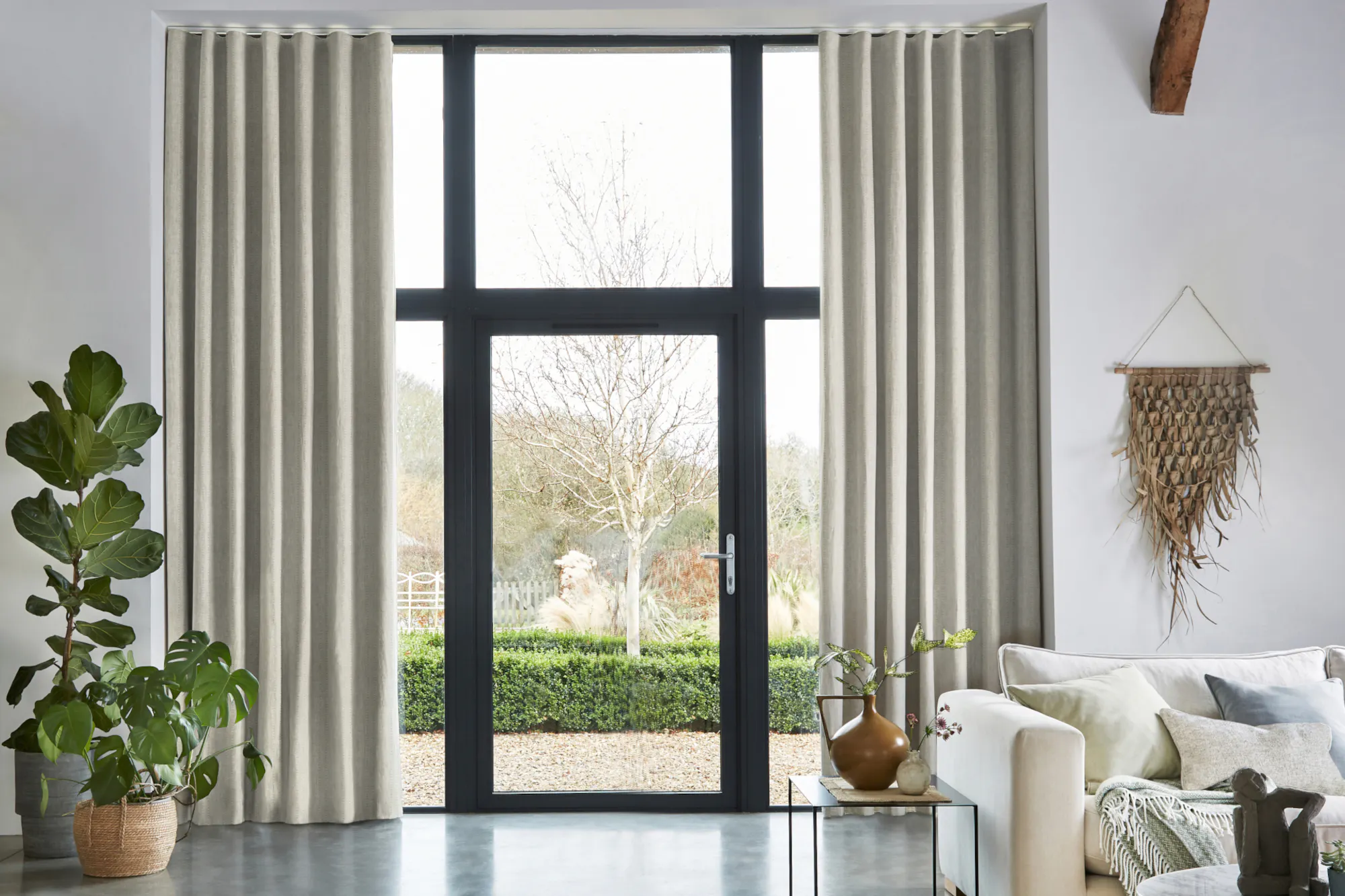
  • Architectural texture: think fluted panels, exposed beams, or even the pleats of a blind, subtle, built-in details that add interest without taking up space
  • Layered textiles: a single throw or a pair of sheer curtains over a blind can soften a room without overwhelming it.

Texture invites touch, slows the eye, and makes minimalism feel human.

Functional beauty

In a minimalist home, everything earns its place and that includes the practical elements. A well-chosen blind, for example, isn’t just about privacy or light control; it’s part of the room’s visual language.

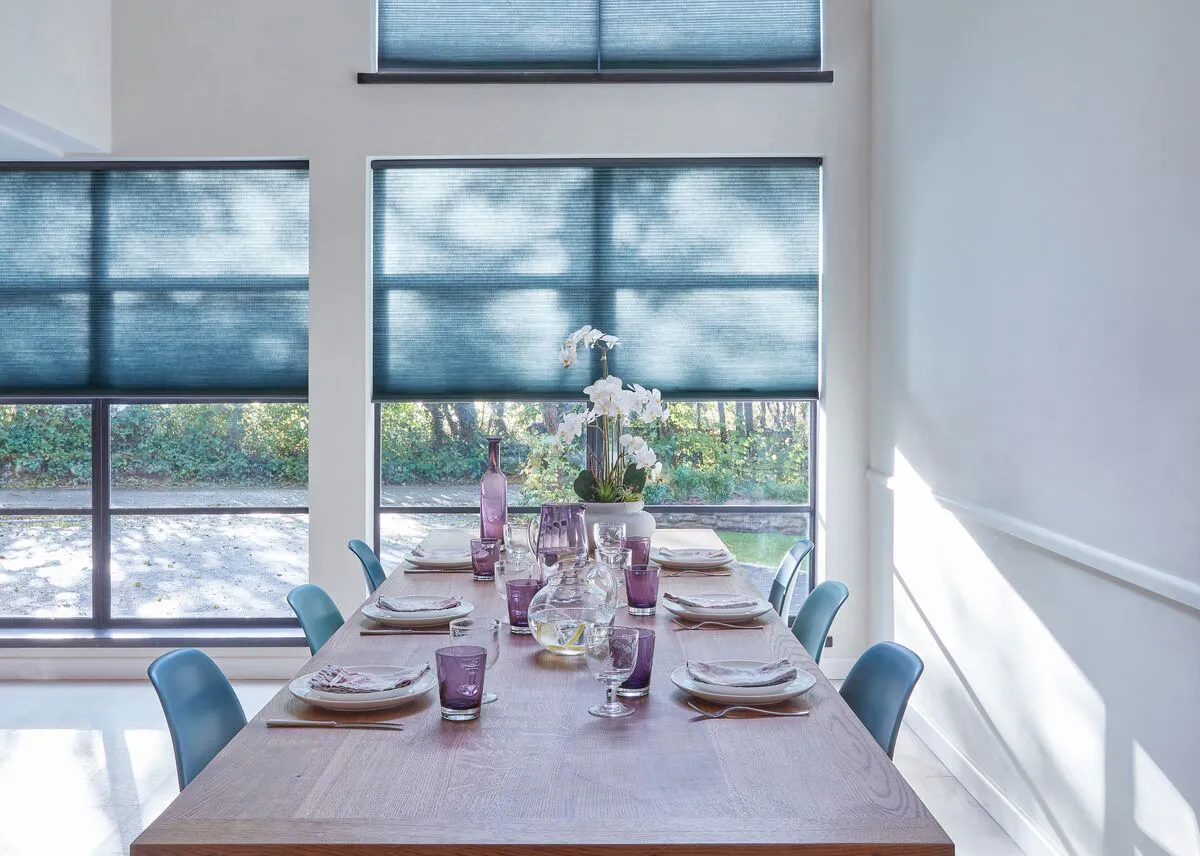
A Duette® blind with its honeycomb structure can echo architectural lines while improving insulation. A Wooden blind adds rhythm and warmth. Even a simple Roller blind, in a soft neutral, can become a quiet backdrop that lets other elements shine.

When function and form align, beauty naturally follows.

Minimalism, but make it real

Soft minimalism isn’t about perfection. It’s about creating a home that supports your life, not one that demands constant tidying or sacrifices comfort for style.

It’s about choosing fewer, better things. Embracing space as a luxury. Letting light, texture, and colour do the heavy lifting. And it’s about finding joy in the quiet moments - the morning sun filtering through a linen blind, the feel of warm wood underfoot, the calm of a clutter-free room.

Minimalism, at its best, isn’t about having less. It’s about making room for more of what matters.

There's so much more to see

We’ve got lots more inspiration for styling your home