

Request an appointment
  • Price Promise

  • Rated Excellent

  • Fully Guaranteed

  • Over 40 years of value

Hillarys homepage1800 882 9171800 882 917Request a brochureRequest an appointment

Condensation and mould: how to balance a warm home with healthy airflow

Yvonne kneel product designer holding roman blindAuthor Yvonne KealProduct Management Specialist

As the weather turns colder, many of us reach for our blinds, curtains, and shutters, closing them tight to keep our homes cosy and energy bills down. But if you’ve ever noticed water droplets on your windows - or worse, patches of mould - you’ve probably heard the advice to open your windows and blinds to let your home “breathe.” So, which is it: keep things closed for warmth, or open for fresh air?

This is a real dilemma for many households. Here’s a guide to finding the right balance, so you can enjoy a warm, comfortable, and healthy home all year round.

Why does condensation happen?

Condensation forms when warm, moist air inside your home meets a cold surface - most commonly, your windows. Everyday activities like cooking, showering, and even breathing add moisture to the air. If this moisture can’t escape, it collects on cold surfaces, leading to condensation. Over time, this can encourage mould growth, which is not only unsightly but can also affect your health.

Wirl chartreuse yellow patterned curtains on bay window patio doors in kitchen/dining area

The classic advice: ventilate!

Experts agree: the best way to tackle condensation and mould is to increase airflow. That usually means opening windows, and sometimes even your blinds, curtains or shutters, to let moist air escape and fresh air circulate. But in winter, that can mean letting precious heat out - something none of us want to do.

Hillarys LARAS HOUSE CURTAINS CLARENCE CHEMISE ROMAN MORRIS NAVY BEDROOM

The insulation dilemma

Blinds, curtains, and shutters act as an extra layer of insulation, helping to keep warmth in and cold out. That’s why it’s common advice to keep them closed during chilly weather, especially at night. But keeping everything shut tight can contribute to condensation and mould.

Finding the right balance

You don’t have to choose between a warm home and a healthy one. Here’s how to get the best of both worlds:

1) Ventilate at the right times:

Open your windows and window coverings for a short period each day - ideally in the morning, when the outside air is driest and coldest. Even 10-15 minutes can make a big difference, letting moisture escape without losing too much heat.

2) Close up for warmth:

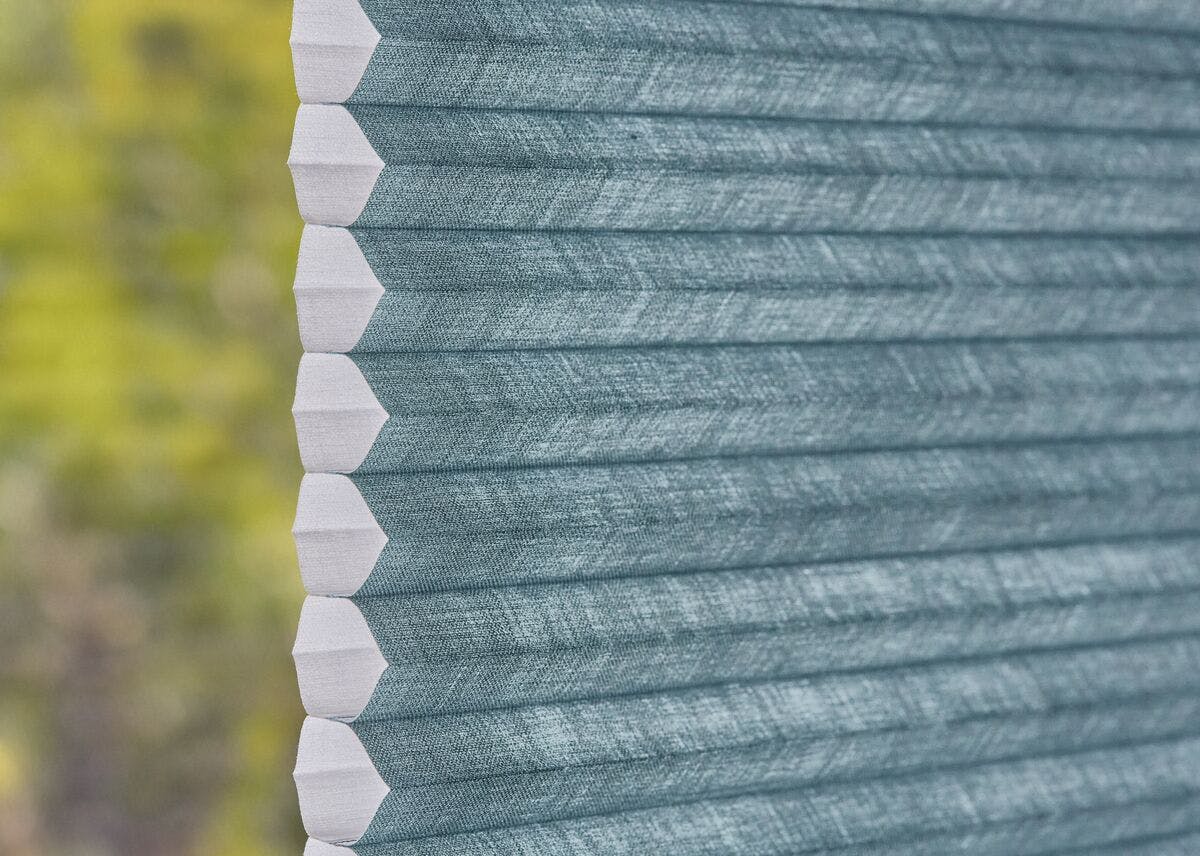
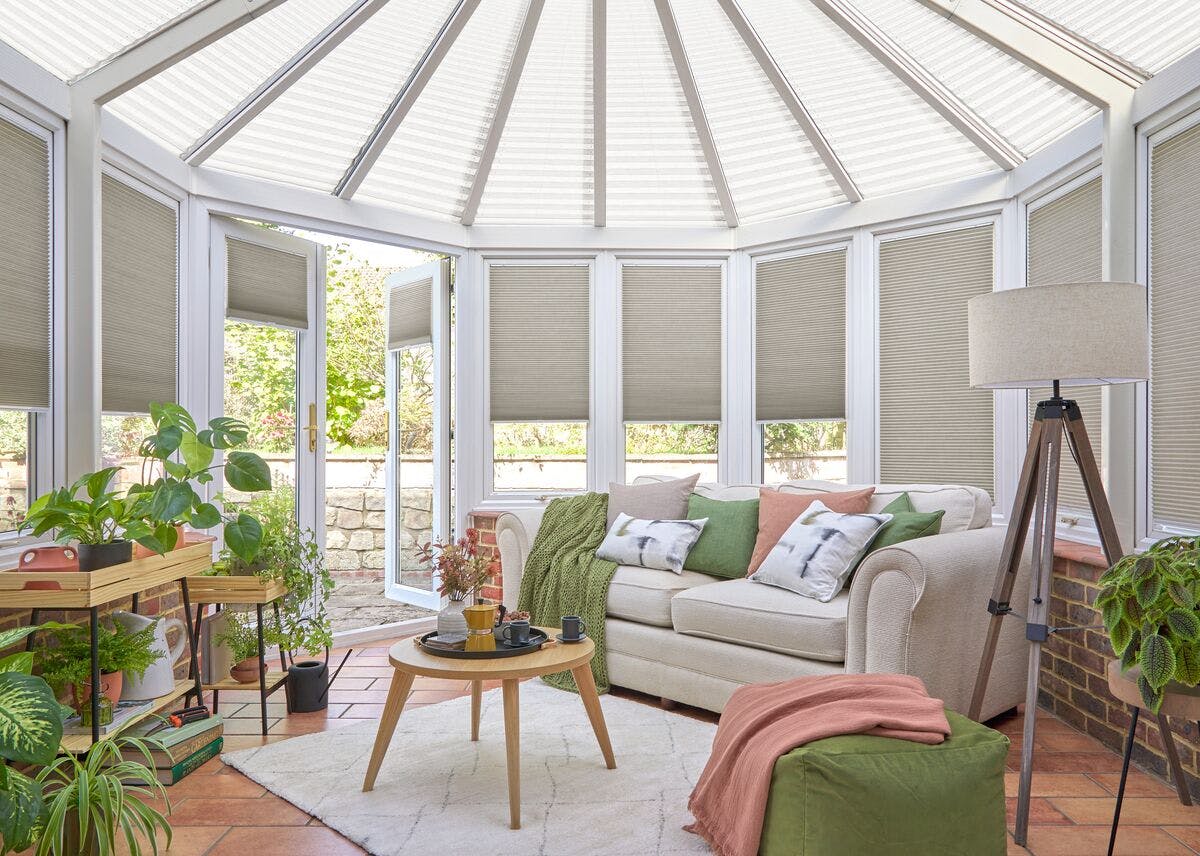
After your quick burst of ventilation, close your windows and window coverings to lock in the warmth for the rest of the day and night. Honeycomb blinds are especially effective, trapping air within their structure for extra insulation. Heavier fabrics and snug-fitting shutters also help block out cold air.

3) Control moisture indoors:

Turn on extractor fans when cooking or showering and keep trickle vents (if you have them) open to allow a constant flow of fresh air. Try to dry clothes outside or use a vented tumble dryer. If condensation is a persistent problem, a dehumidifier can help remove excess moisture from the air.

4) Dress your windows carefully:

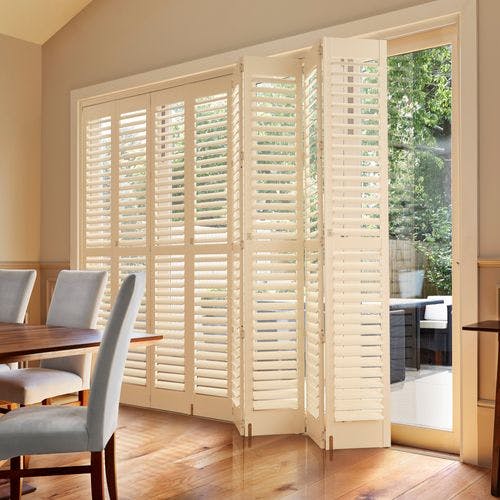
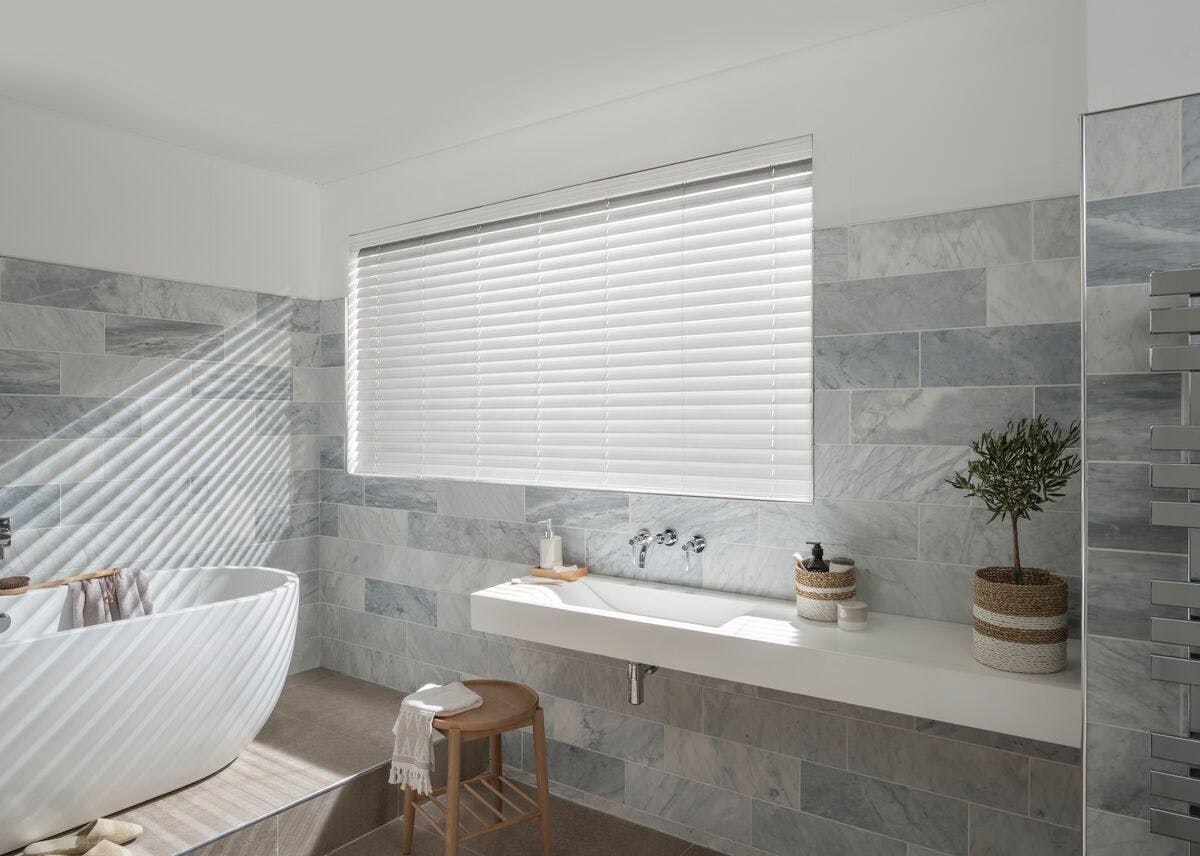
In rooms prone to damp, it’s wise to pick moisture-resistant options. Faux wood or PVC blinds and water resistant shutters are less likely to absorb water and are easy to wipe clean. Avoid heavy, absorbent fabrics right next to windows if you notice frequent condensation.

5) Clean and maintain:

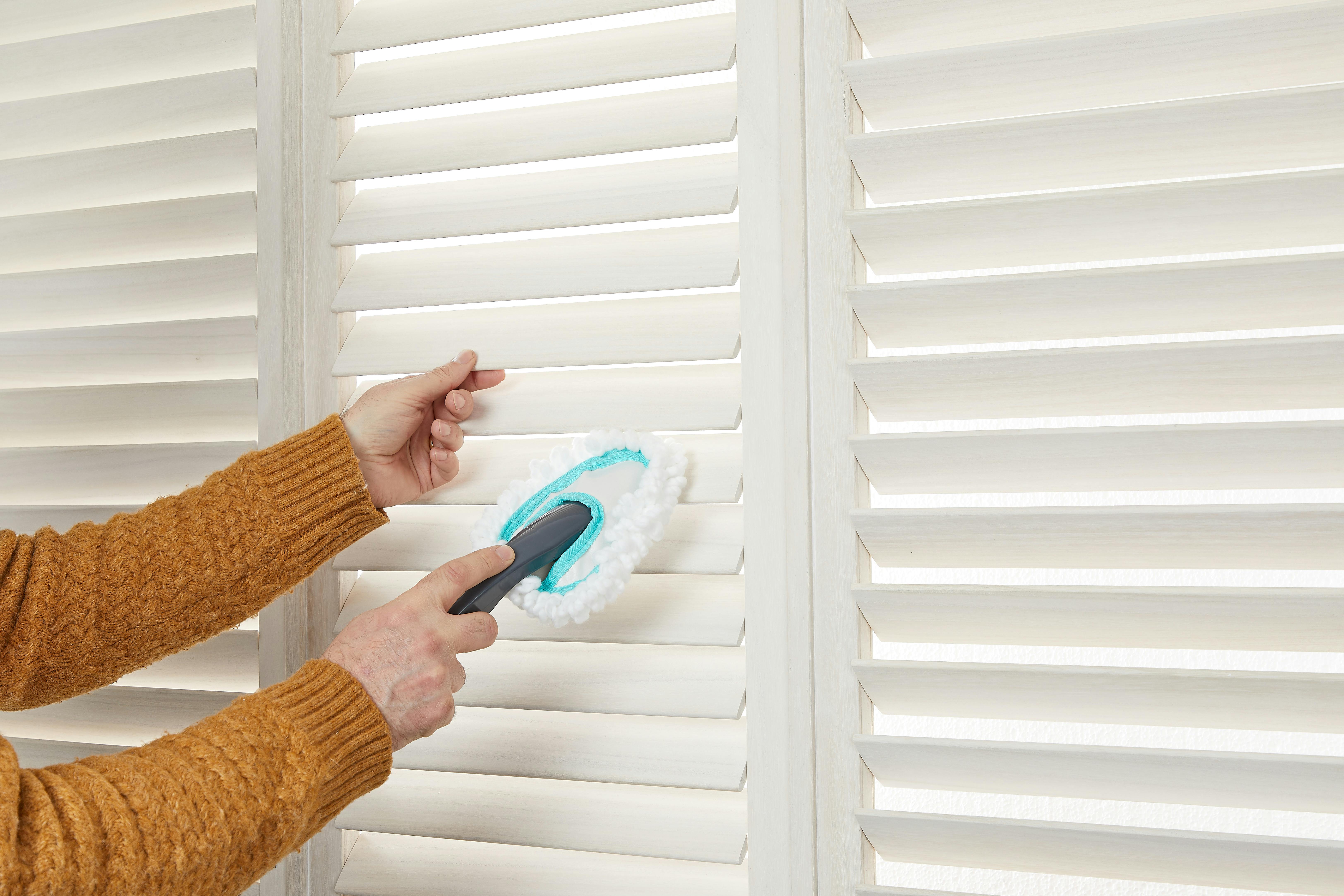
Wipe down windowpanes and sills daily if you spot moisture. Regularly dust and clean your blinds, curtains or shutters as this helps prevent mould spores from taking hold. Our handy cleaning guides provide step-by-step instructions.

Everyday habits for healthier windows

  • Open your windows and window coverings on sunny days to let in natural sunlight and warmth.

  • Close them when it’s cooler to keep the heat in and draughts out.

  • Avoid blocking vents or air movement with heavy furnishings.

  • Regularly check for signs of damp or mould and address them promptly.

Learning how to stop condensation and how to stop mould is all about balance. By ventilating regularly, controlling indoor moisture, and choosing the right window dressings, you can keep your home both warm and healthy. Small changes in your daily routine can make a big difference - helping you enjoy a fresher, more comfortable living space.