




Request an appointment
  • Price Promise

  • Rated Excellent

  • Fully Guaranteed

  • Over 40 years of value

Hillarys homepage1800 882 9171800 882 917Request a brochureRequest an appointment
Request an appointment

Five tips for taking on a period home renovation

Here are five tips to help you navigate a period home renovation, preserving the character and charm of your property while updating it for modern living

A person wearing a white T-shirt and denim overalls, holding paintbrushes while smiling confidently against a plain gray background.Author Matthew ShawInterior stylist and bloggerWritten 16/07/2024
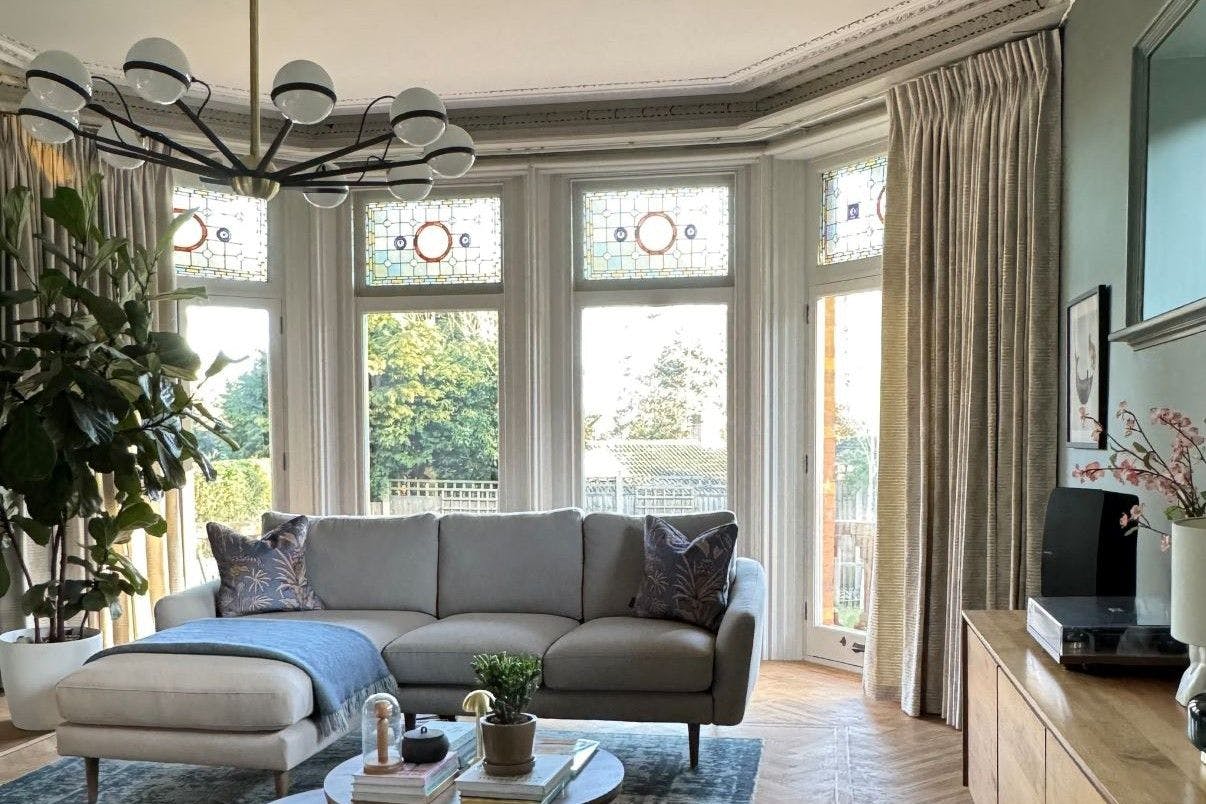
A modern living room features a grey sectional sofa with decorative pillows and a blue throw, positioned in front of large windows with stained glass. A chandelier hangs above a coffee table with books and plants, adjacent to a wooden sideboard with decor.

Taking on a period home renovation is like stepping into a piece of history and making it your own. But, as exciting as it is, renovating a period property comes with its own set of challenges. Whether you’re captivated by the elegance of a Victorian house, the symmetry of a Georgian residence, or the grace of an Edwardian dwelling, it’s important to have a game plan. Here are five tips to help you navigate a period home renovation, preserving the character and charm of your property while updating it for modern living.
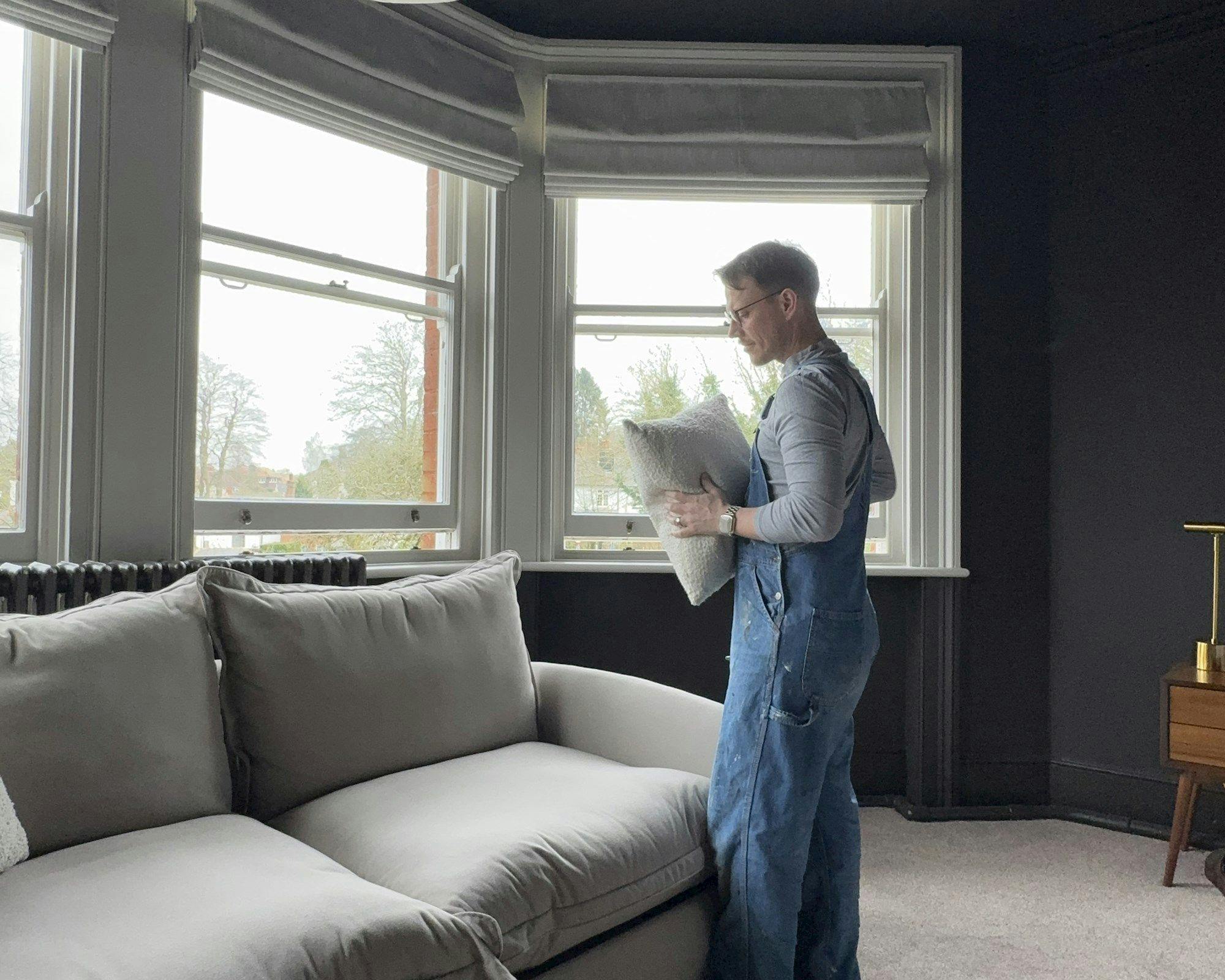
A person wearing overalls arranges a cushion on a sofa. They are in a living room with large bay windows, letting in natural light and revealing trees outside.

1. Prioritise quality over quantity

Invest in high-quality, timeless pieces that complement the period style. Opt for well-made furniture, historically accurate hardware, and durable materials. This ensures a lasting and aesthetically pleasing renovation.
Common challenges include finding skilled craftspeople for traditional joinery or plasterwork, and balancing cost with authenticity. If your budget is limited, focus on a few statement pieces - such as a classic chandelier or bespoke shutters - that will make the biggest impact.

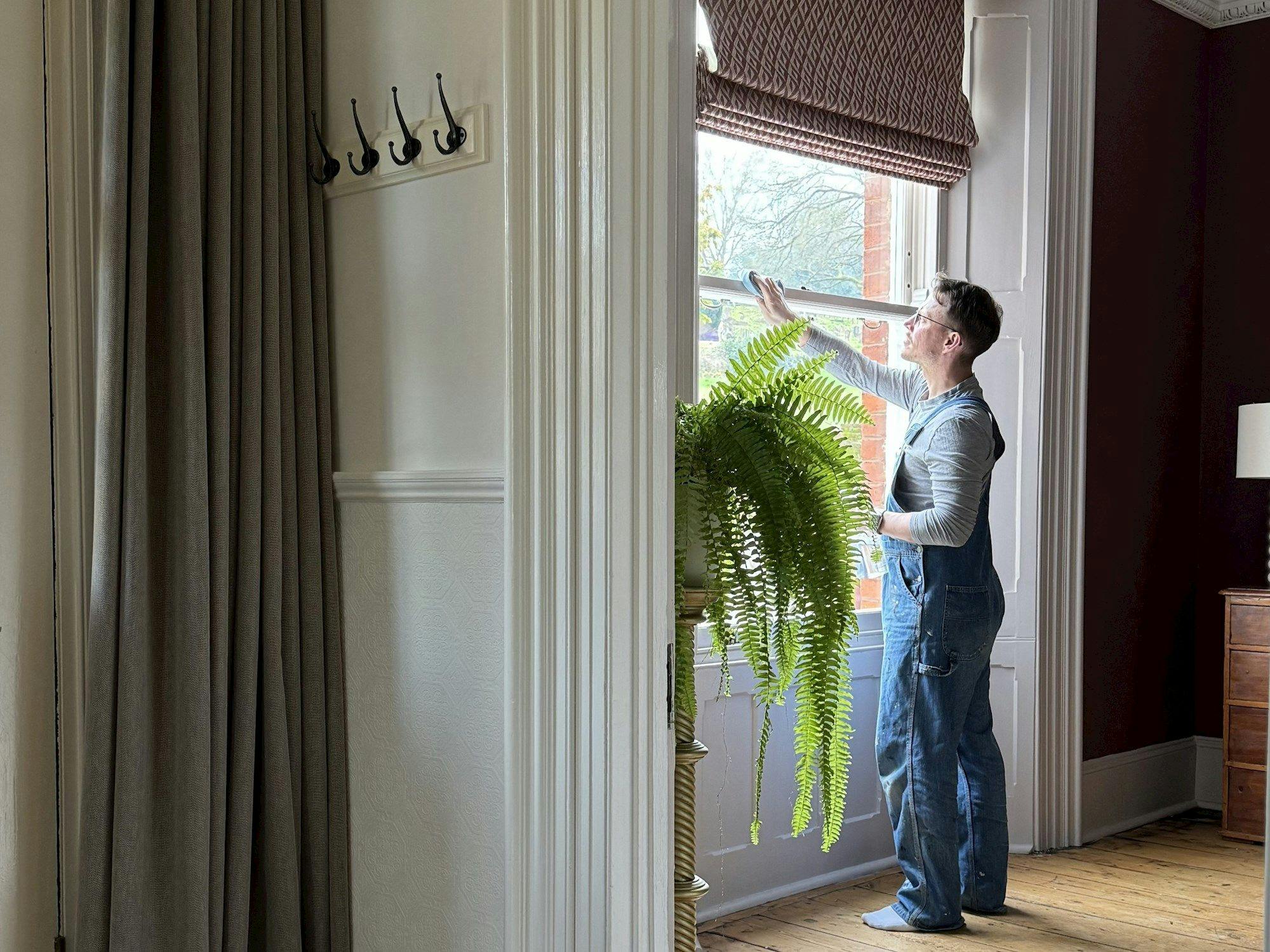
A person in overalls cleans a tall window, light streaming in, next to a lush fern in a spacious room with wooden flooring and a visible coat rack.

2. Research, respect, restore

Before diving in, thoroughly research your home’s period and style. Understanding the original features and materials is crucial for respectful restoration. Seek guidance from professionals like architects, builders, and historical preservation specialists to ensure an authentic and well-executed renovation.

Start by identifying your home’s architectural period - whether it’s Georgian (1714–1830), with its iconic sash windows and symmetrical proportions; Victorian (1837–1901), known for ornate cornices and decorative fireplaces; or Edwardian (1901–1910), often featuring stained glass and wide hallways.

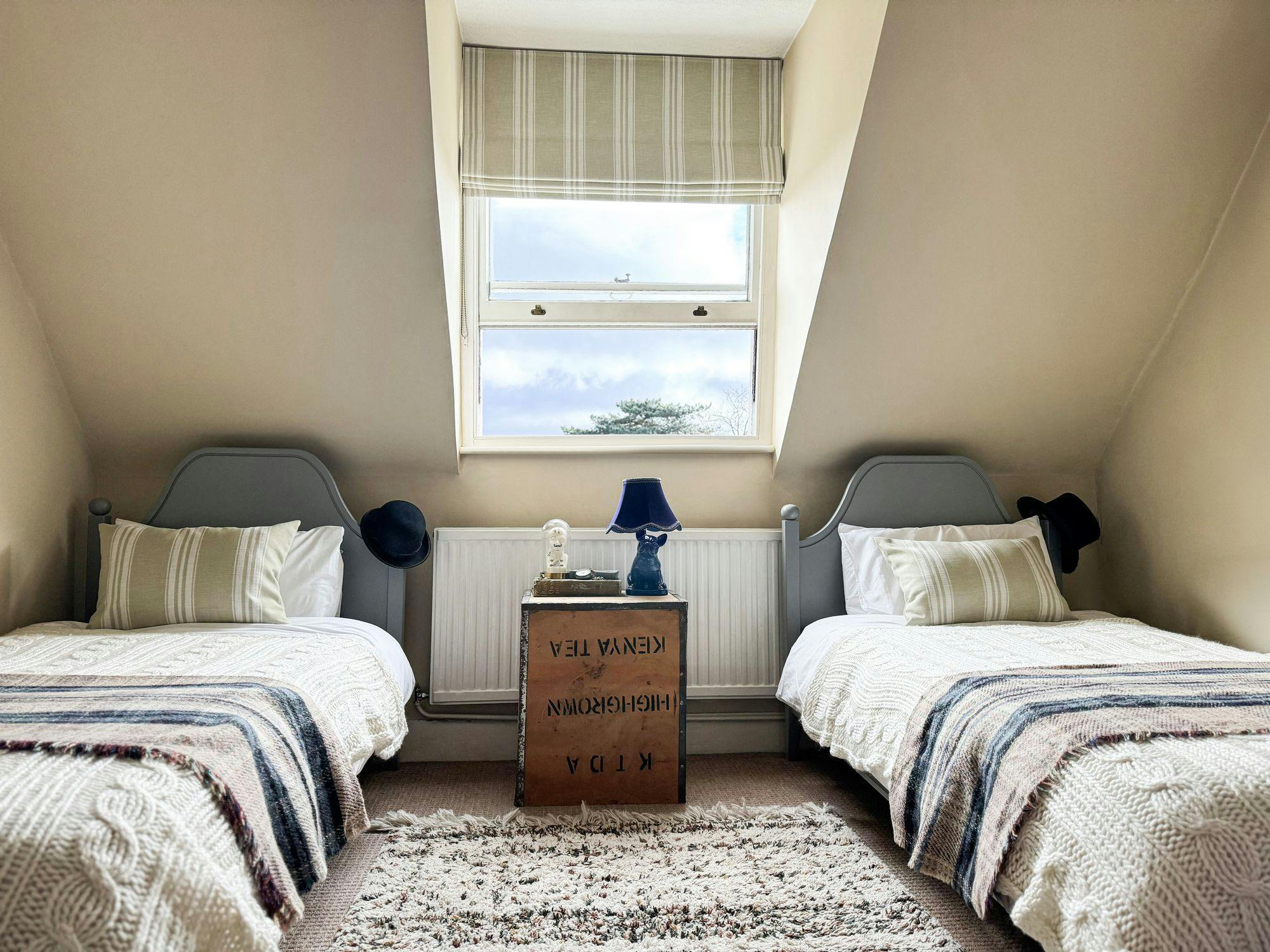
Two single beds with knitted blankets and striped pillows sit on either side of a box labeled "KENYA TEA" under a window in a cozy, attic-style room.

3. Embrace the imperfections

Period homes hold unique character, often reflected in their imperfections. Embrace these quirks. Don’t strive for sterile perfection; celebrate the worn floorboards, slightly uneven walls, and original architectural details. These elements tell the story of your home.

Naturally, it’s important to distinguish between charming patina and genuine structural issues. For example, hairline cracks in plaster or minor scuffs on woodwork add character, while large cracks or persistent damp patches may indicate underlying problems that need professional attention.

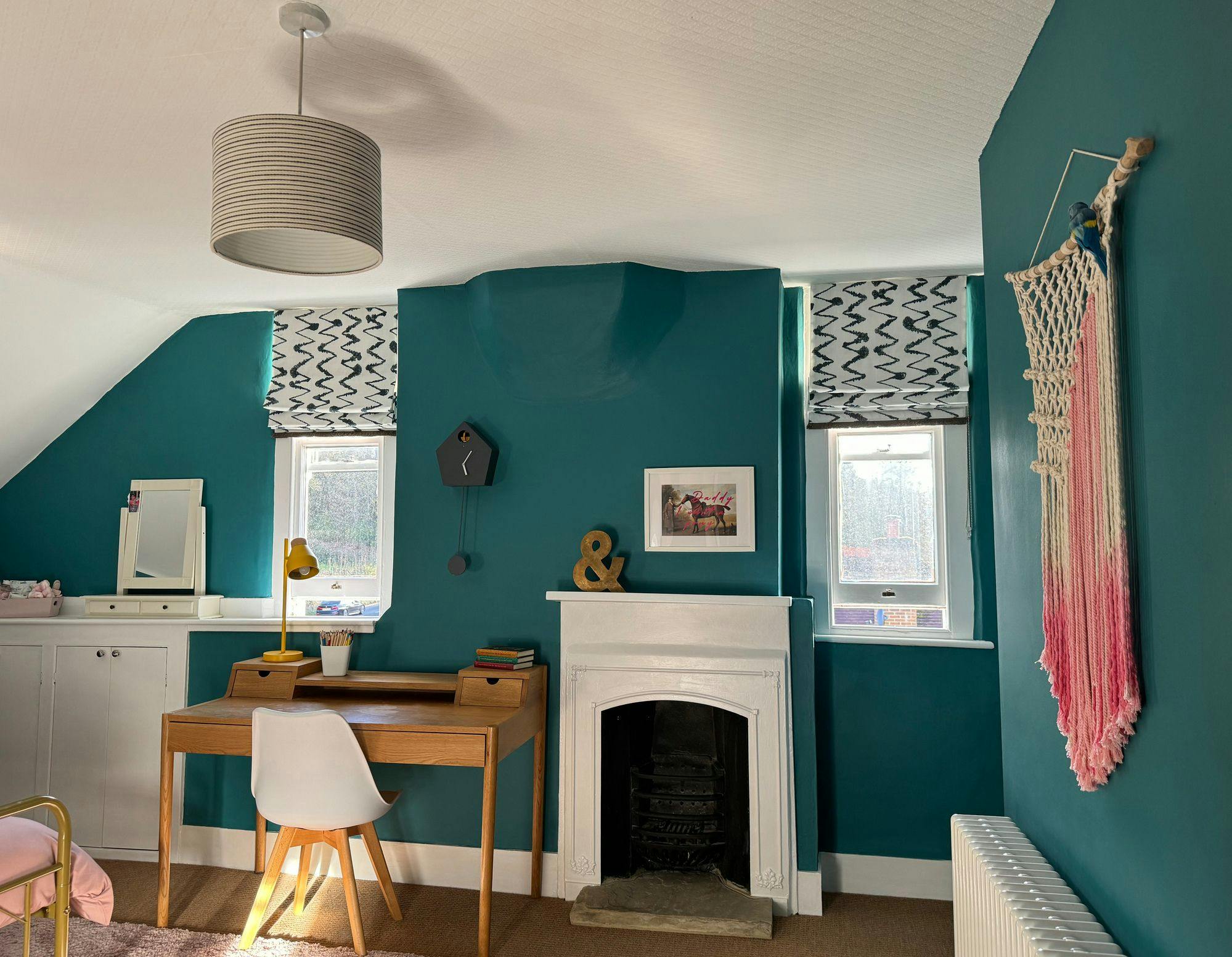
Desk with chair and lamp sits against a teal wall between windows, next to a white fireplace. Decor includes a wall hanging and a picture frame with horses.

4. Patience is key

Renovating a period home is a marathon, not a sprint. Embrace the journey, savour the discoveries, and be patient with the process. Unexpected challenges may arise, but the satisfaction of restoring your home to its former glory is truly rewarding.

Period renovations can take longer and cost more than anticipated. Factor in time for obtaining planning permissions - especially if your property is listed or in a conservation area. You may also need to find specialist tradespeople experienced in traditional techniques, such as lime plastering or sash window repair.

A hand holds a Somfy remote control, featuring three buttons labeled with arrows and "my," directed towards a patterned geometric window blind in a brightly lit room.

5. Honour the past, embrace the present

While respecting the period, don’t be afraid to incorporate modern touches for comfortable living. Roman blinds are perfect for that - they add a softness that complements heritage features but are now available as electric blinds, operated via a handy remote or wall switch. You can even upgrade to smart blinds, operated via mobile app or voice command.

Other modern upgrades - such as discreet underfloor heating, secondary glazing for improved insulation, or energy-efficient LED lighting - can be sympathetically integrated without detracting from the home’s character.

Taking on a period home renovation is a rewarding challenge. By combining careful research, respect for the past, and thoughtful modern updates, you can create a home that’s both beautiful and functional - one that honours its heritage while meeting the needs of modern life.

There's so much more to see

Let us show you more of the latest trends in the world of interiors